MGCP in Castelo de Vide, Portalegre e Marvão: History, Landscape and Driving Passion
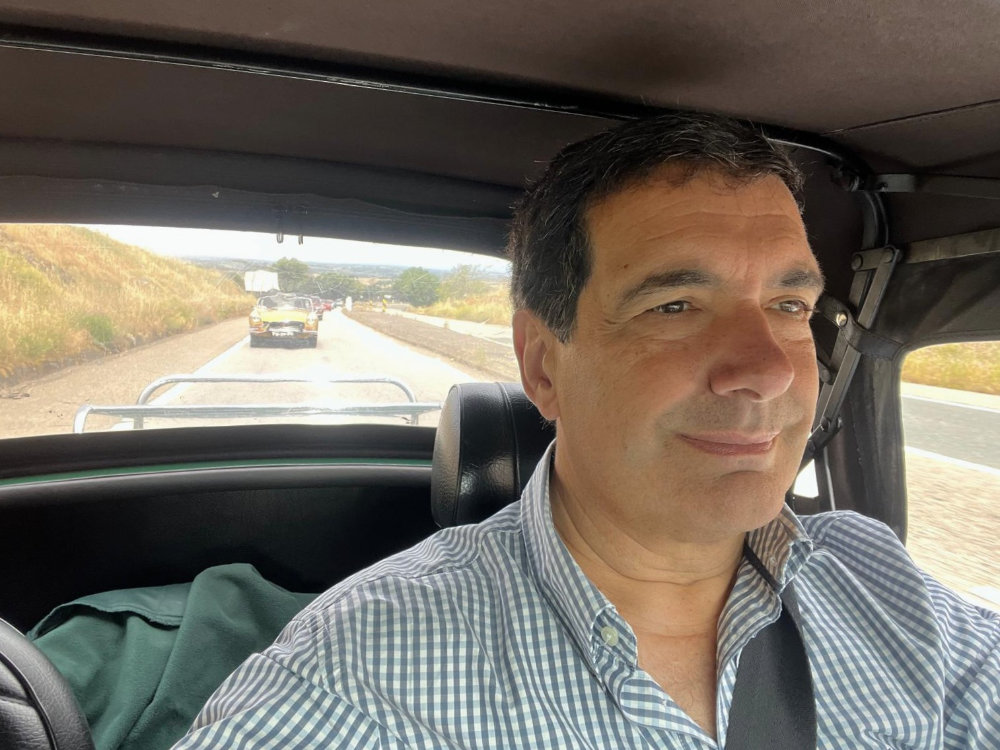
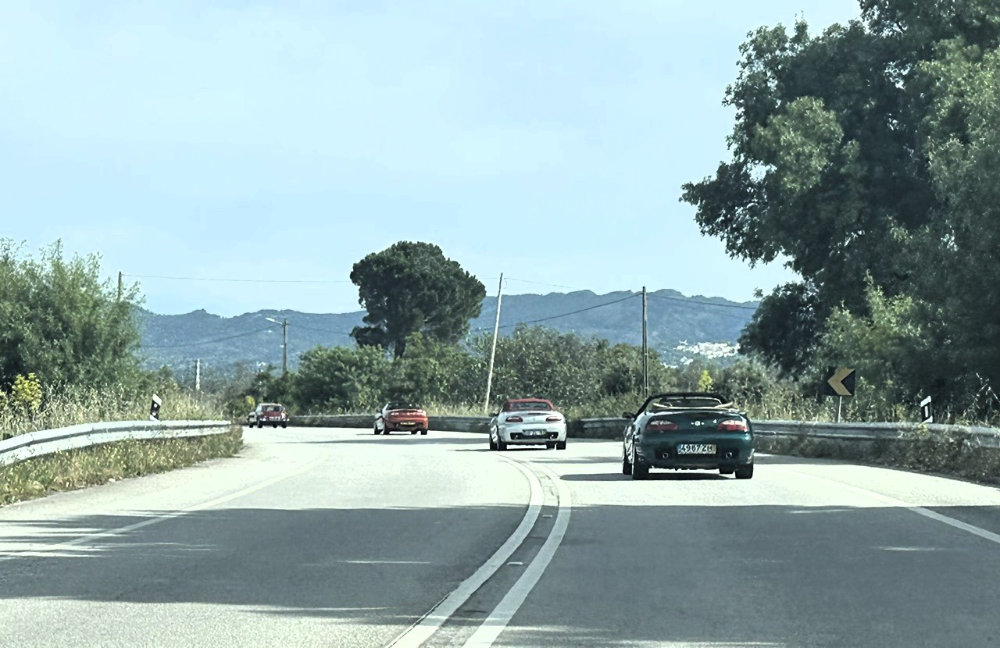
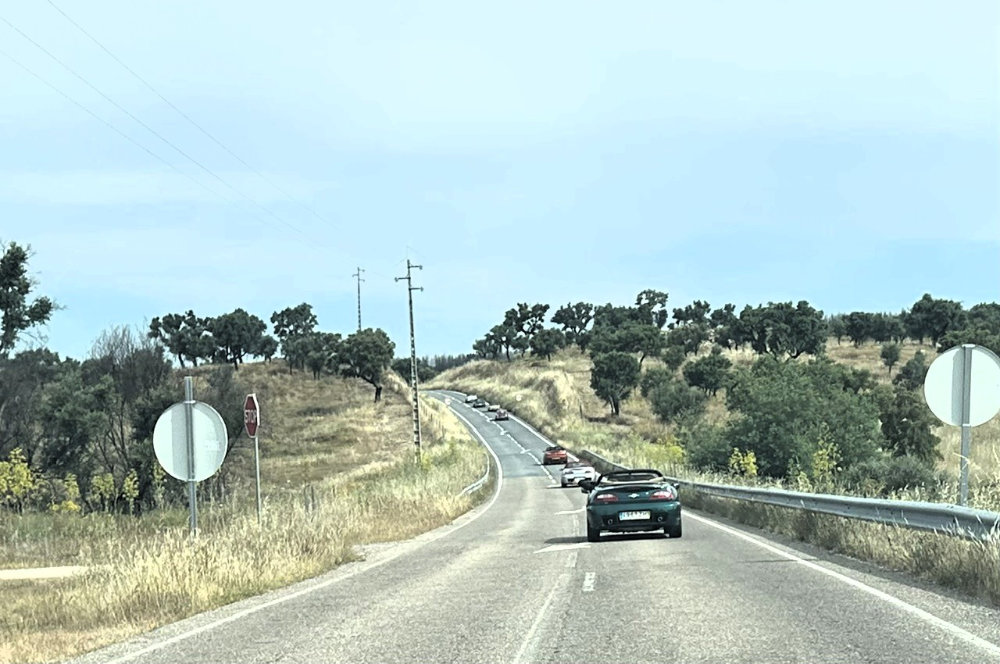
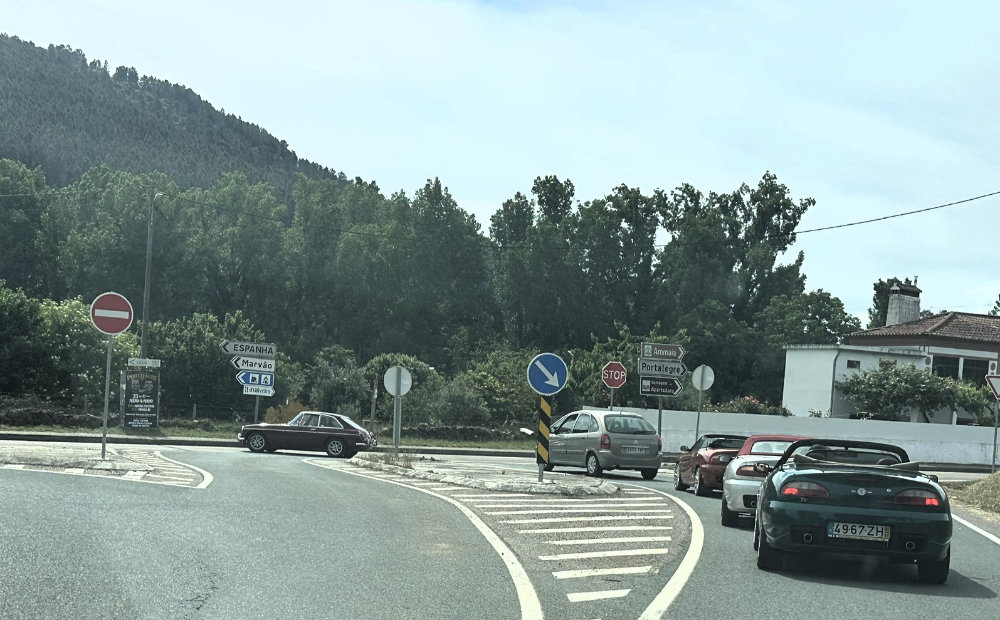
A group of members of the MG Clube de Portugal, together with their companions and guests, took part in a spectacular 3-day Gathering in the Alto Alentejo region, one that was only too short. Had there been more time, there would certainly have been many more places of interest to visit and enjoy.
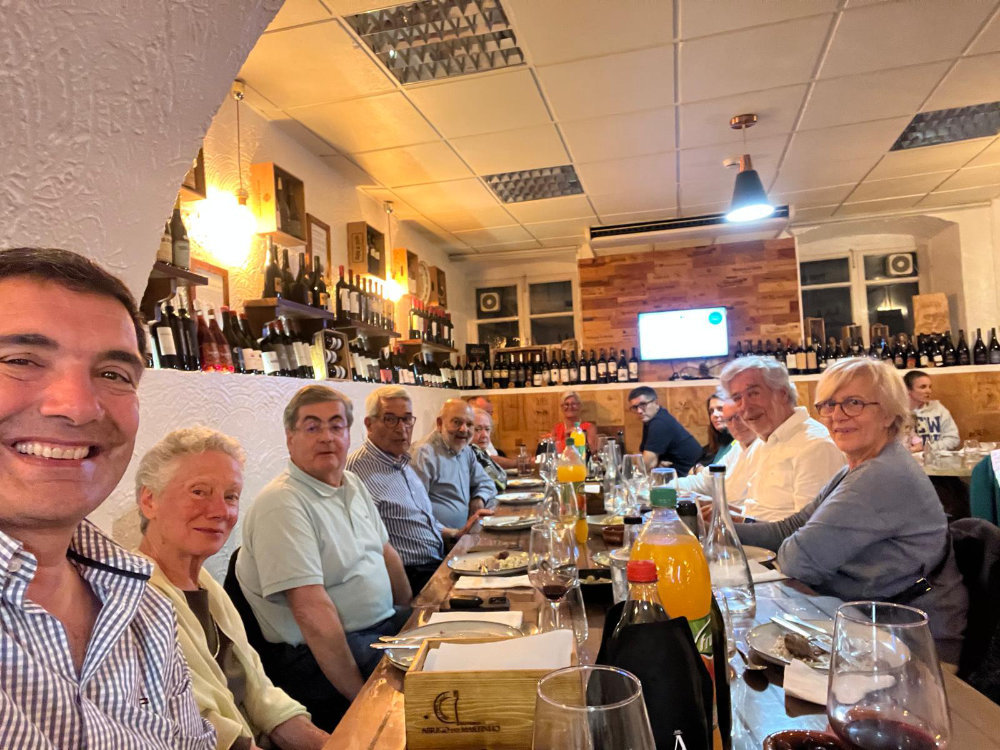
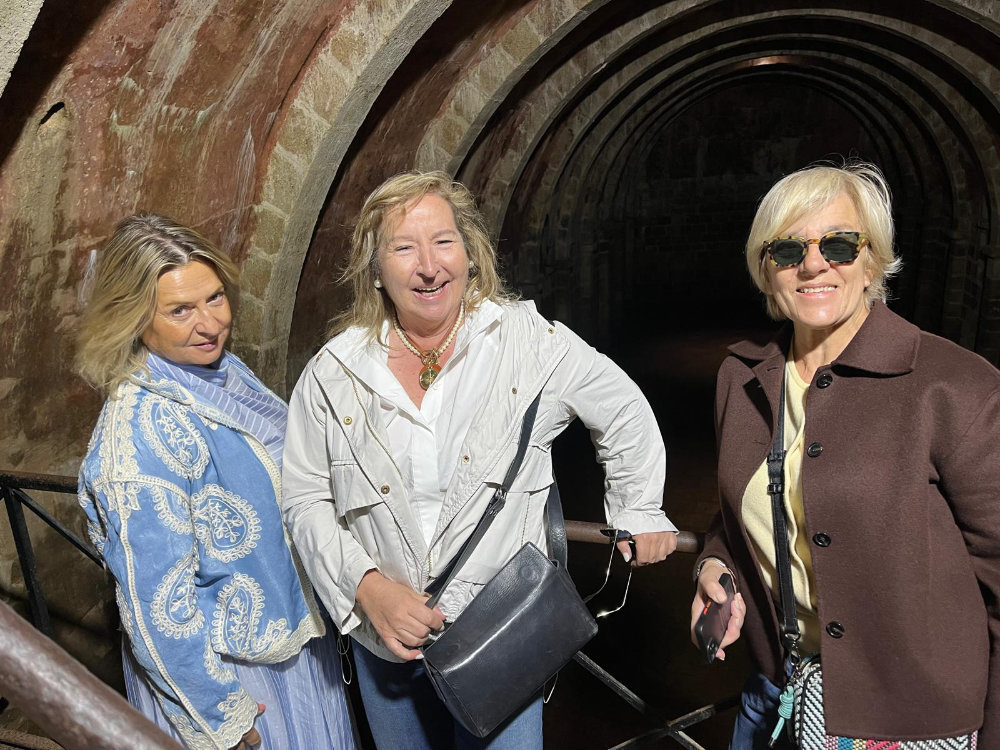
Among heritage, nature and the genuine hospitality of the region — and above all the camaraderie among participants — this was a memorable tour, full of discovery and unforgettable moments.
The program, prepared in cooperation with the Municipal Councils of Portalegre and with the collaboration of Municipal Councils Castelo de Vide and Marvão, provided participants with a weekend full of cultural visits, Alentejo gastronomy and a driving competition where members had the opportunity to demonstrate their driving skills.
Friday – Castelo de Vide
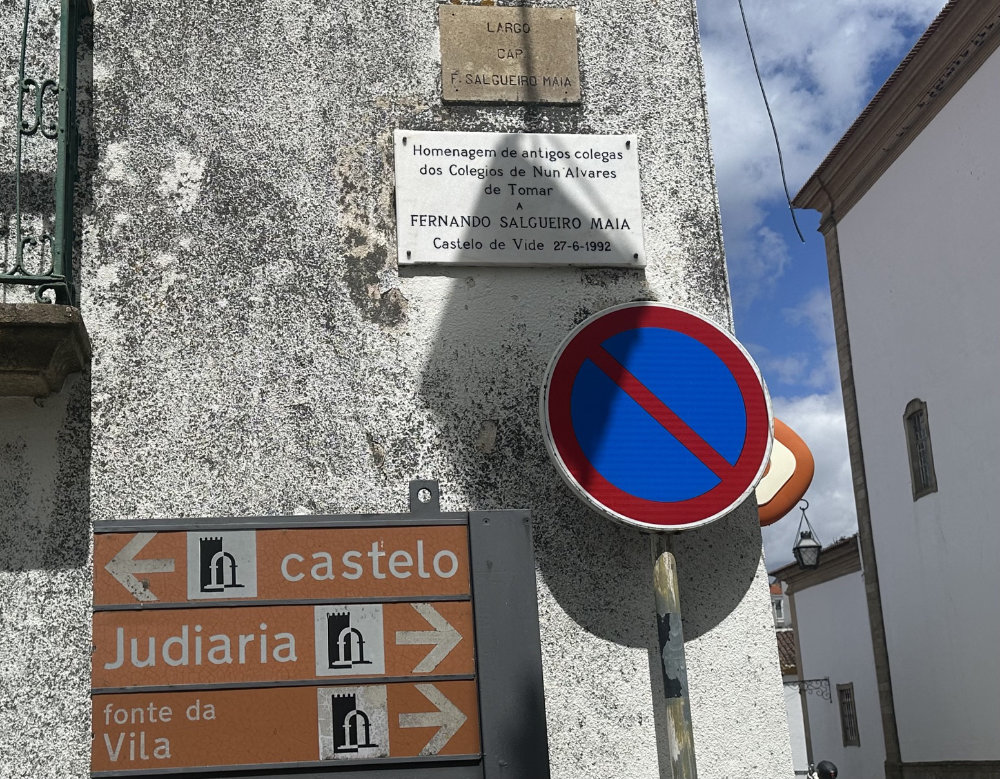
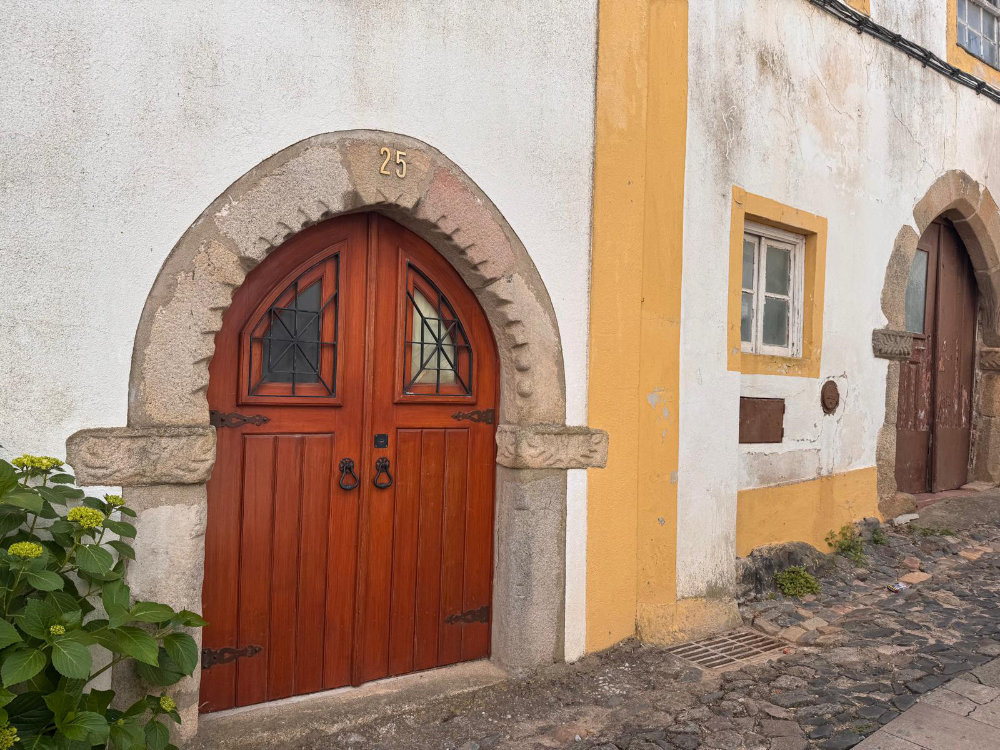
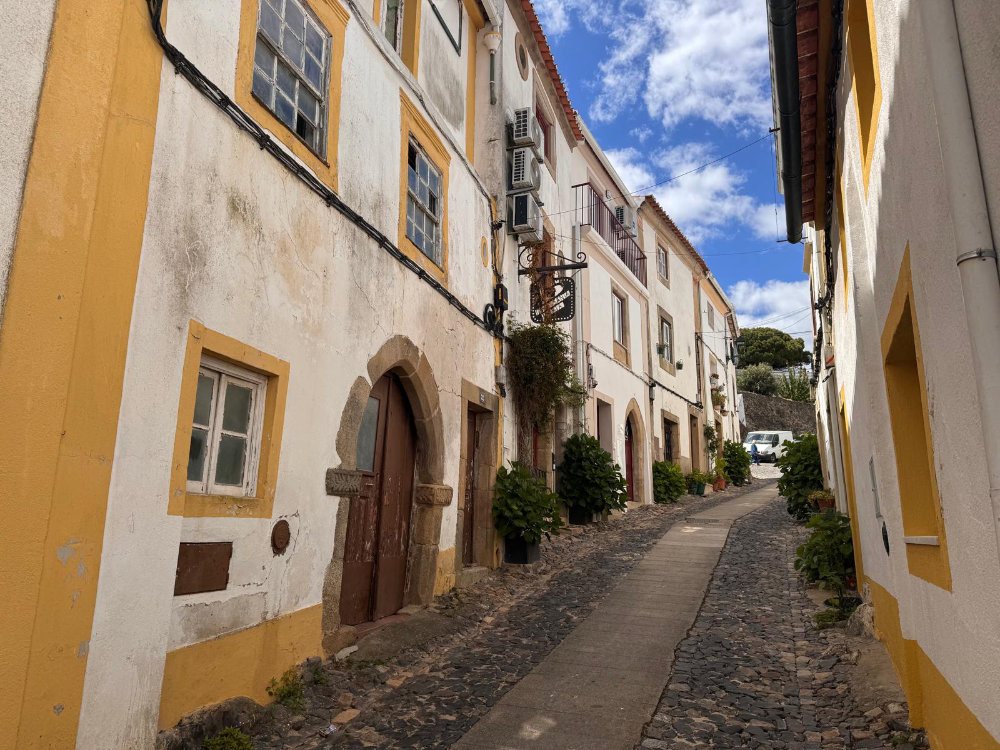
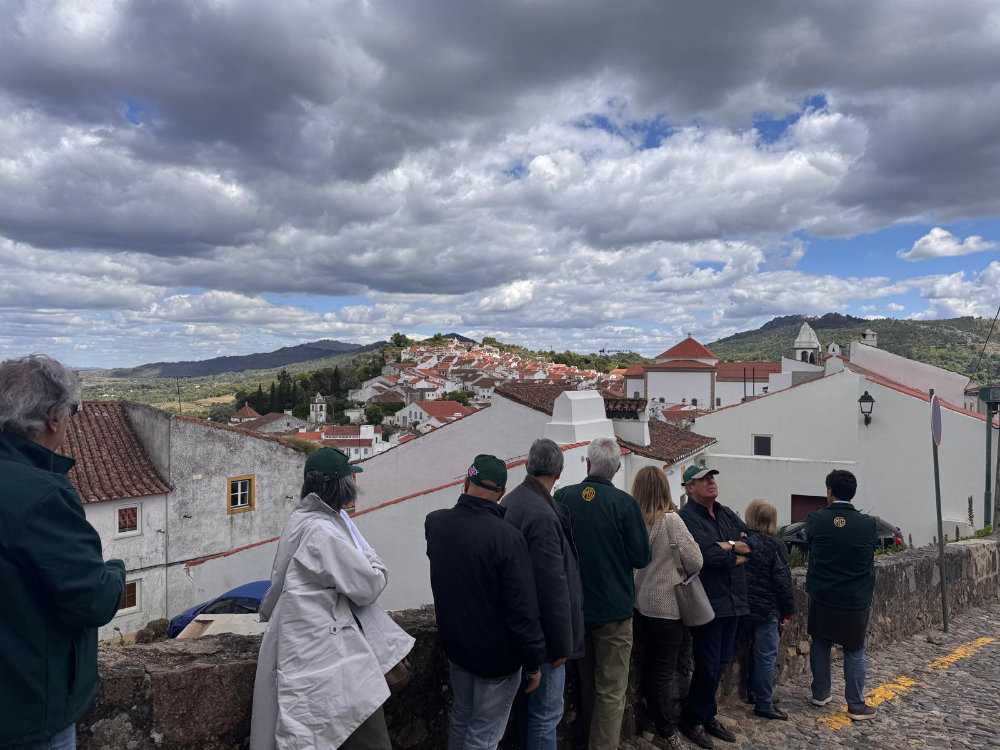
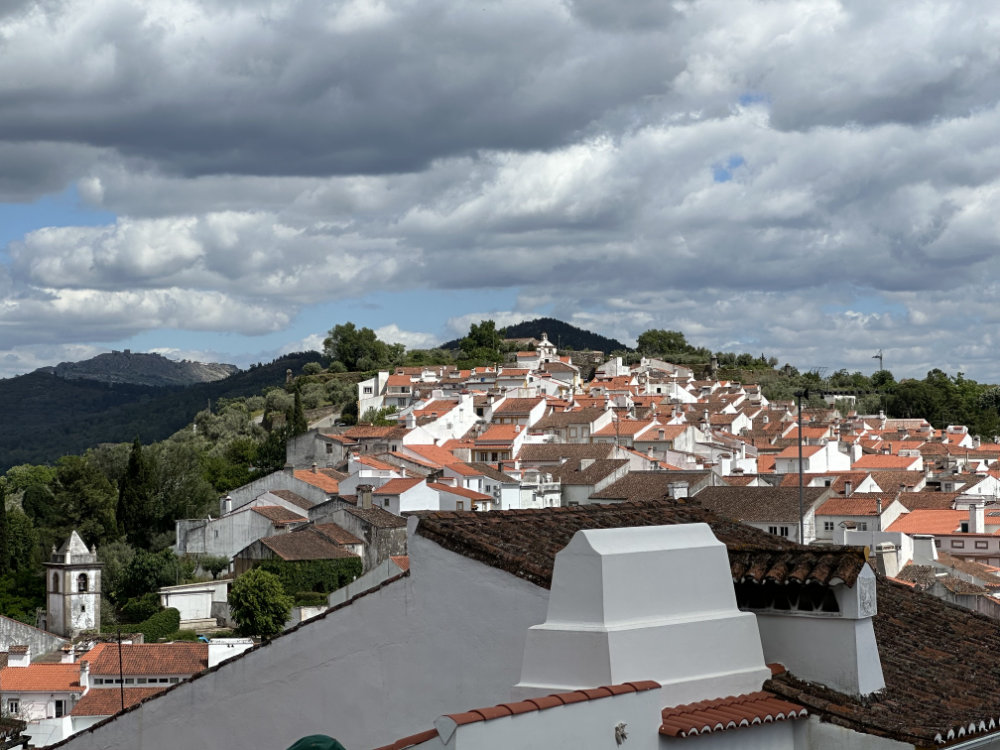
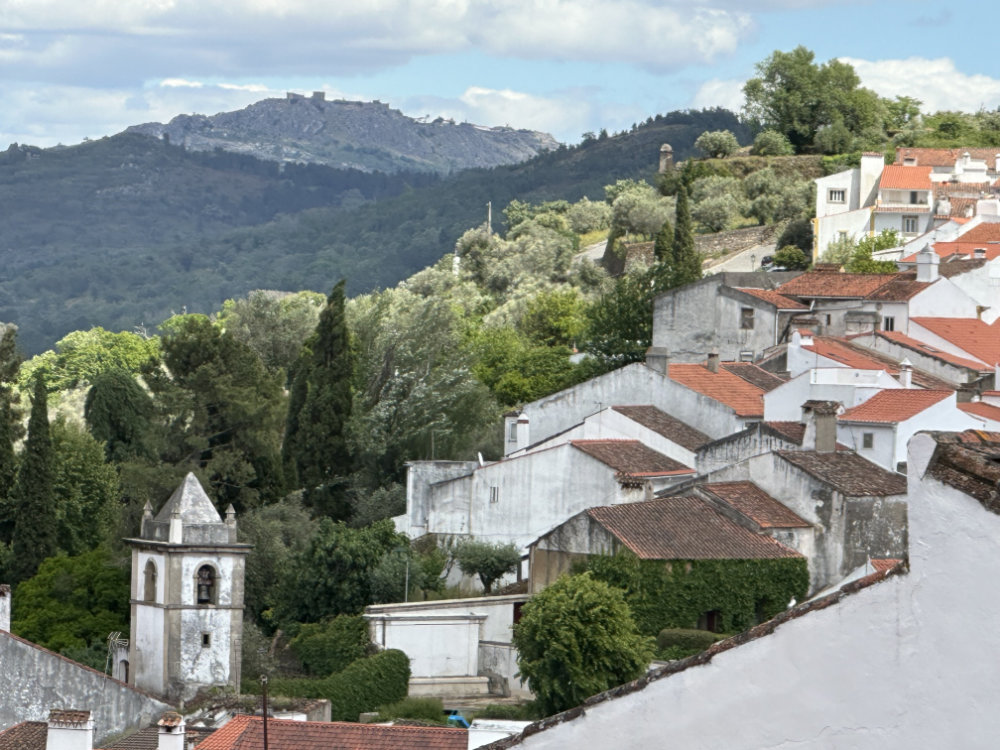
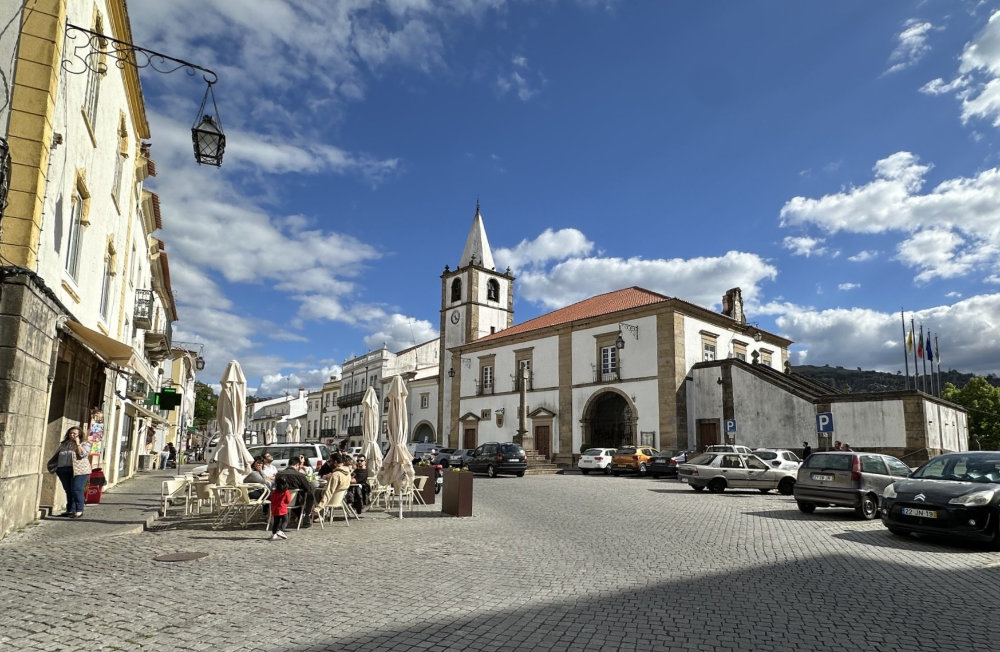
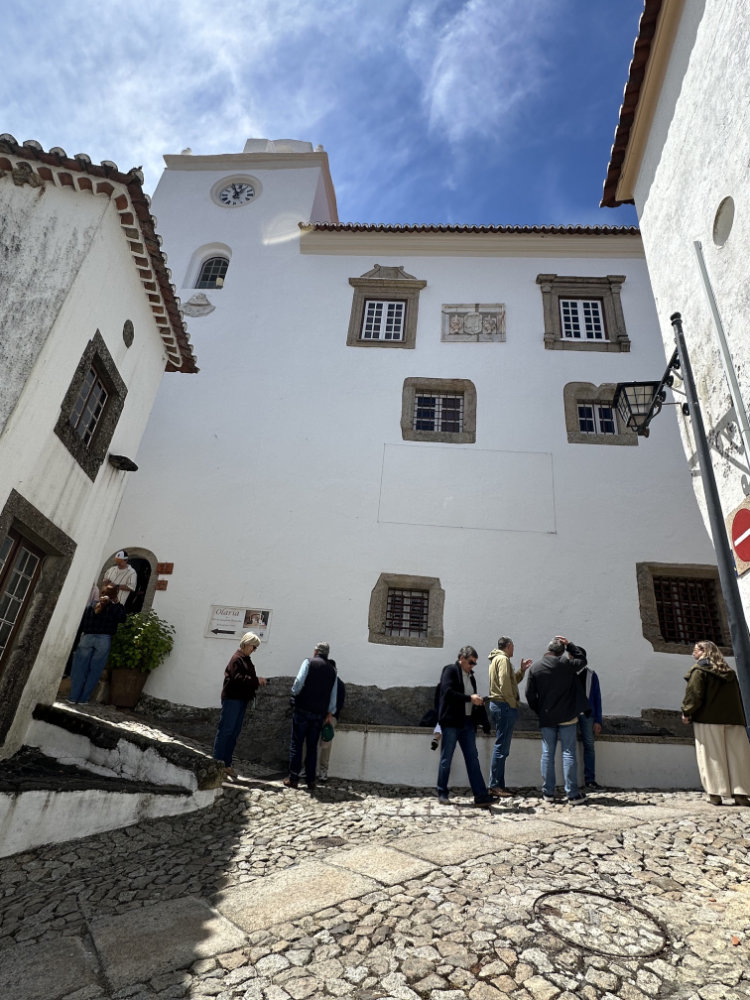
In Castelo de Vide, the narrow streets, the imposing castle and the charm of the Jewish quarter revealed a town full of history and identity, where every viewpoint offers new perspectives over the mountains.
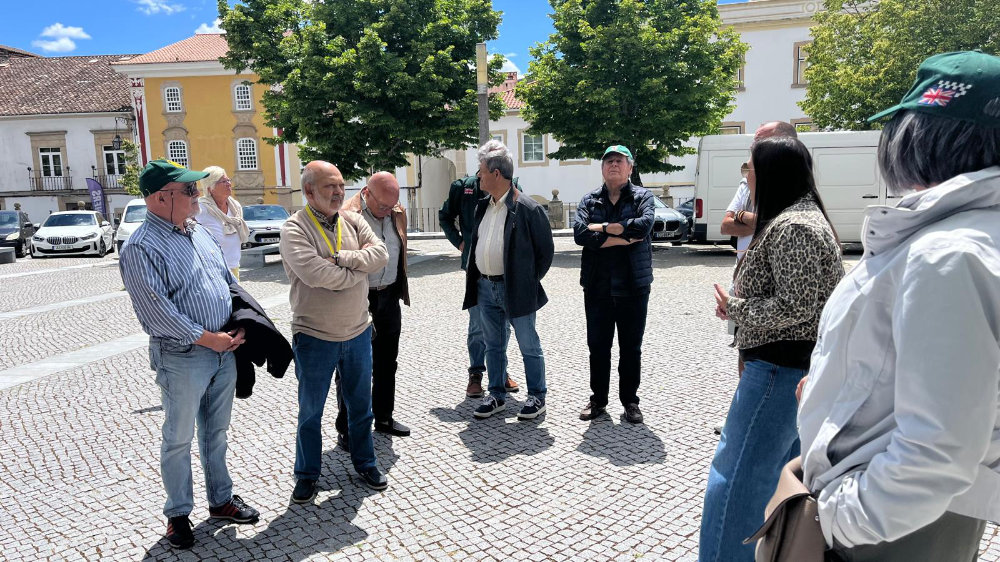
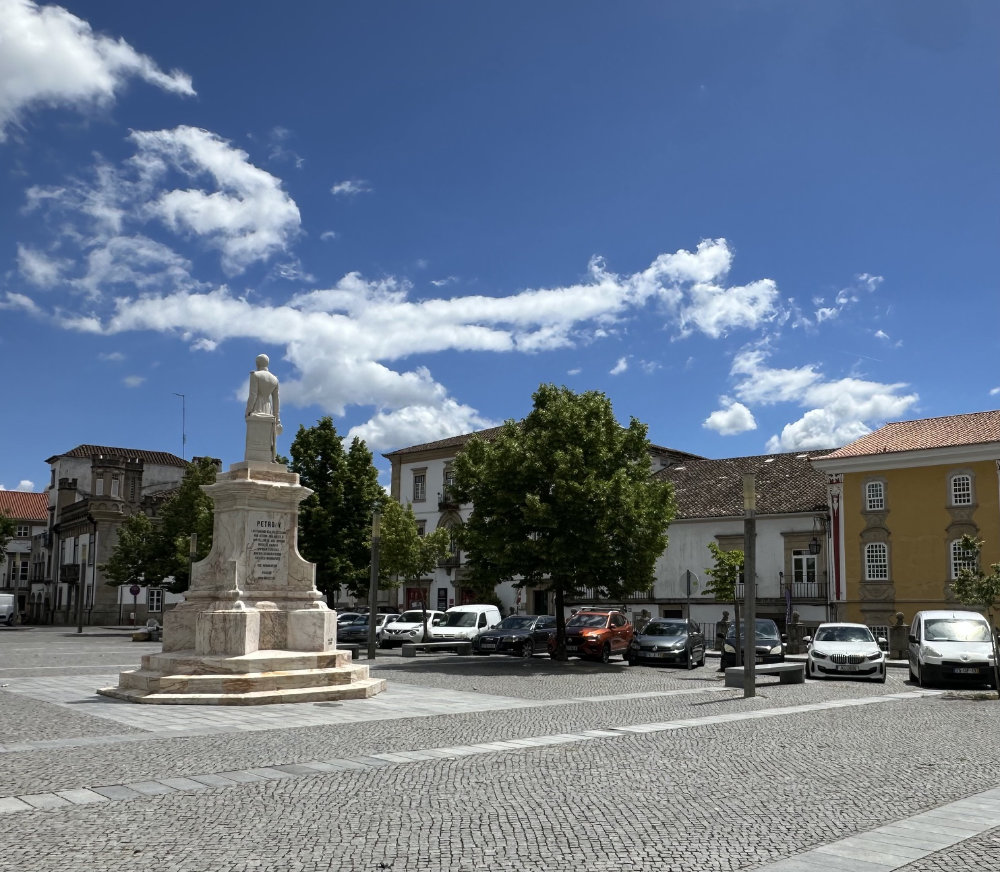
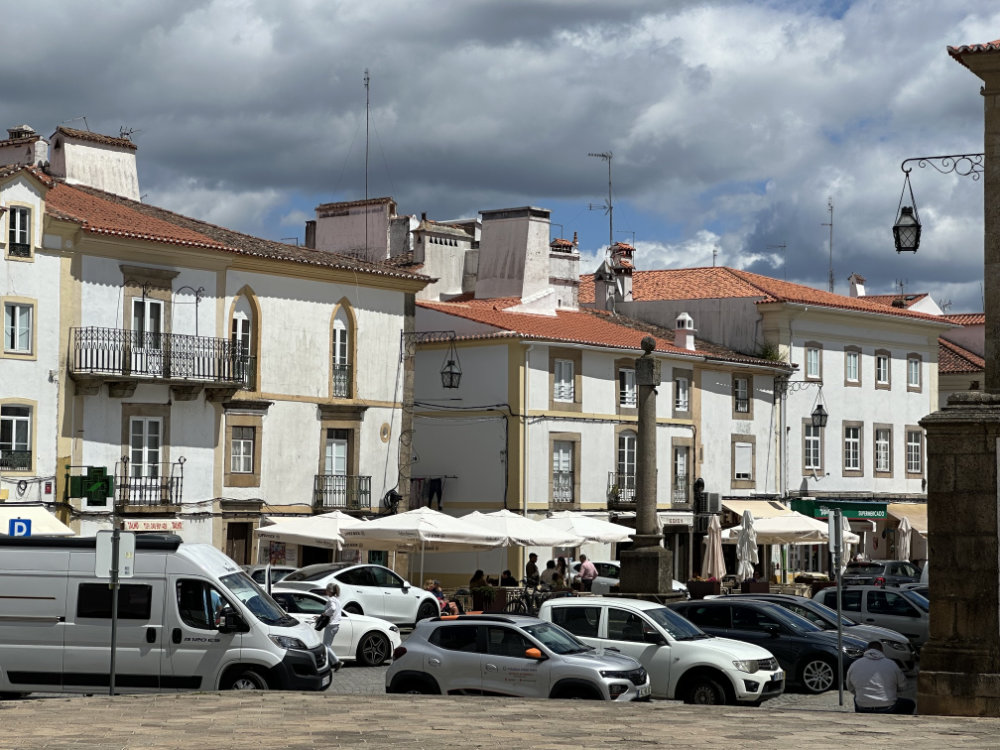
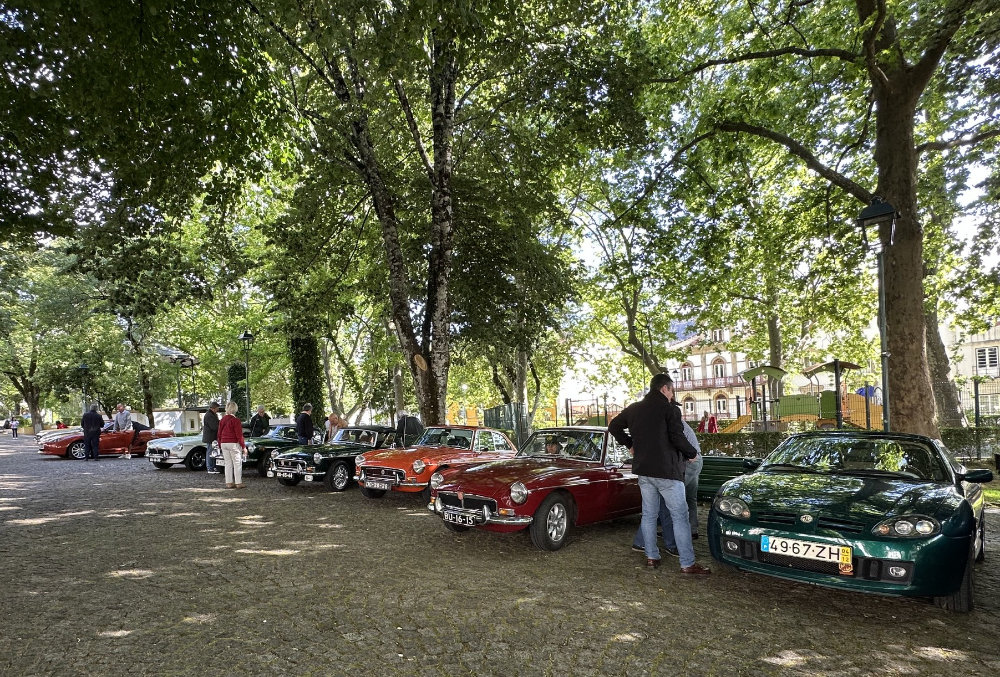
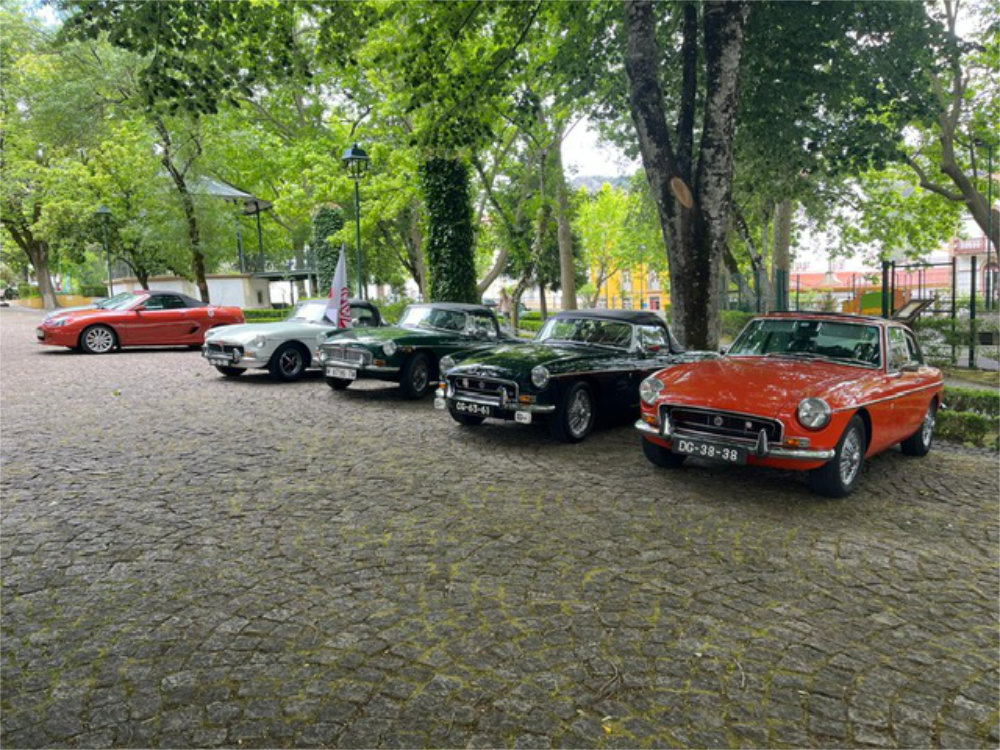
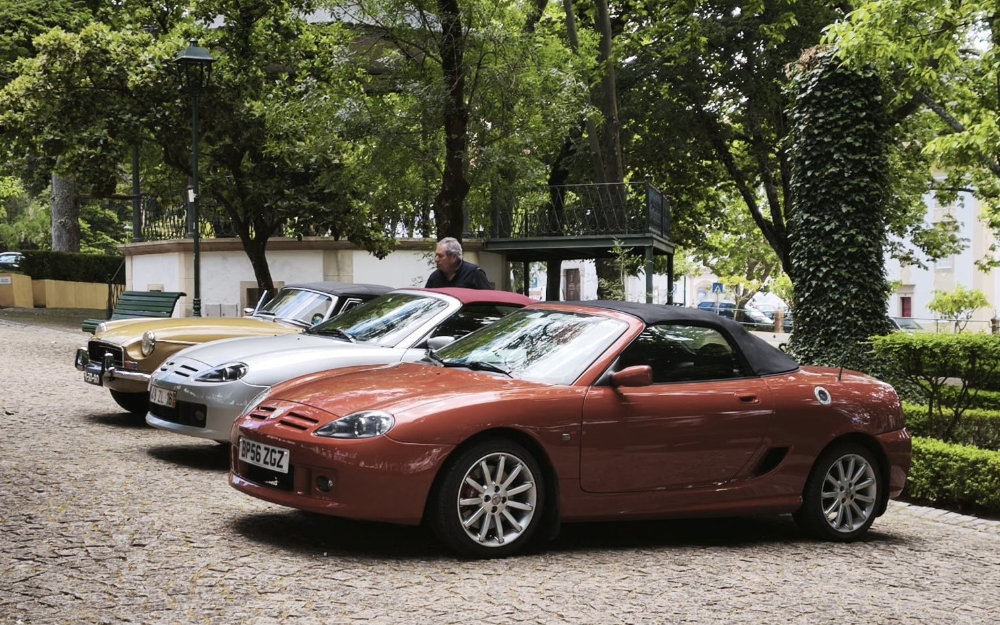
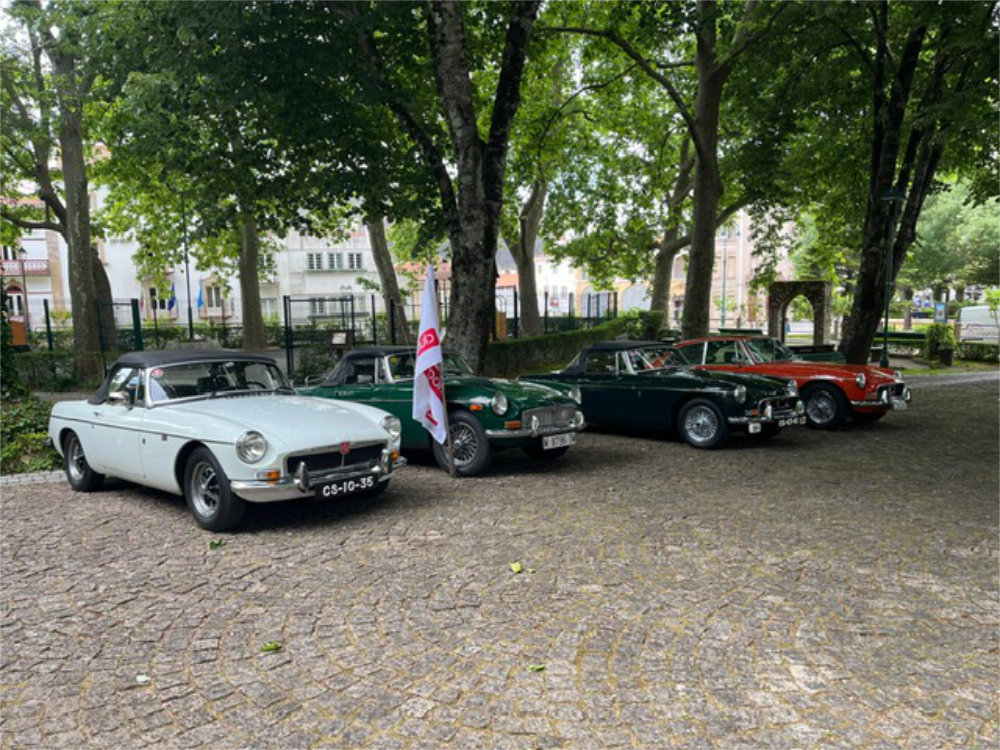
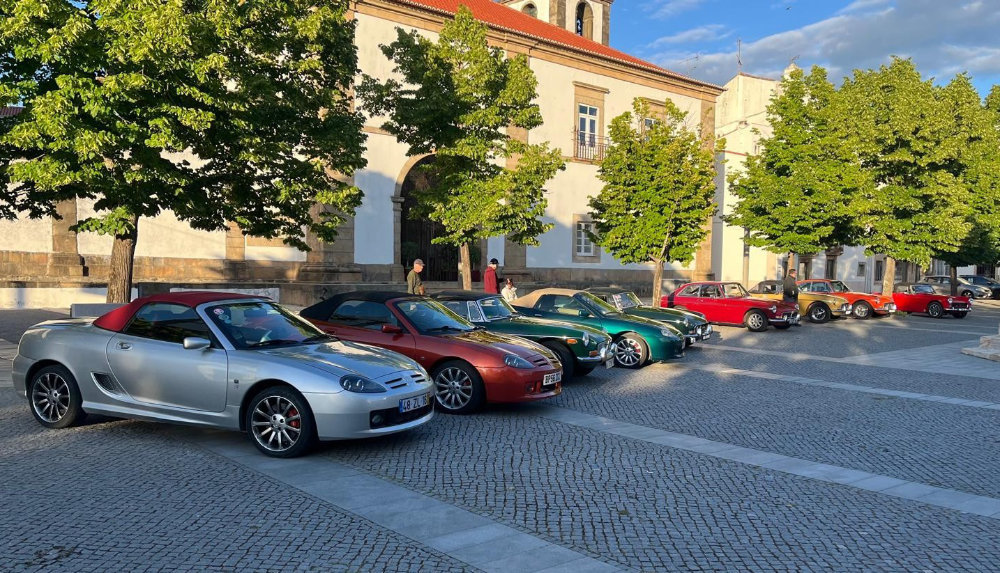
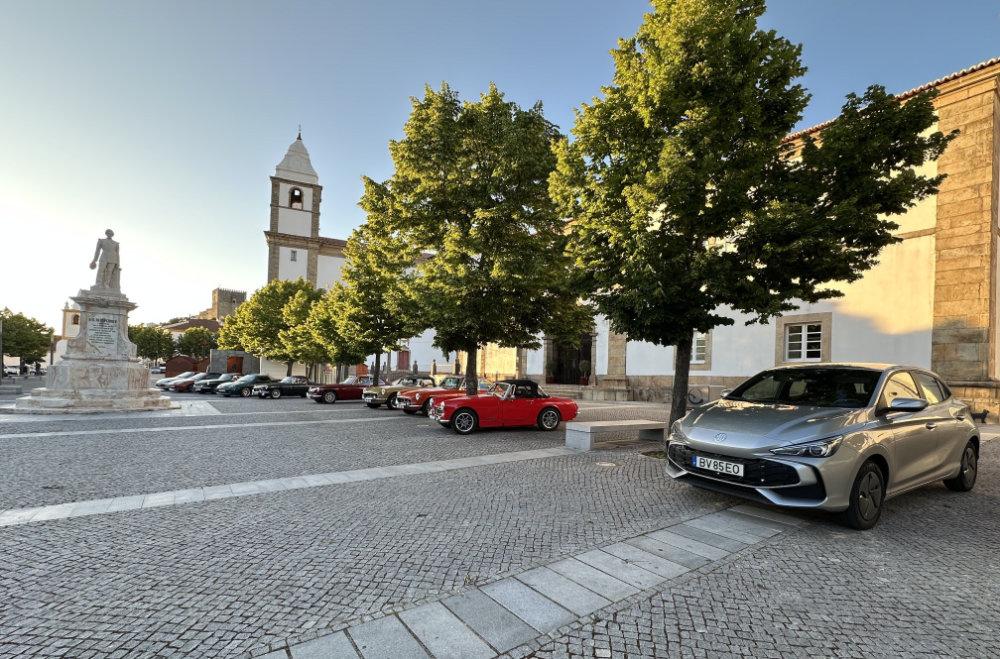
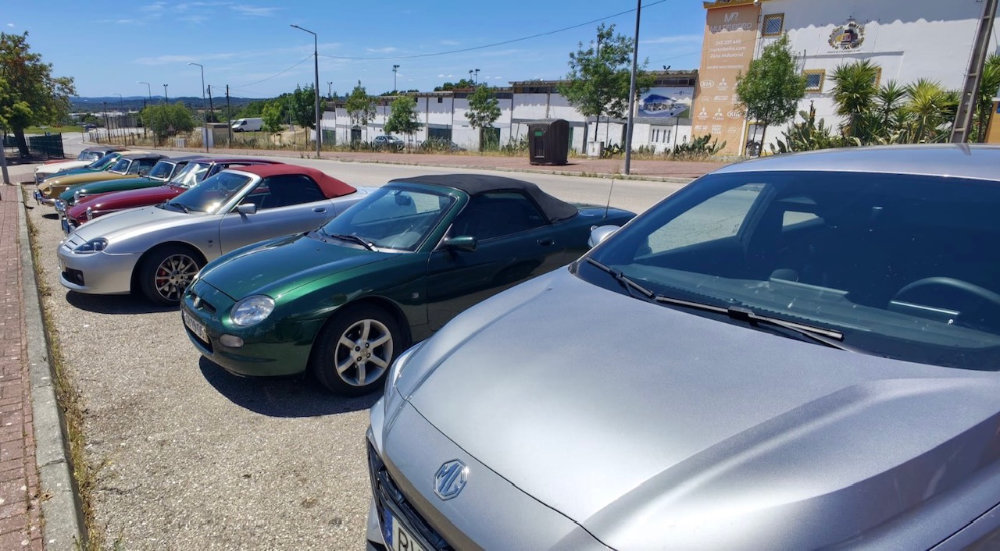
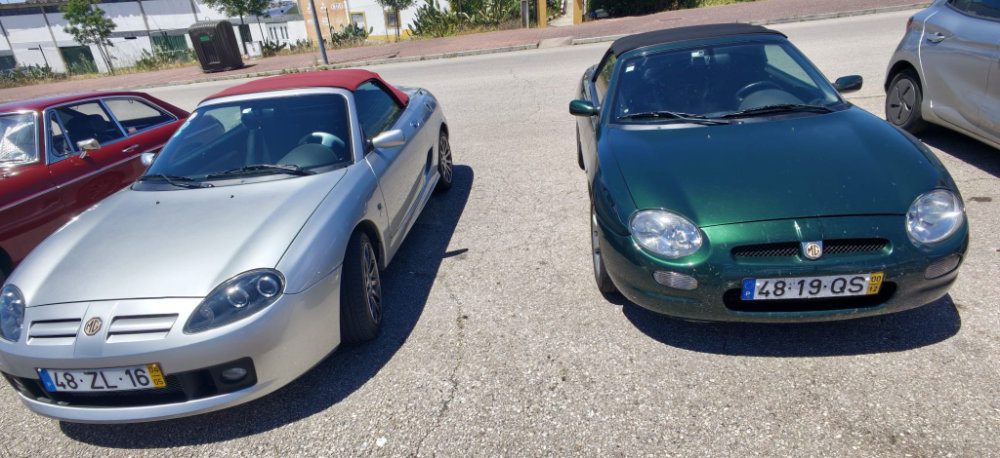
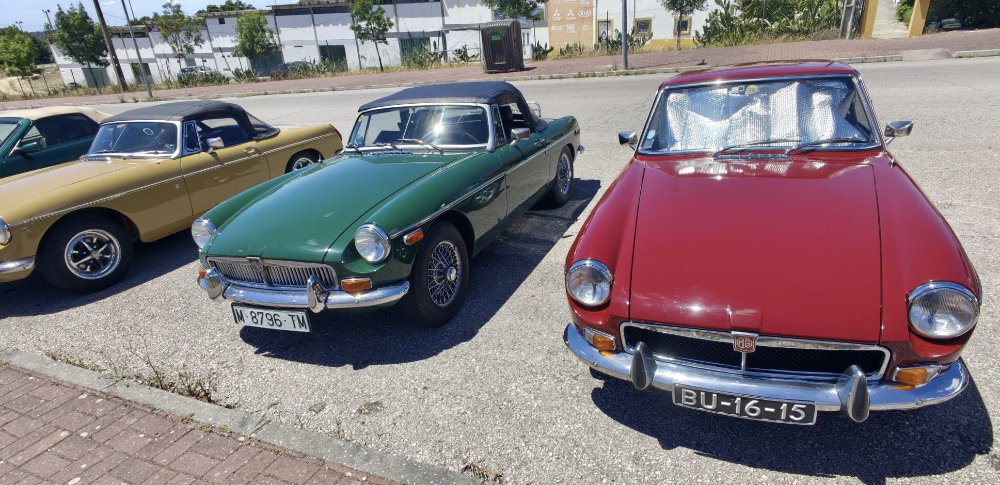
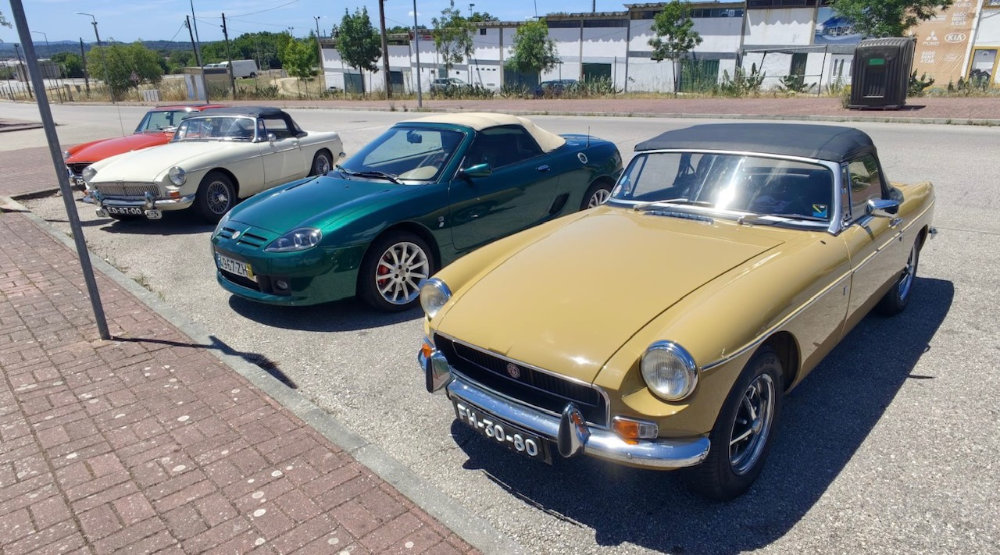
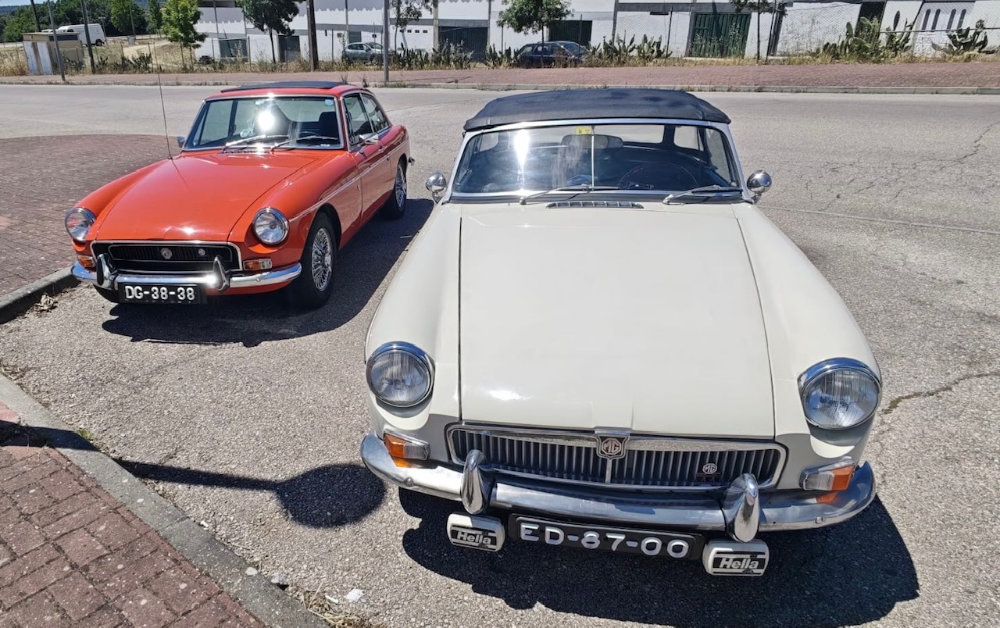
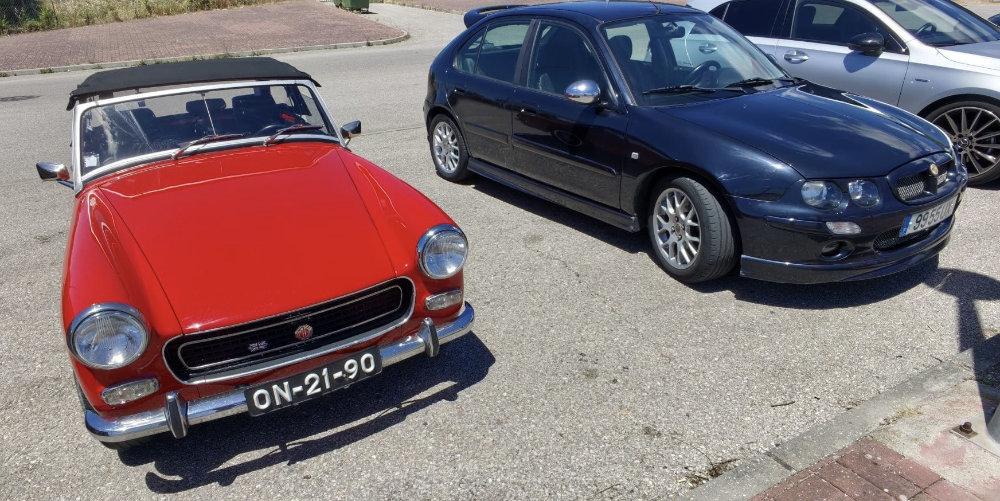
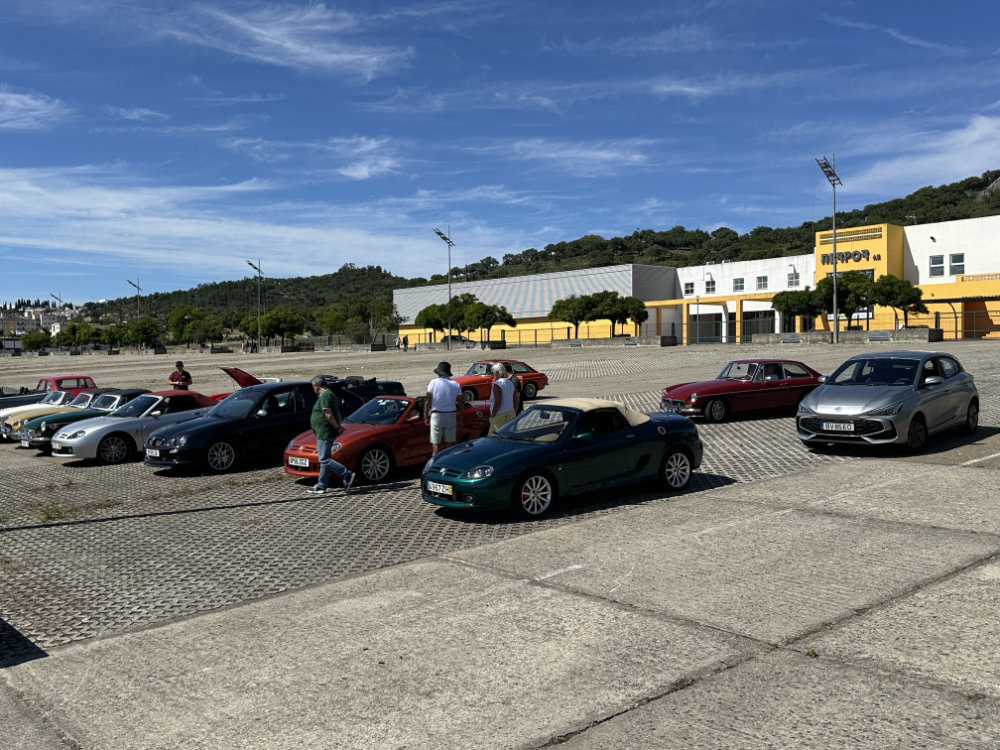
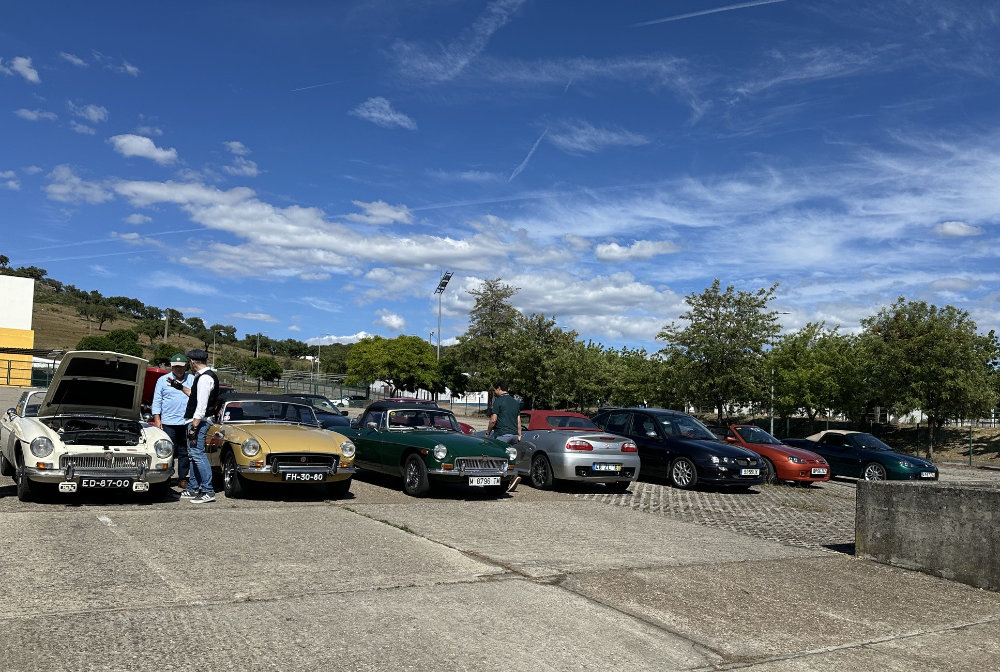
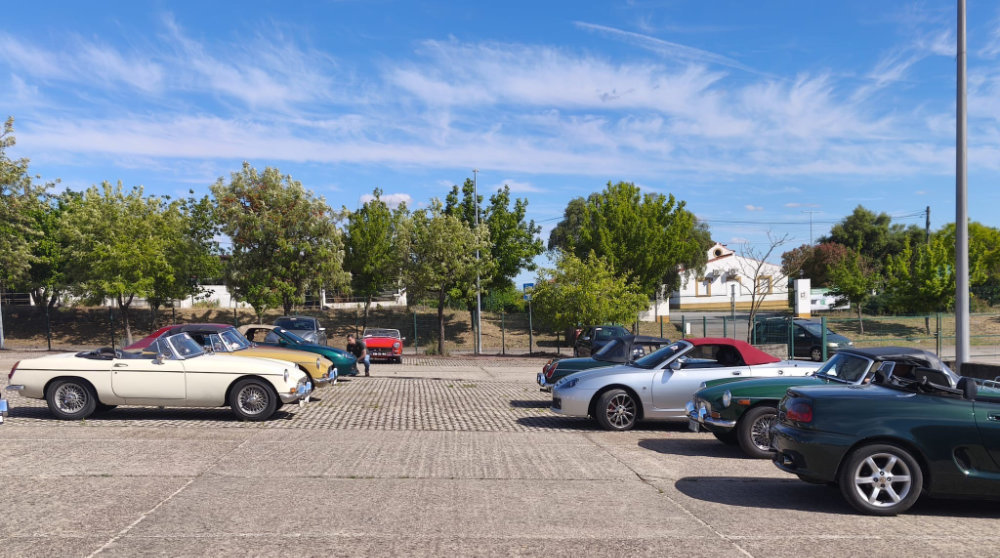
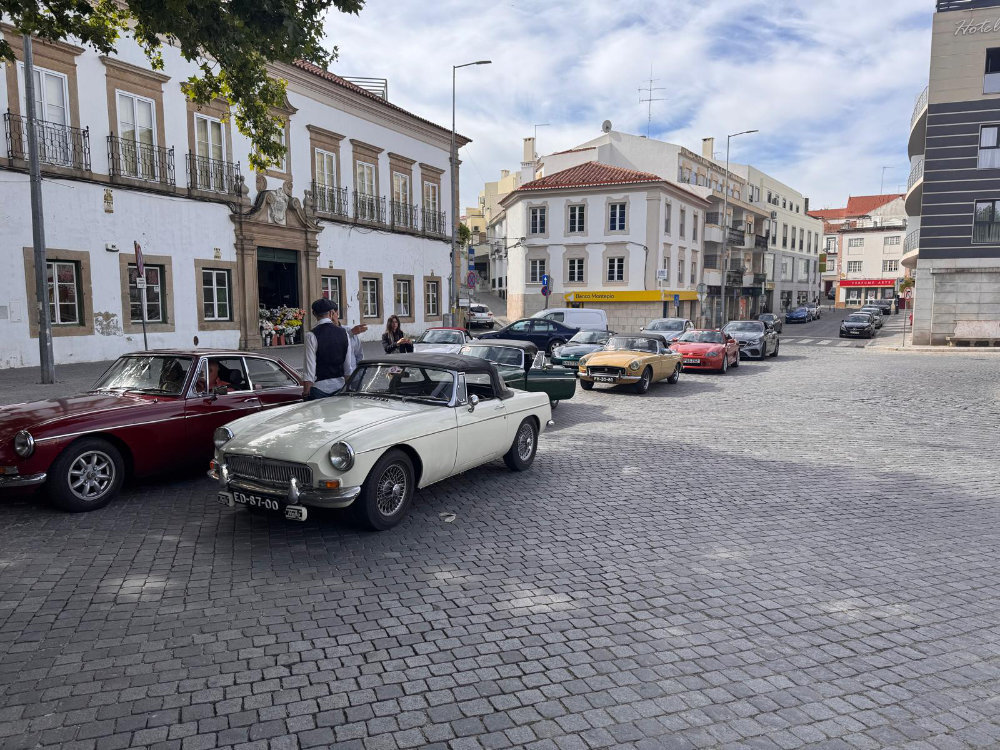
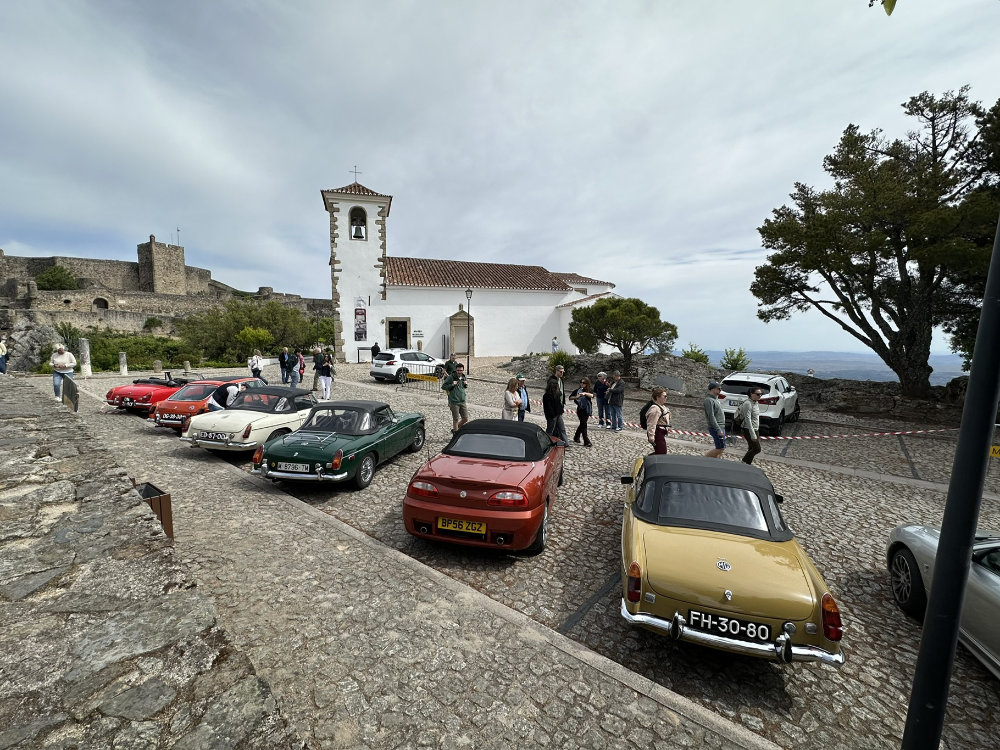
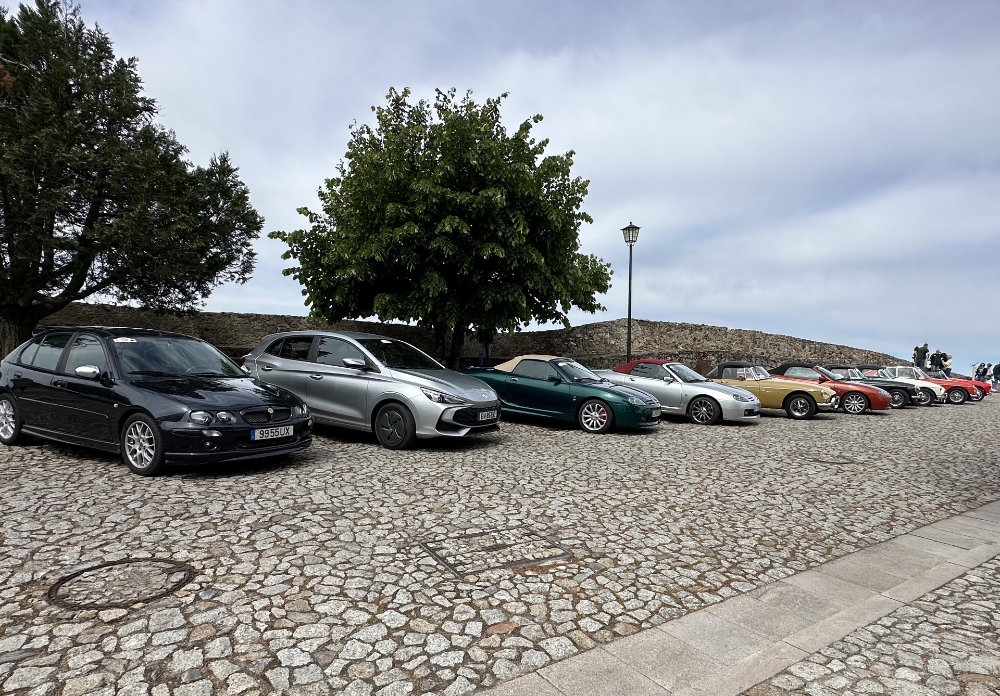
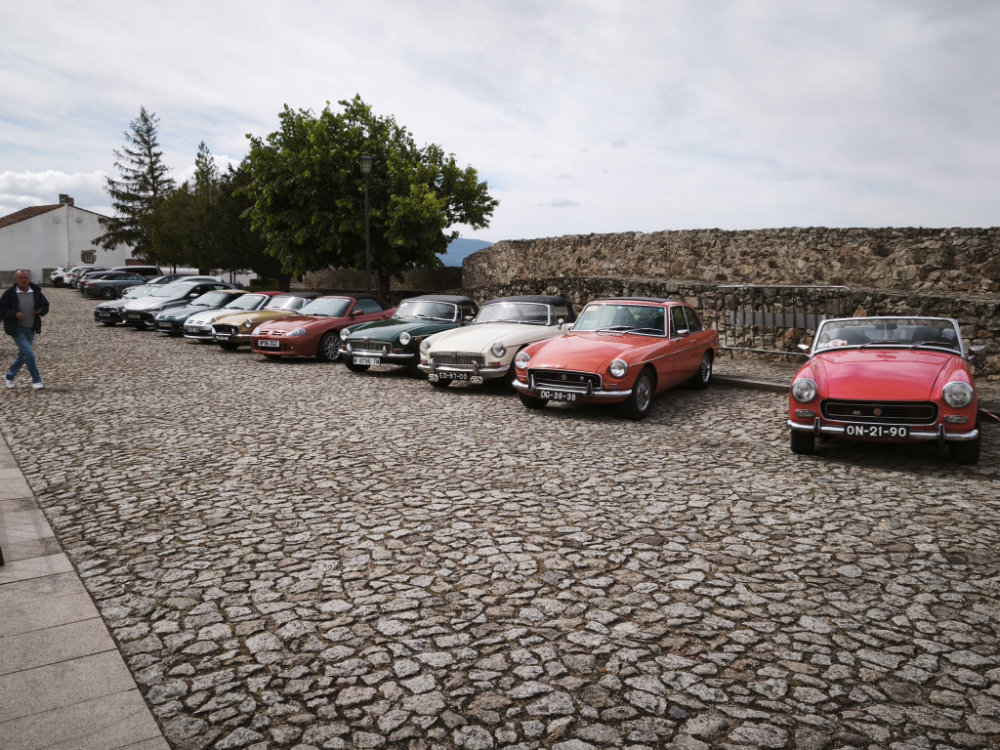
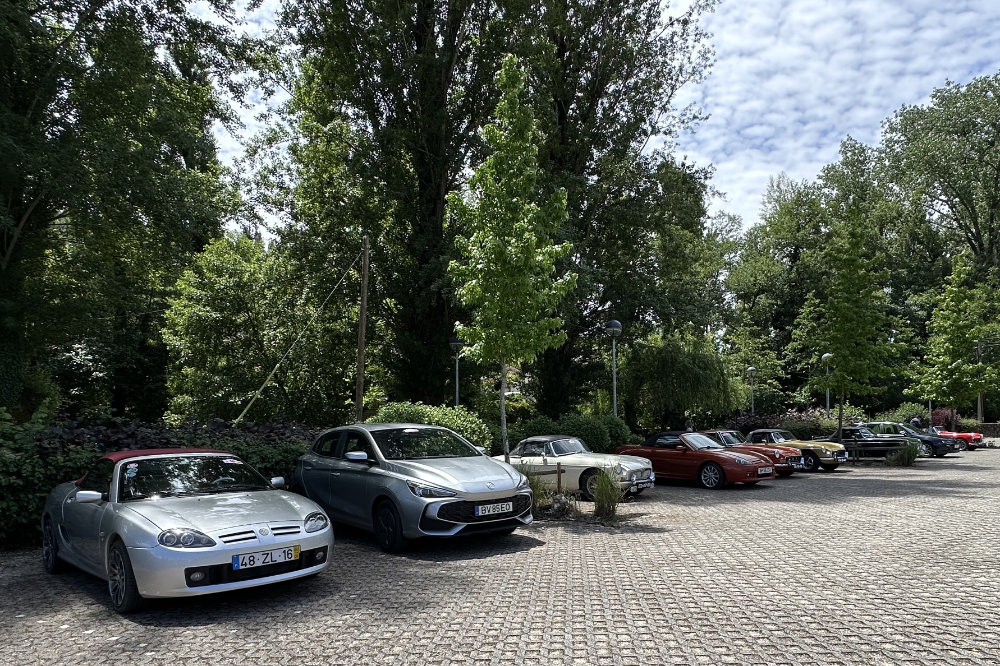
Participants began arriving on Friday morning and parked their MGs in Praça João José da Luz, where they remained on display throughout the afternoon, attracting many curious visitors with the variety of models present: MGB, MGB GT, MG Midget, MG TF, MG 3 and MG ZR.
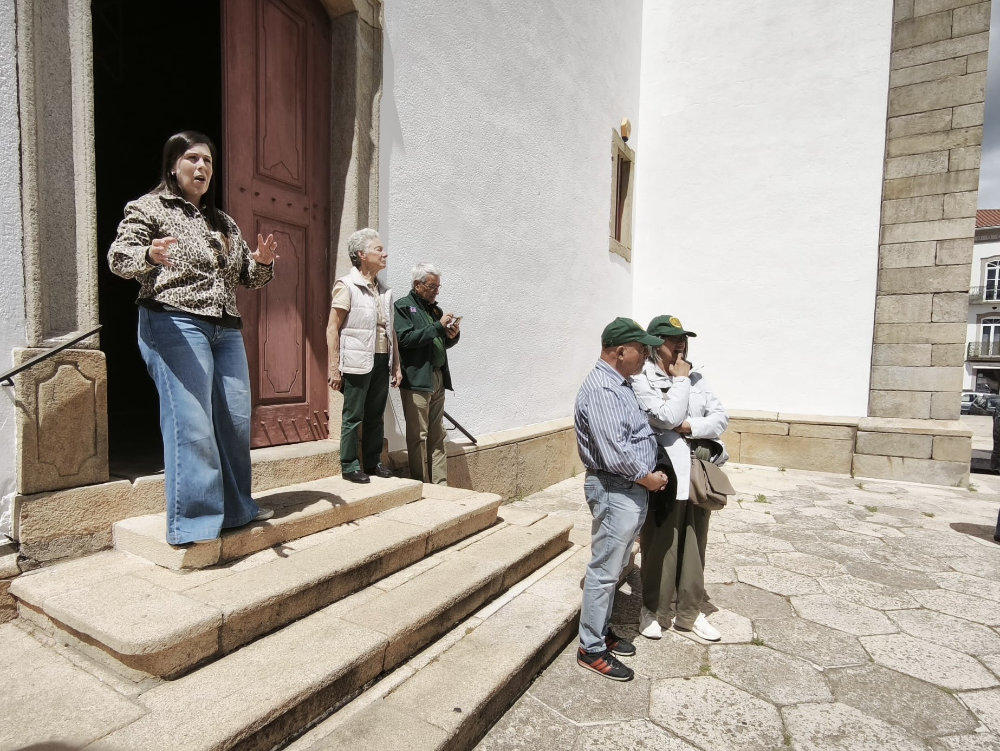
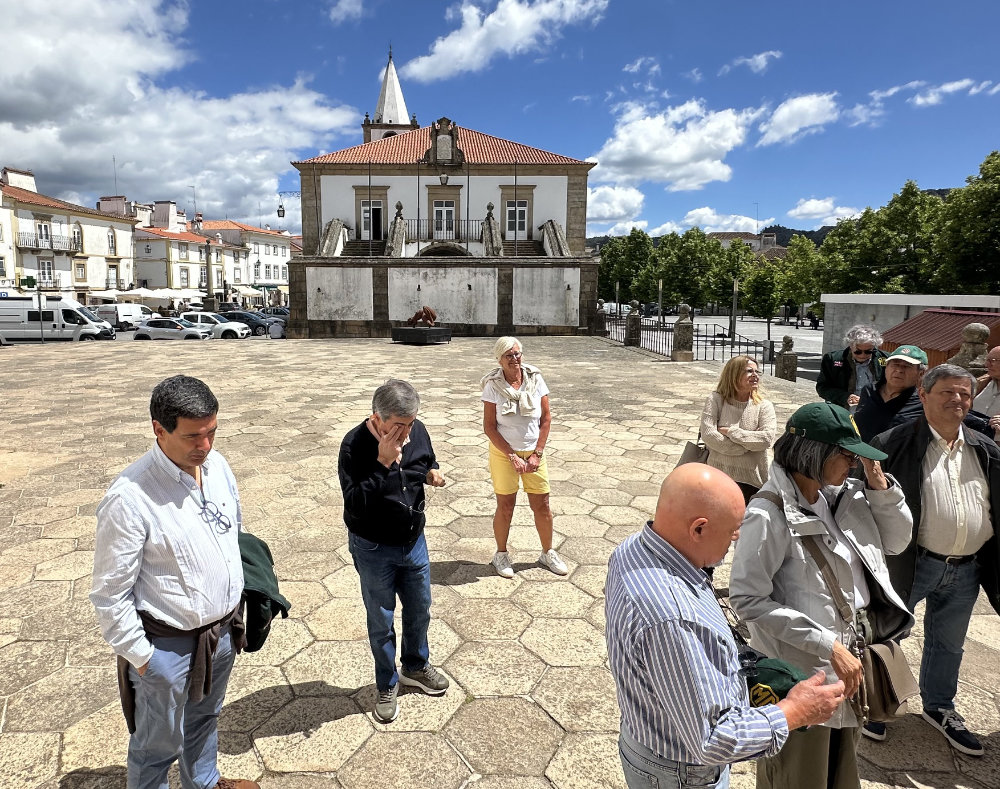
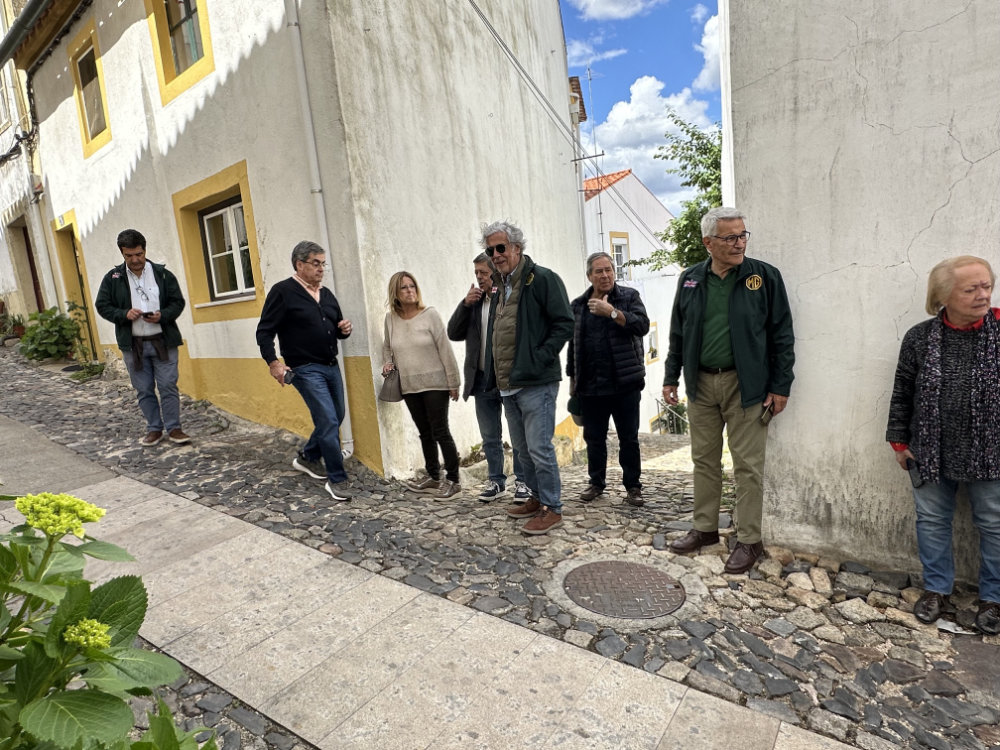
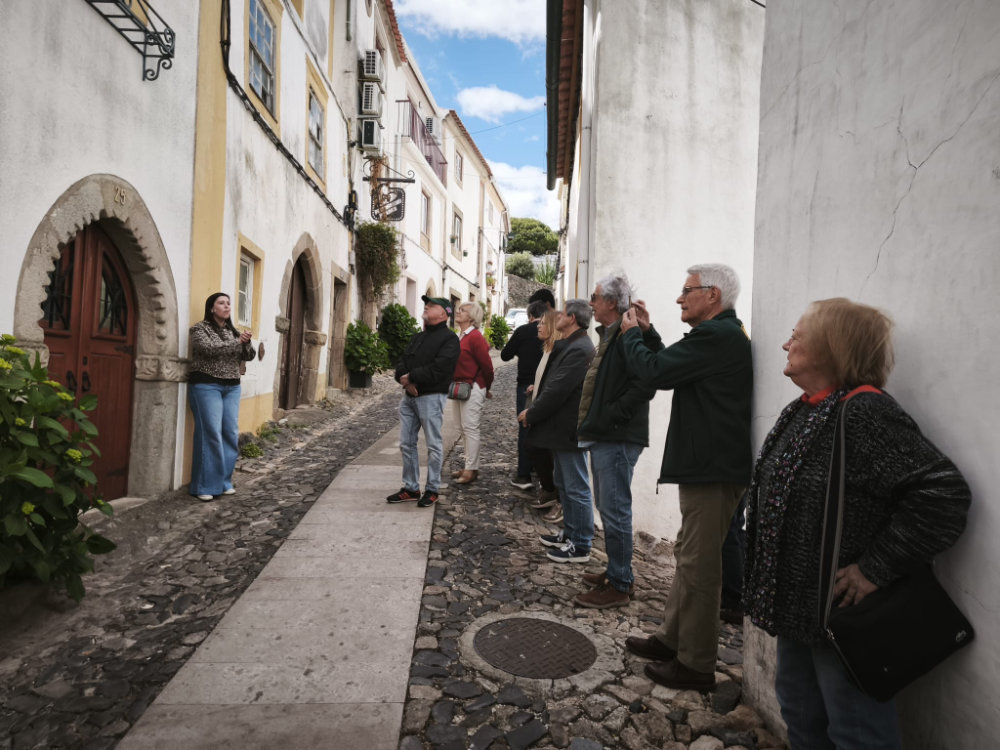
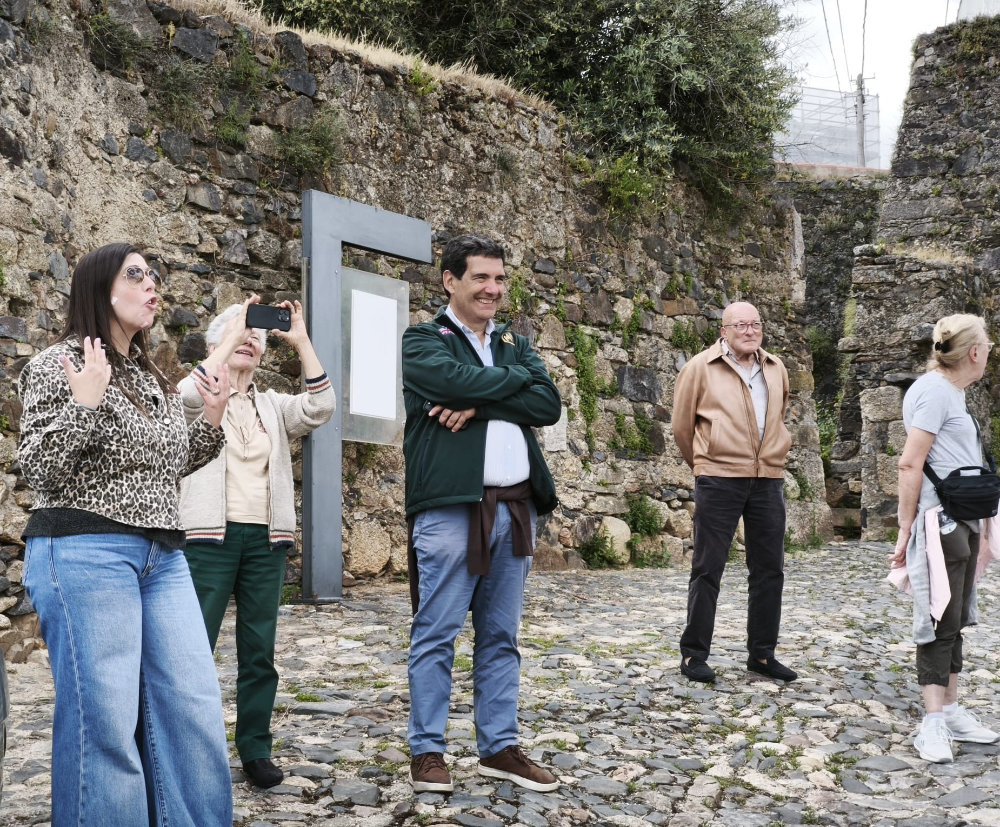
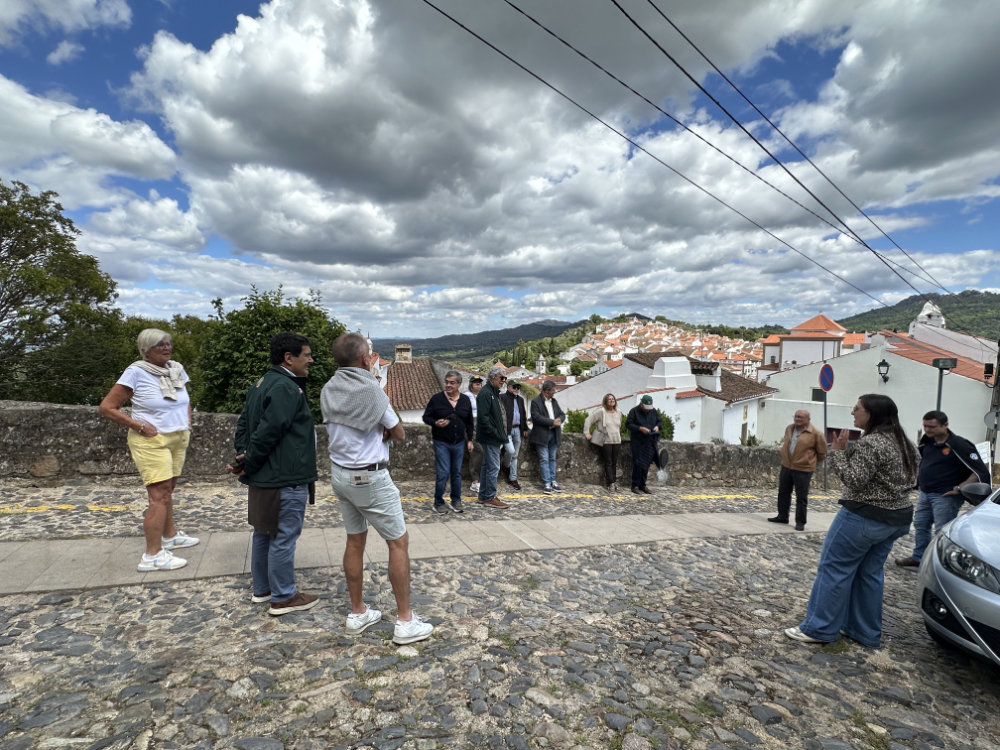
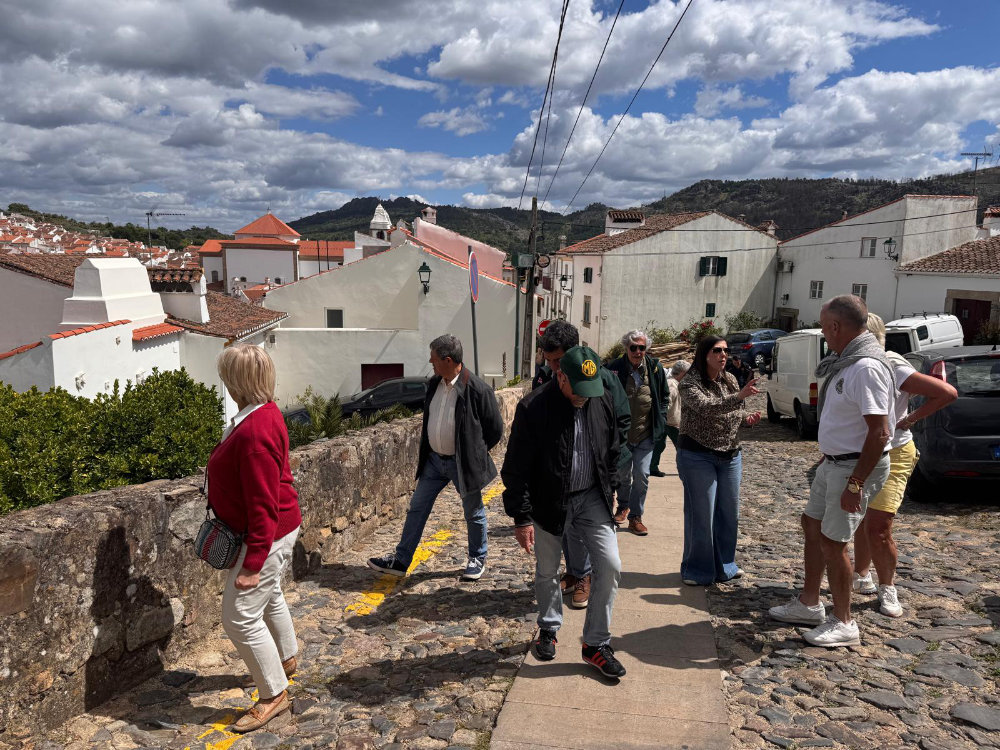
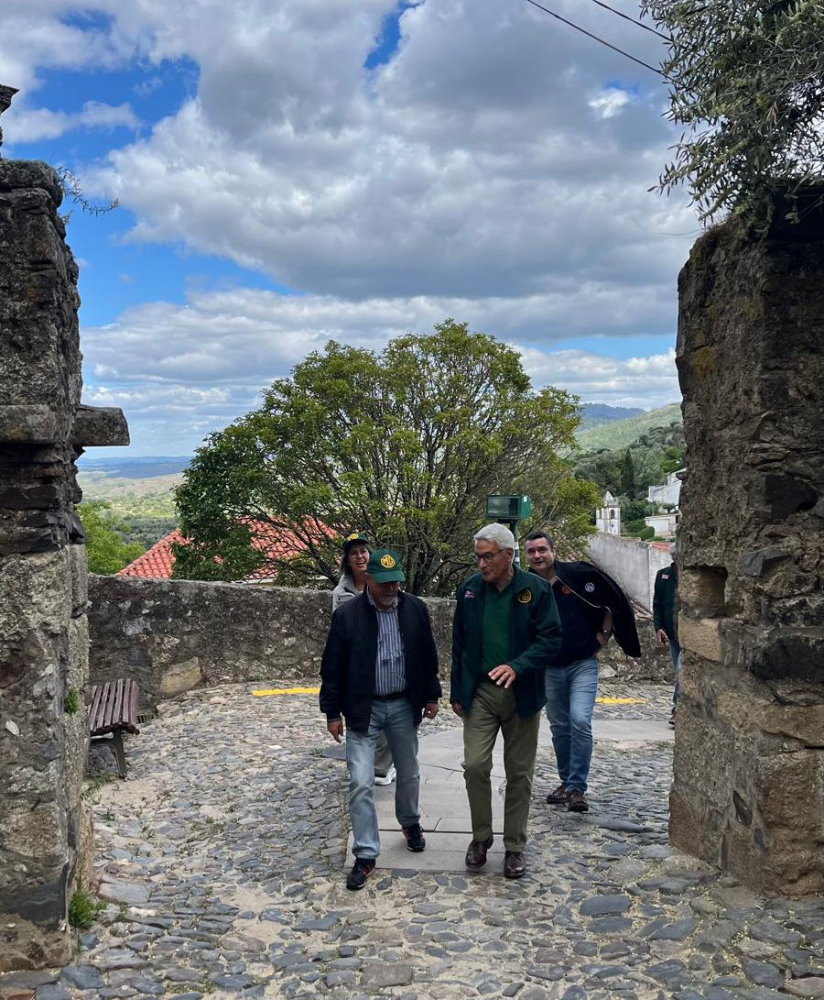
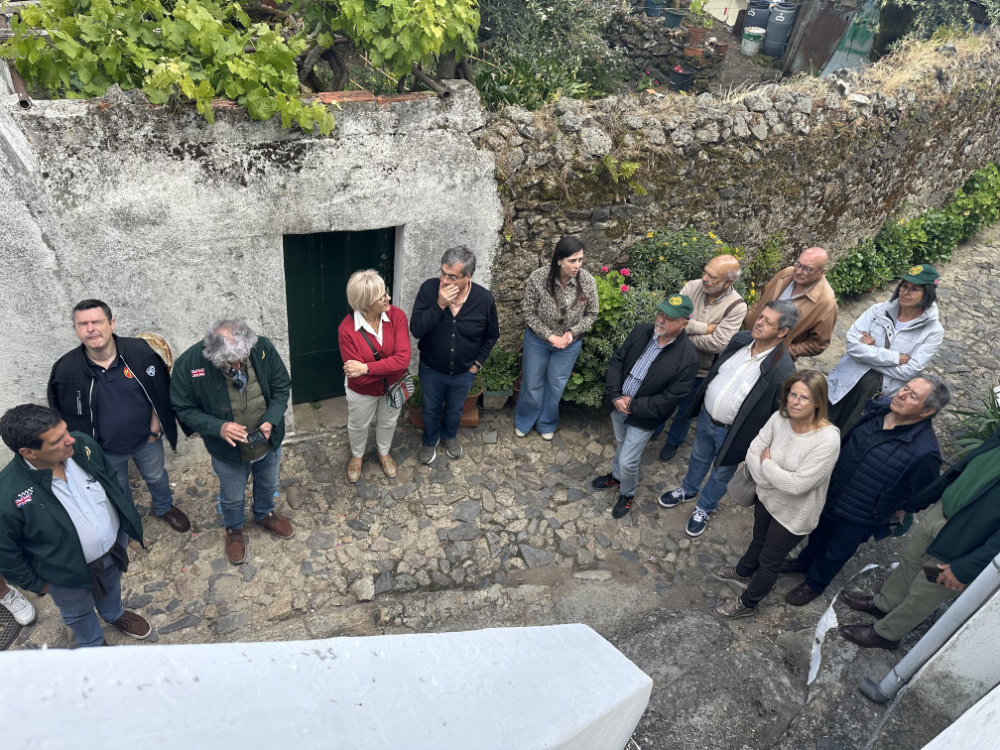
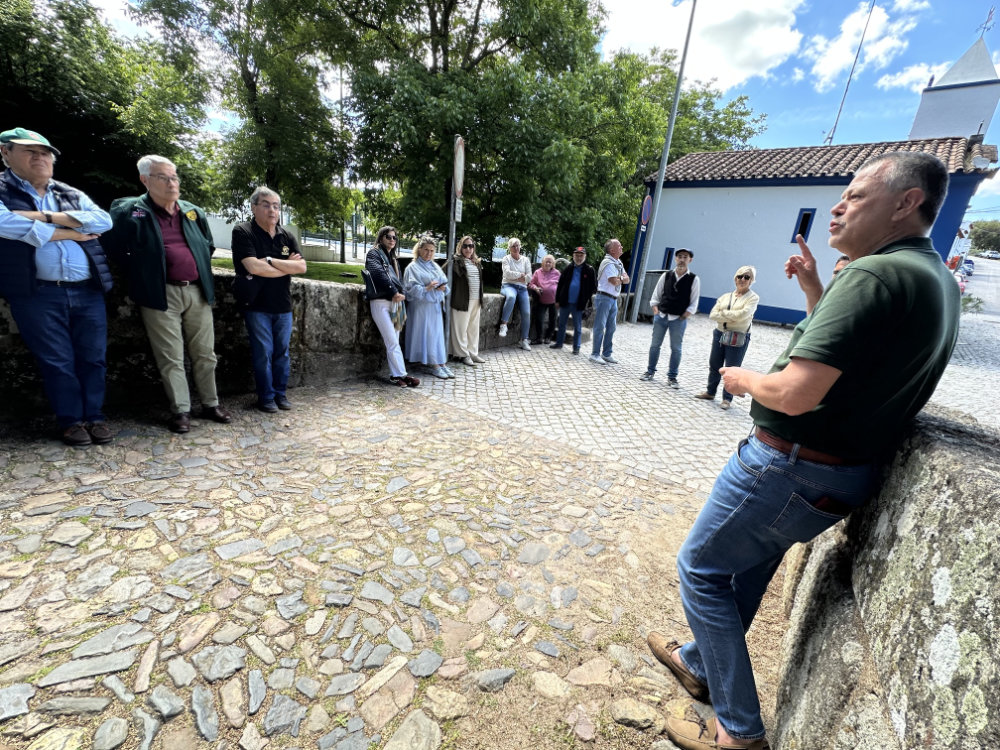
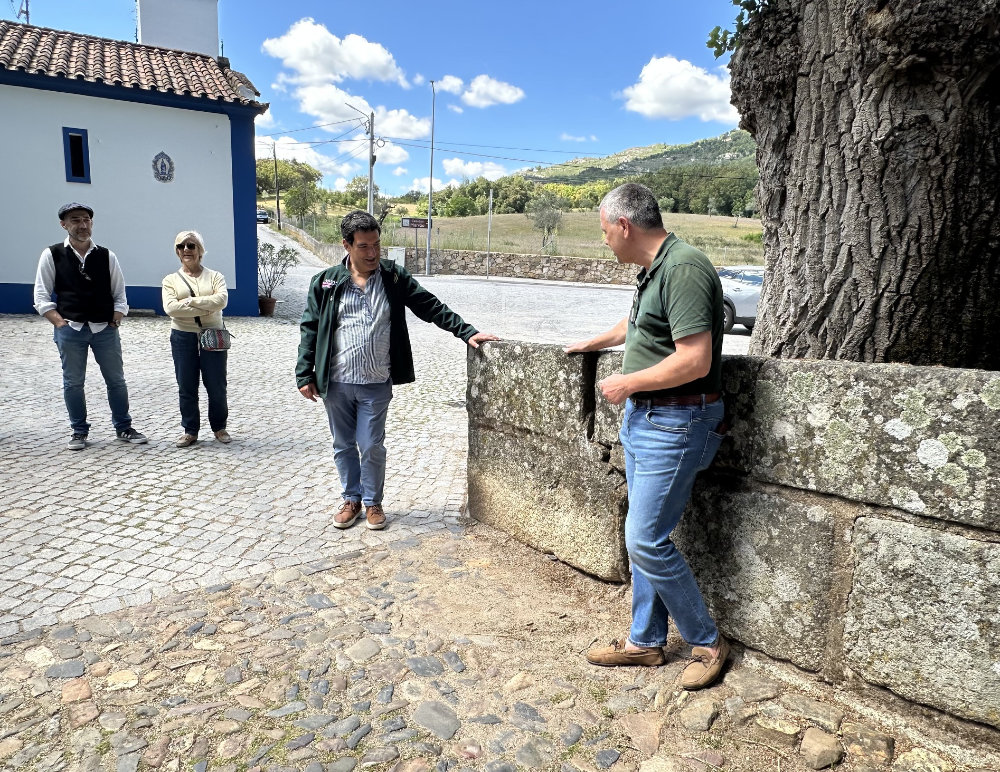
Susana Machado, from Castelo de Vide Tourism Office, guided the group on an excellent tour of the town’s main attractions — the “Sintra of Alentejo”, as King Pedro V once called it.
Historic Centre of Castelo de Vide
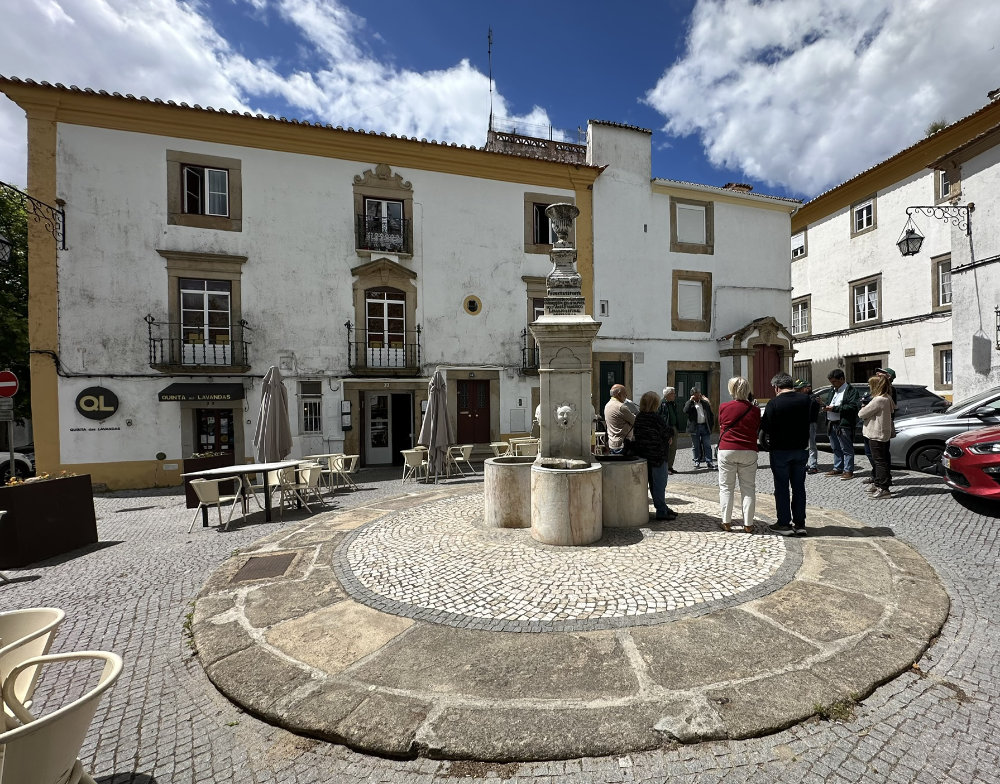
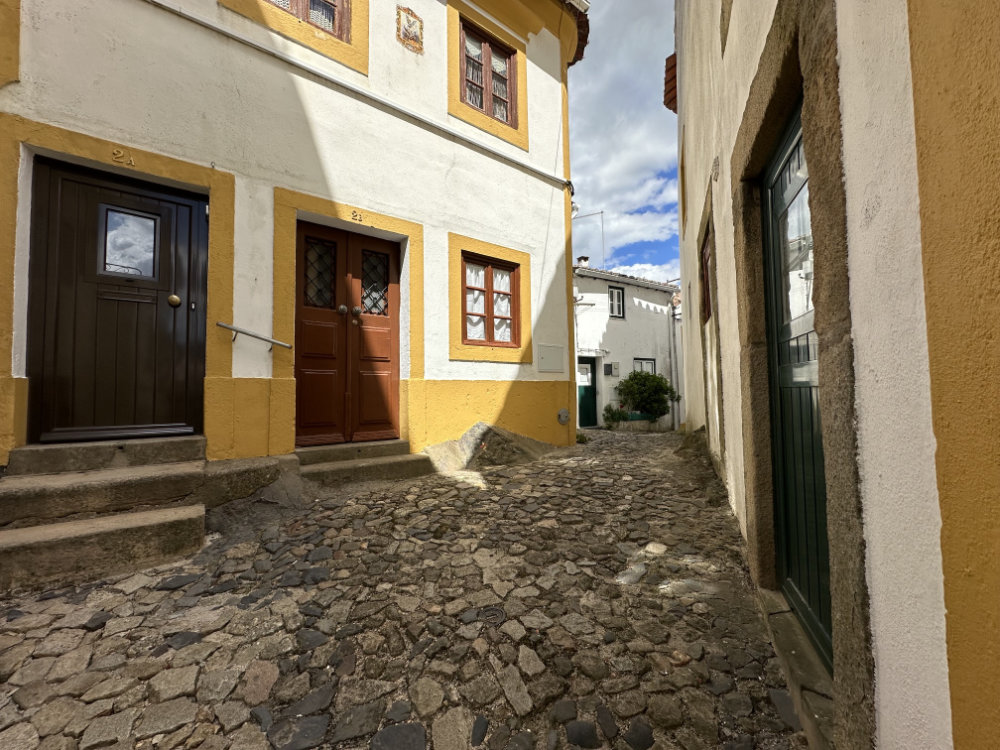
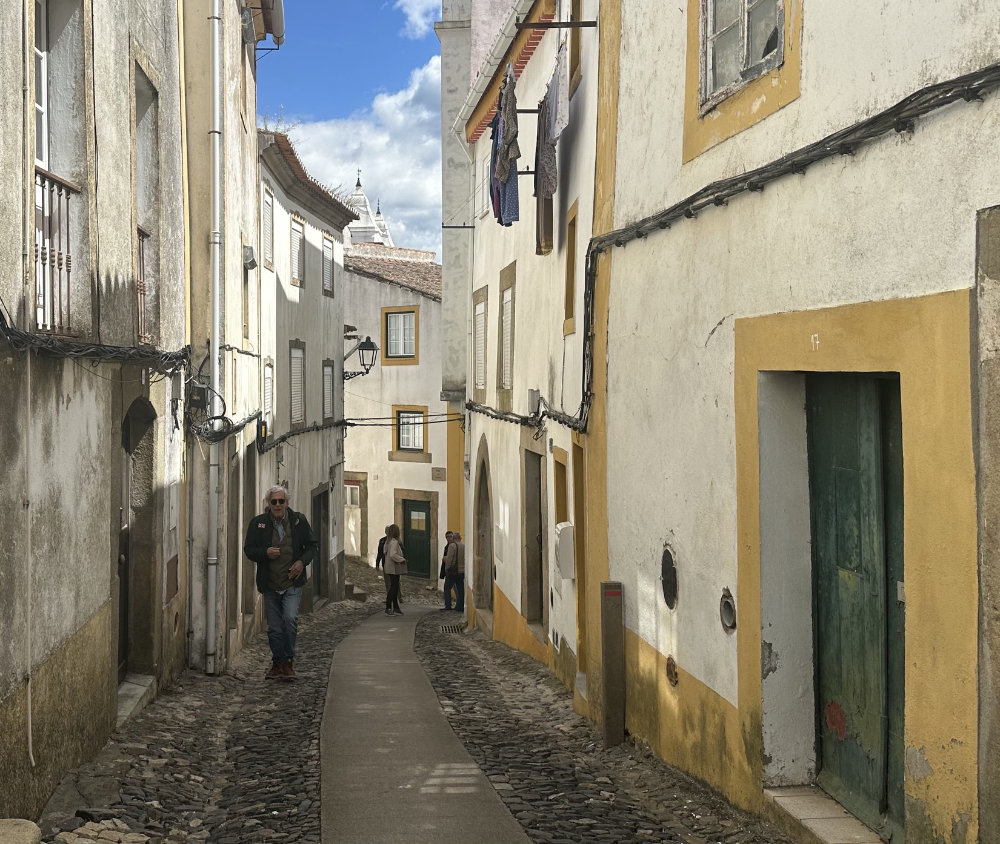
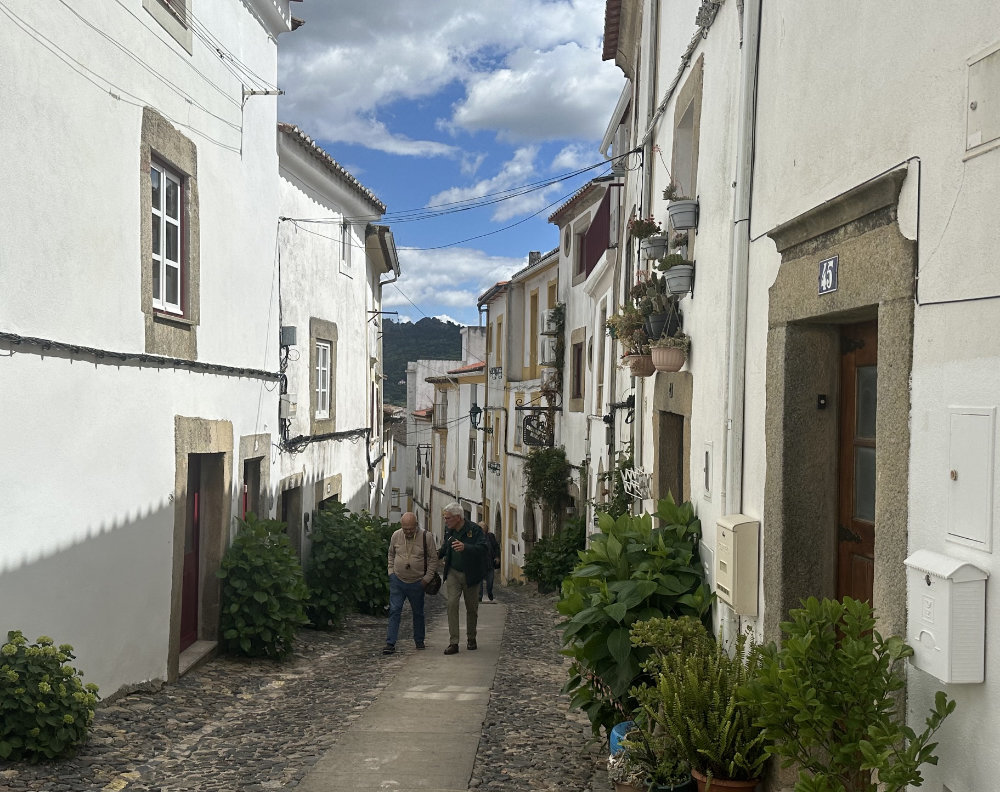
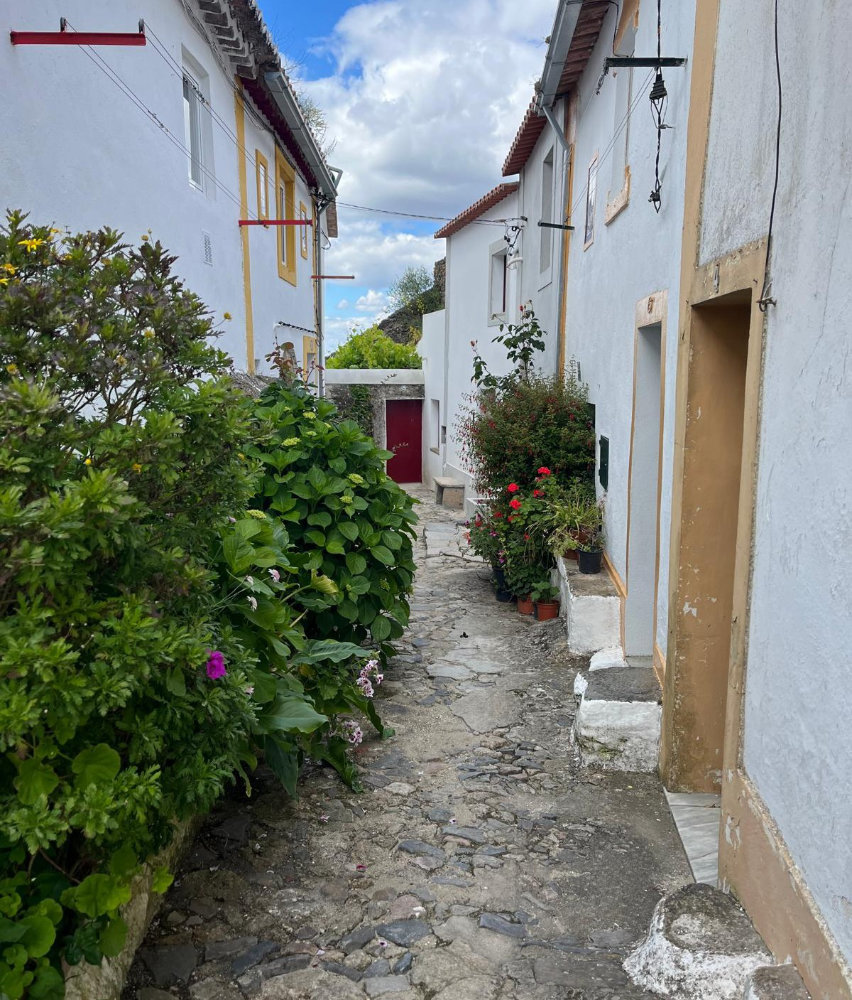
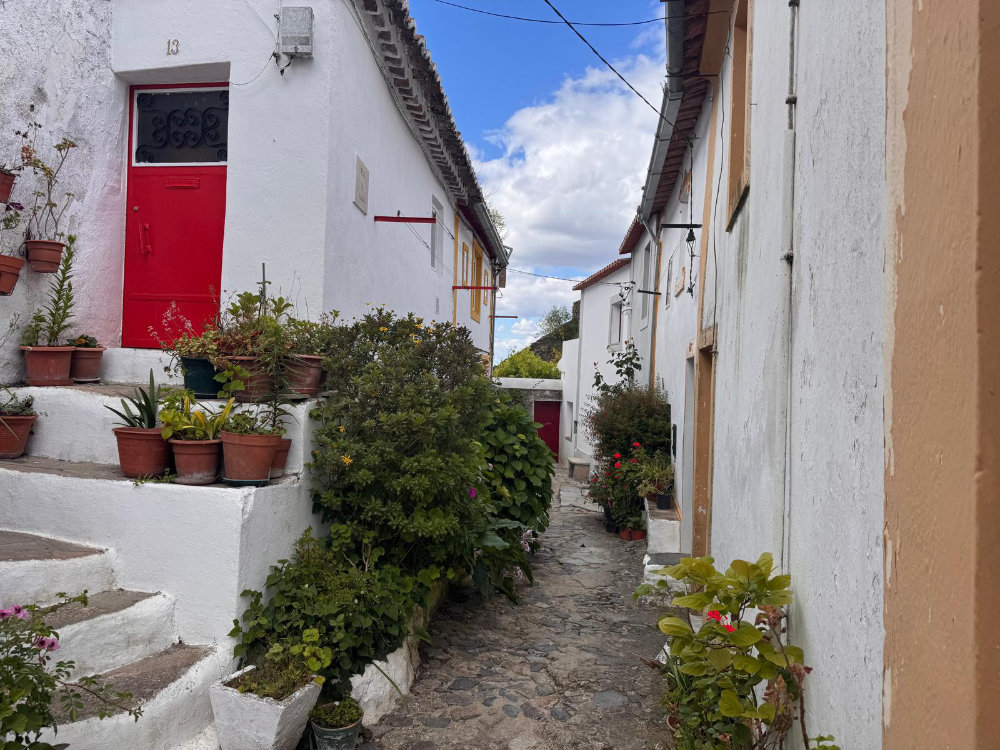
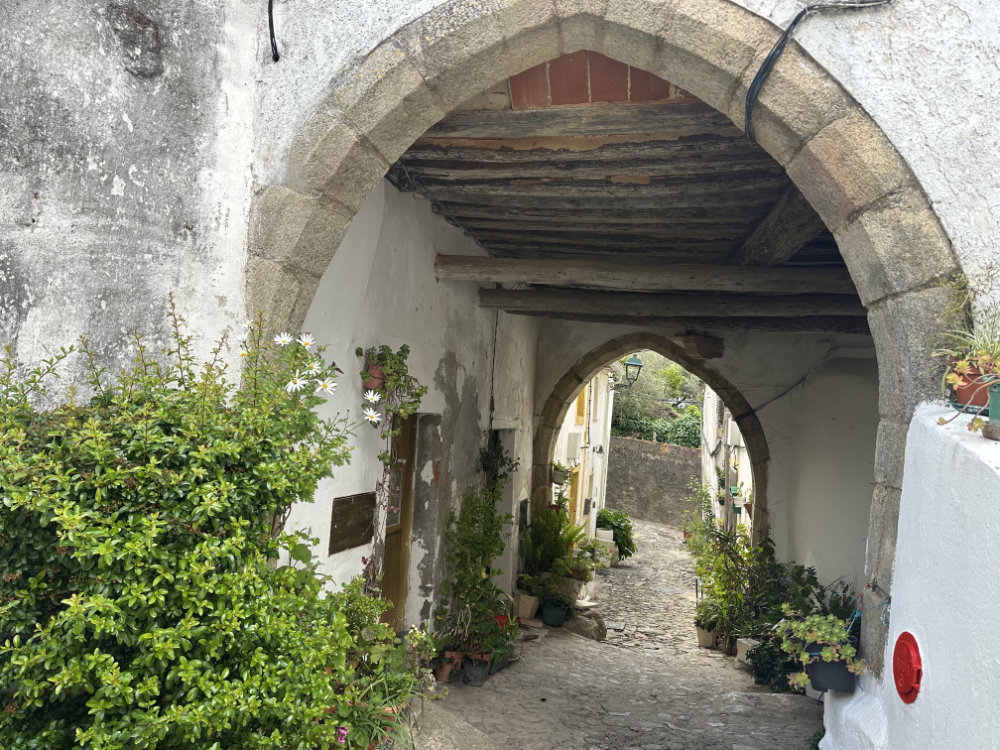
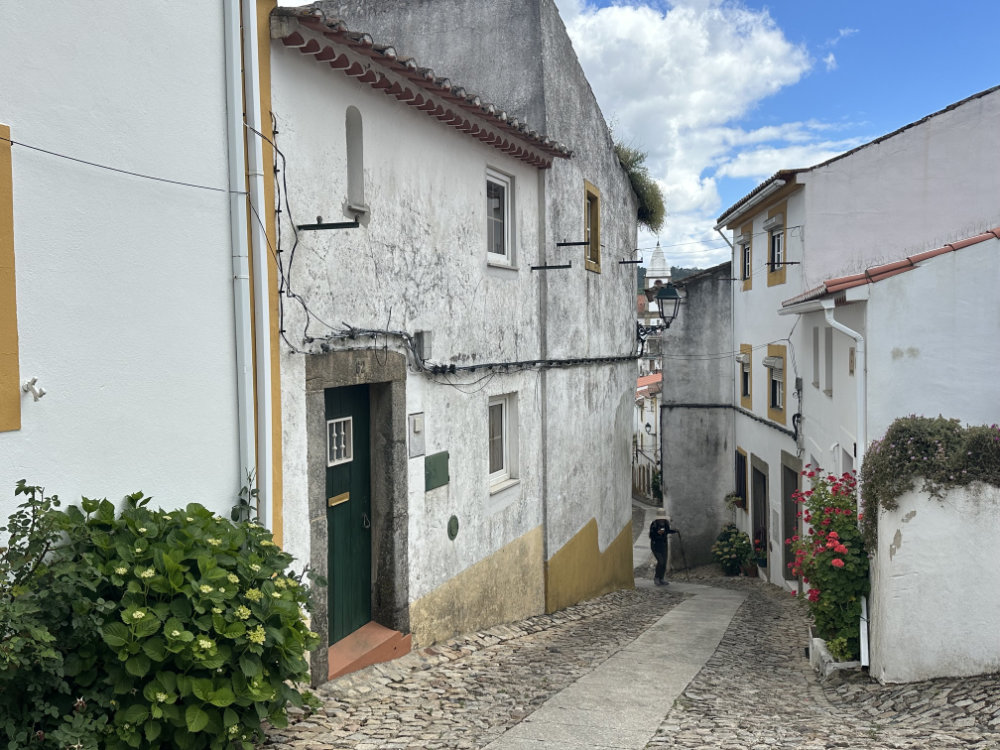
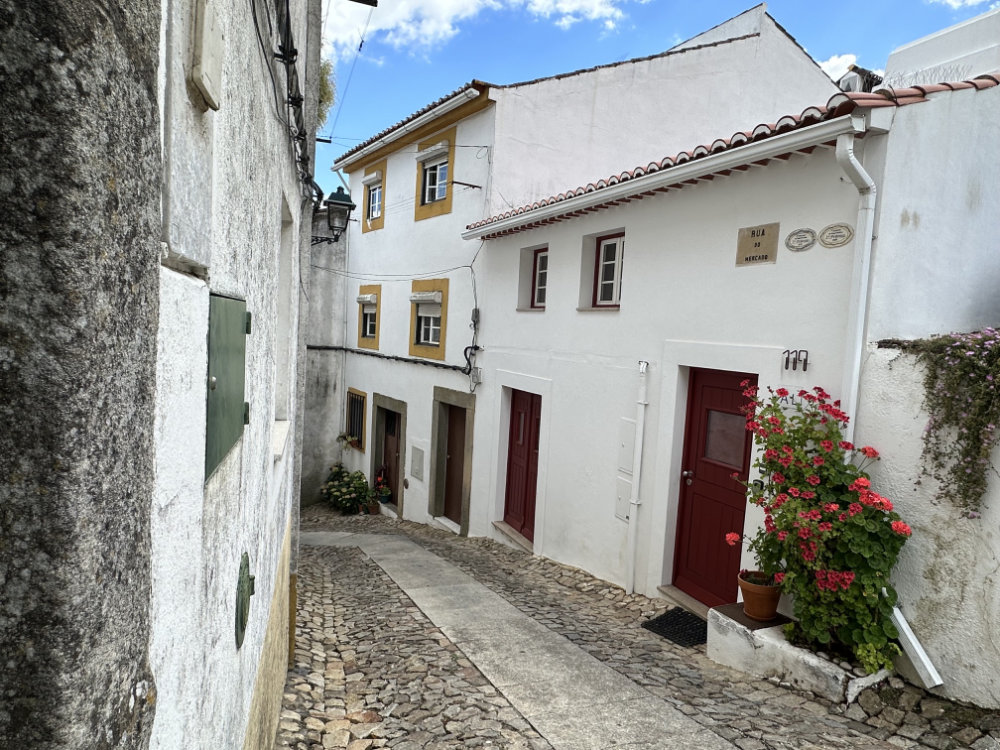
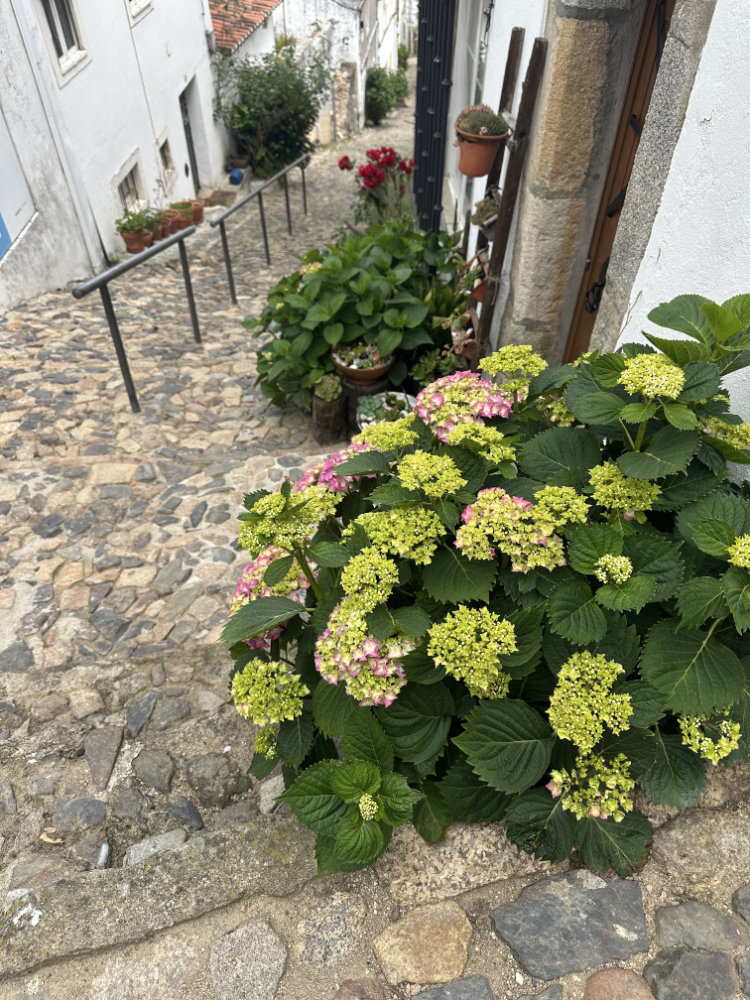
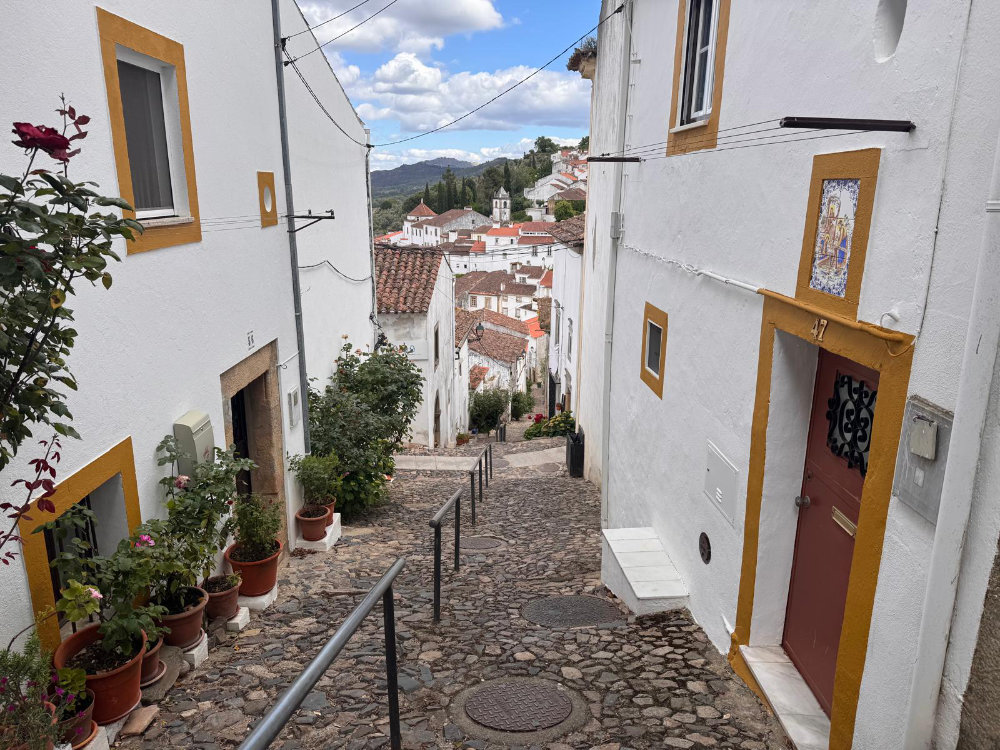
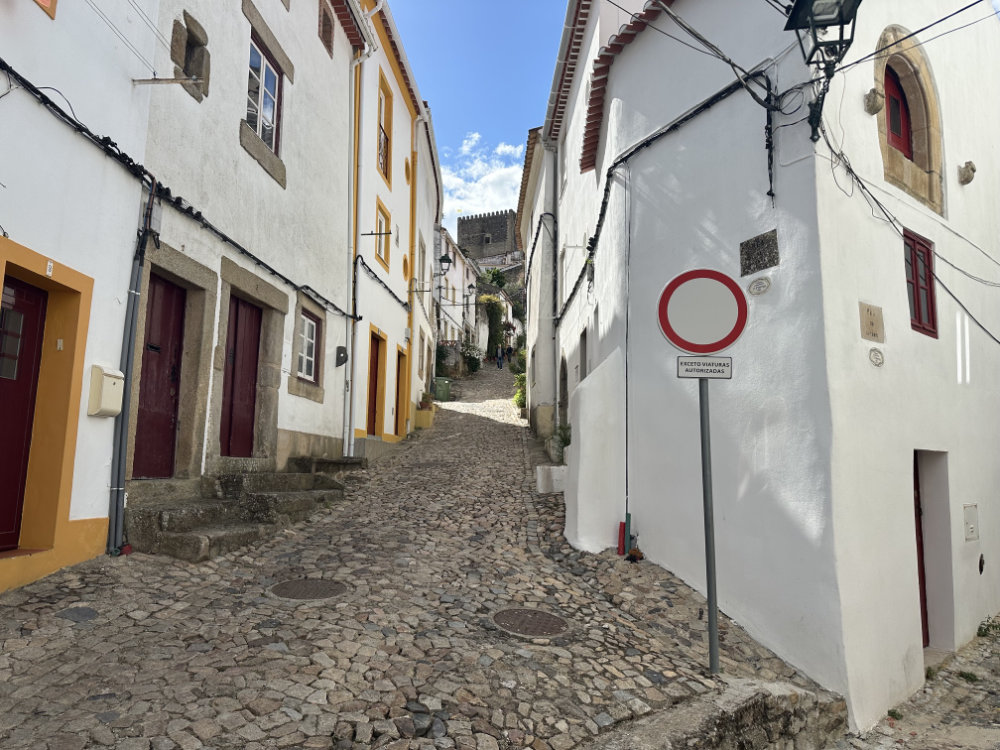
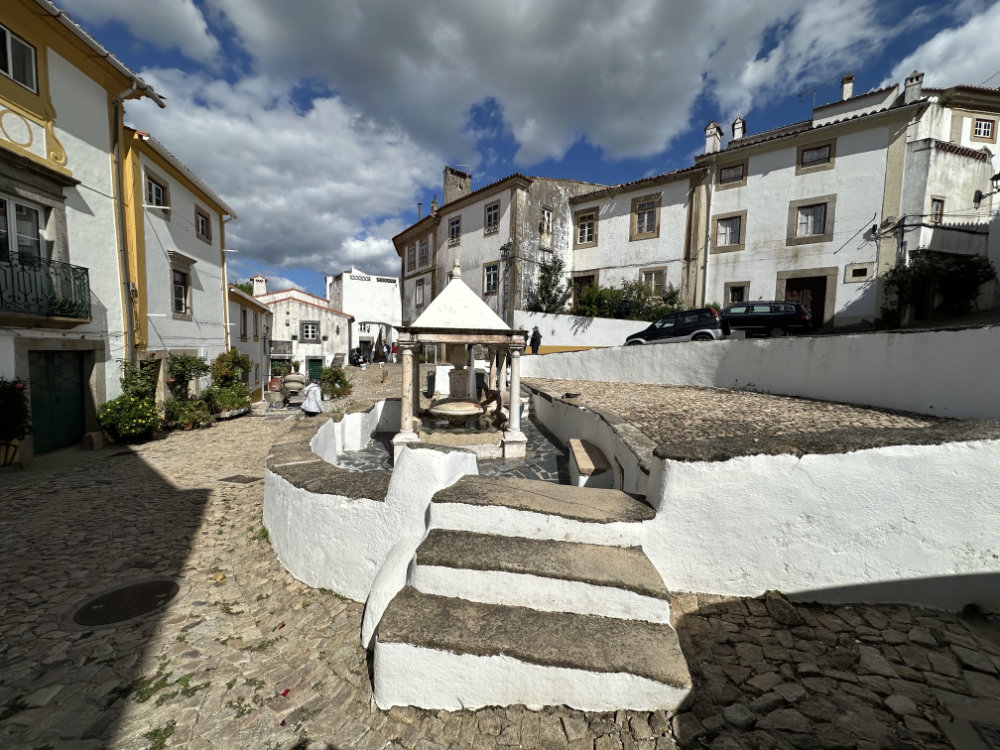
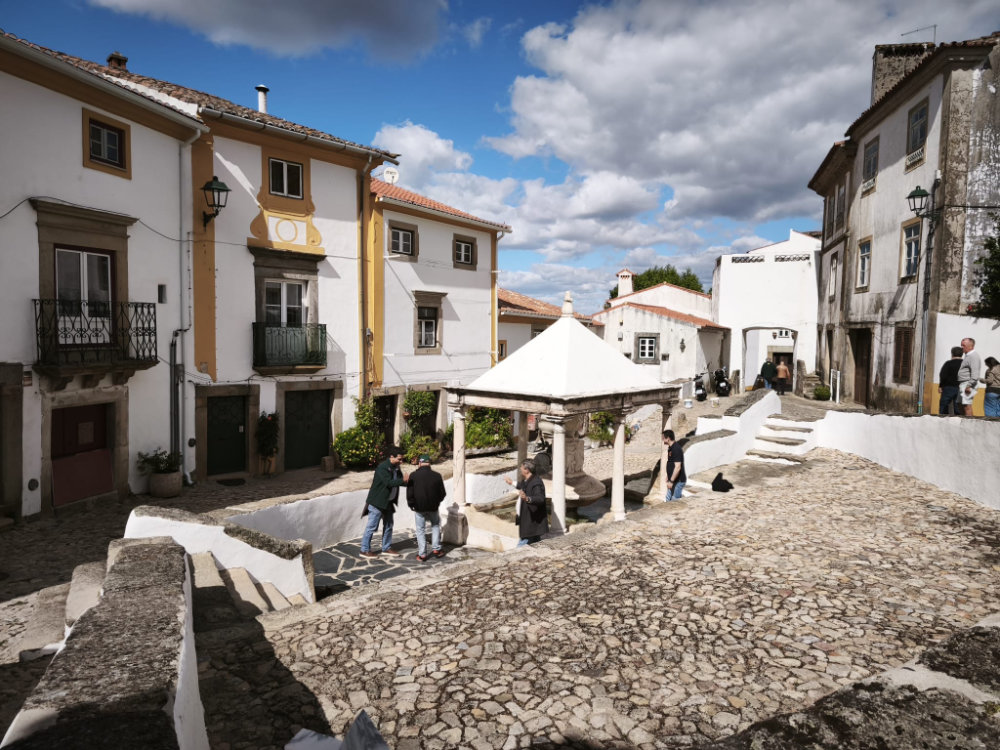
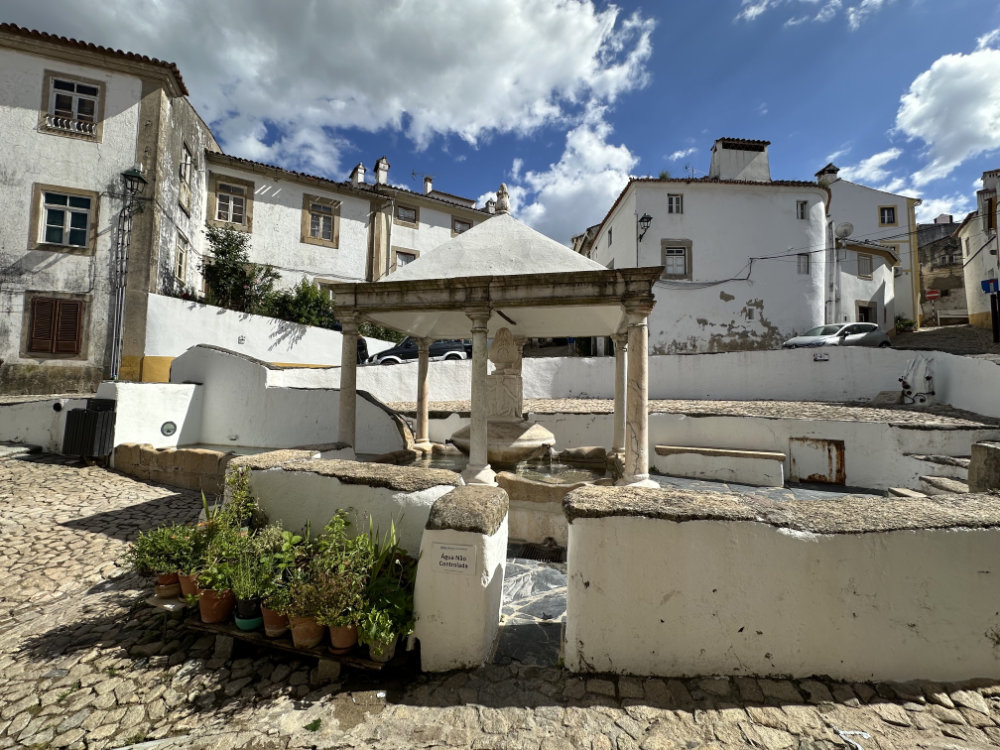
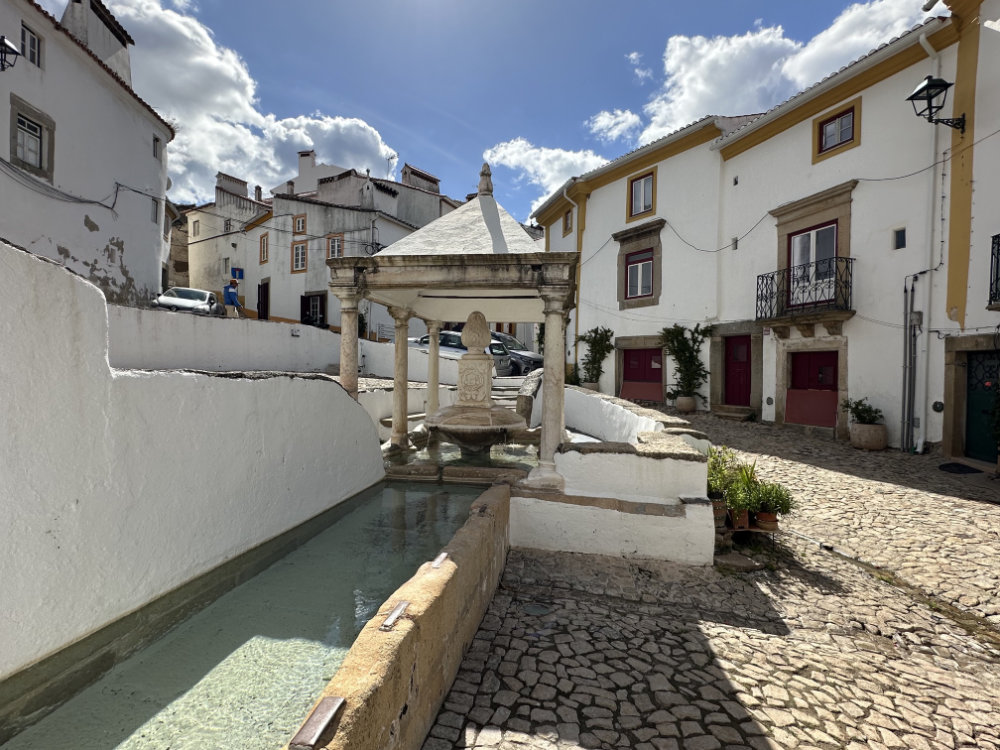
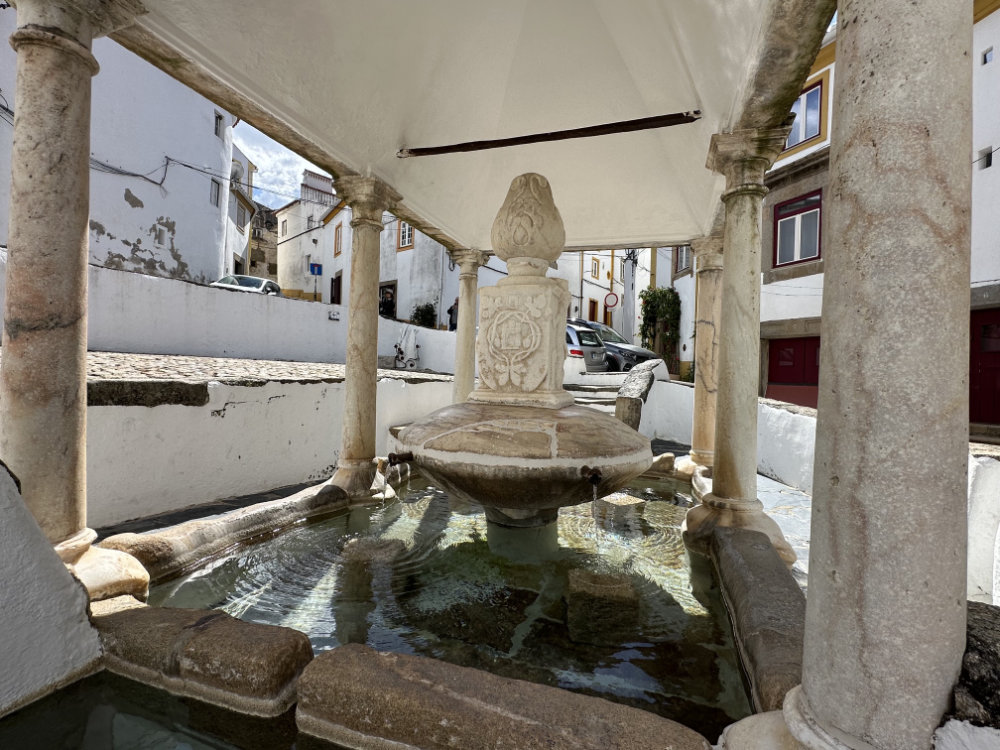
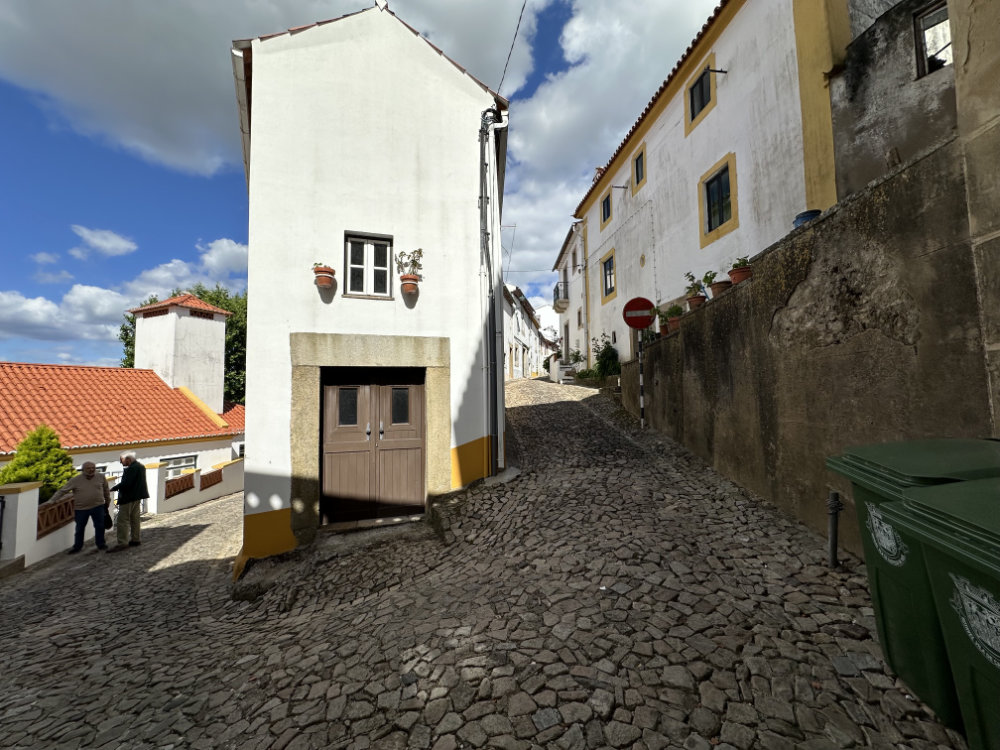
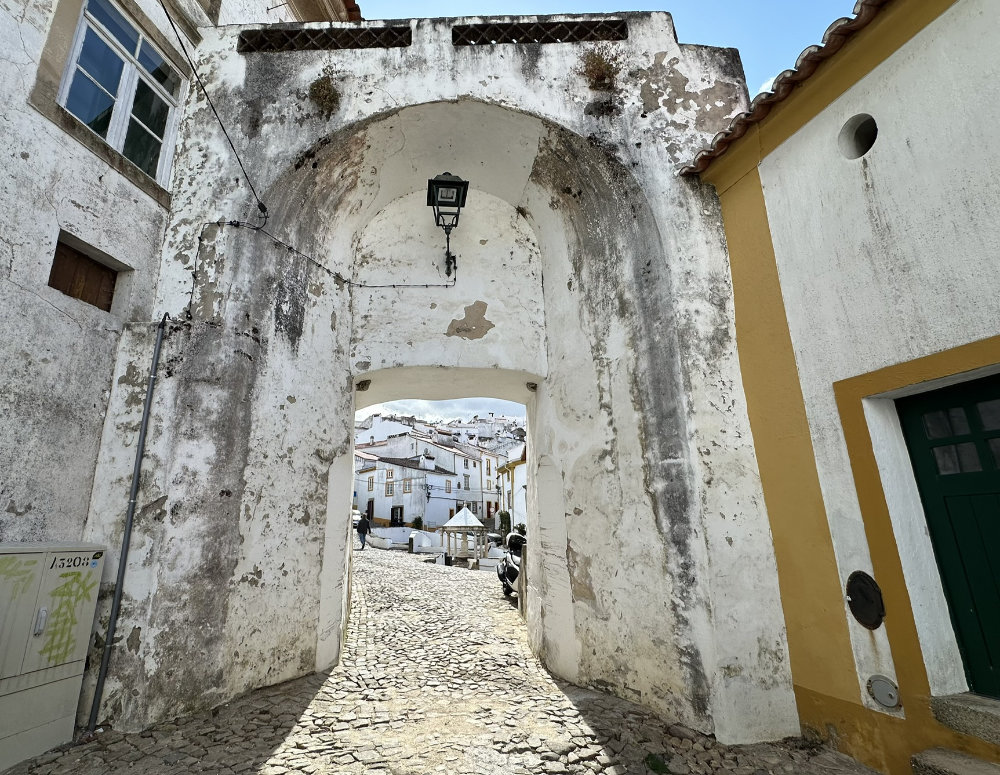
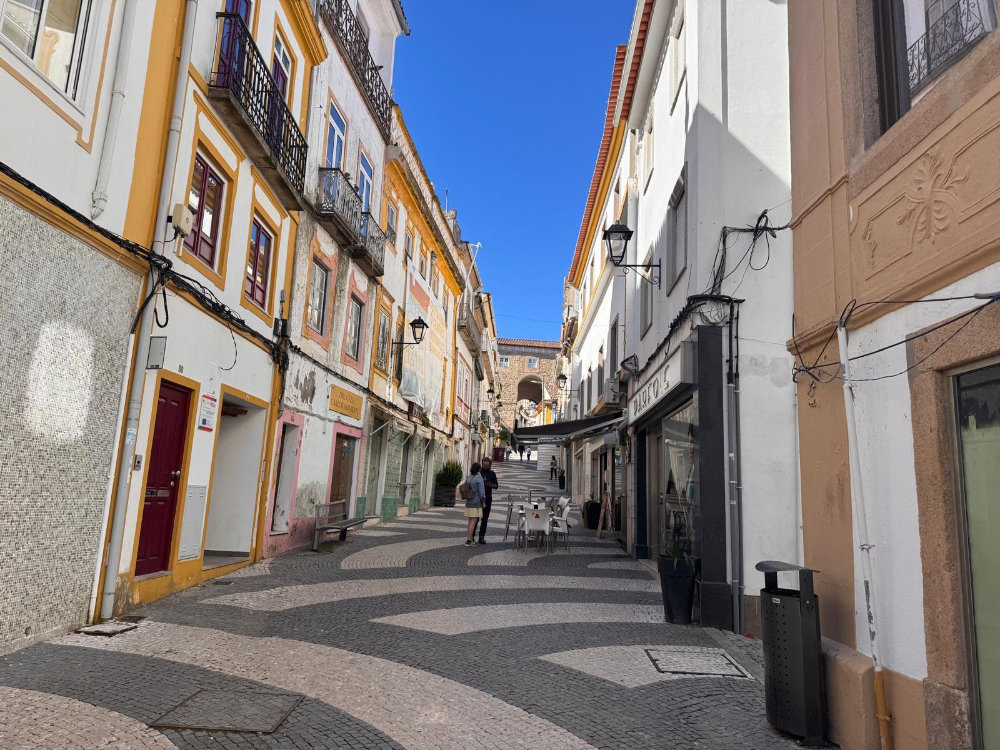
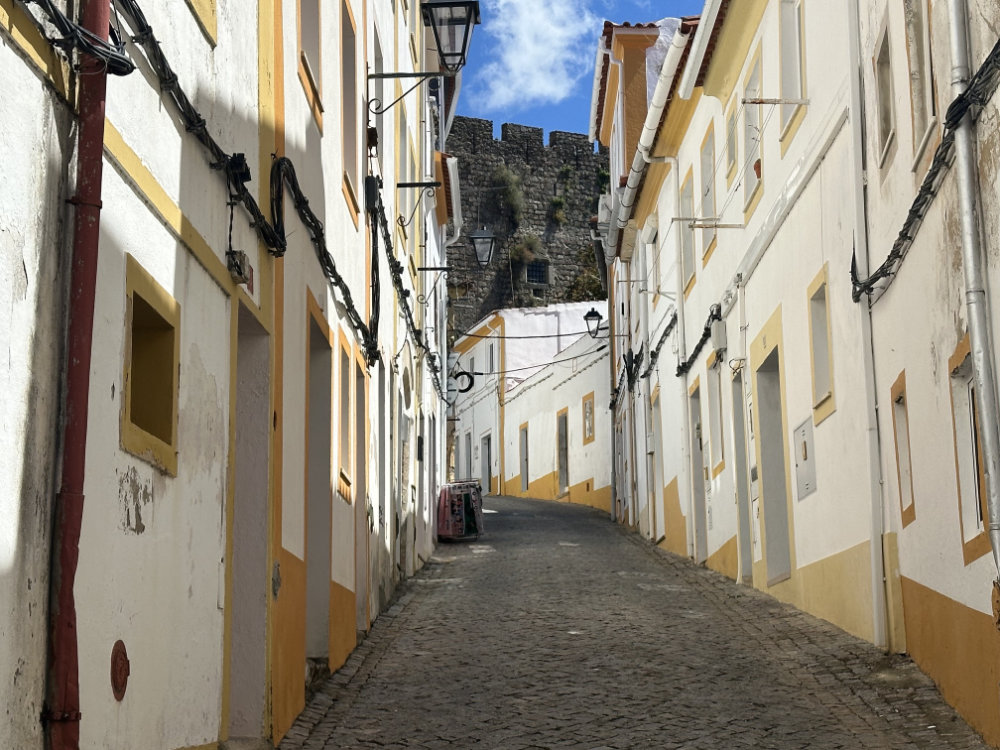
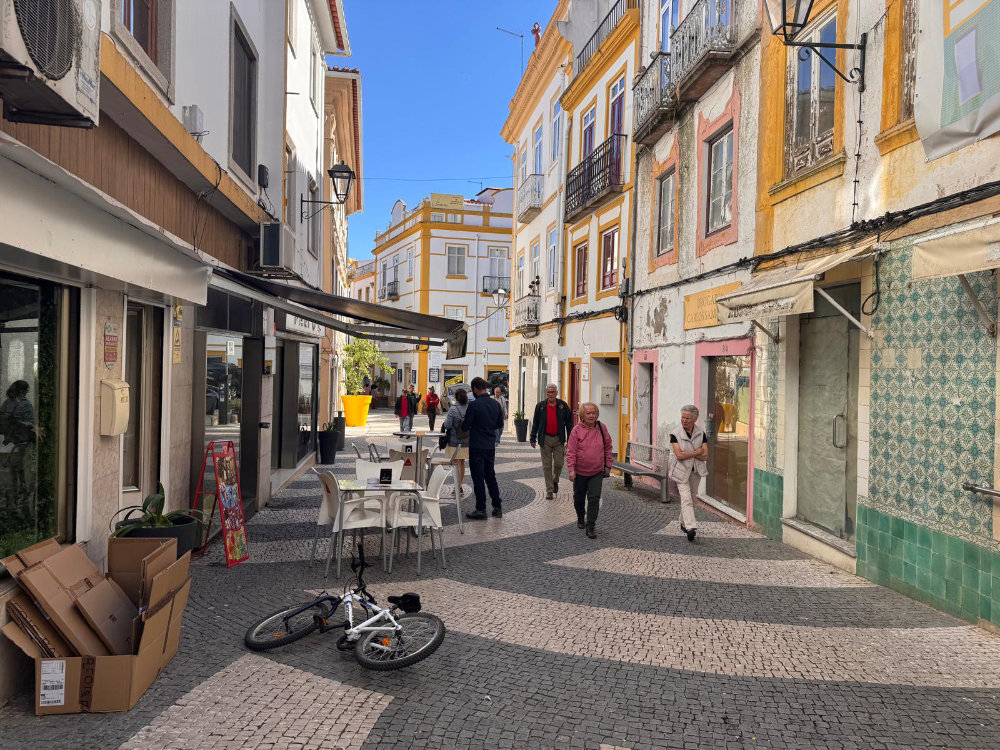
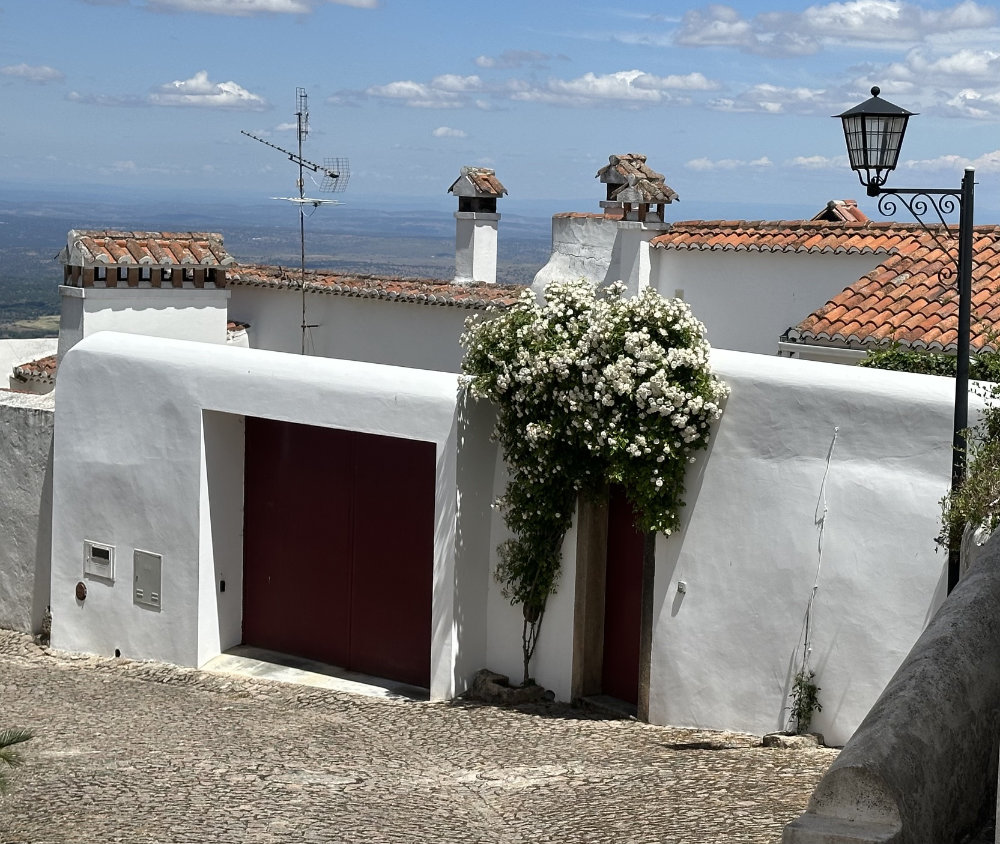
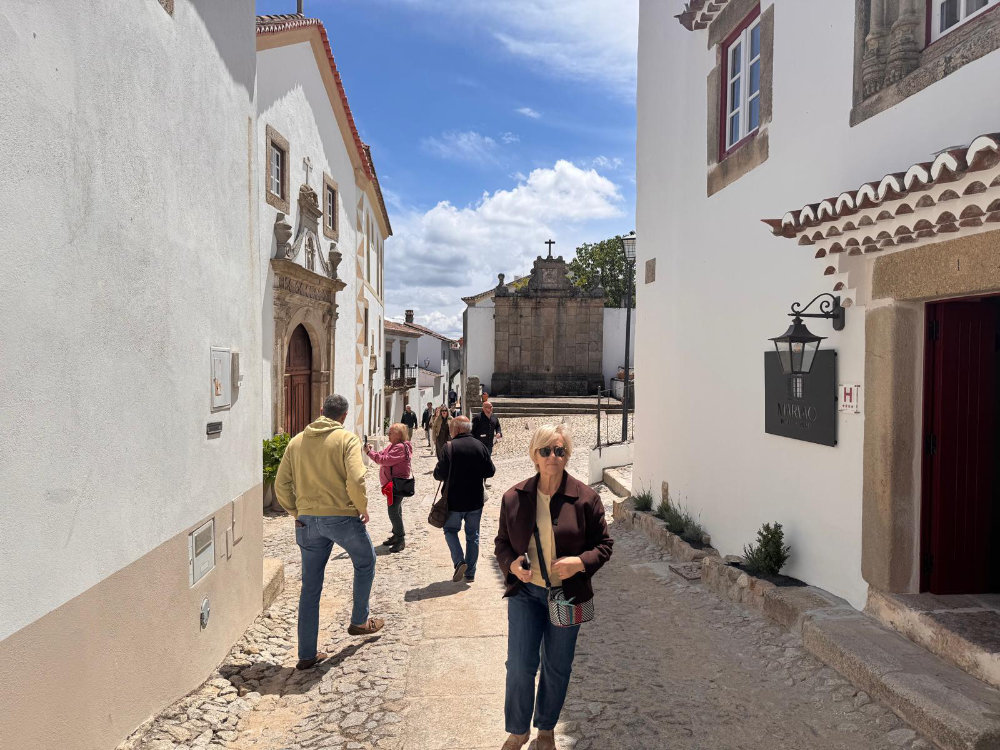
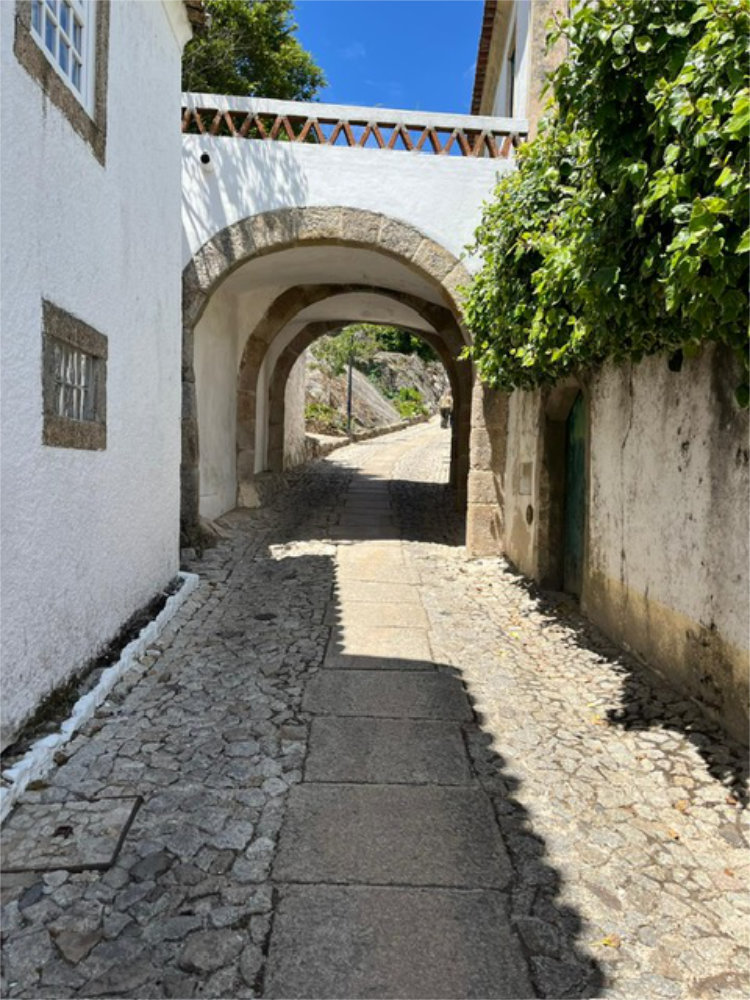
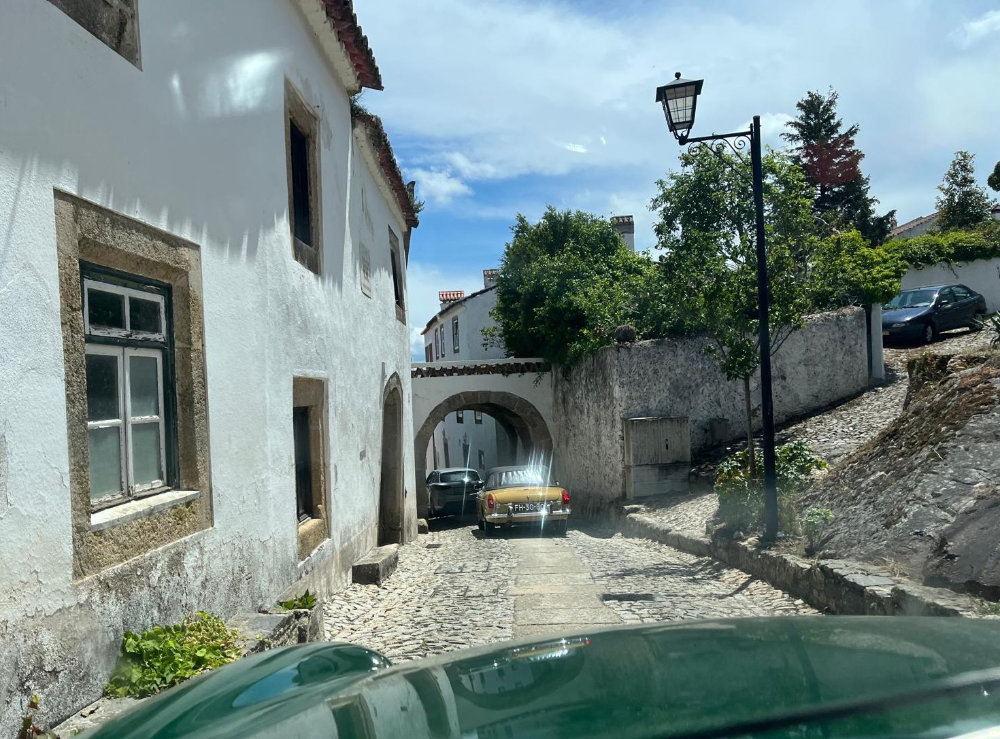
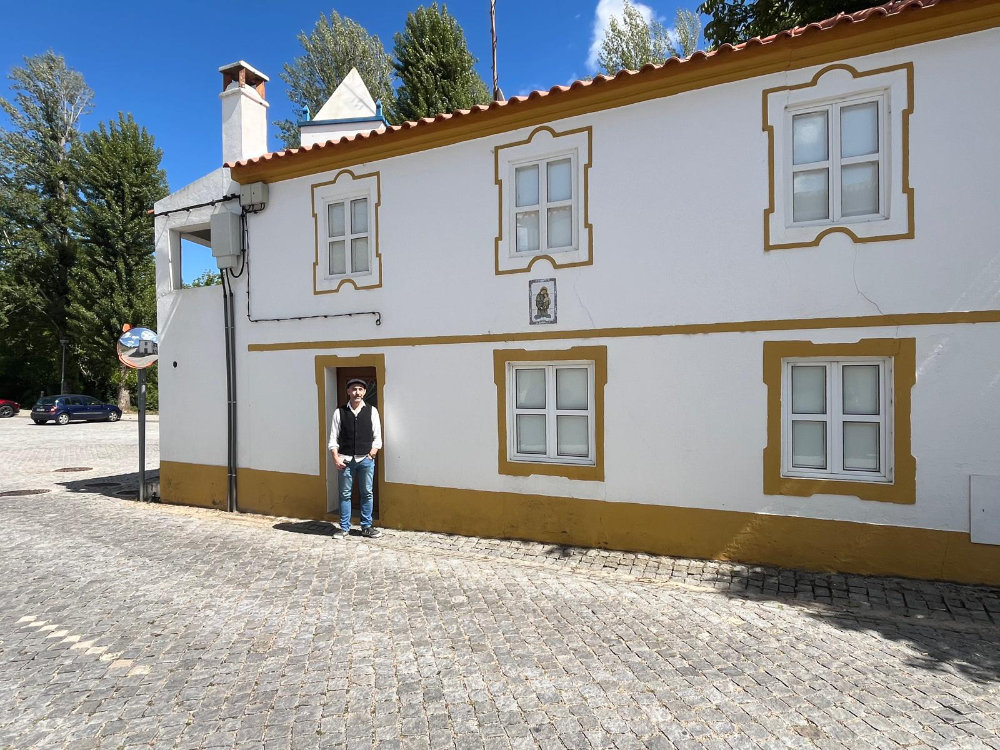
We began in the historic center of Castelo de Vide, one of the best preserved in Alentejo, characterized by its narrow cobbled streets, whitewashed houses, flowered balconies and charming little squares.
Castelo de Vide Castle
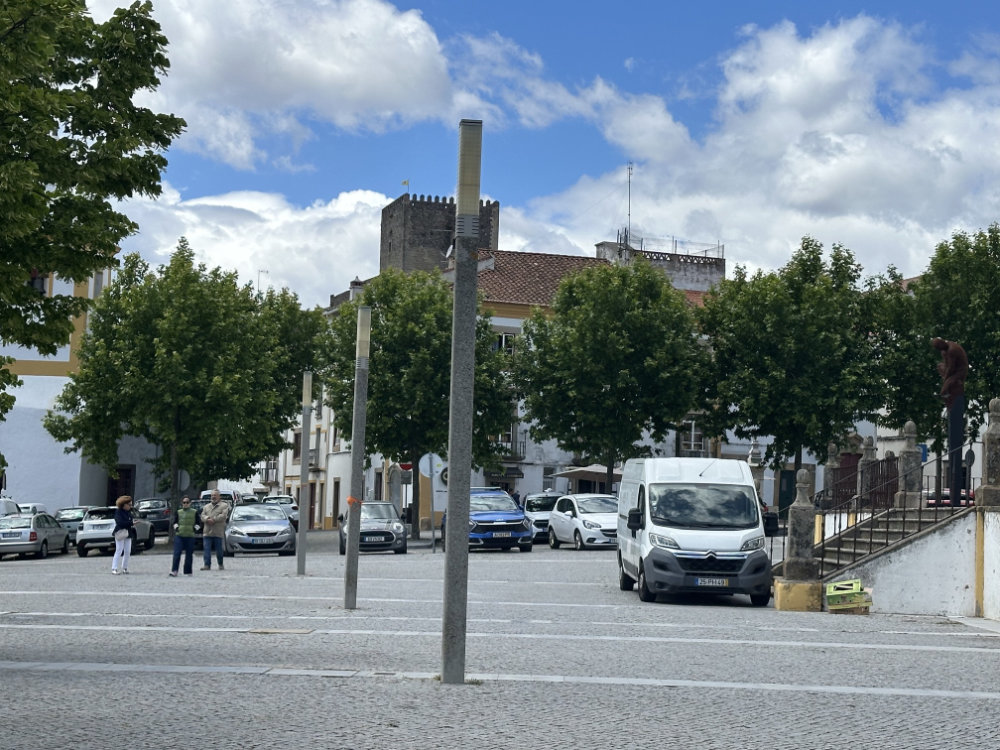
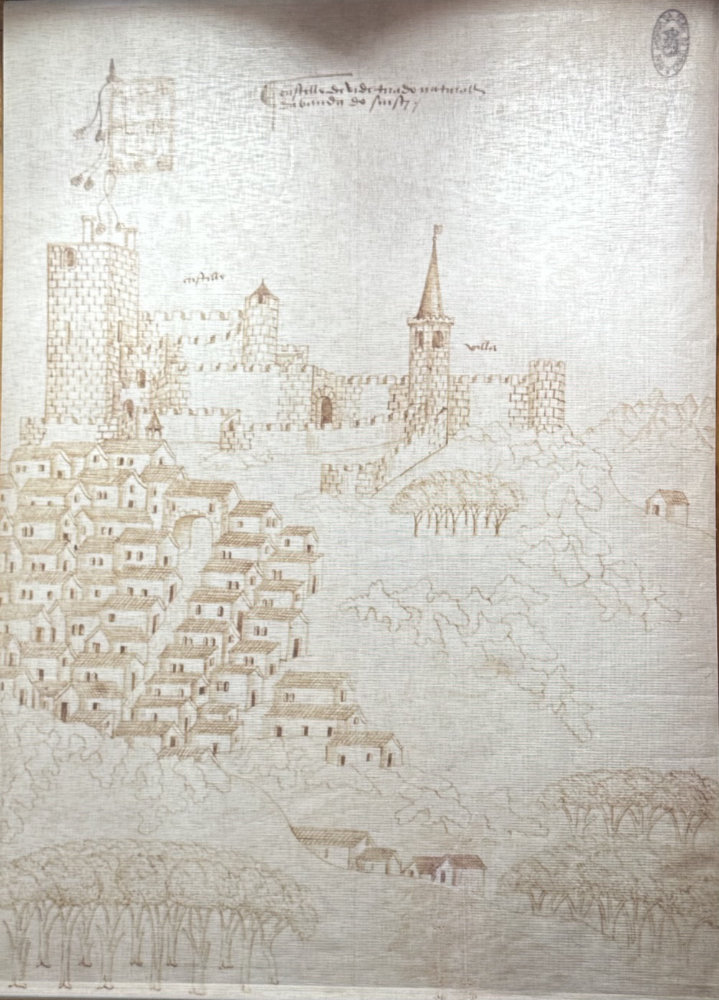
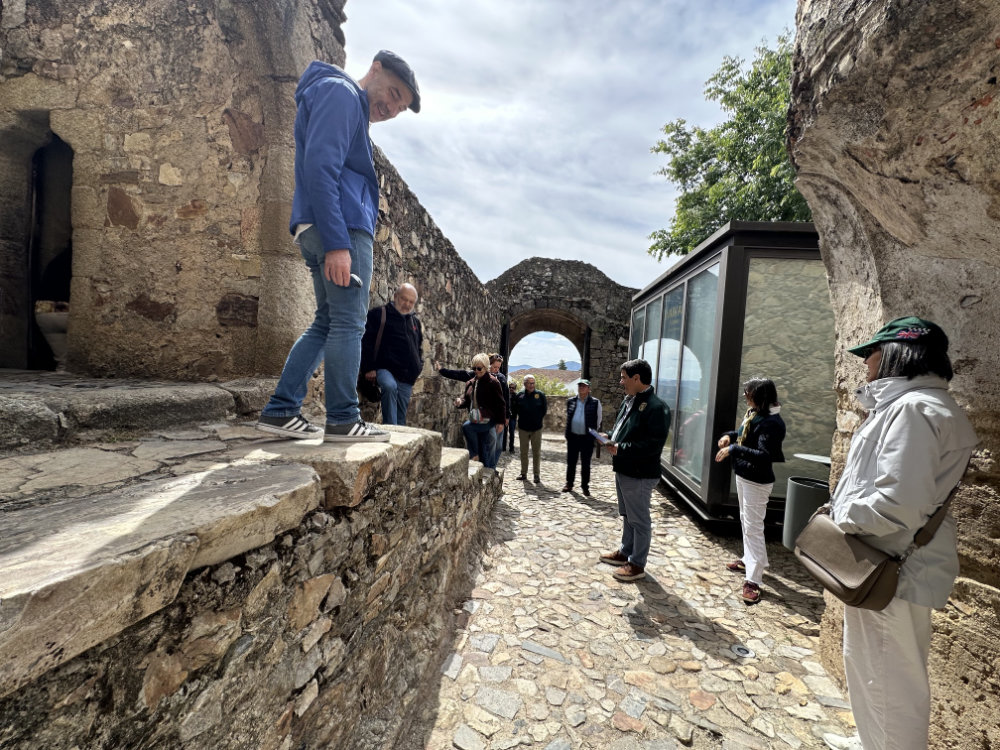
The visit continued to the Castle, located at the highest point of the town, which played an important defensive role throughout the Middle Ages, especially due to its proximity to the Spanish border. From the walls and keep tower, visitors enjoy magnificent panoramic views over the São Mamede mountains and the surrounding landscape.
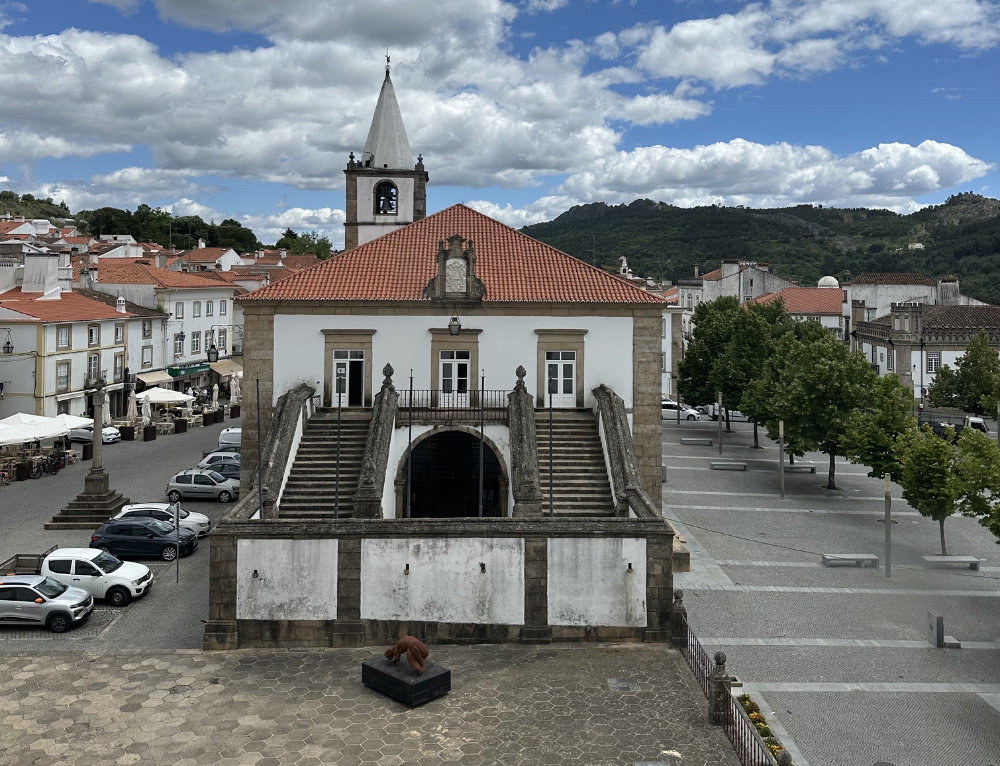
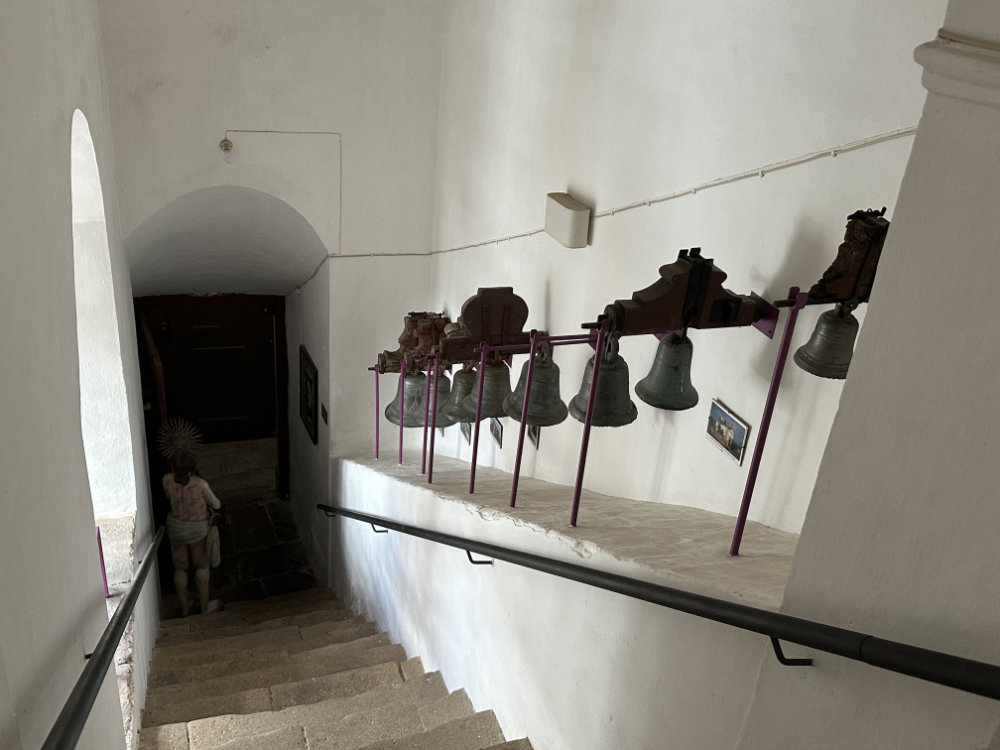
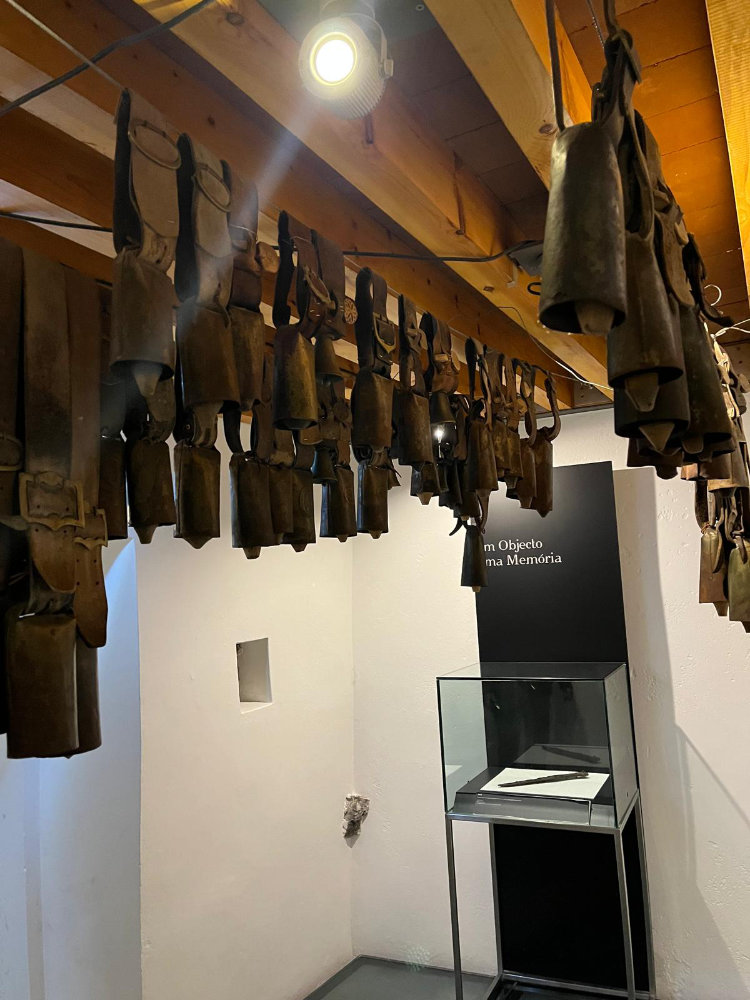
Along Rua Direita, the main street of the medieval town, visitors pass through part of the largest collection of Gothic arches in Portugal. Among them, inside the castle walls, stands the former Town Hall building, where supposedly the town’s first bell once existed.
Jewish Quarter of Castelo de Vide
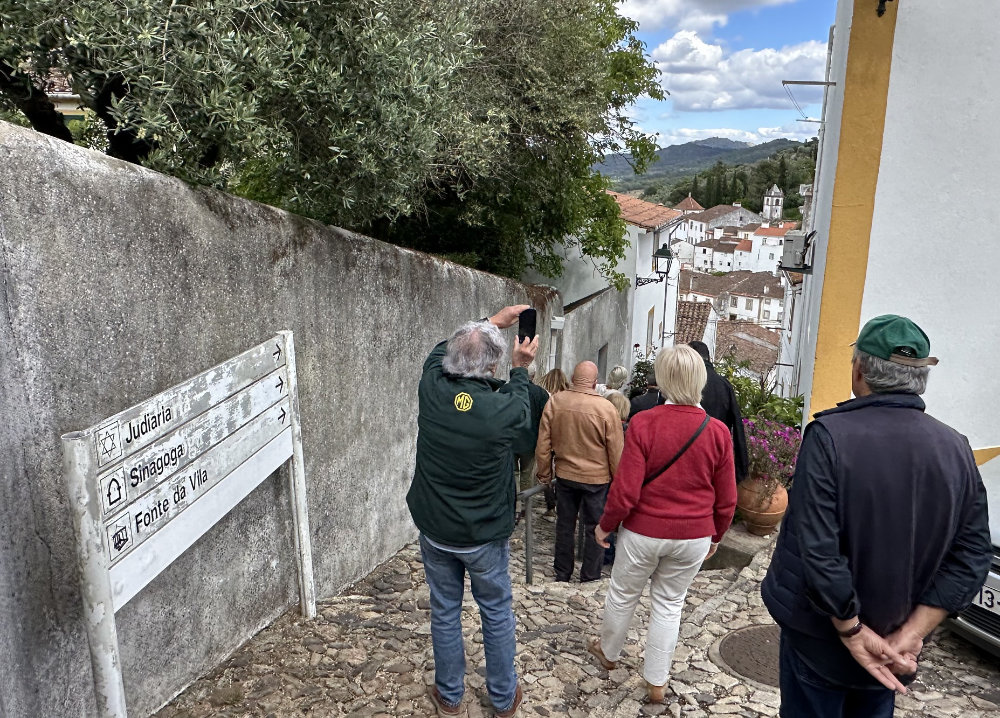
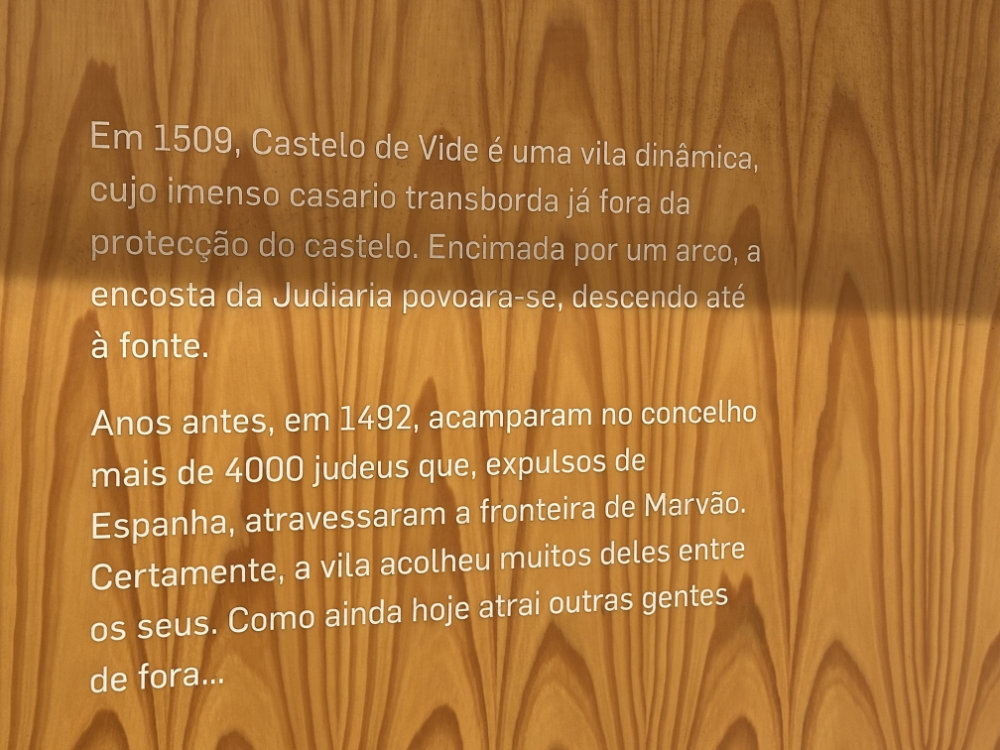
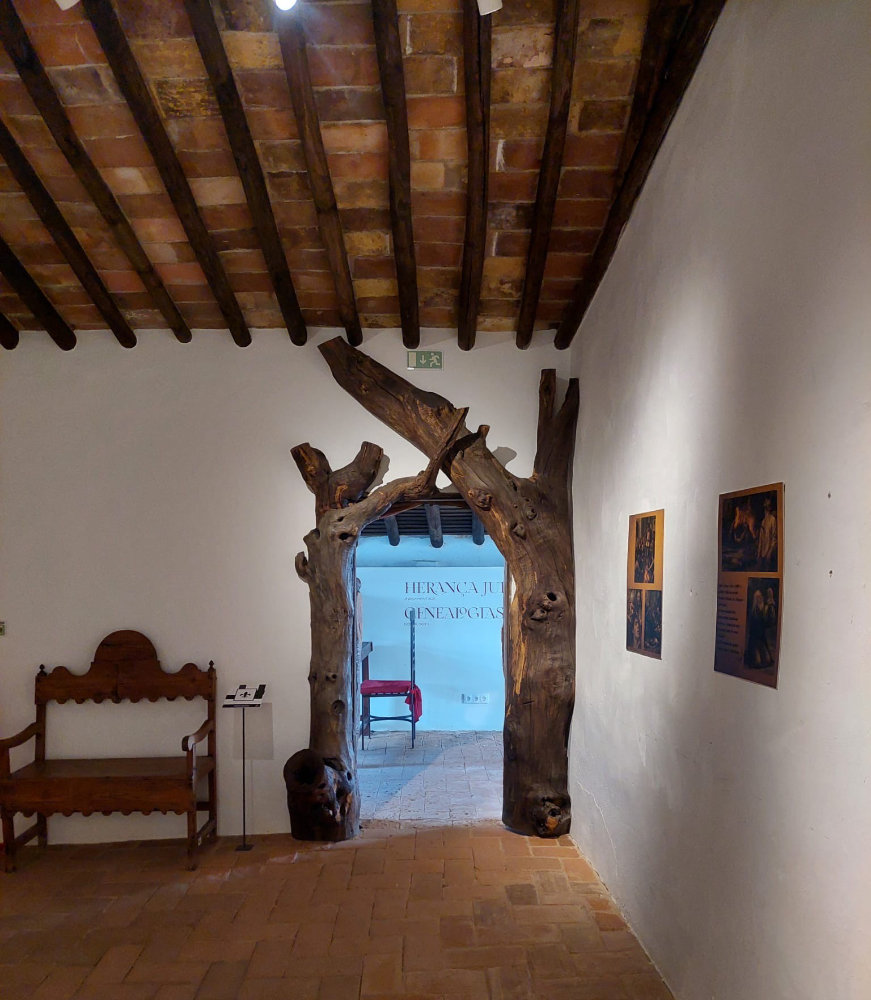
We then visited the Jewish Quarter of Castelo de Vide, considered one of the most important and best preserved in Portugal. The Jewish neighborhood developed mainly between the 14th and 16th centuries, welcoming a highly active Jewish community expelled from Castela, linked to trade and craftsmanship.
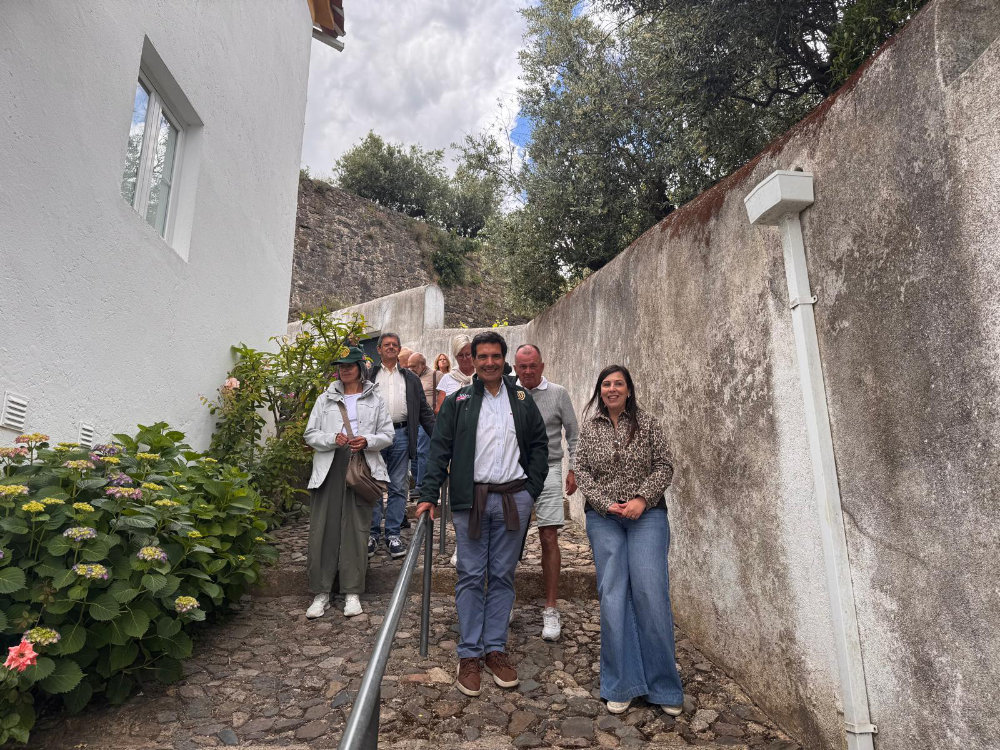
Its narrow streets, stairways and traditional houses transported us to a unique atmosphere marked by the coexistence of cultures and the memory of the Jewish presence in the town.
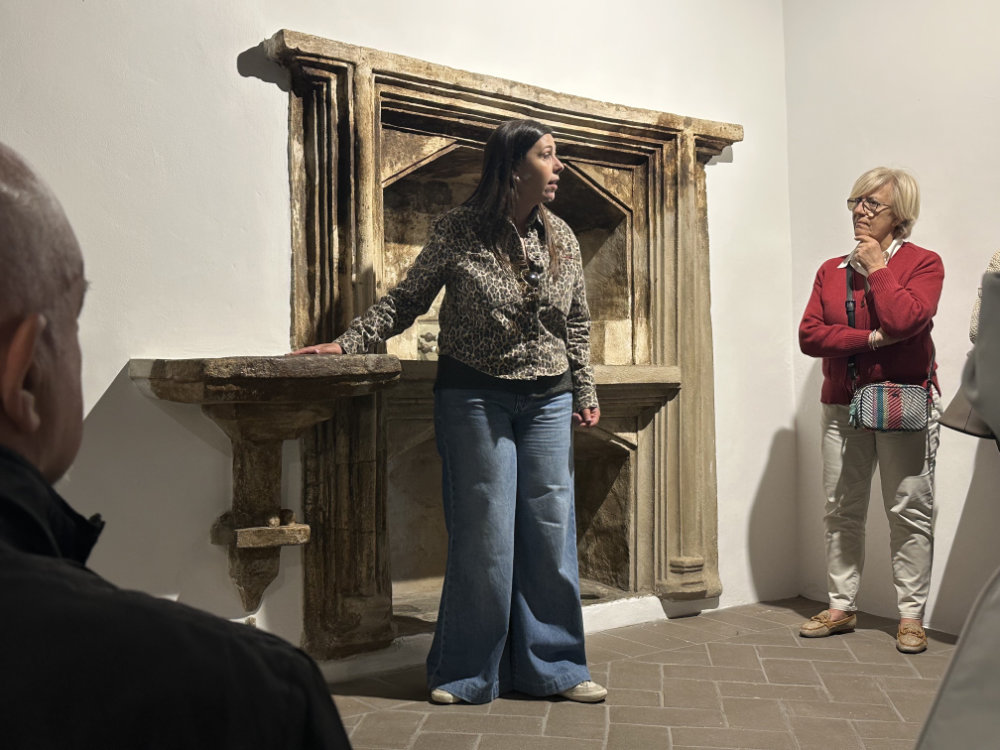
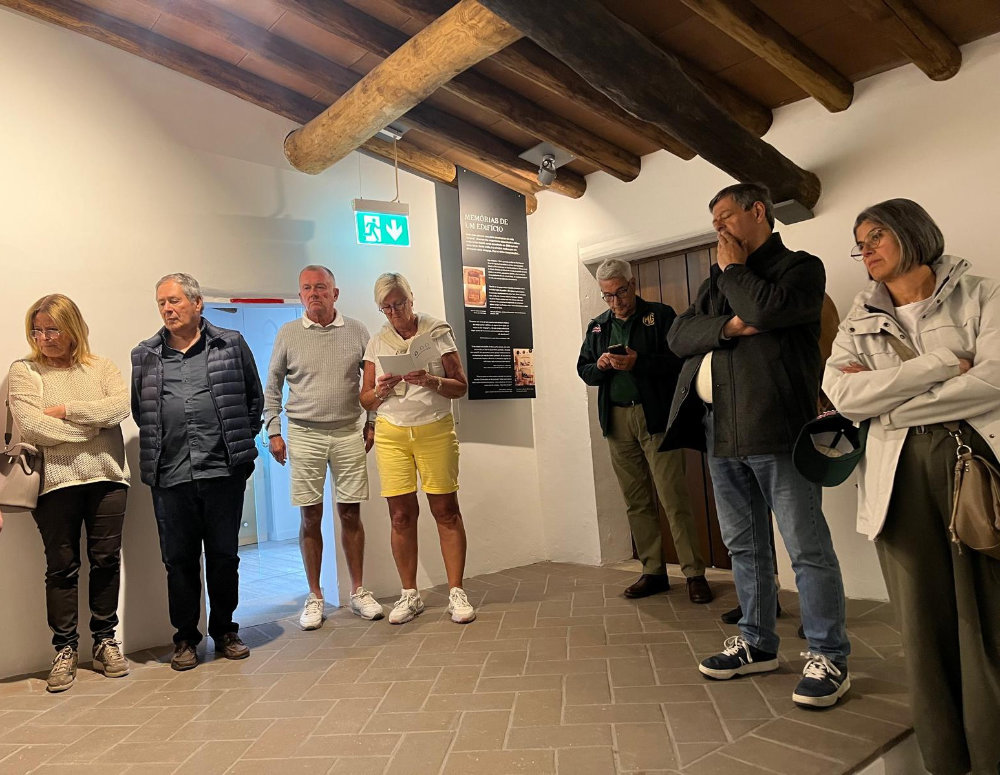
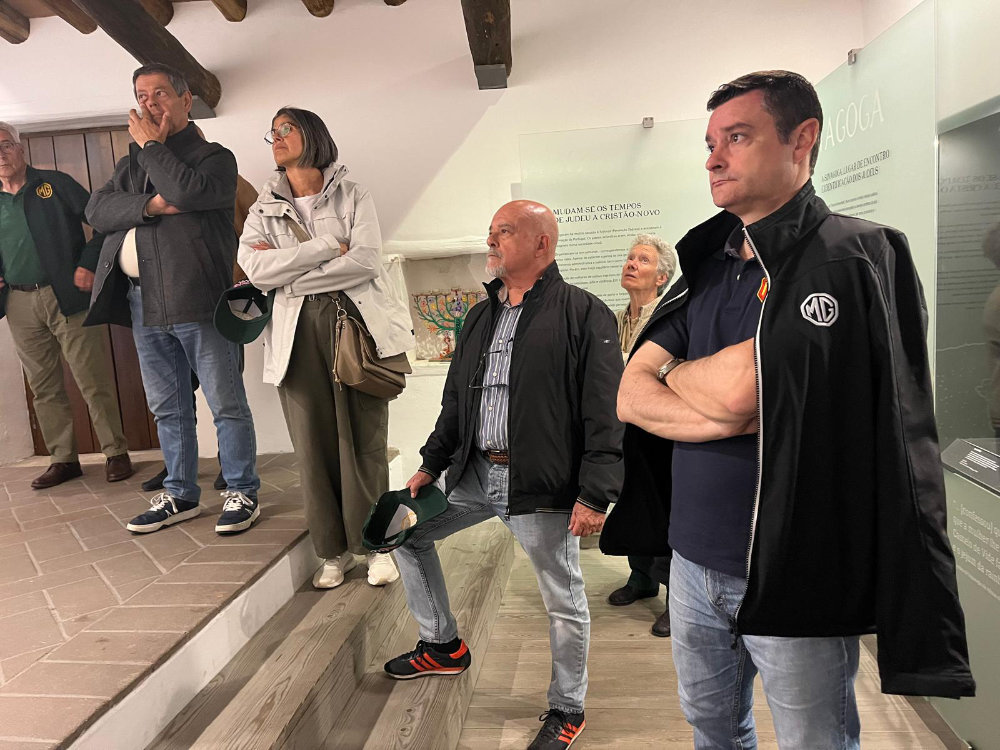
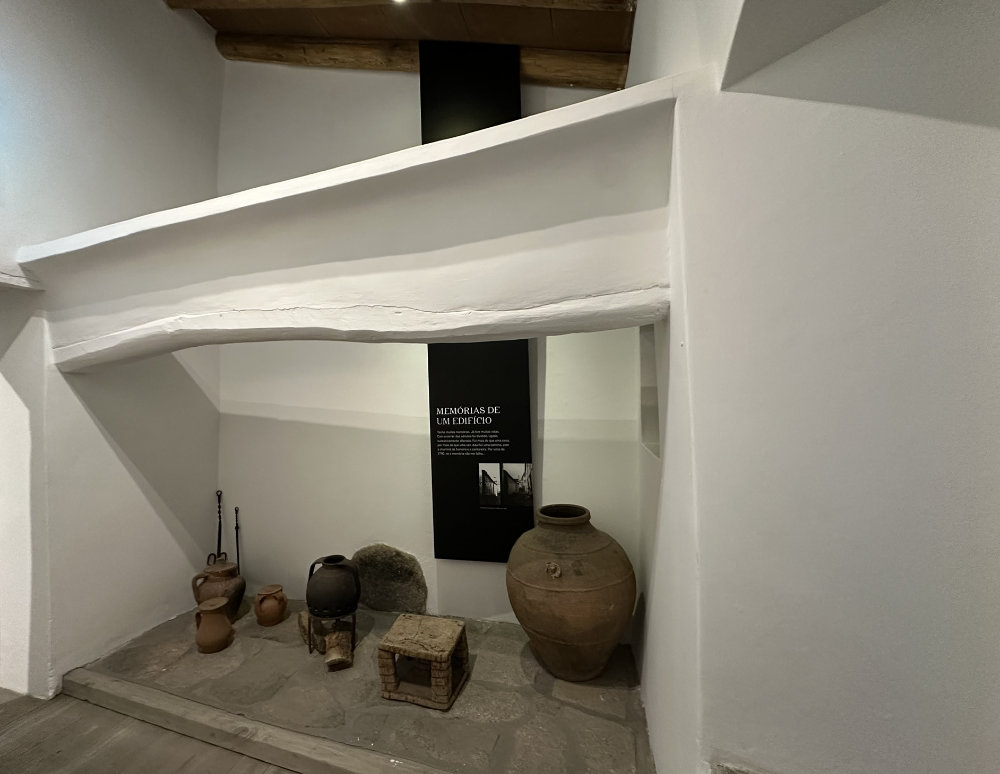
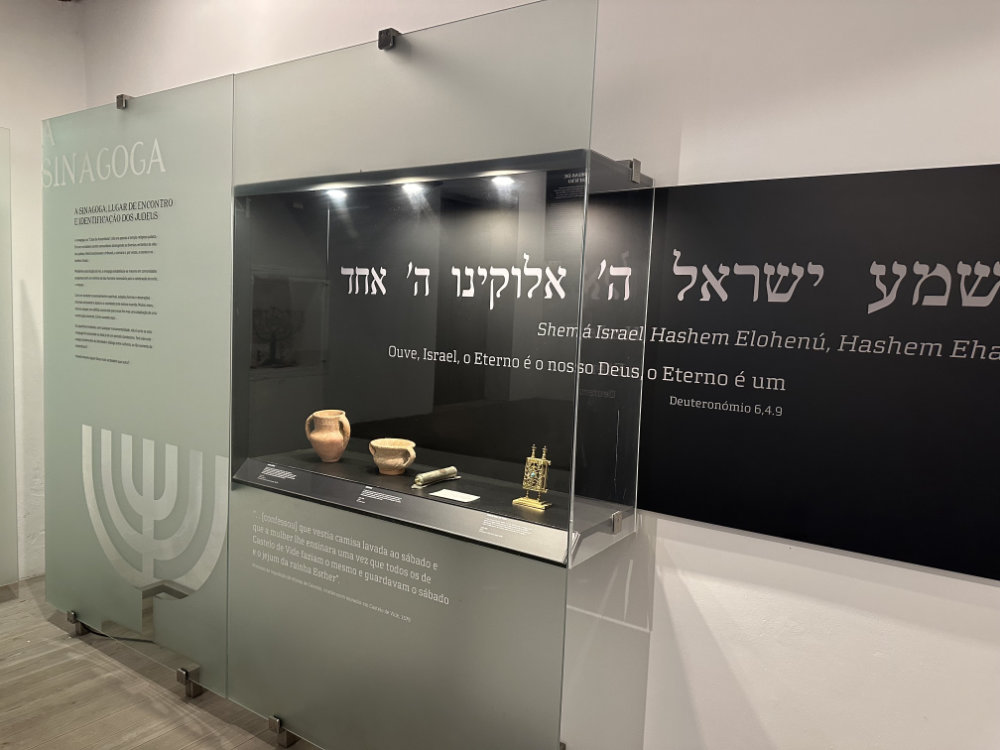
Synagogue
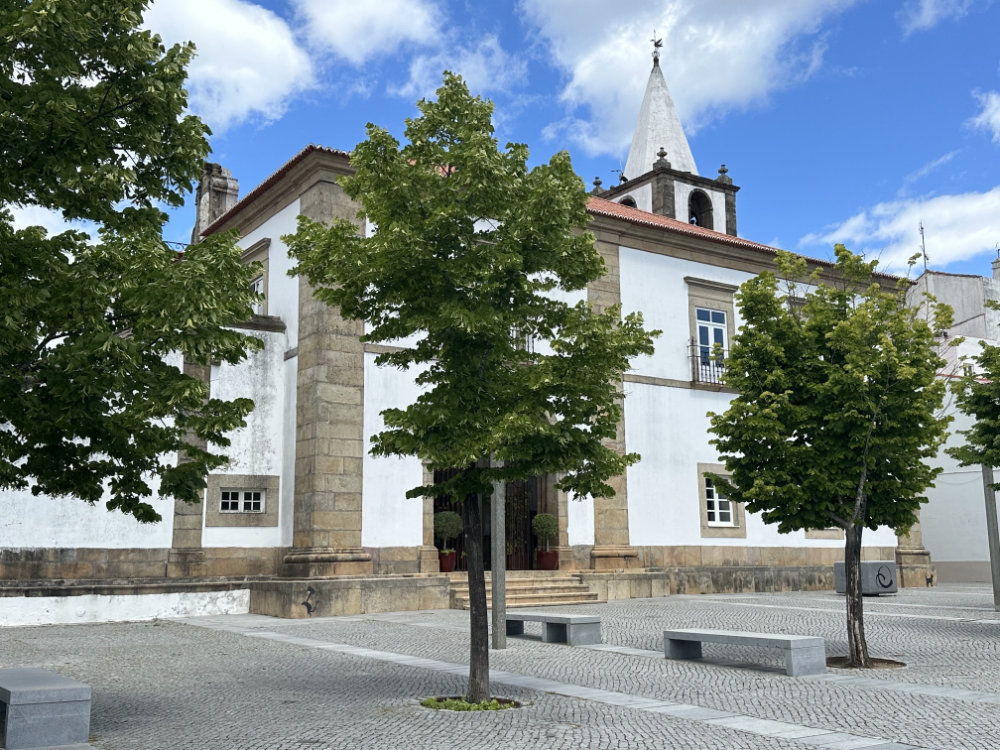
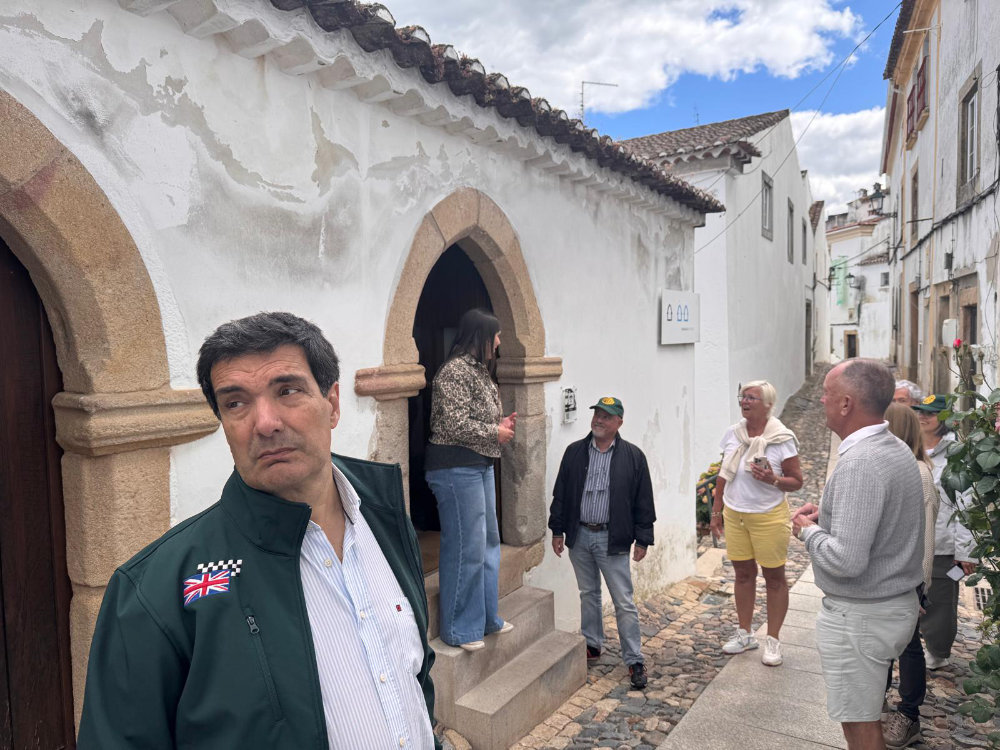
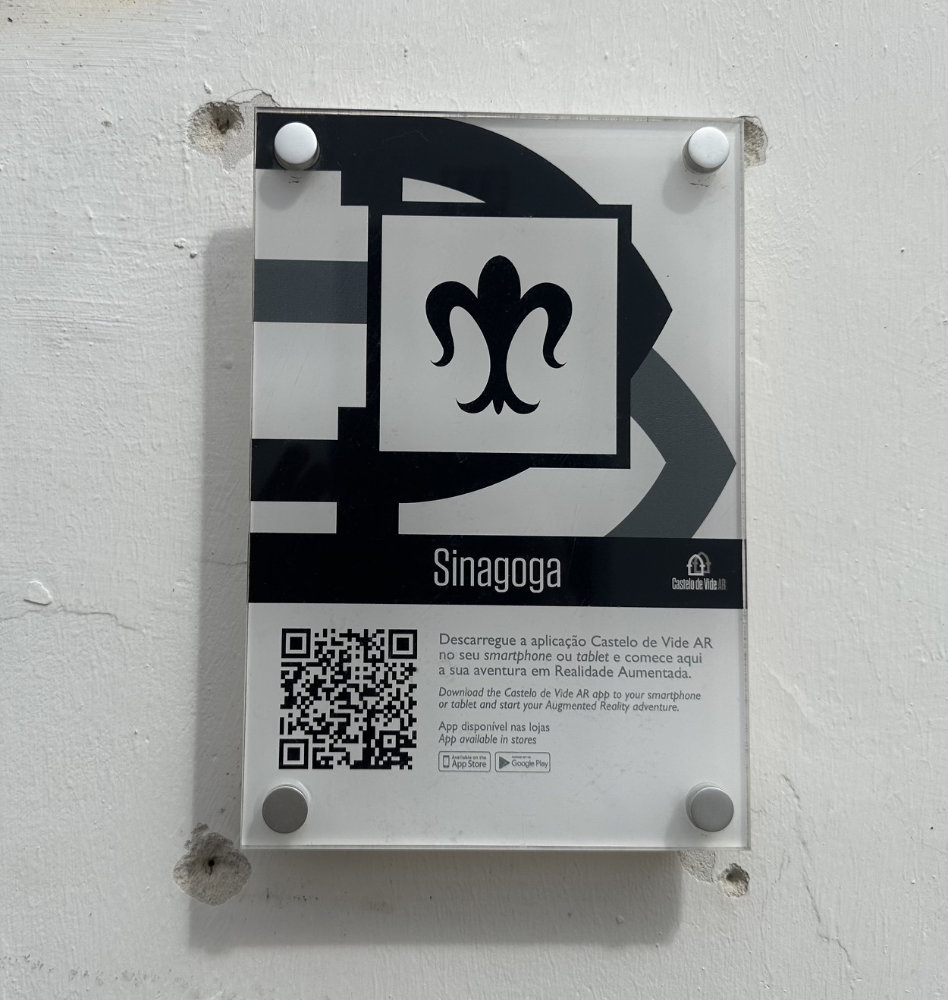
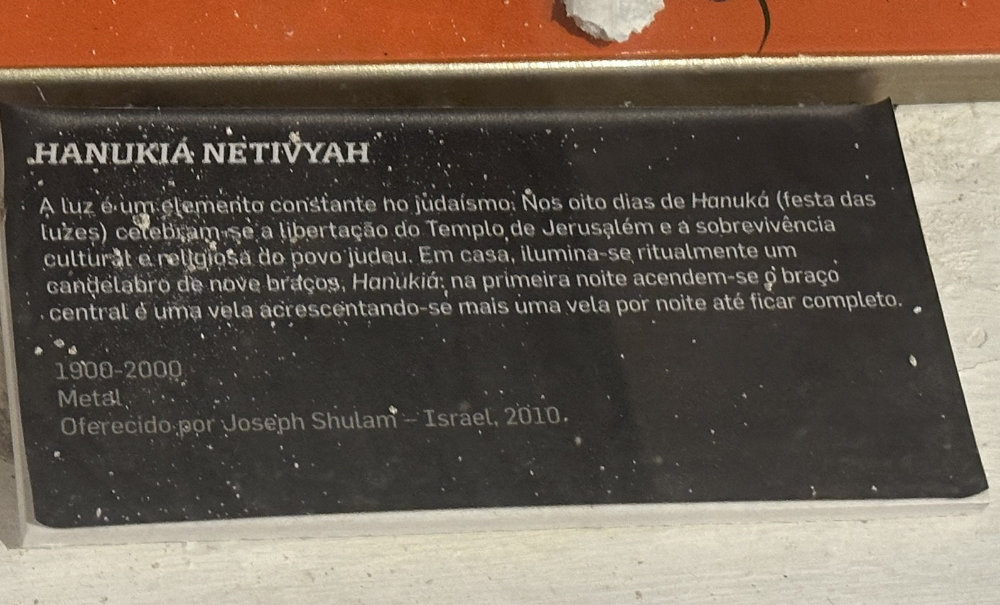
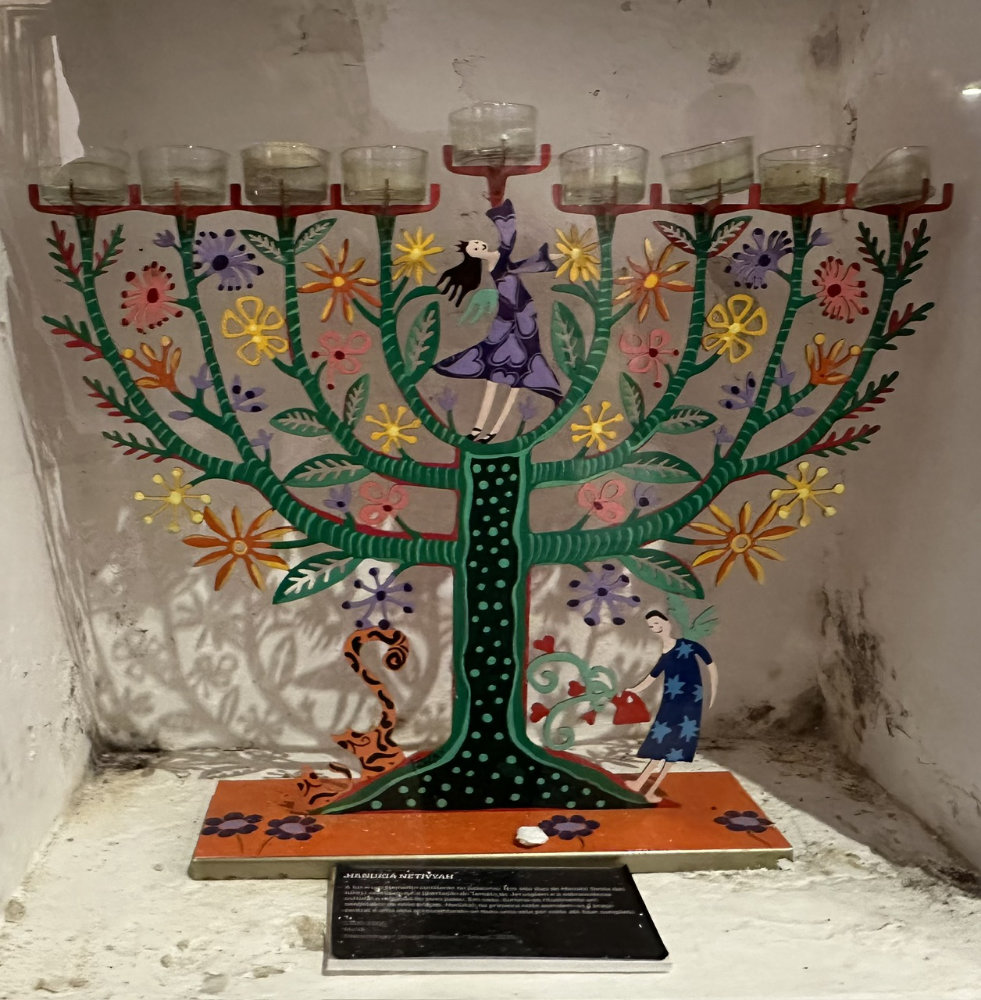
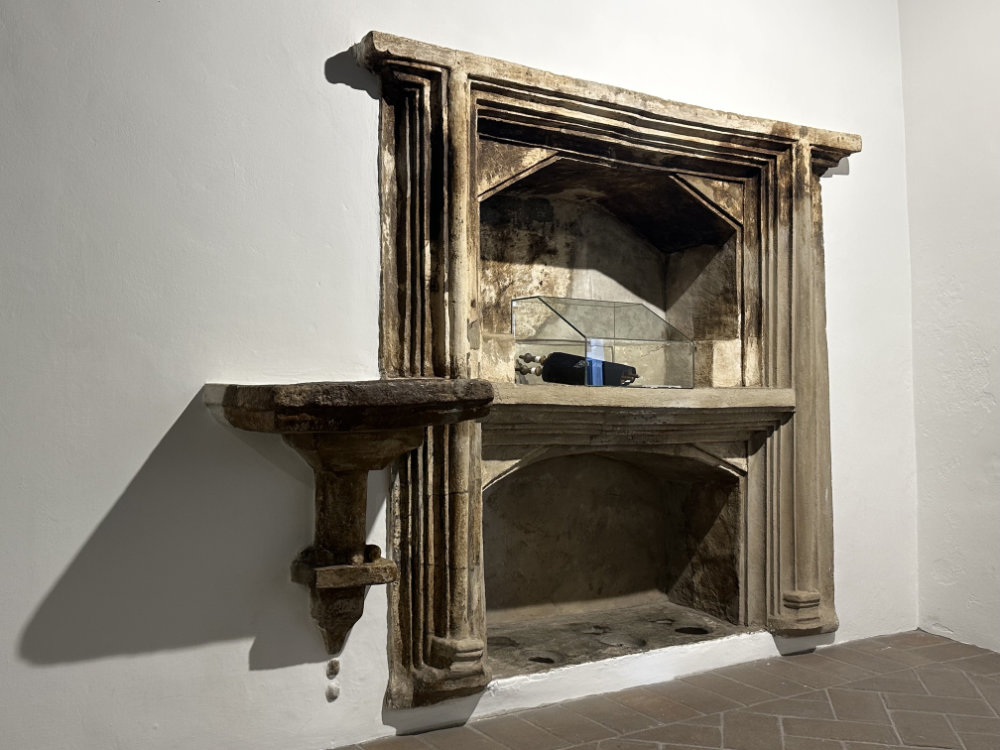
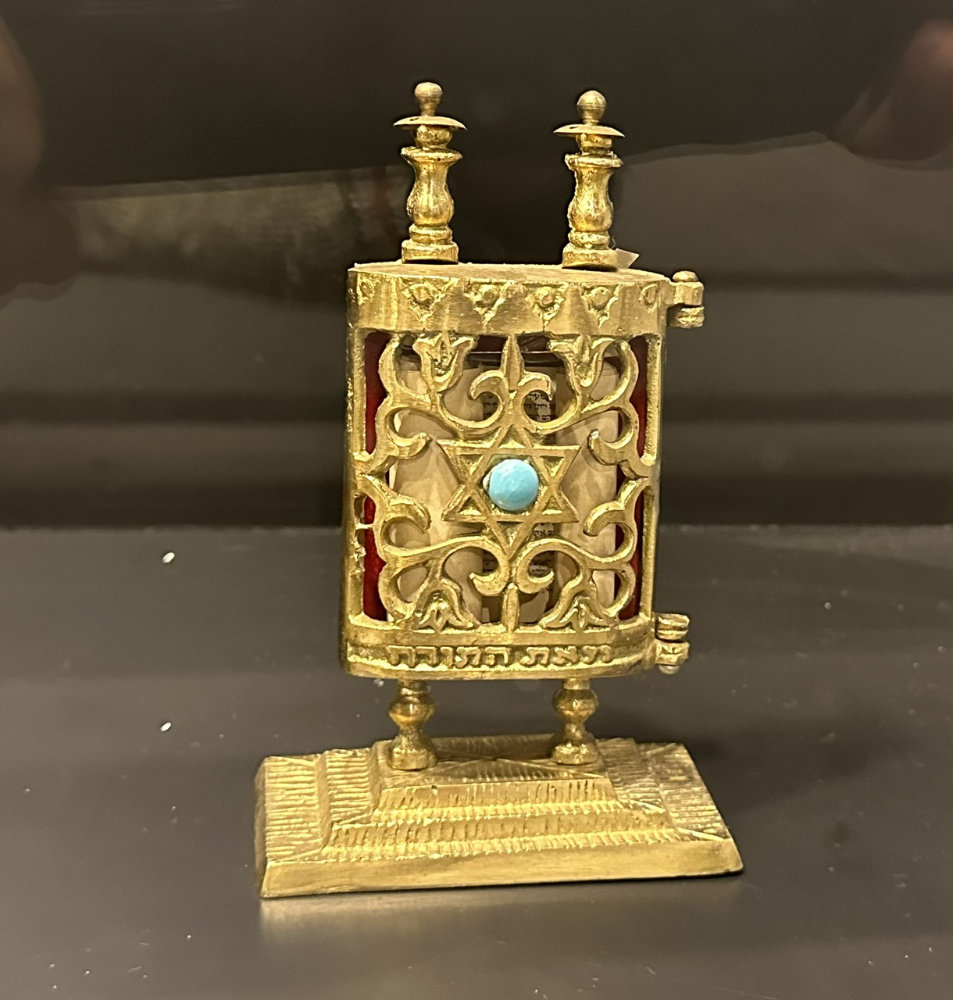
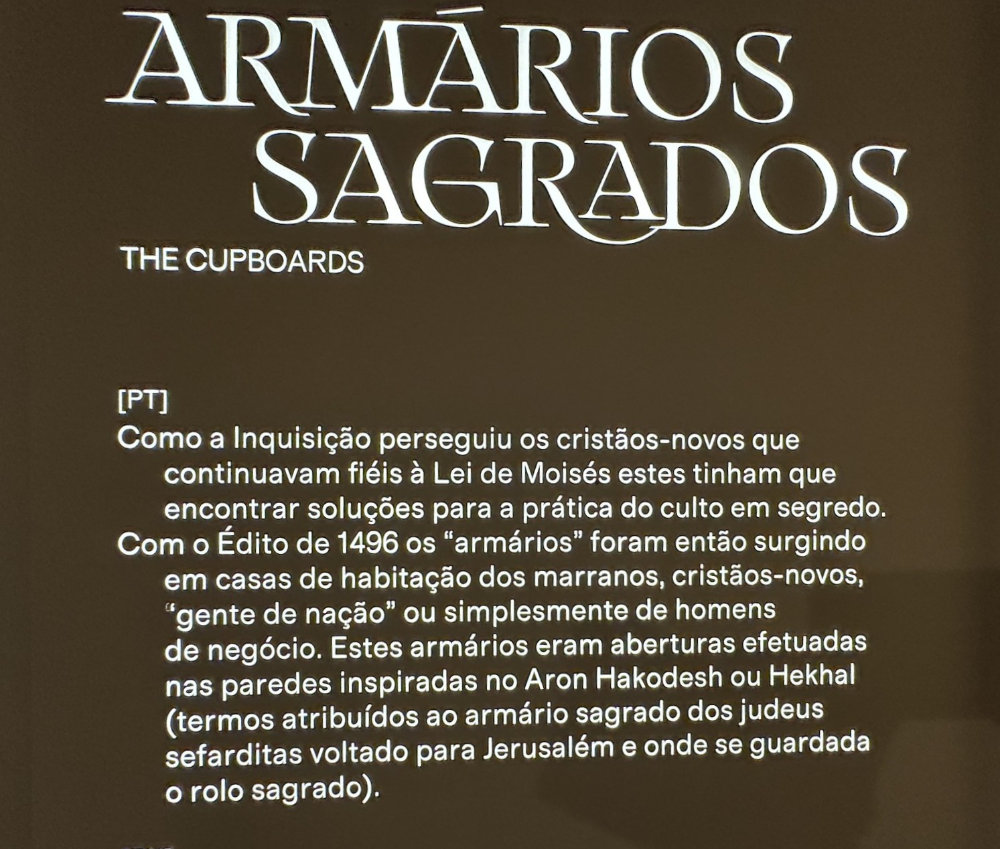
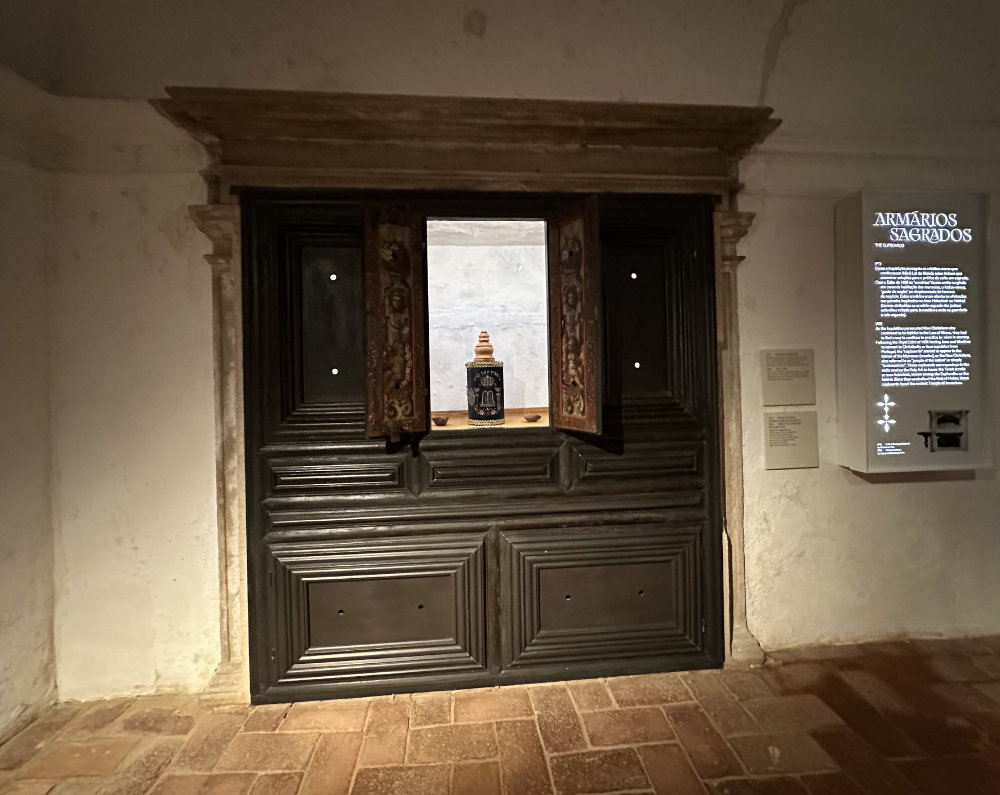
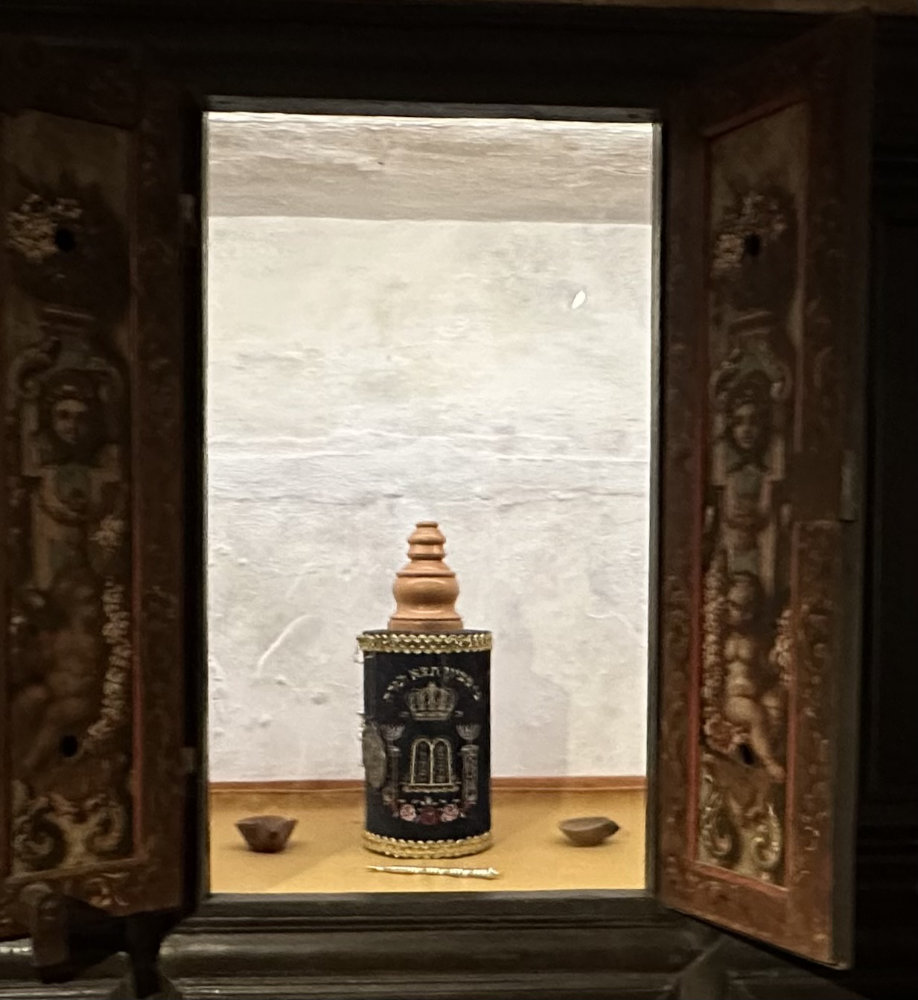
We entered the Synagogue of Castelo de Vide, an important testimony to medieval Jewish presence in Portugal. Located in the former Jewish Quarter, it recalls the strong Sephardic community that lived in the town until the period of the Inquisition and today remains an important historical and cultural symbol of Castelo de Vide.
House of the Inquisition
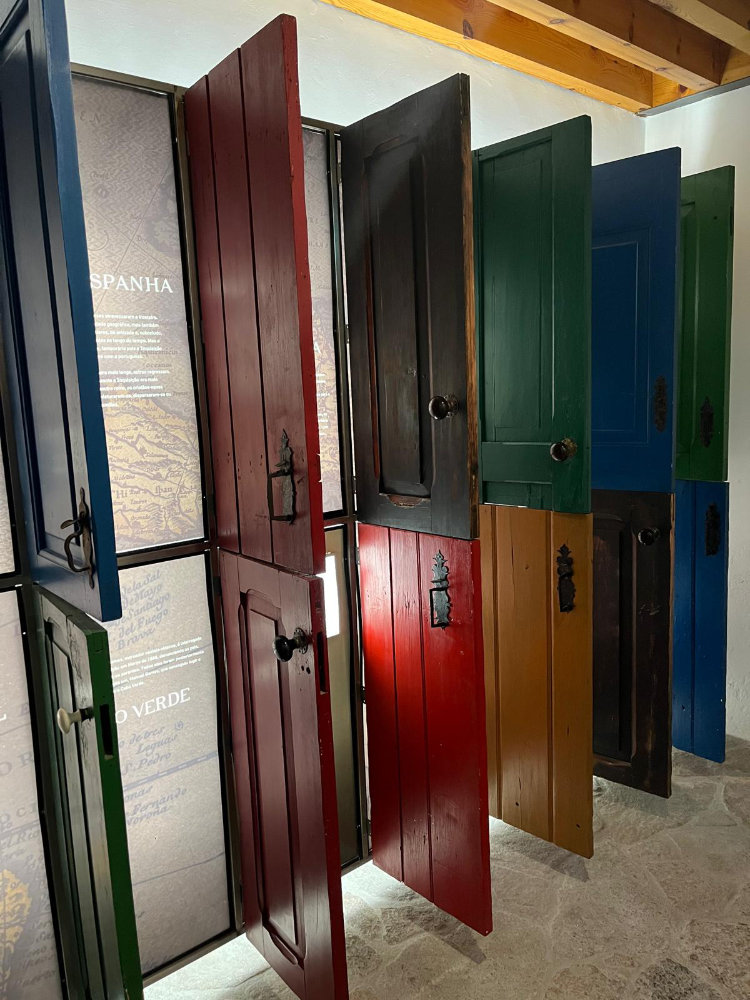
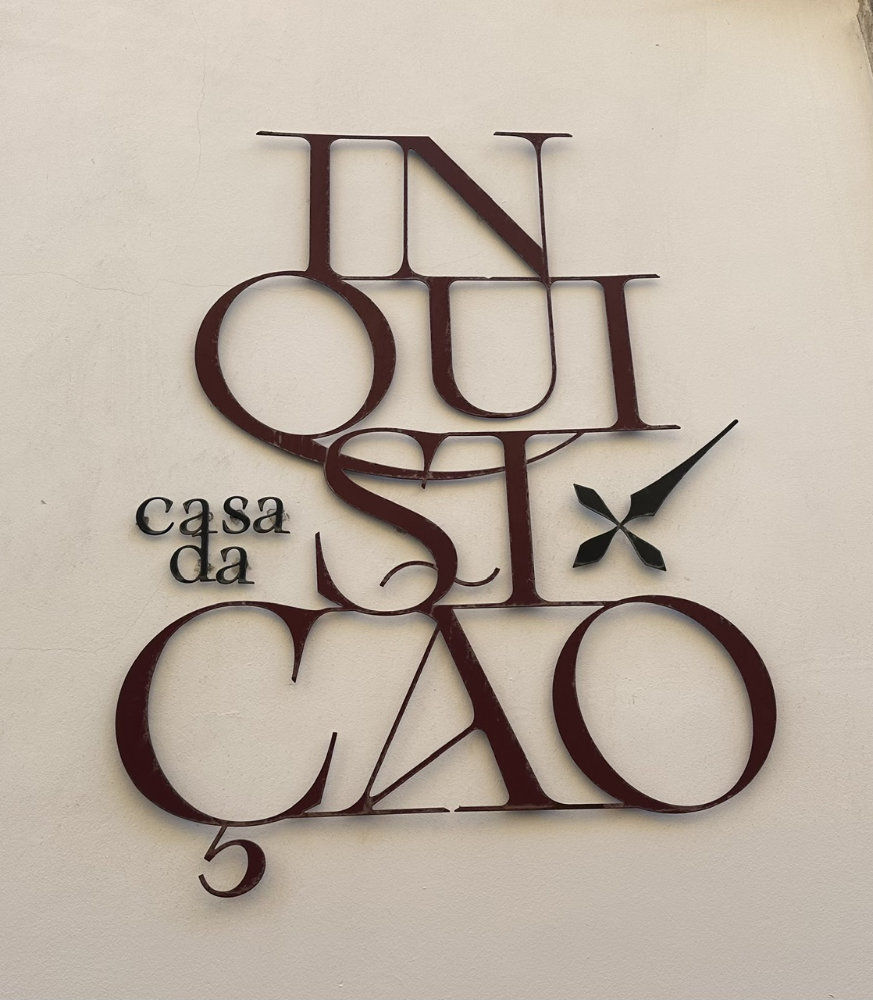
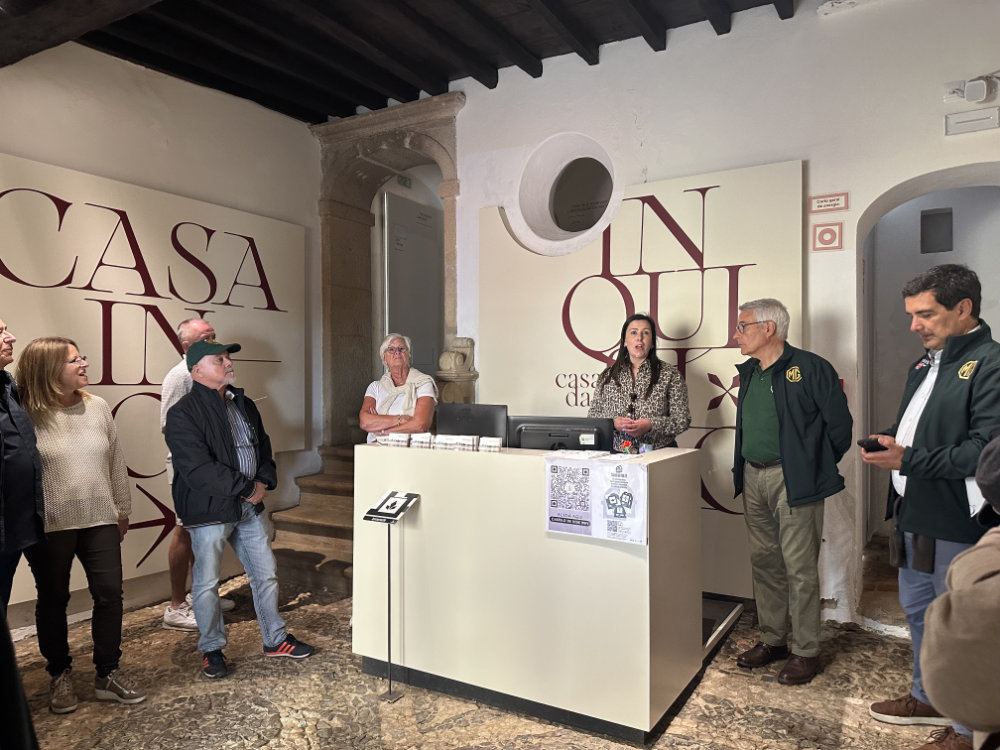
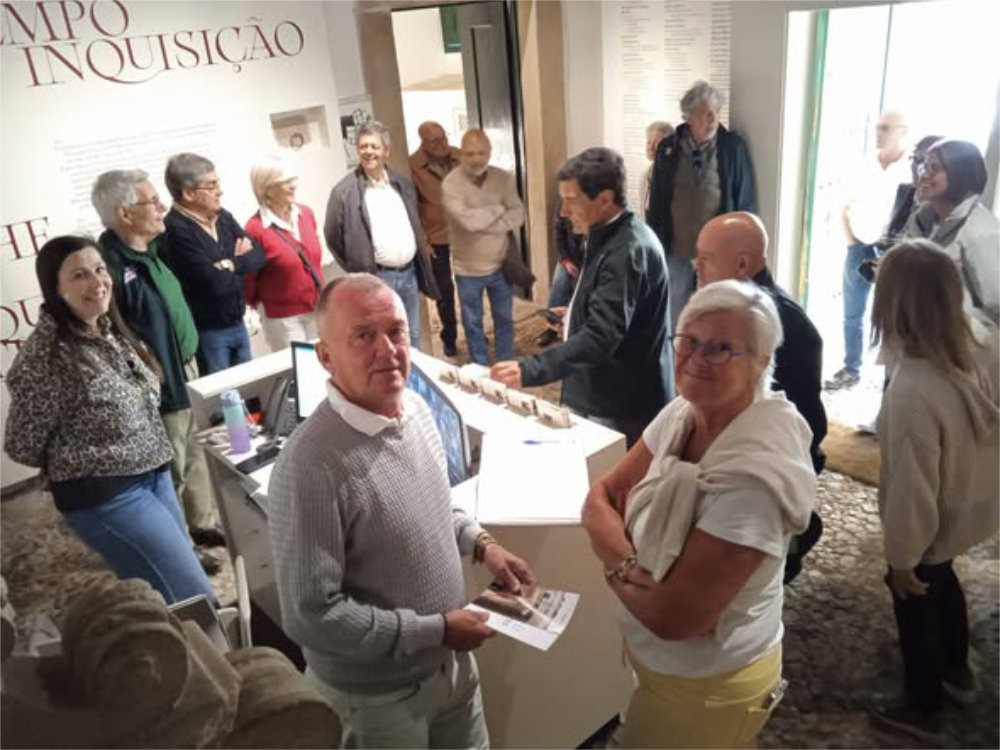
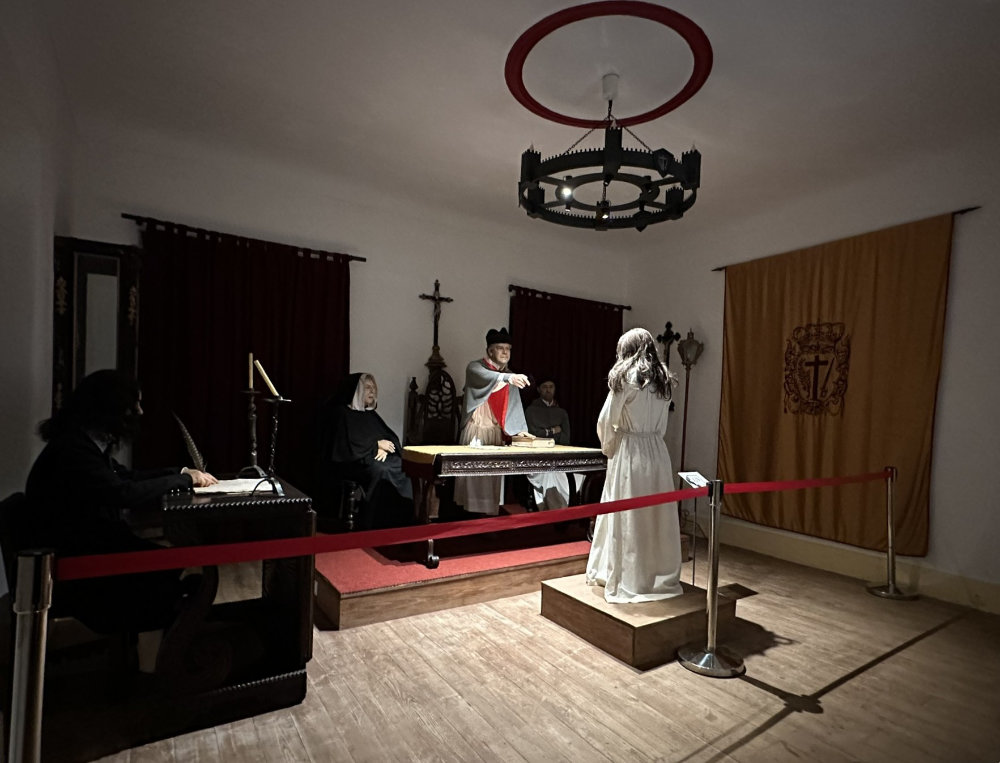
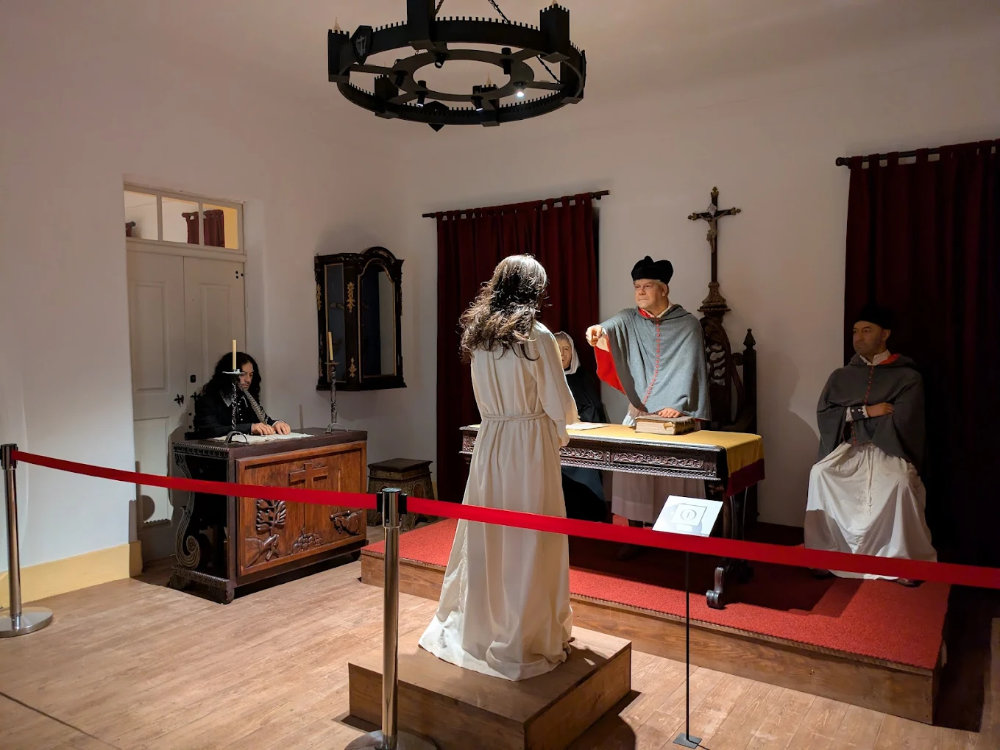
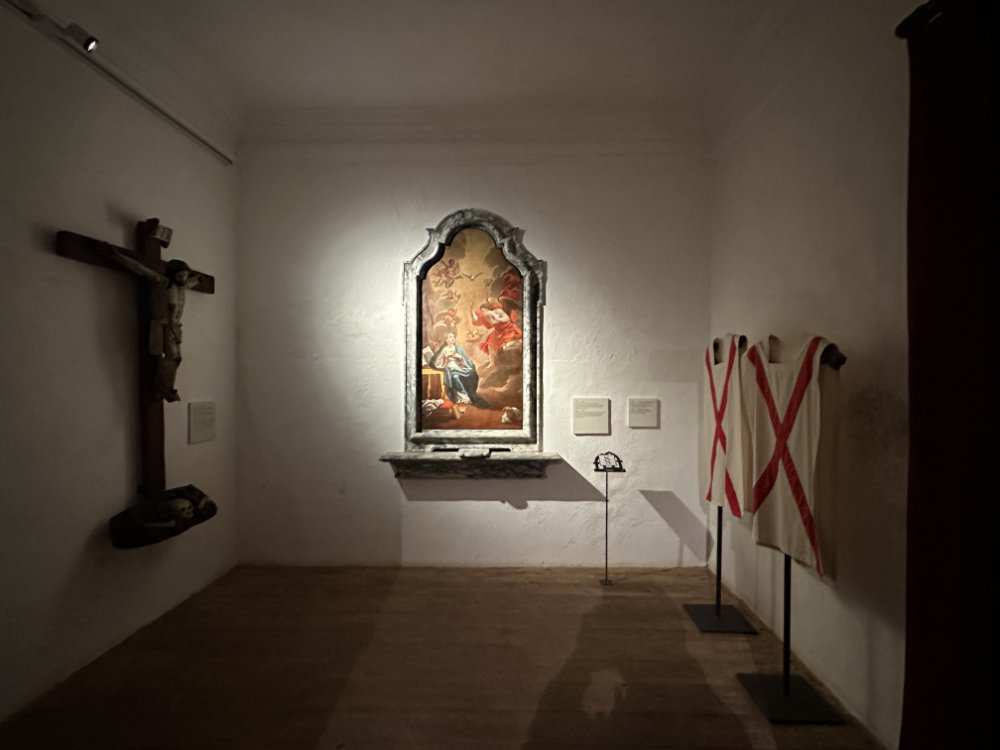
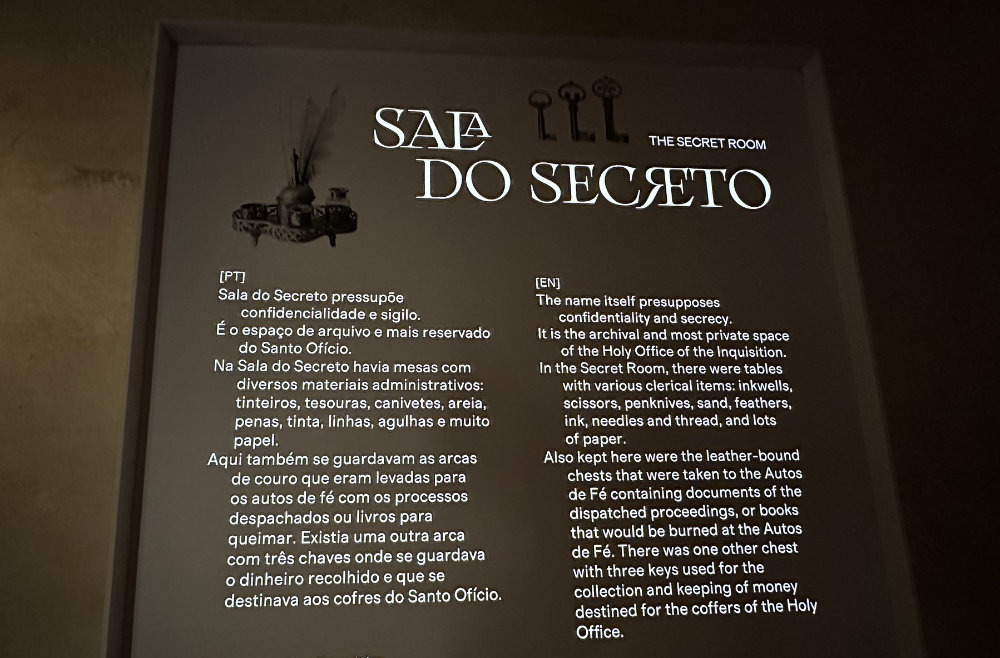
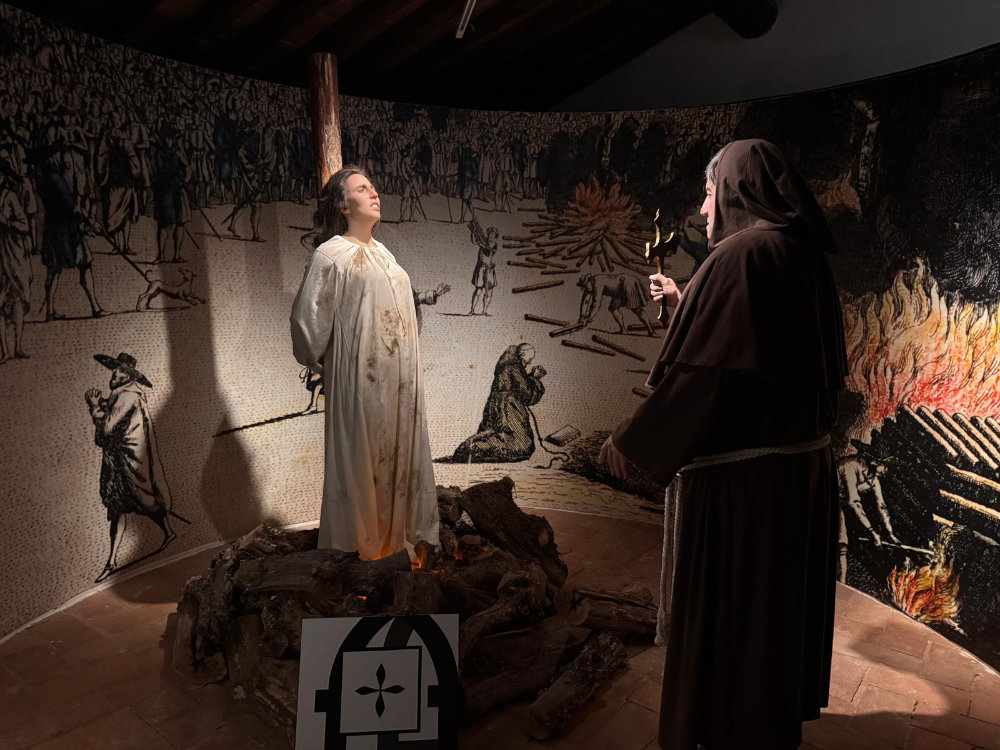
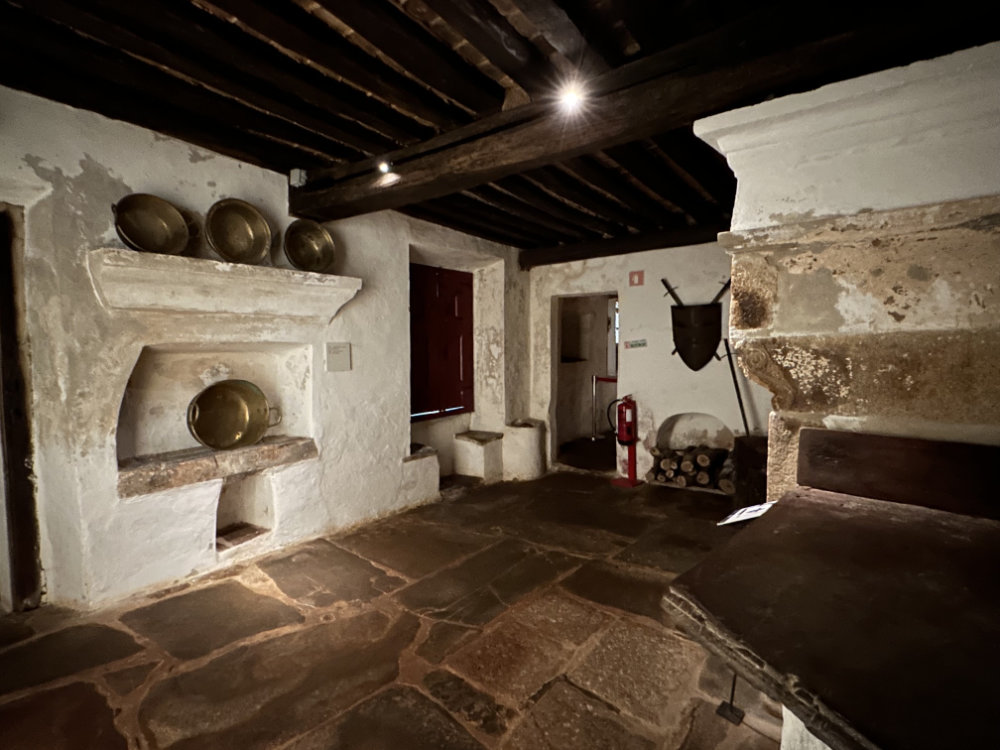
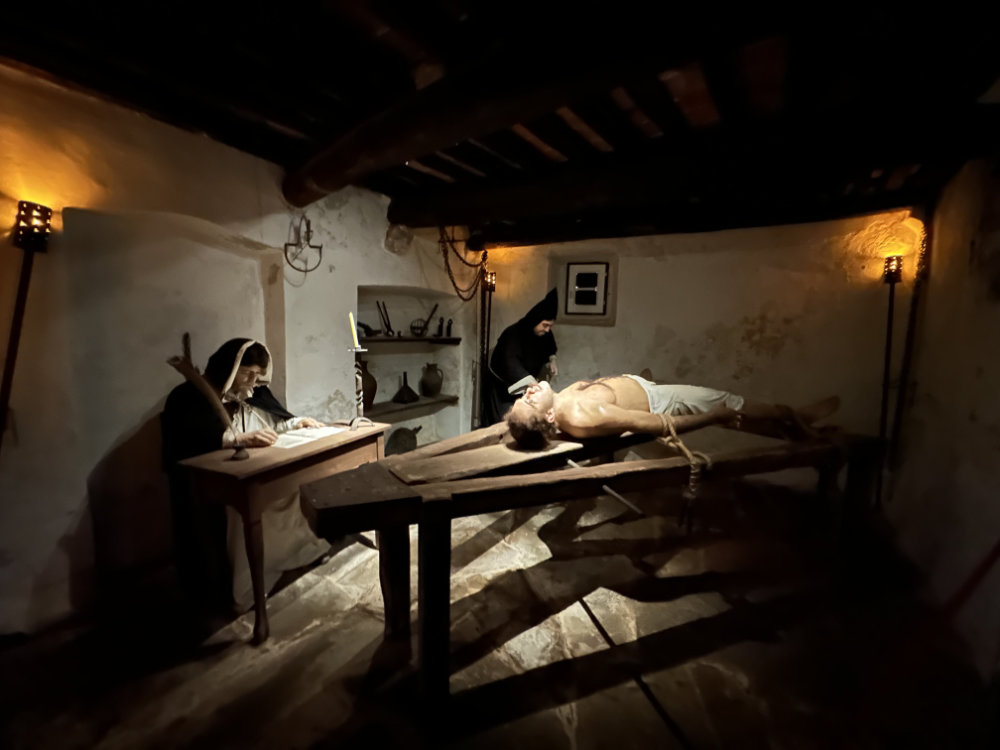
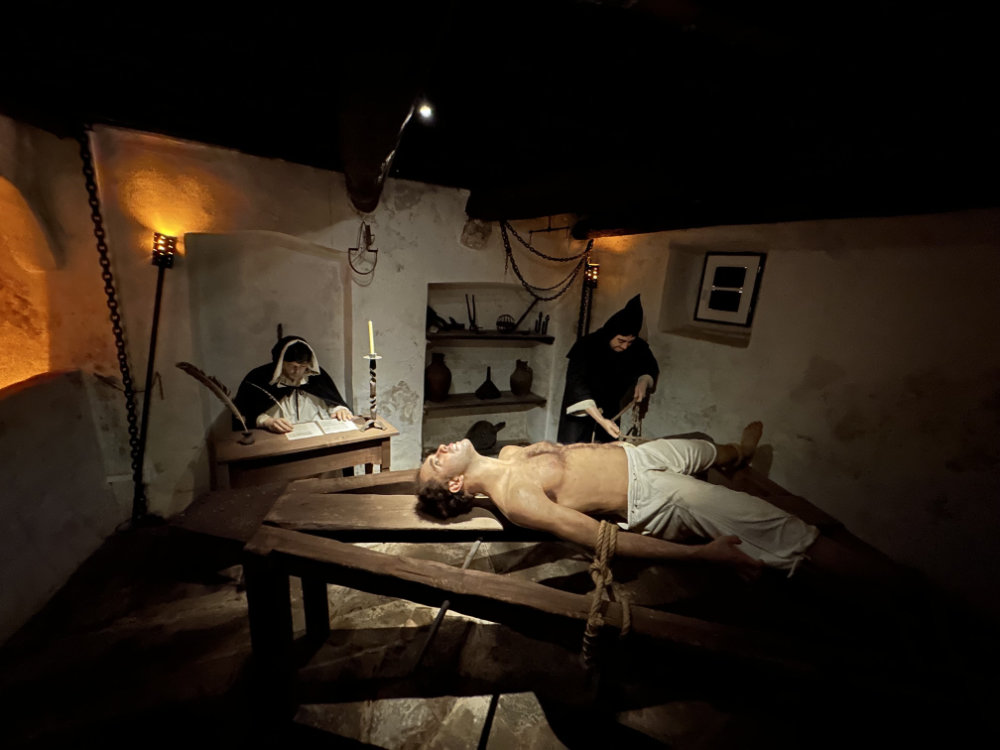
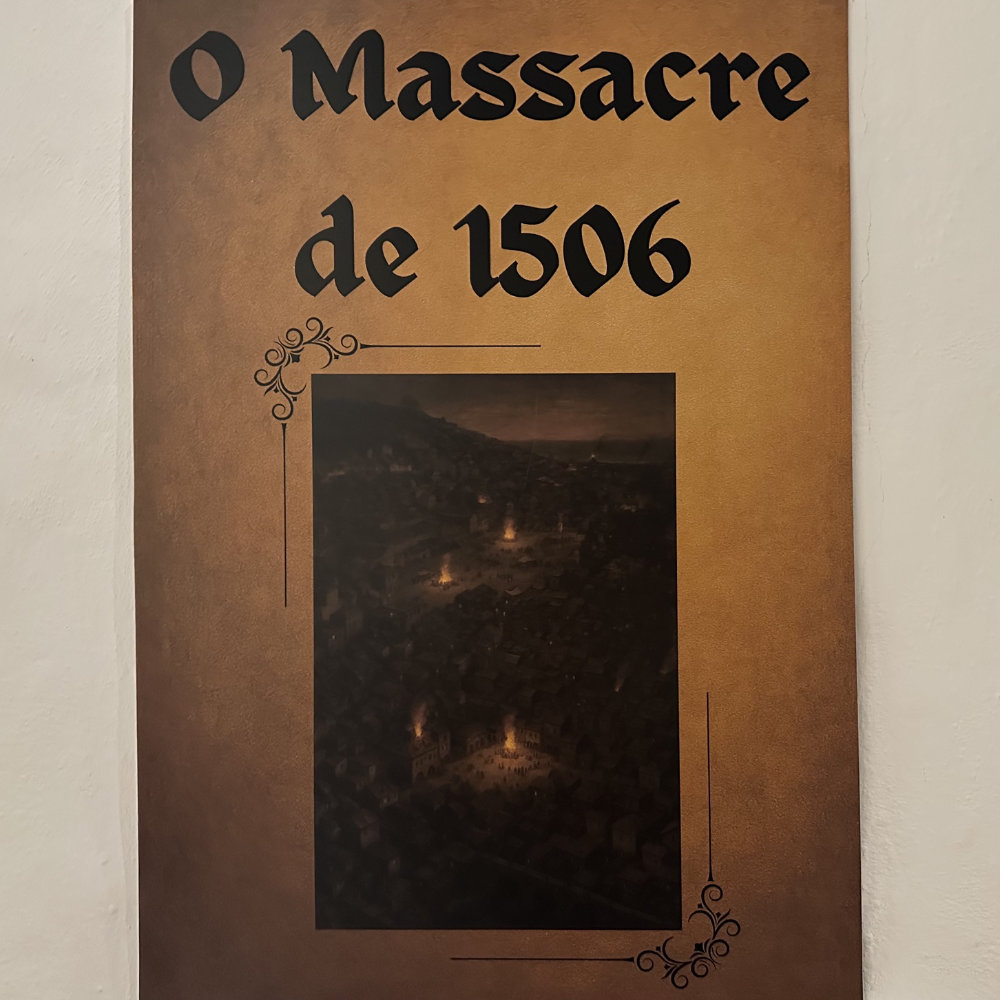
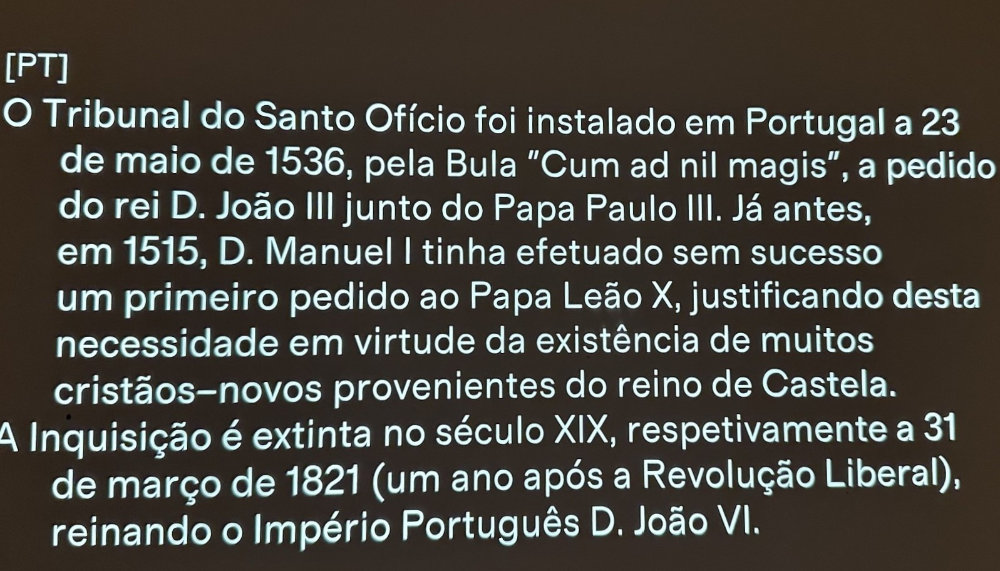
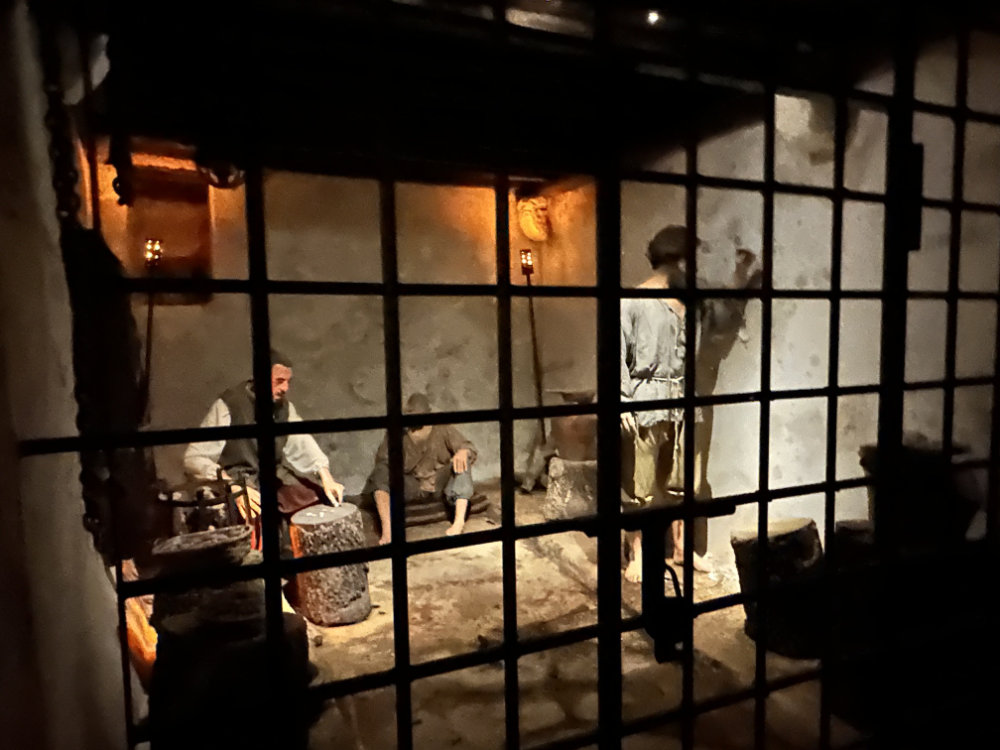
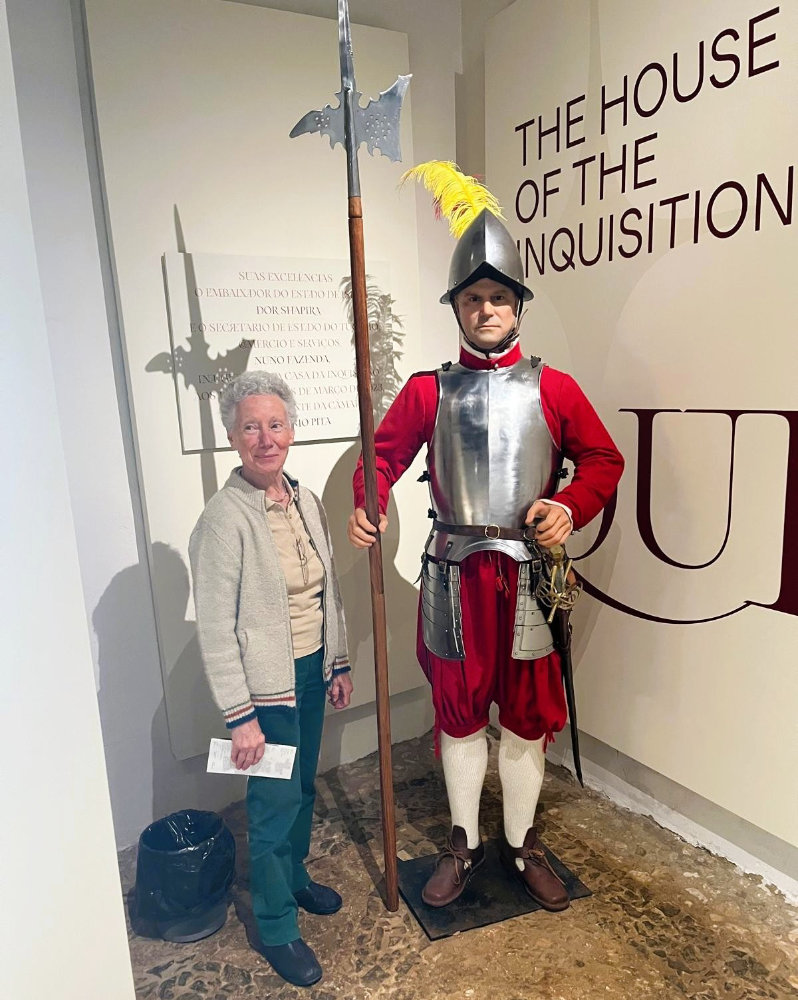
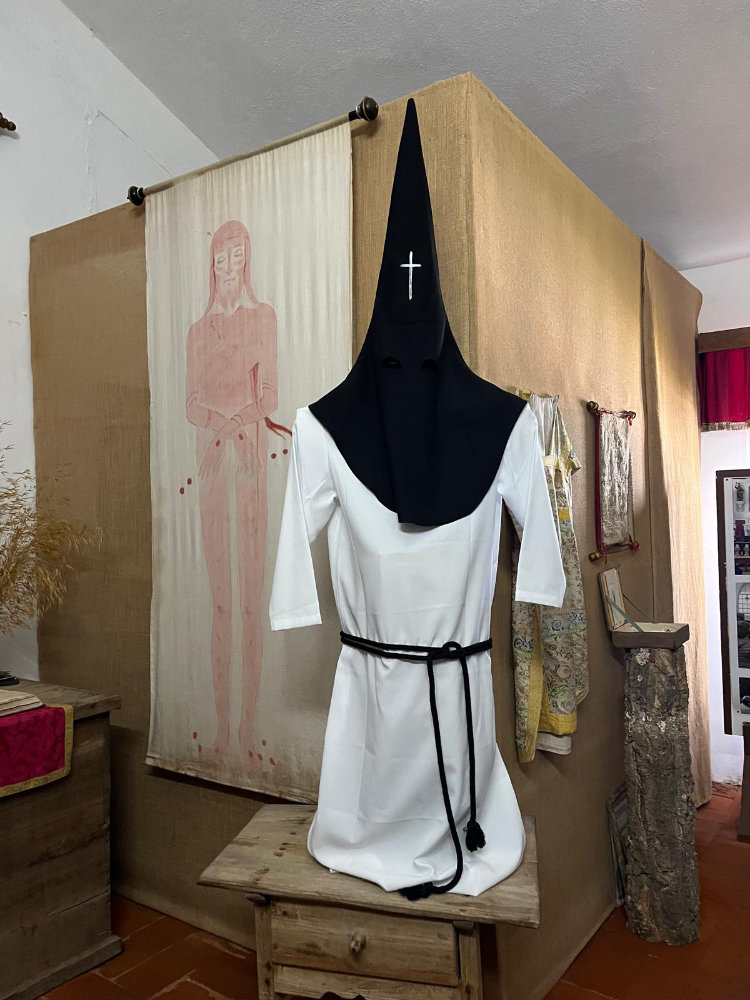
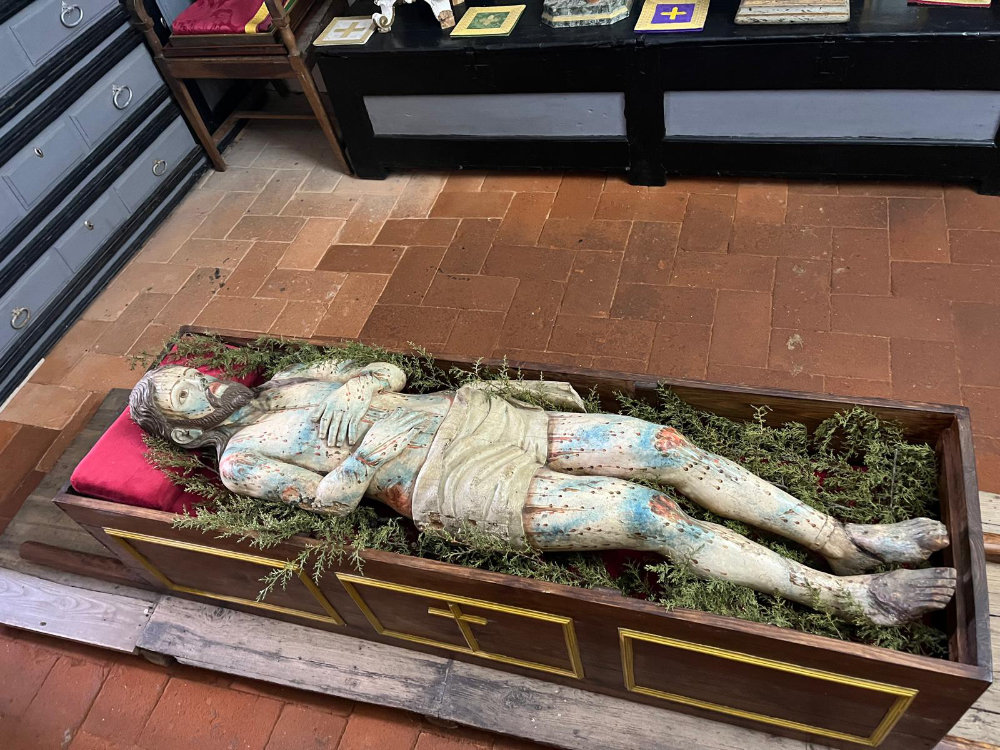
One of the most interesting visits took place at the House of the Inquisition, one of the “children” of our guide Susana, which recalls a difficult and significant period of Portuguese history related to the persecution of Jewish communities following the establishment of the Inquisition Tribunal in 1536.
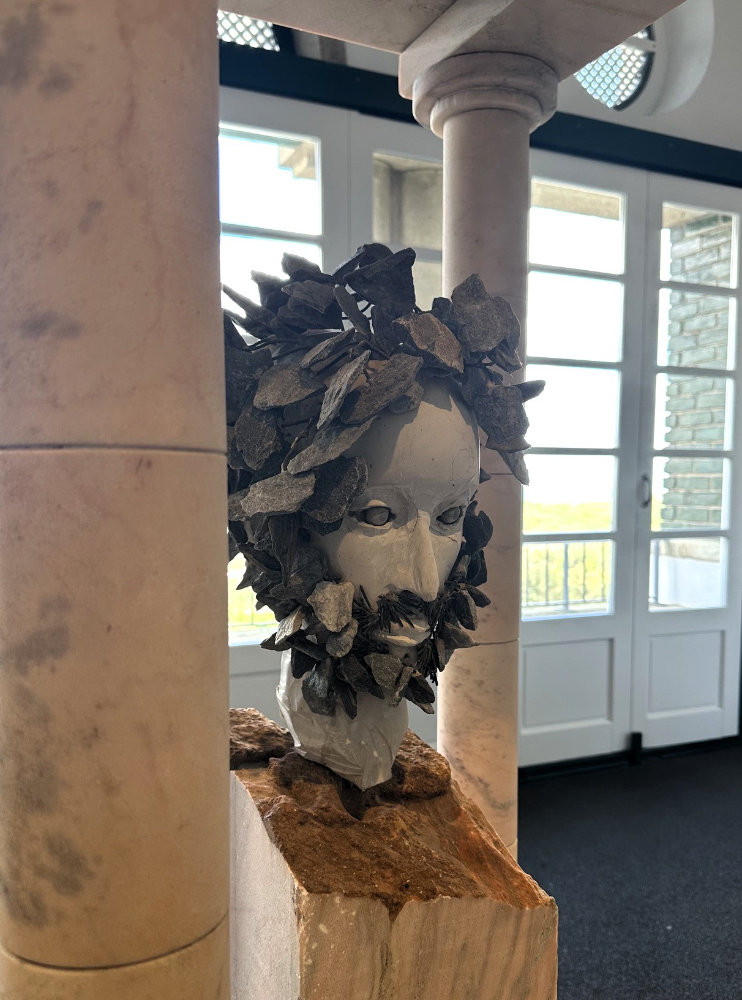
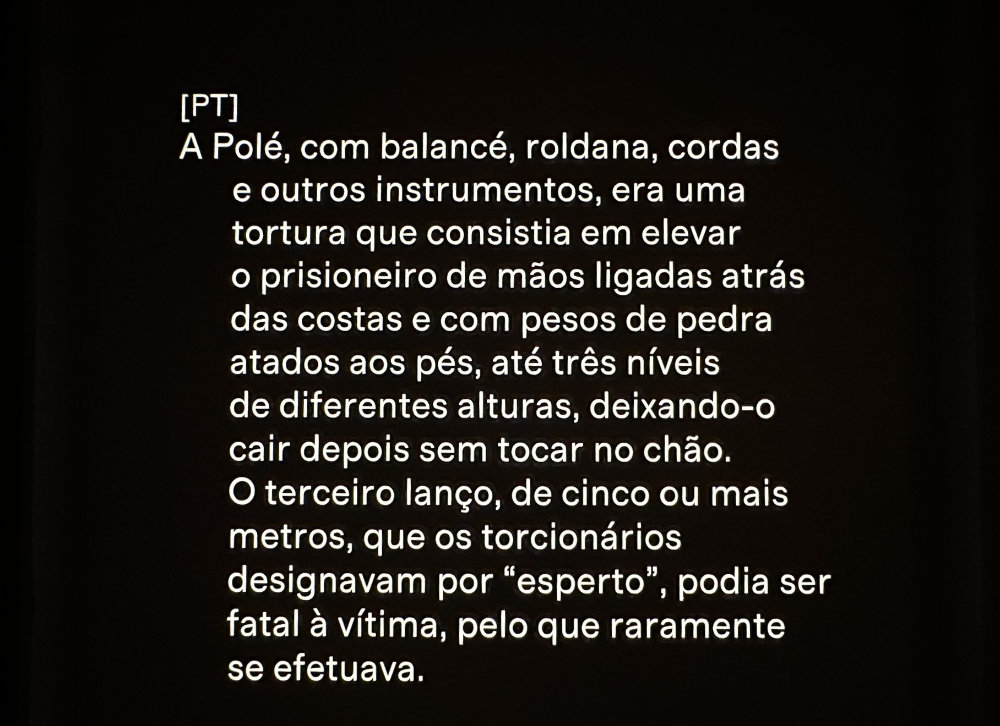
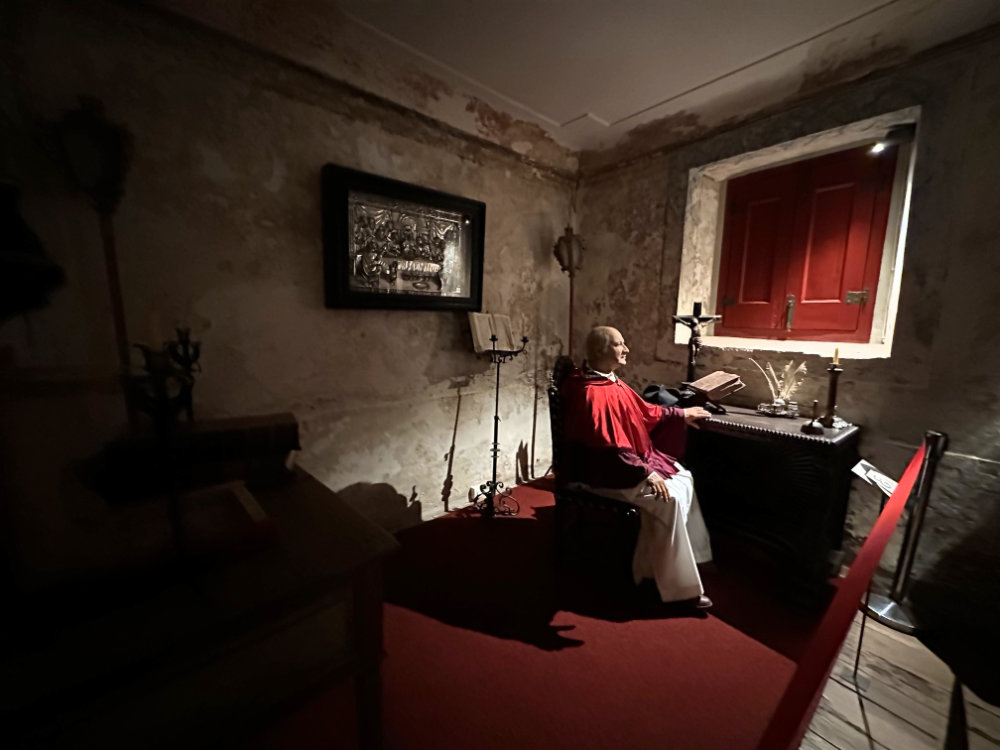
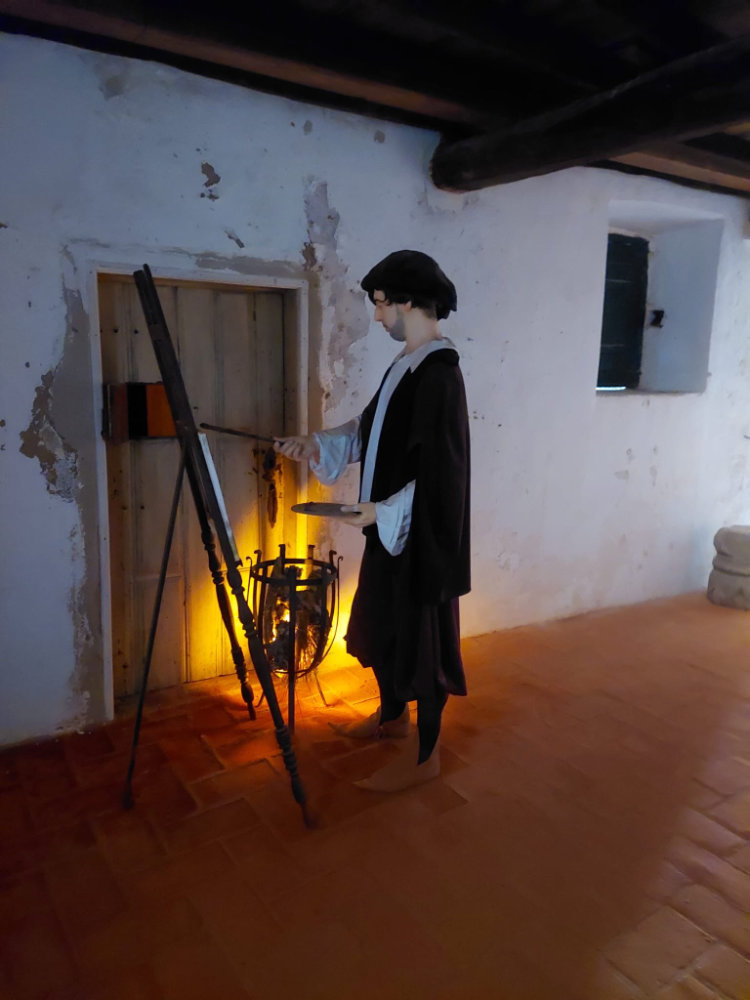
The realism of the silicone figures representing the different scenes of the Inquisition (the auto-da-fé, the rack, the pulley torture device, the judgement chamber, etc.) is truly impressive, looking almost like real actors, perhaps because some local residents served as models for the figures.
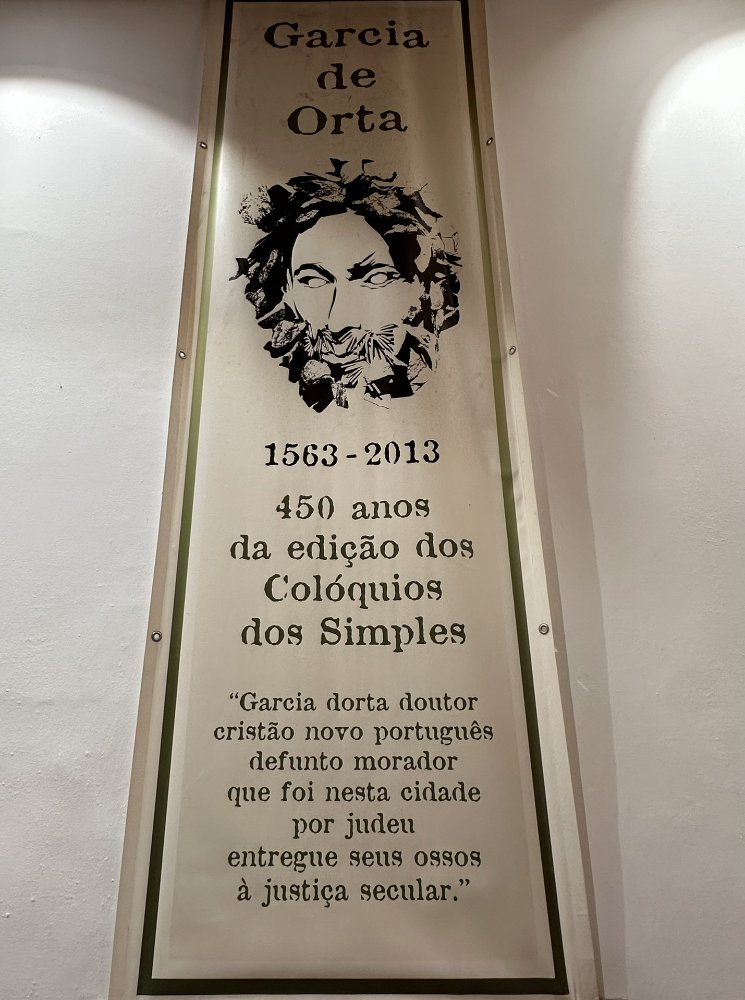
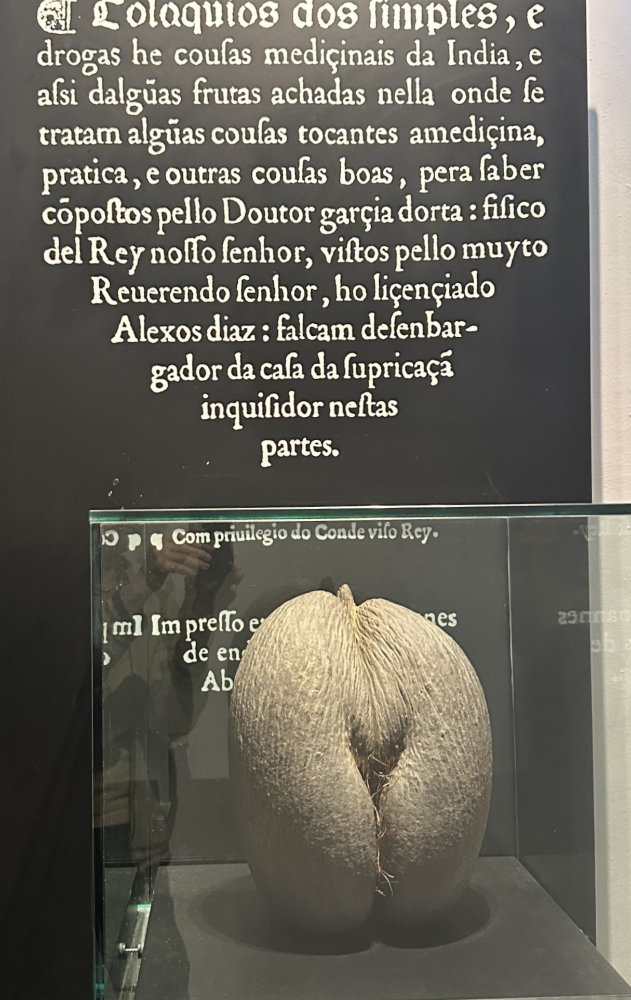
Garcia de Orta Museum
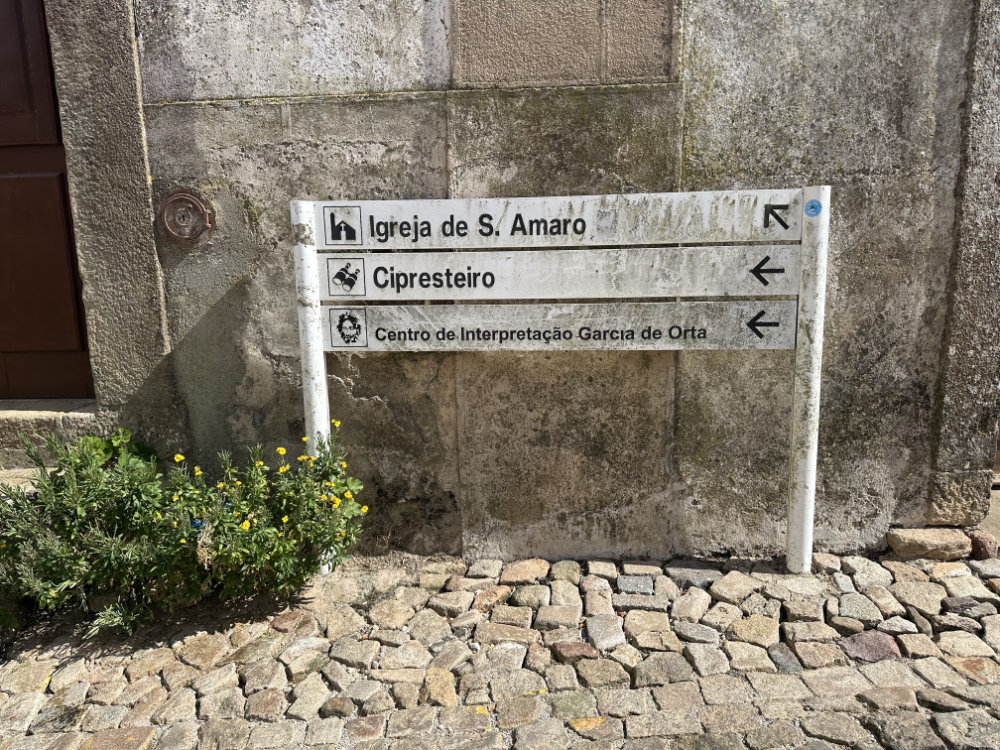
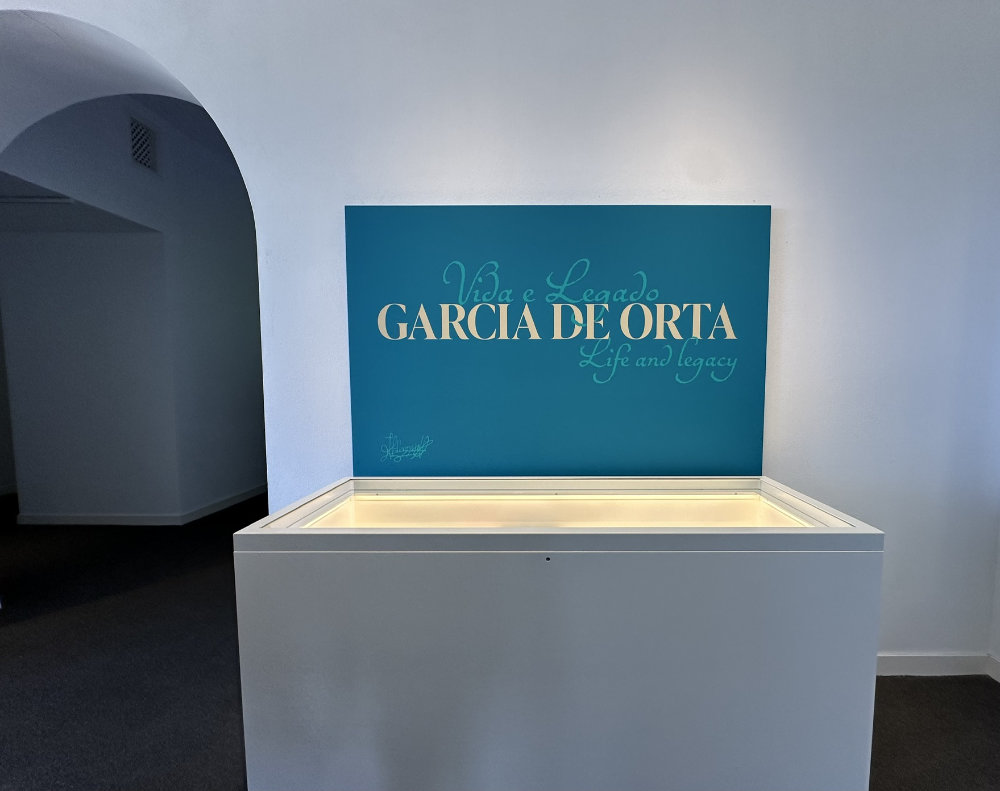
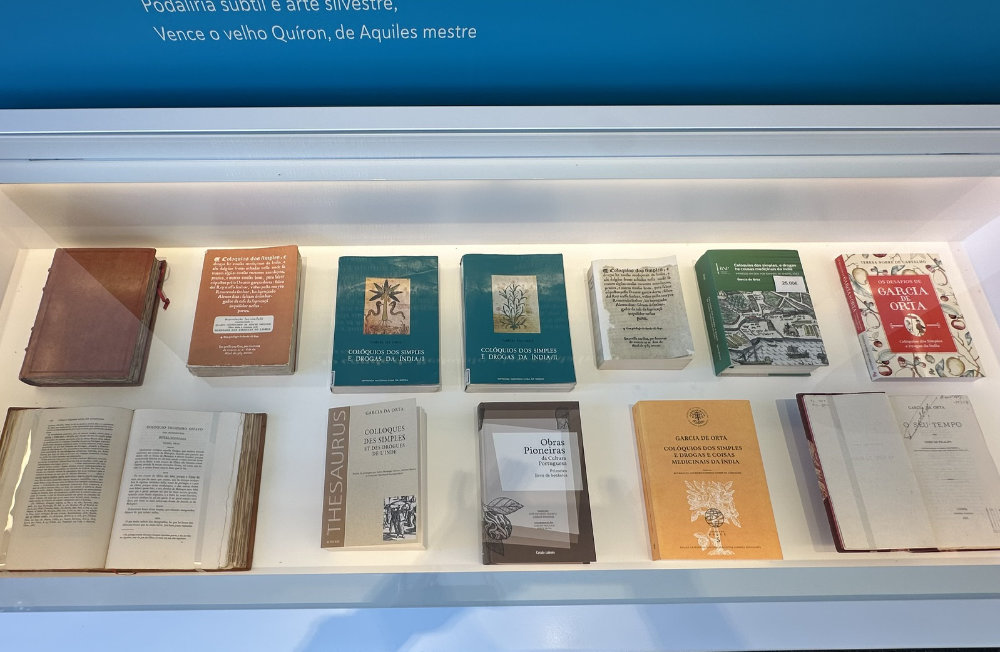
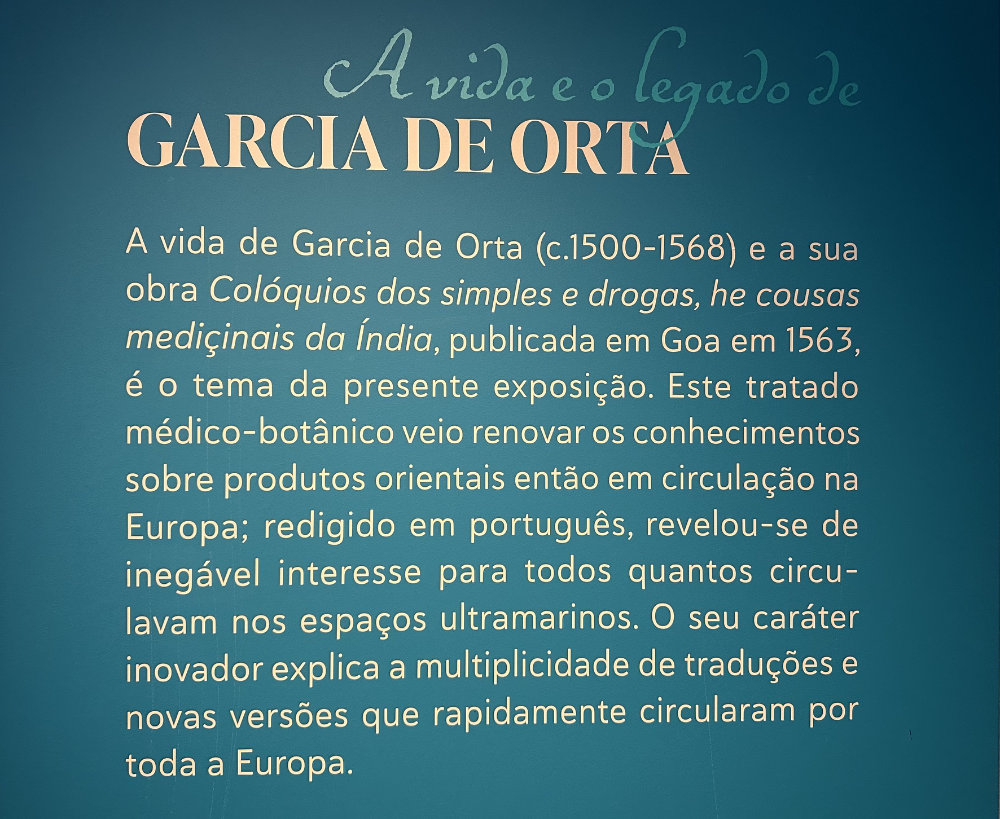
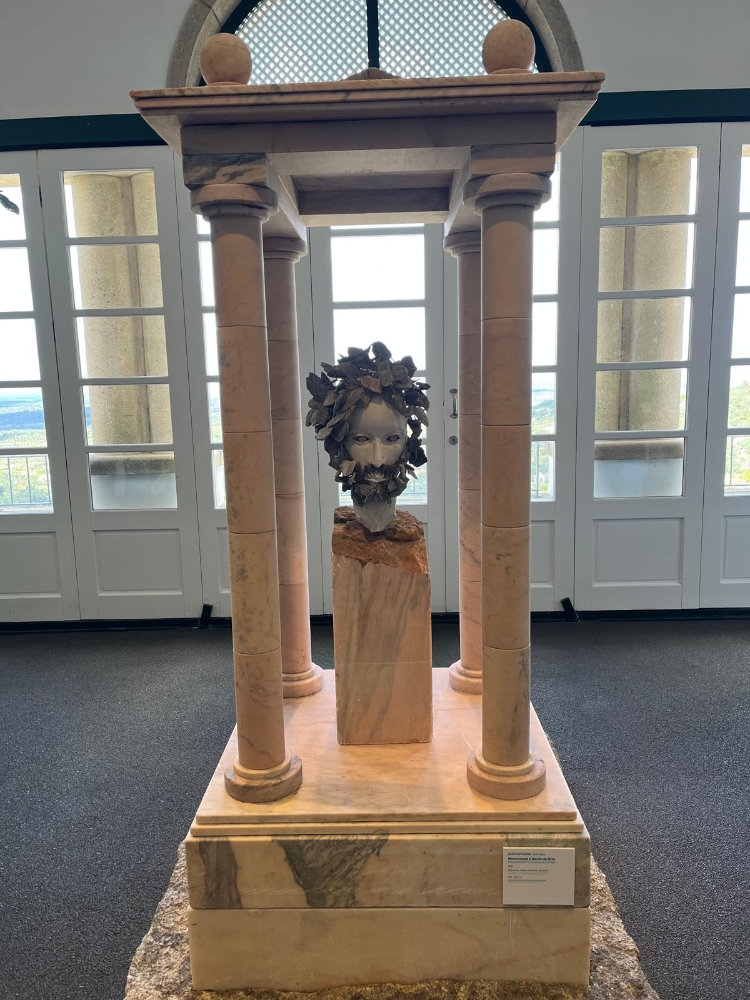
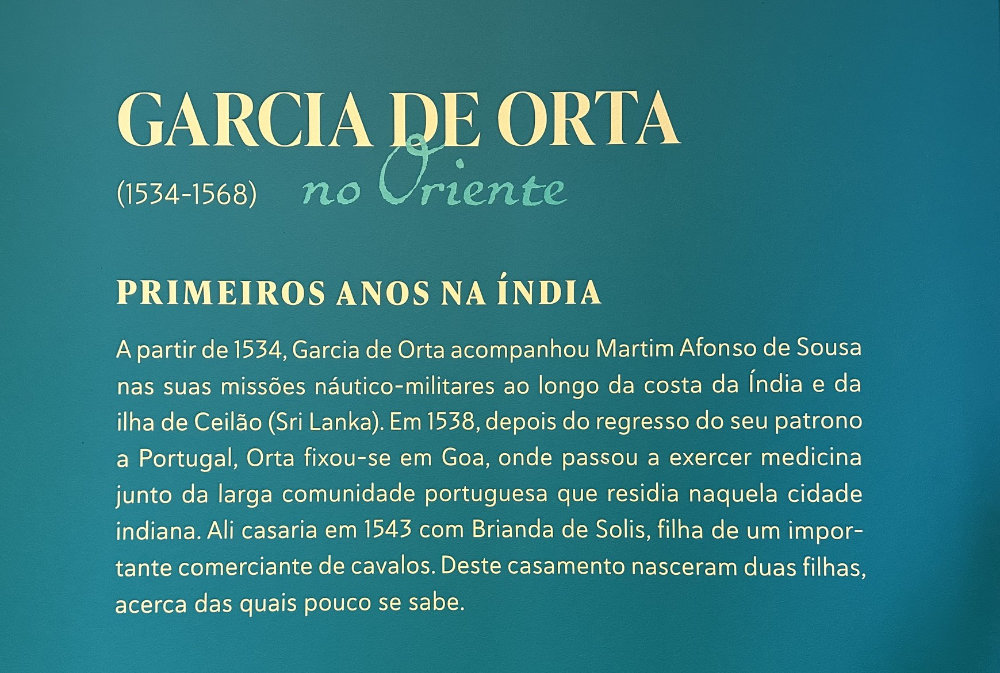
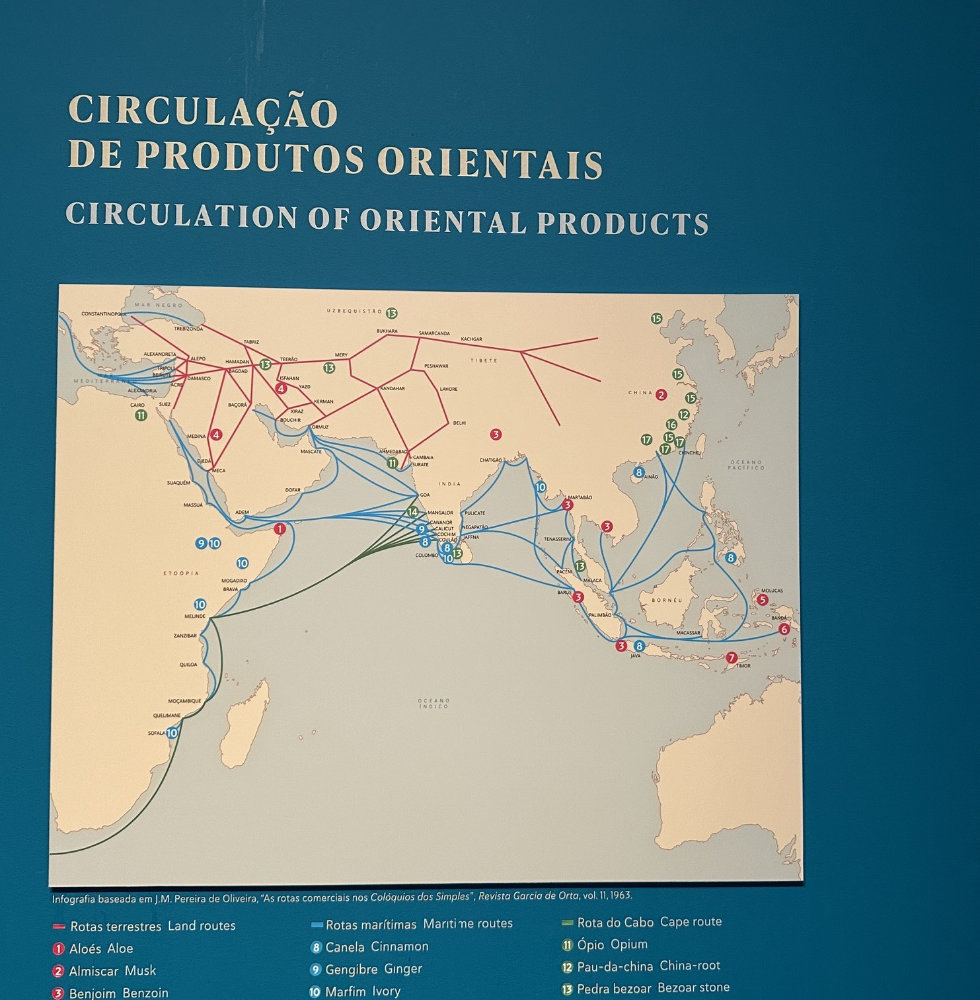
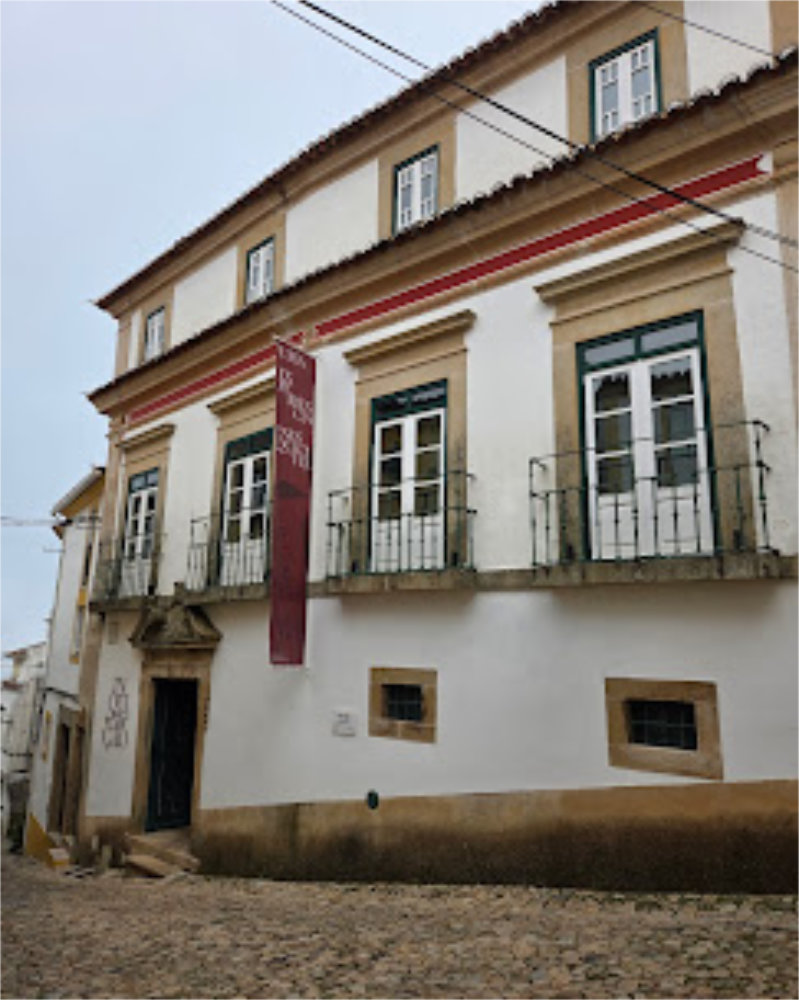
The guided tour ended at the Garcia de Orta Museum, the second “child” of Susana Machado, which honors the famous physician, botanist and naturalist born in Castelo de Vide in the 16th century, who became renowned for his innovative scientific work during his time in Portuguese India.
The museum presents biographical, scientific and historical elements related to his life and legacy.
Nossa Senhora da Penha
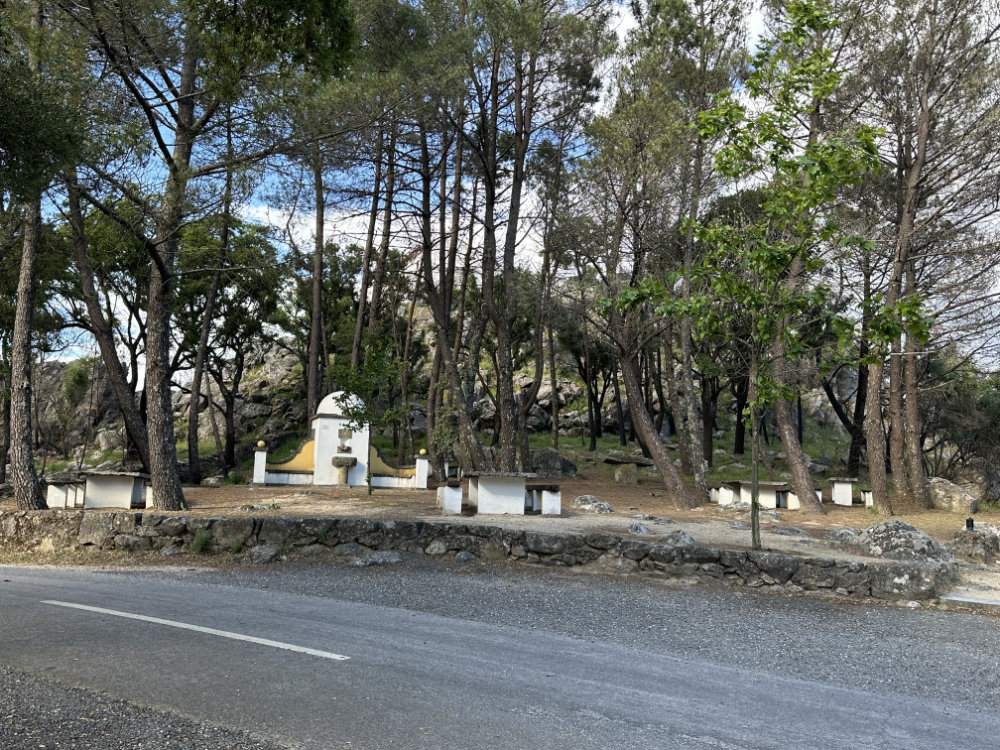
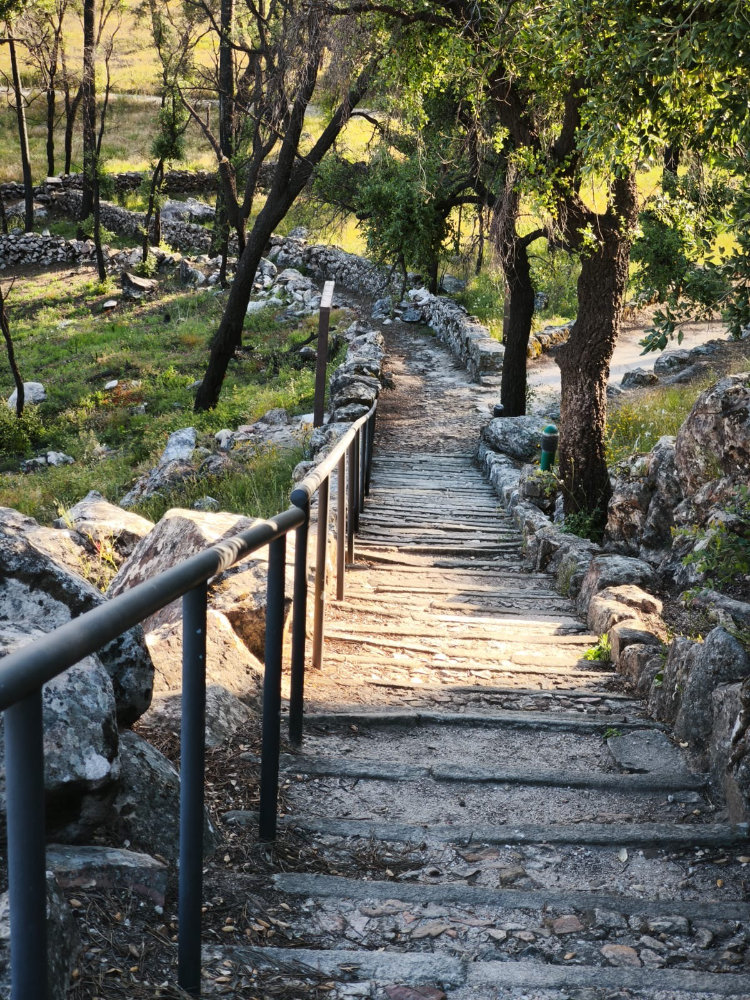
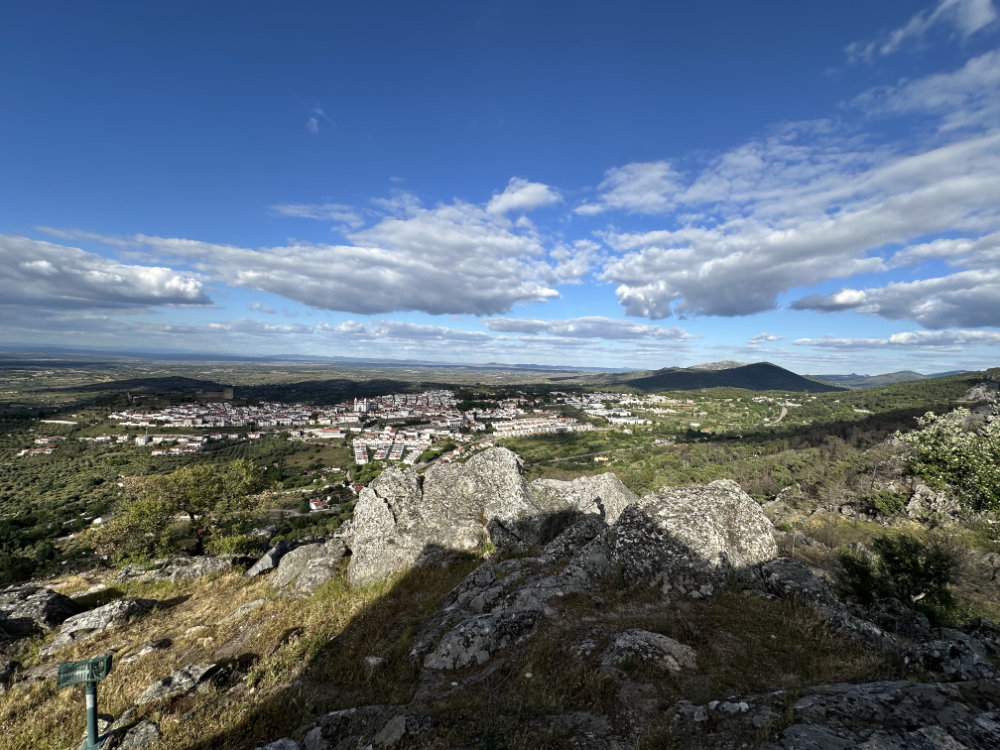
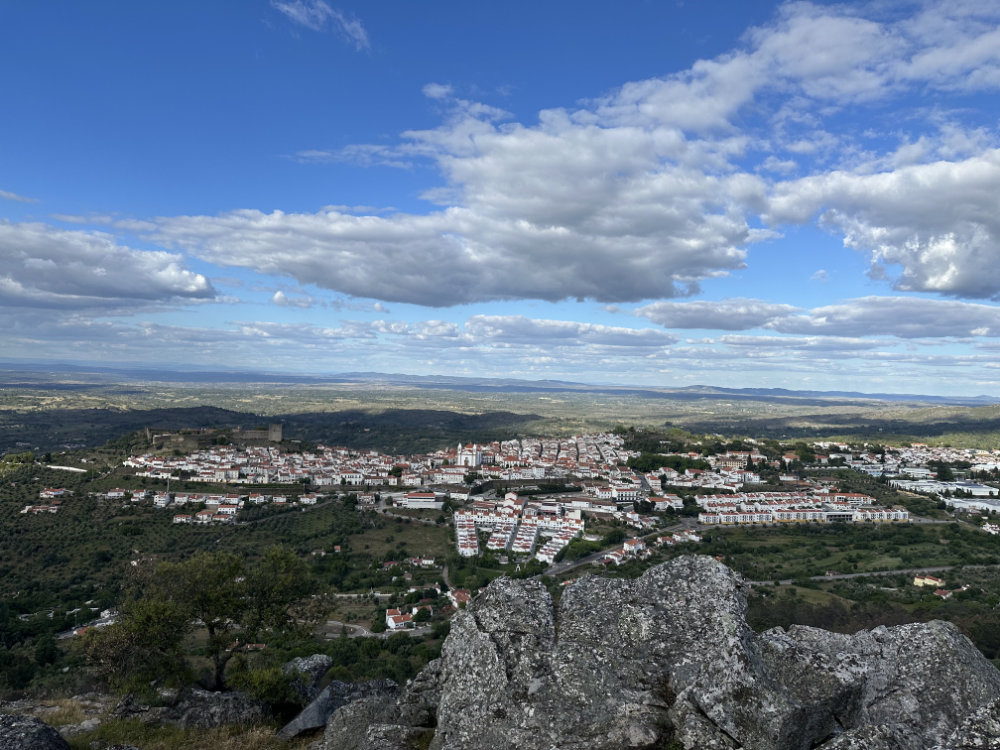
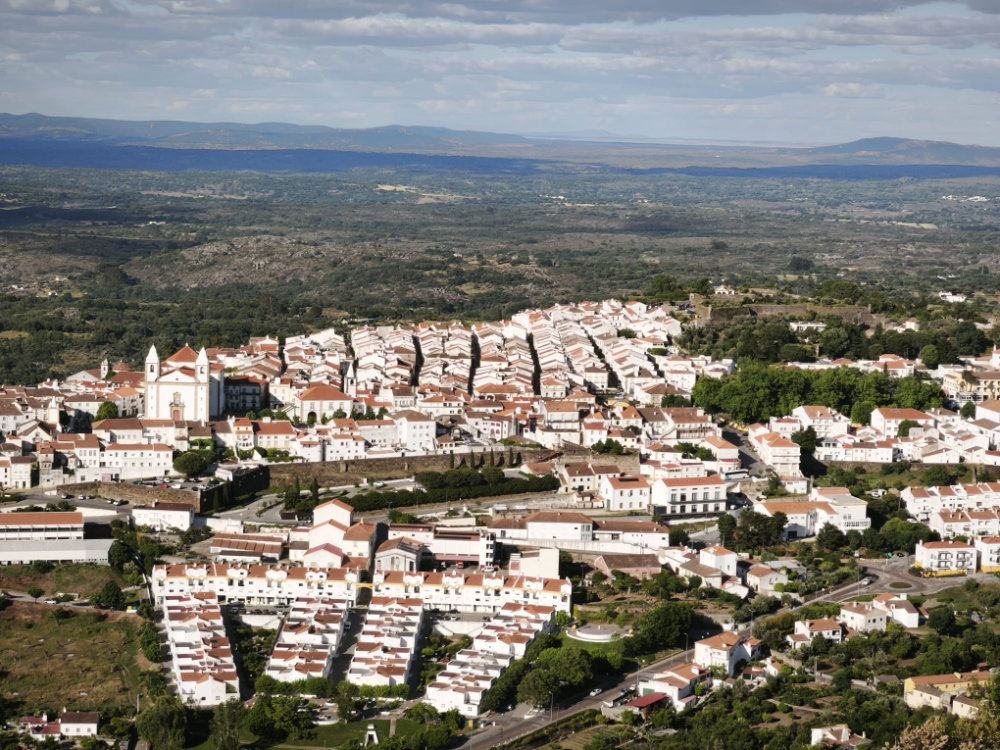
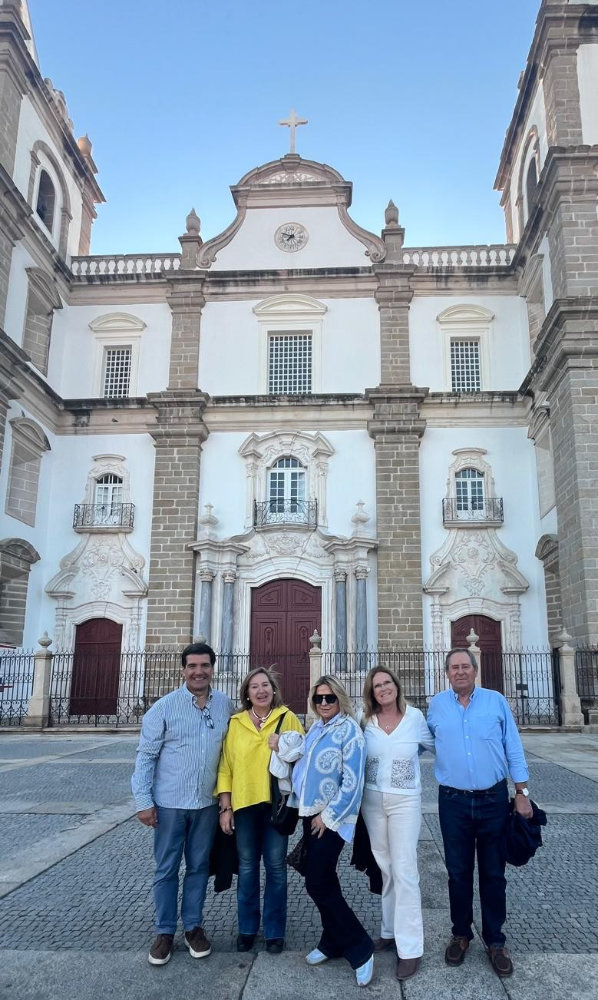
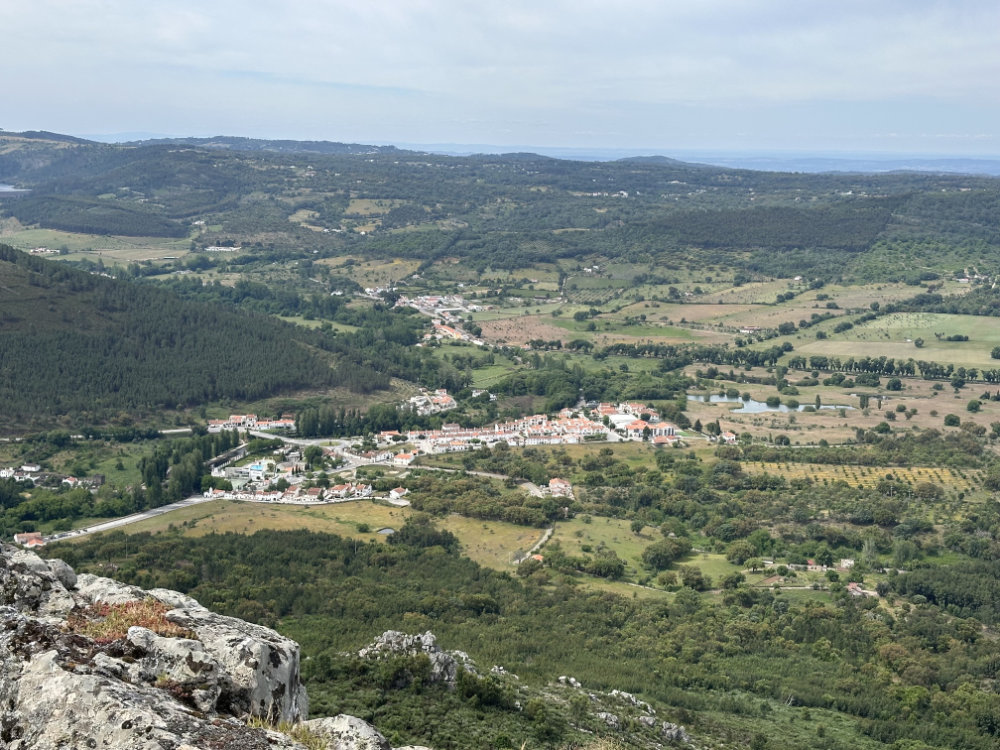
After the guided tour, the group drove their MGs to one of the highest points in the region, the Sanctuary of Nossa Senhora da Penha, where they enjoyed breathtaking views over Castelo de Vide and the surrounding landscape.
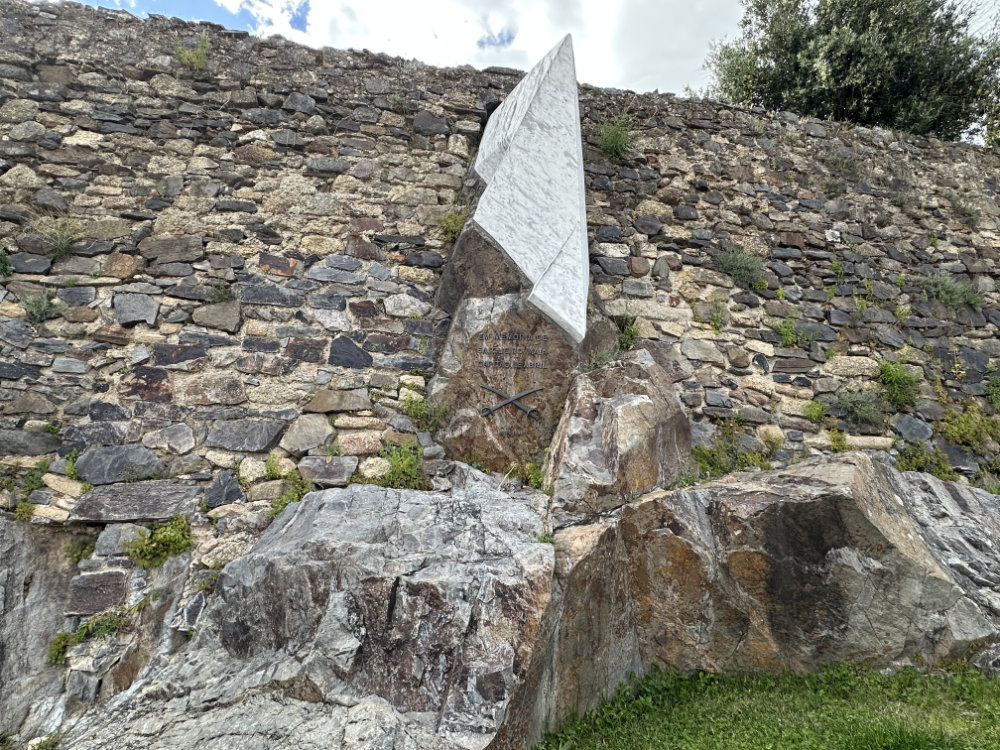
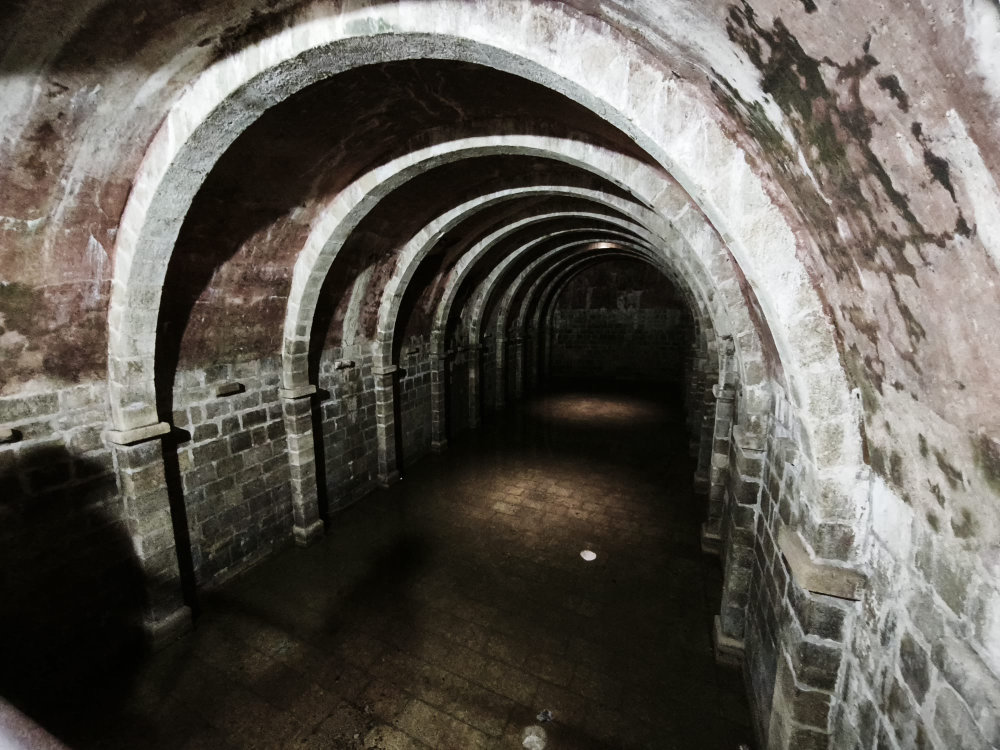
Nearby lies the impressive geological fault of Castelo de Vide, a testimony to the geological evolution of the São Mamede mountains.
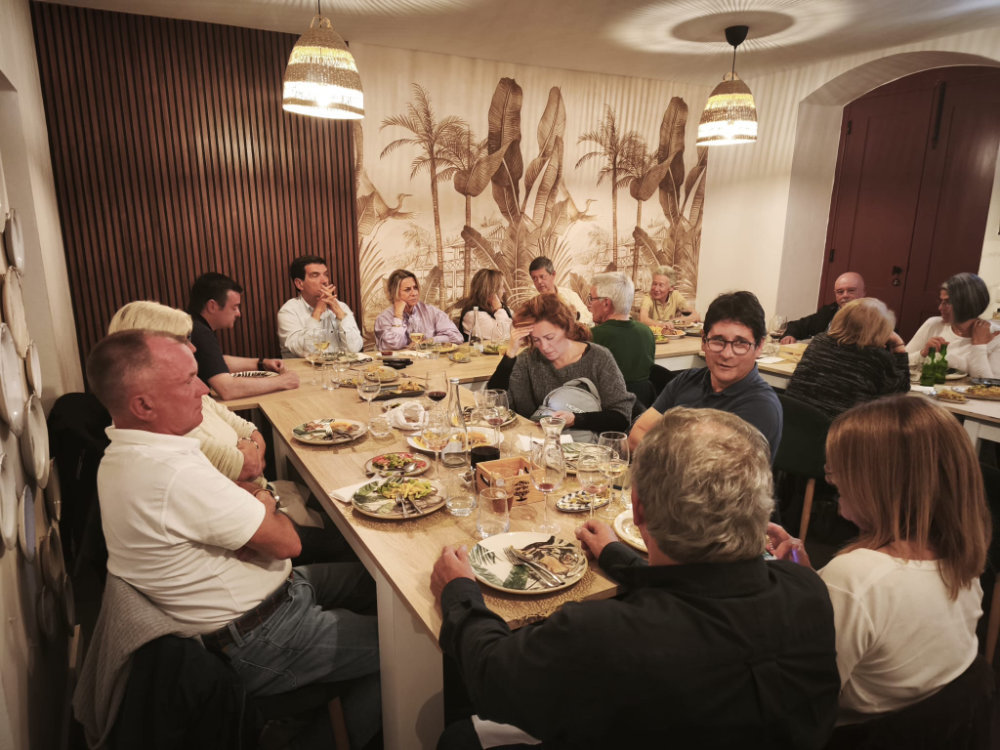
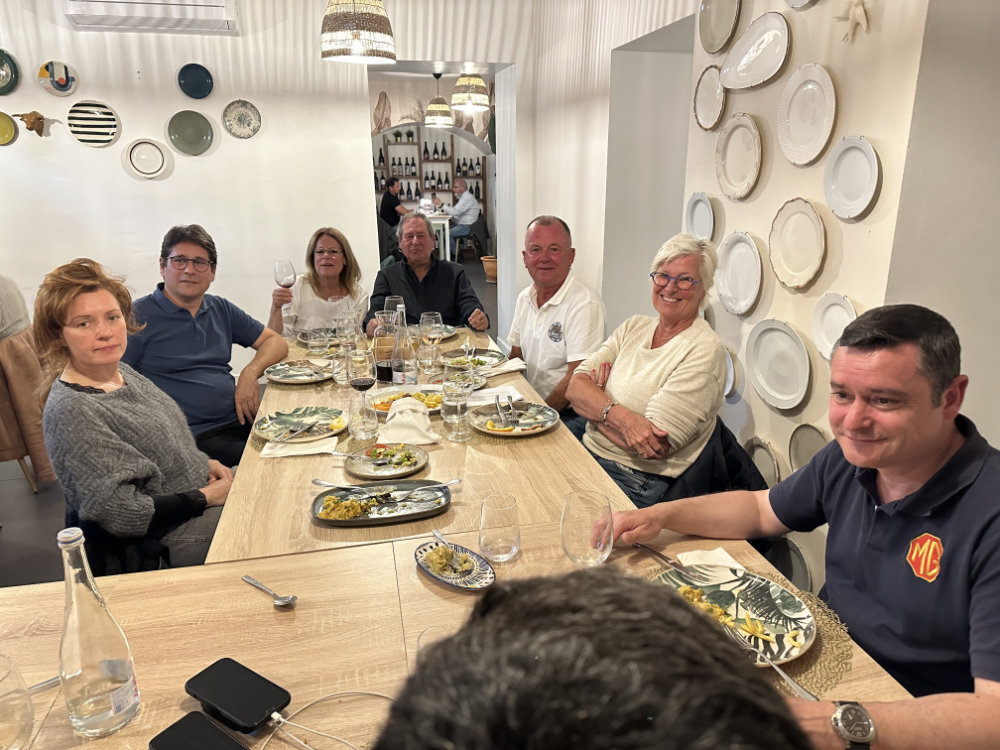
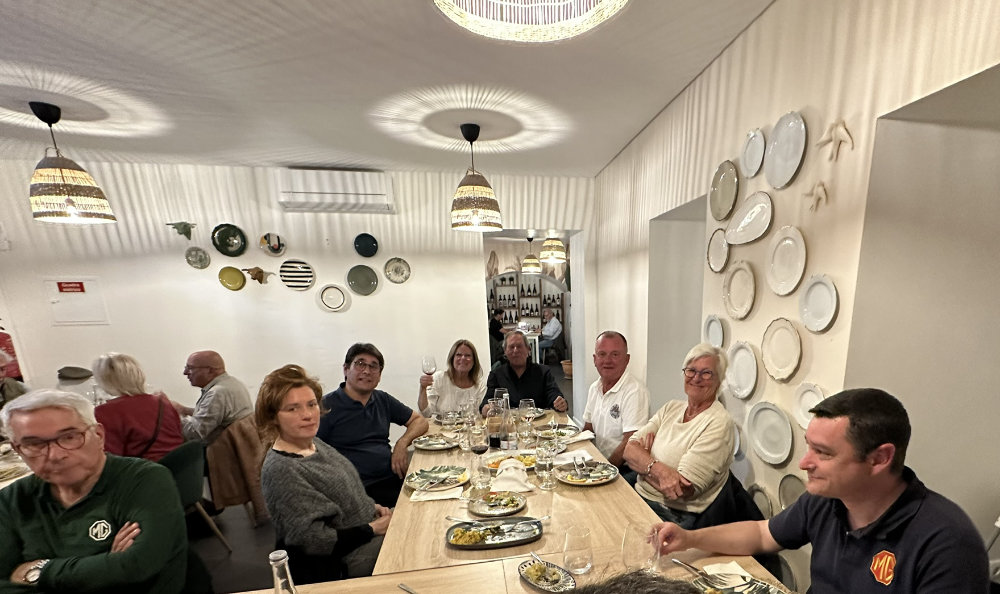
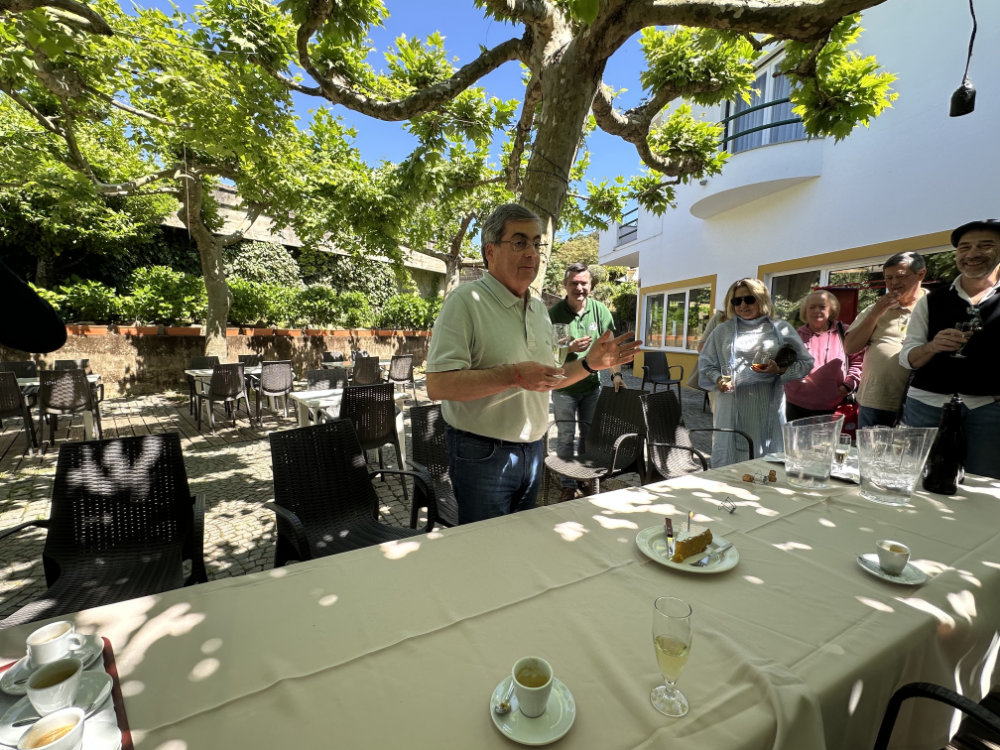
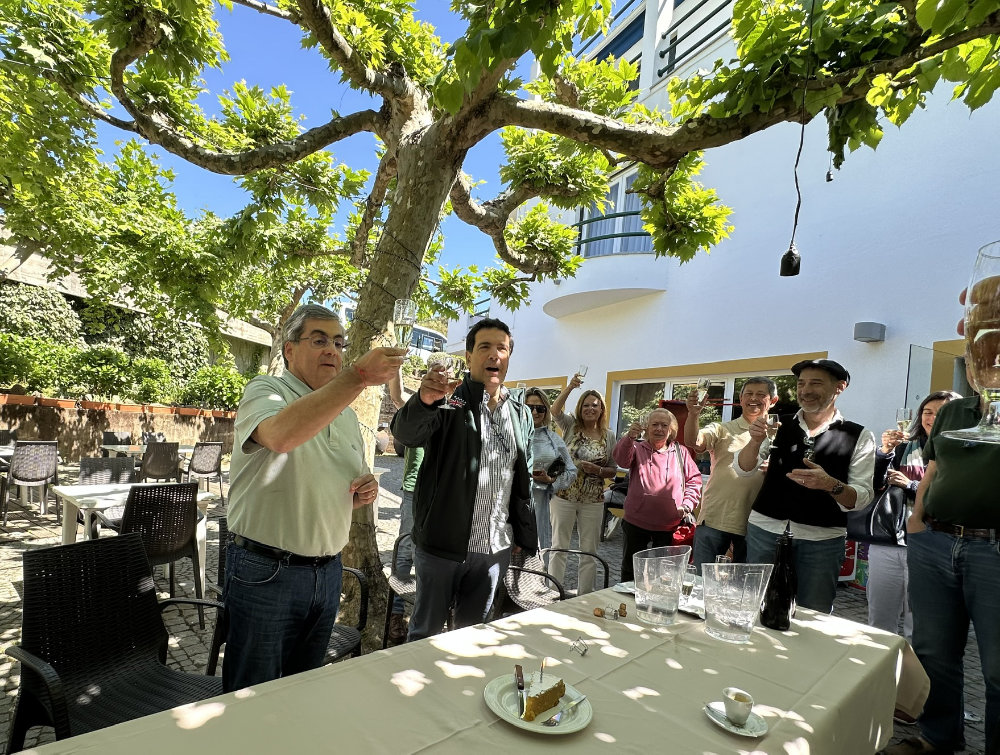
Here the group enjoyed a traditional “Boleima” from Castelo de Vide as an afternoon snack before dinner at Restaurante 2 Marias, whose name refers to the owner’s two granddaughters. The menu included golden codfish and pork neck.
The day ended with the participants travelling in convoy to Portalegre, where they stayed overnight at Hotel José Régio.
Saturday Morning – Portalegre
In Portalegre, the balance between heritage and urban life stood out, with its elegant historic center, churches and convents of great architectural richness, as well as its strong connection to Alentejo traditions and culture.
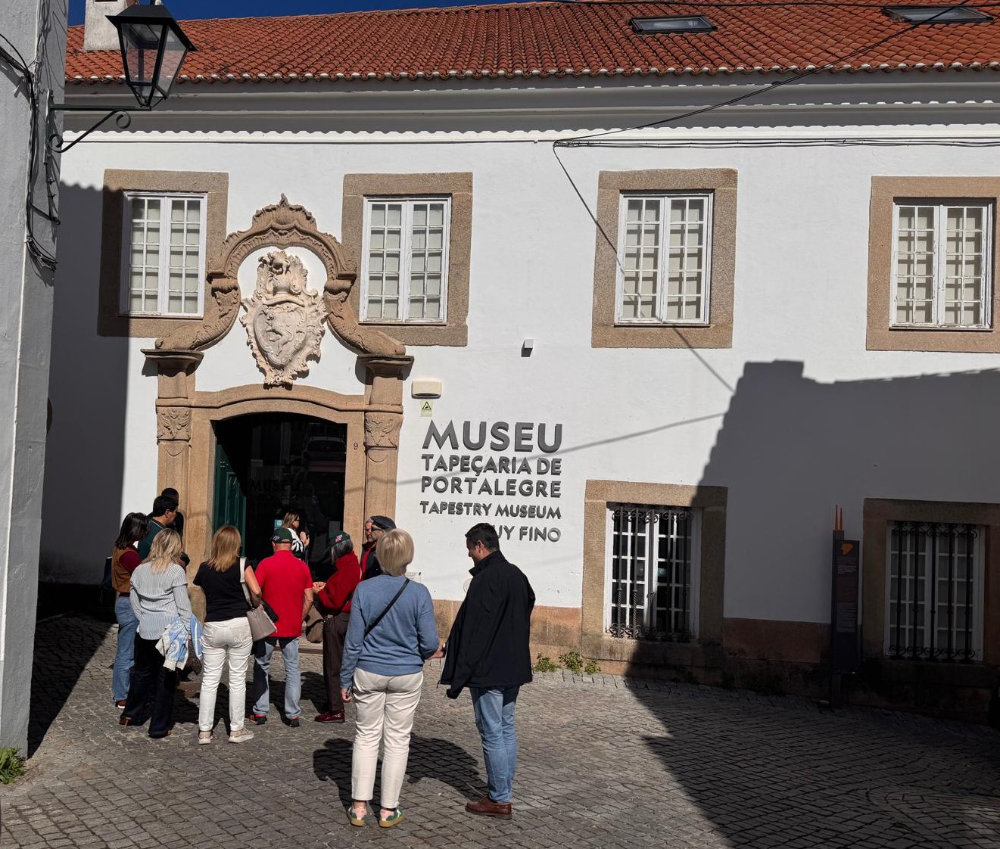
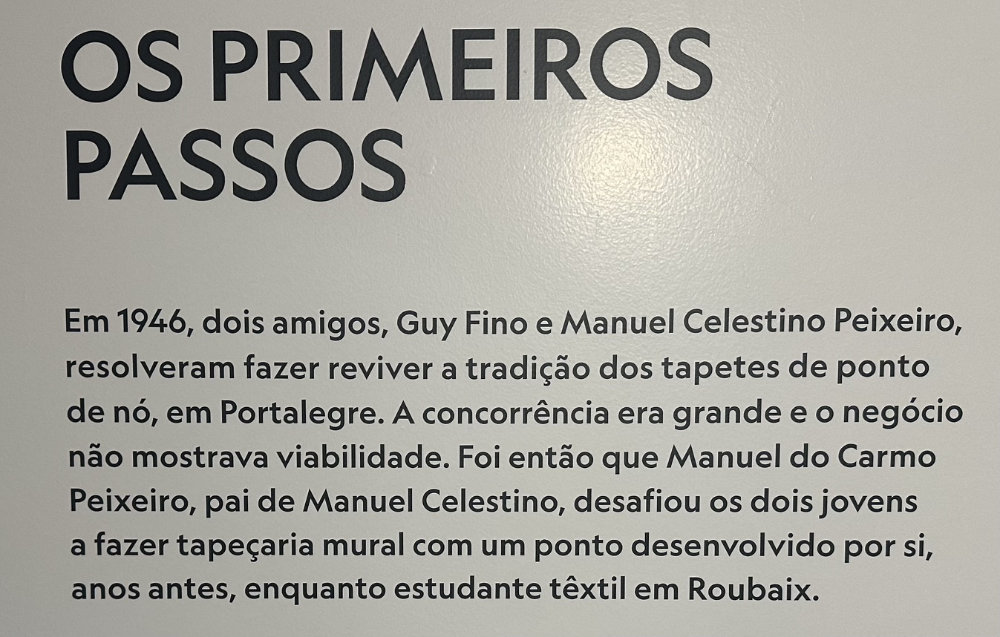
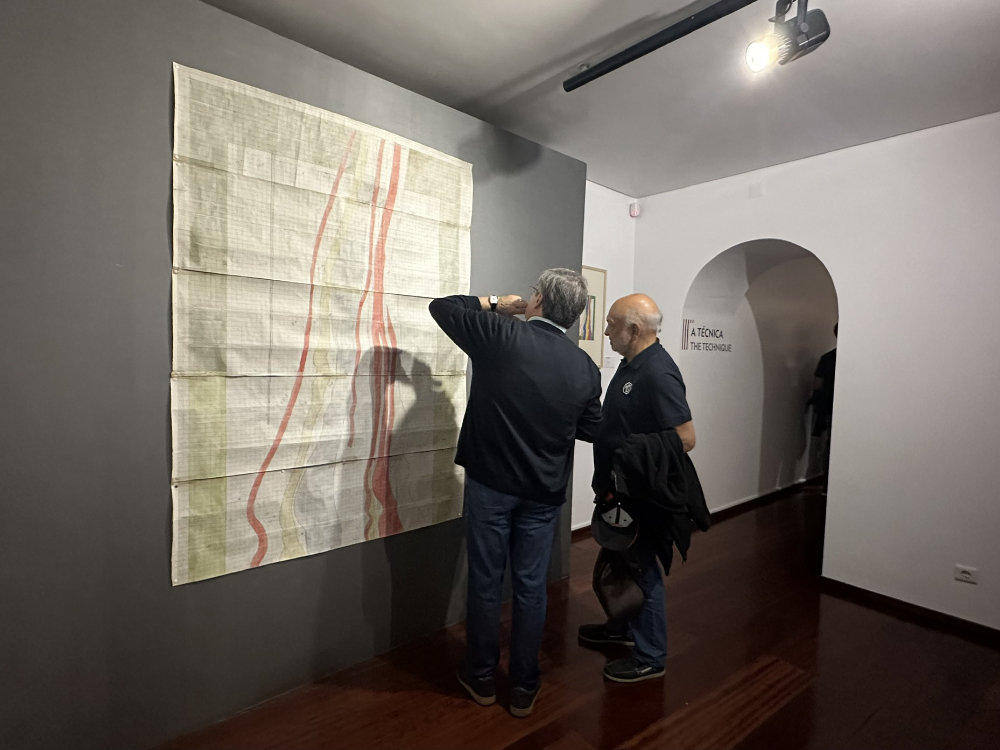
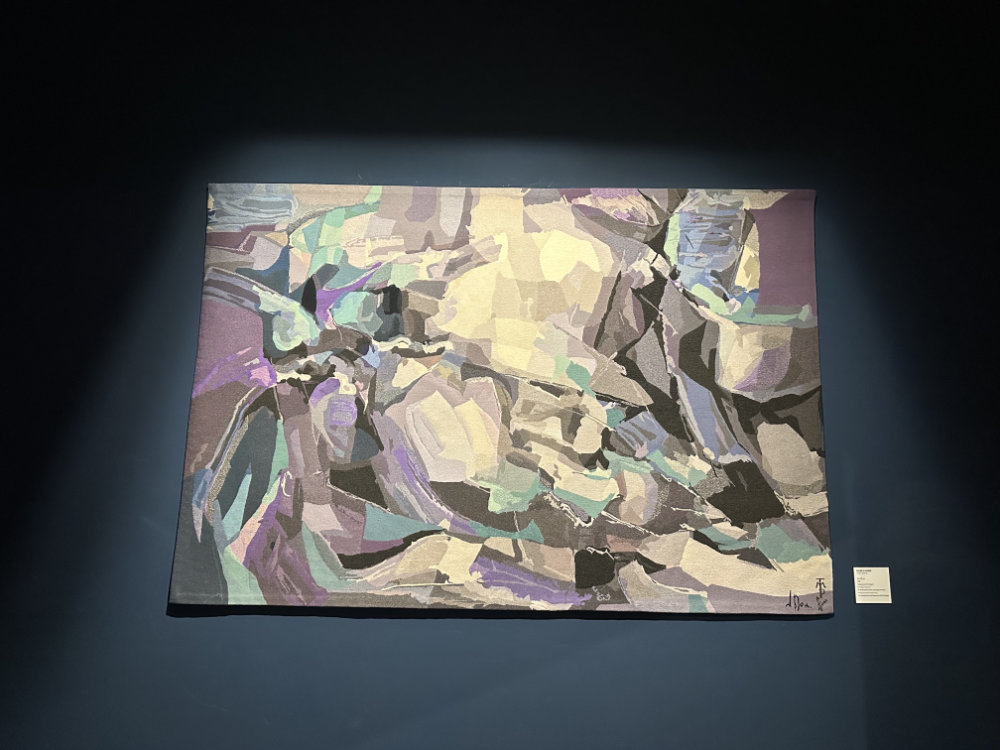
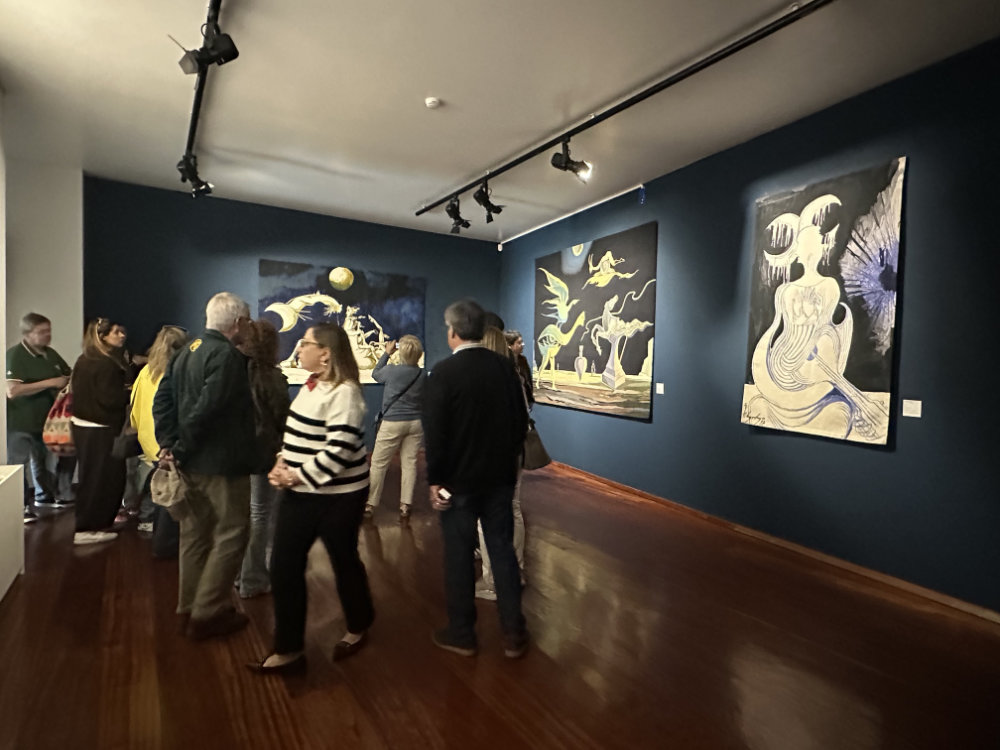
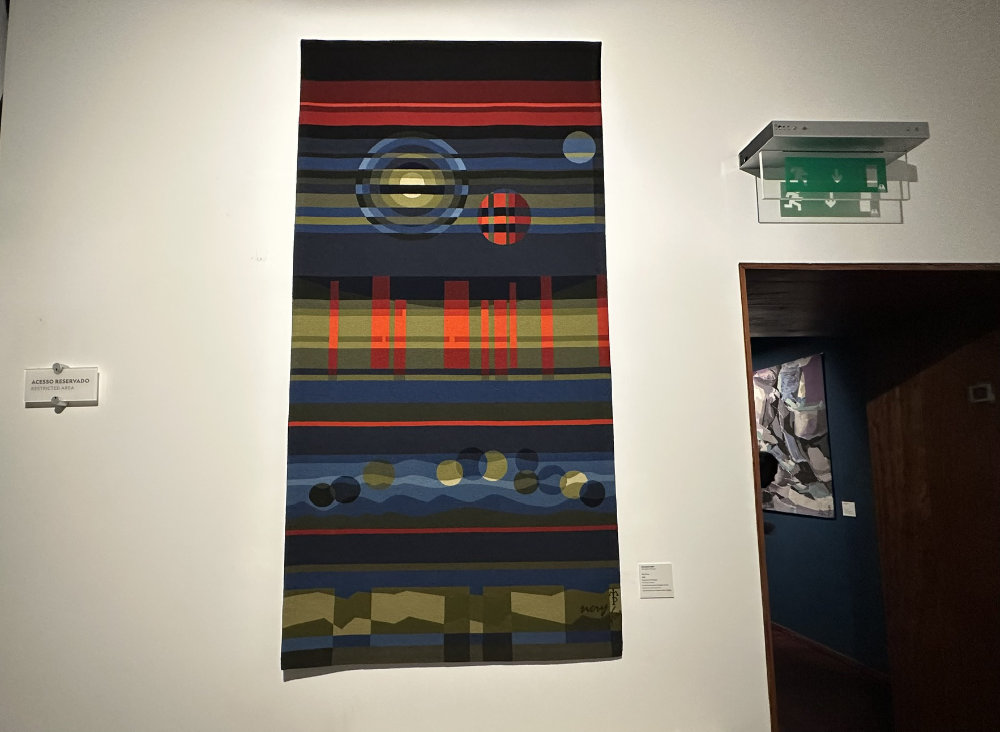
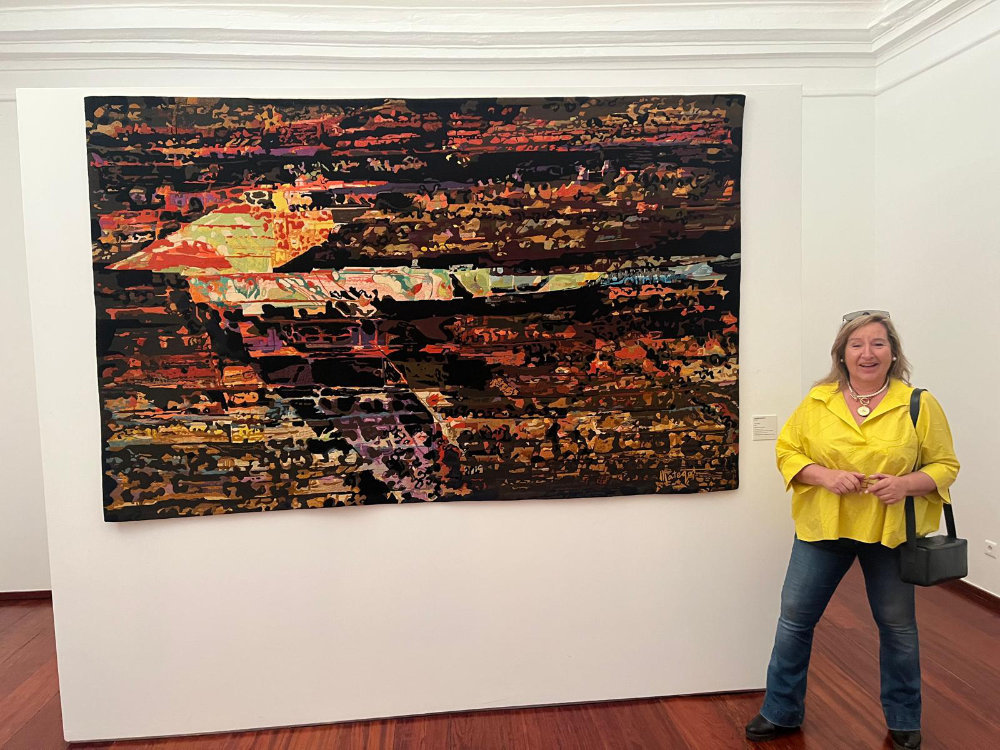
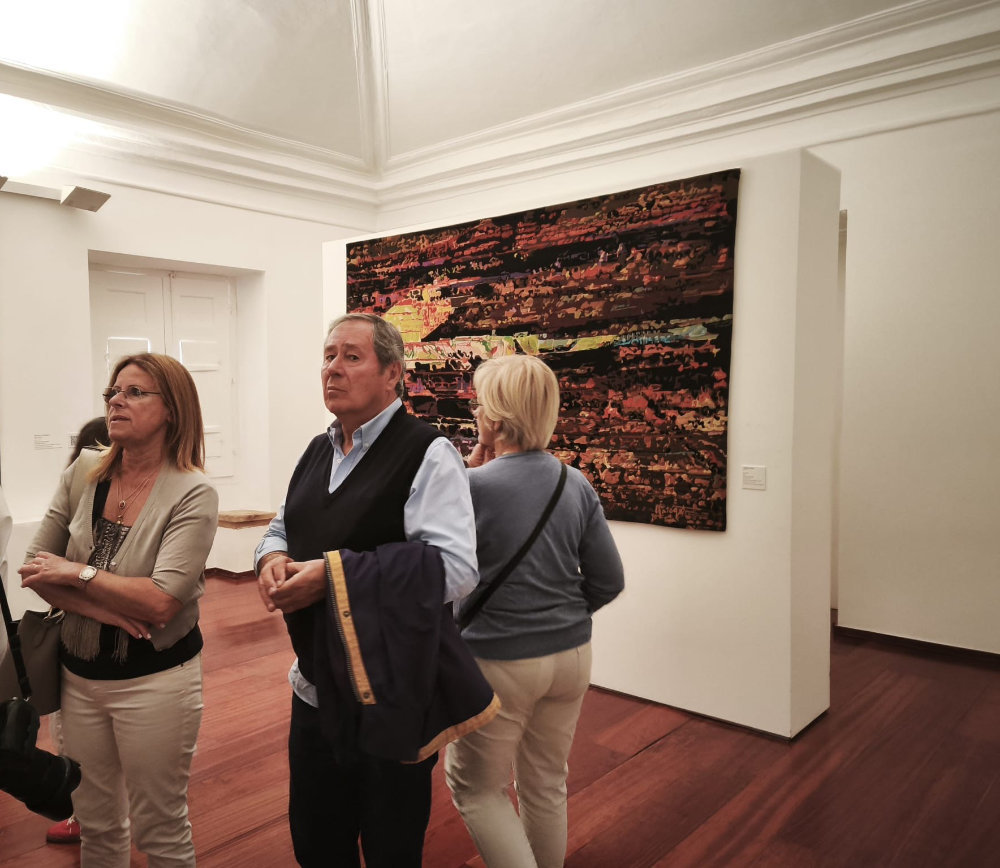
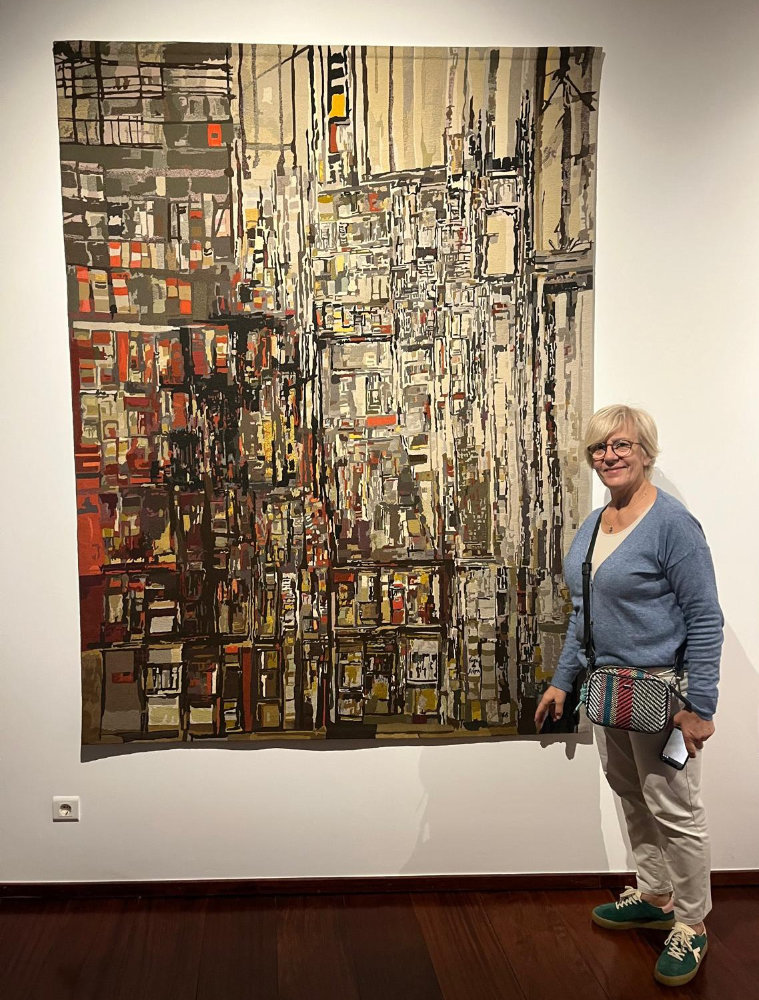
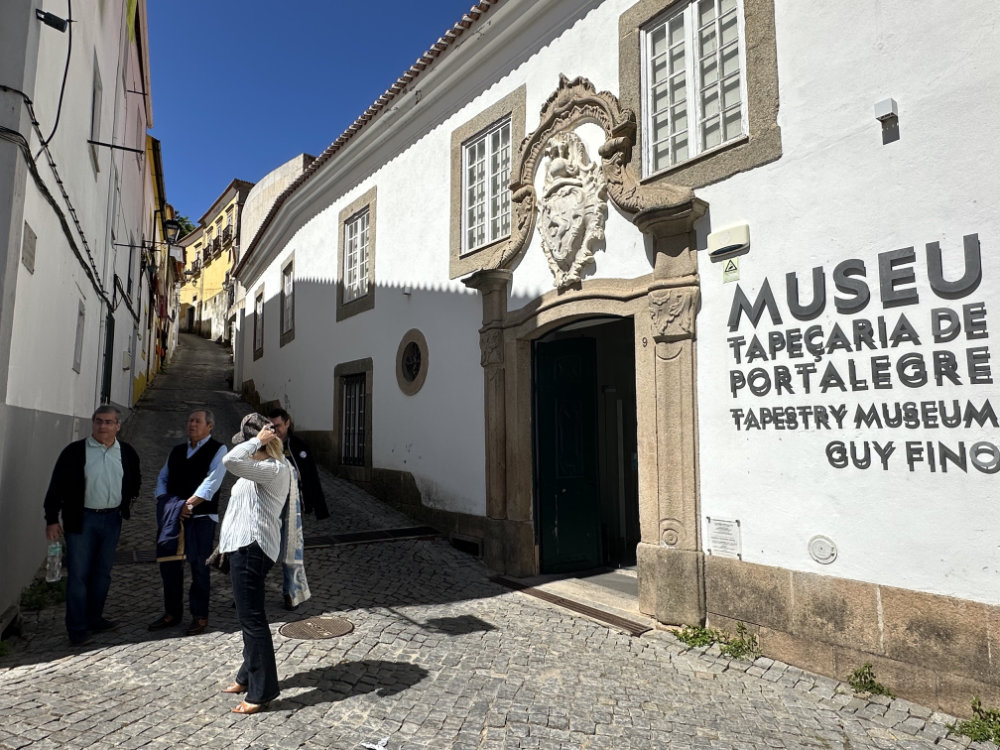
Portalegre Tapestry Museum
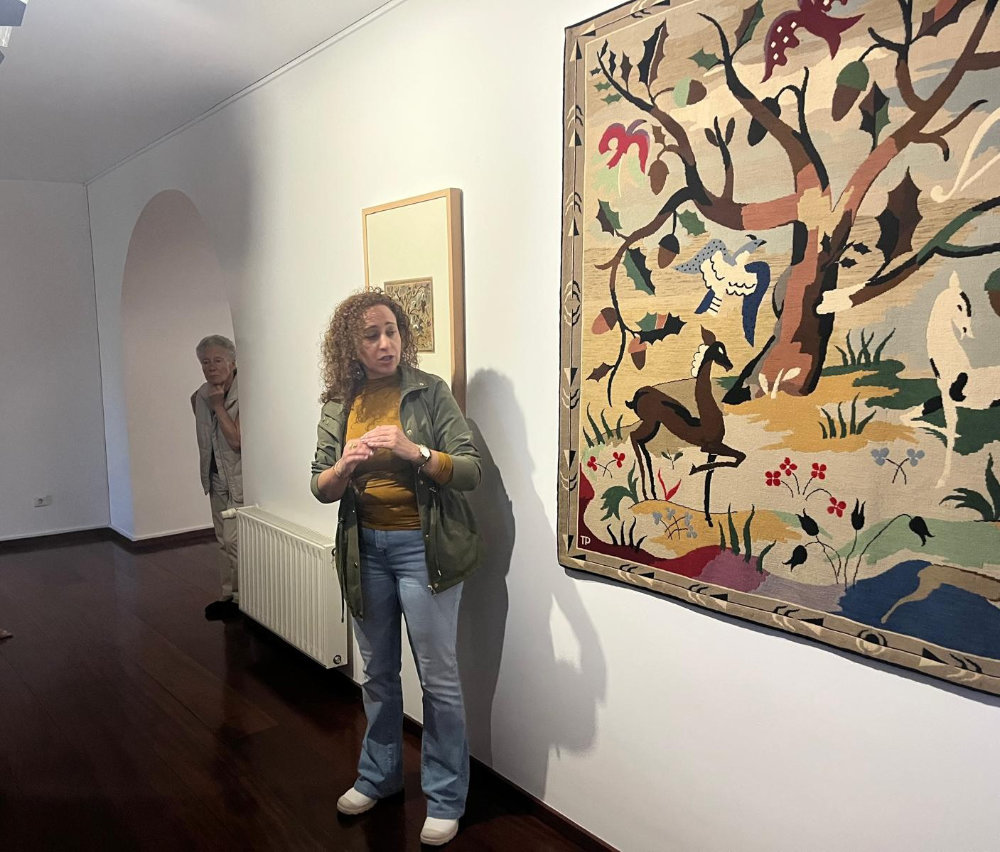
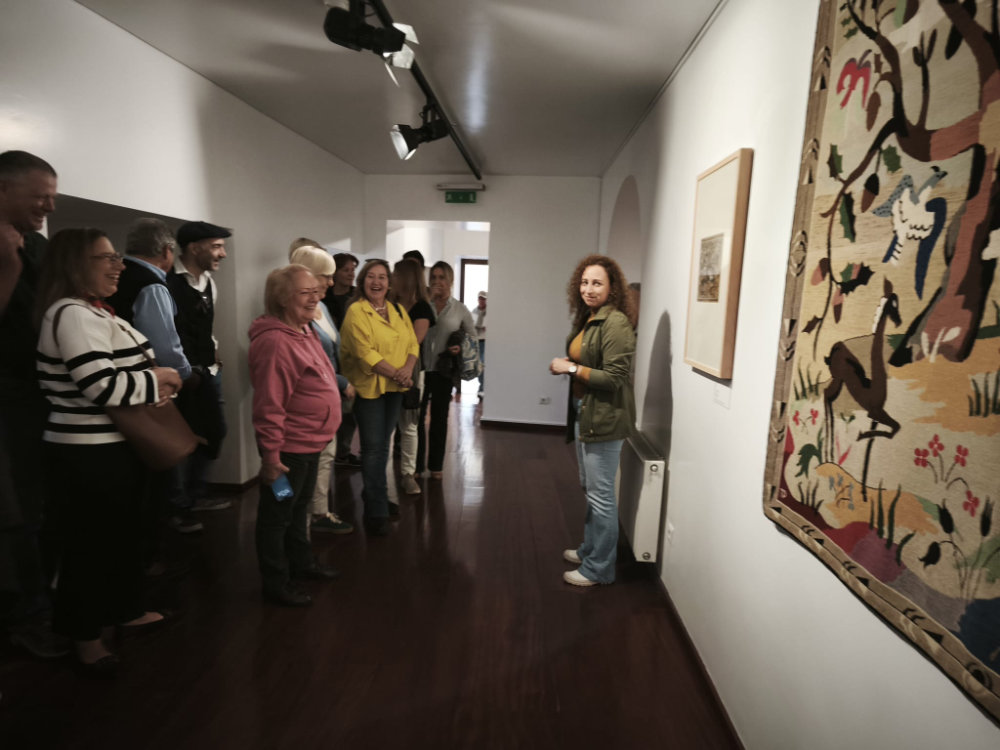
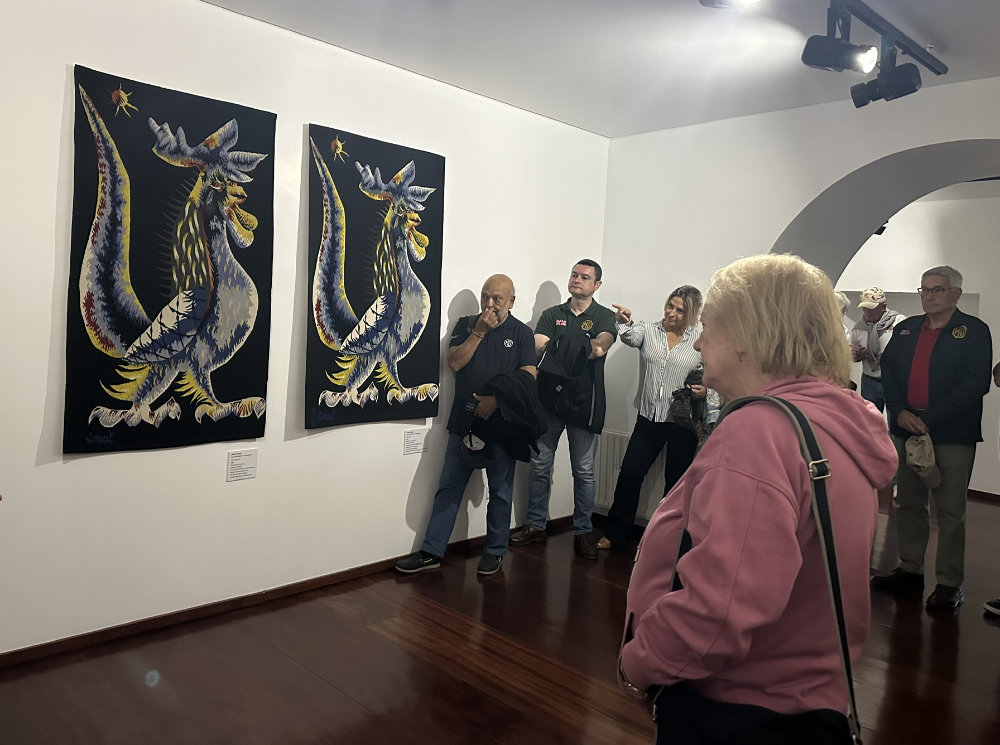
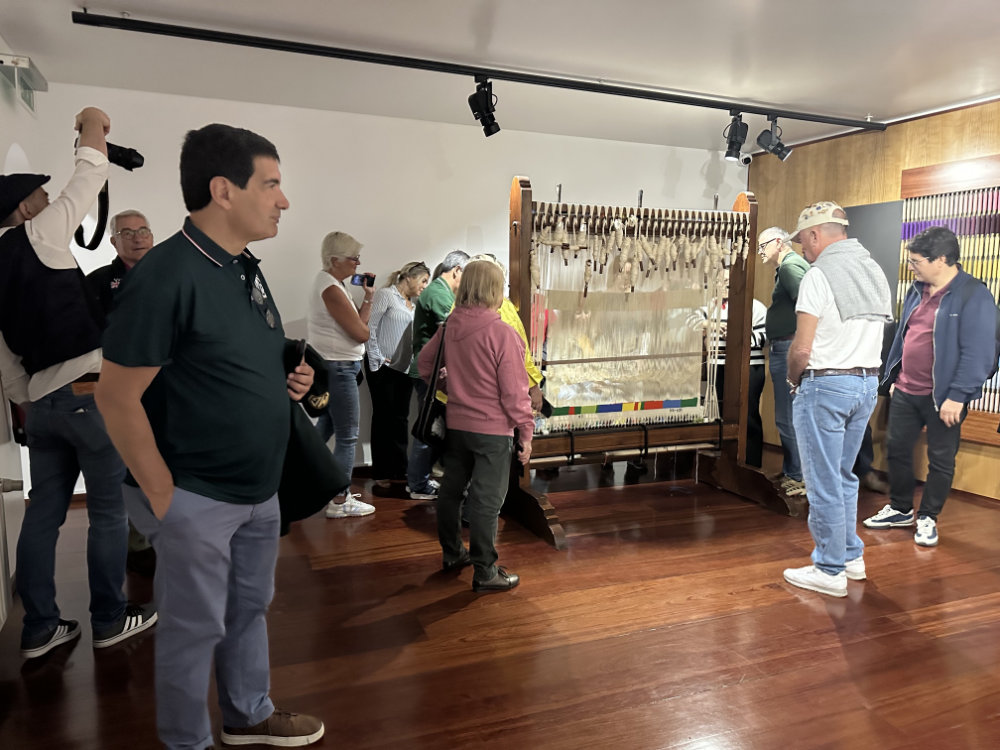
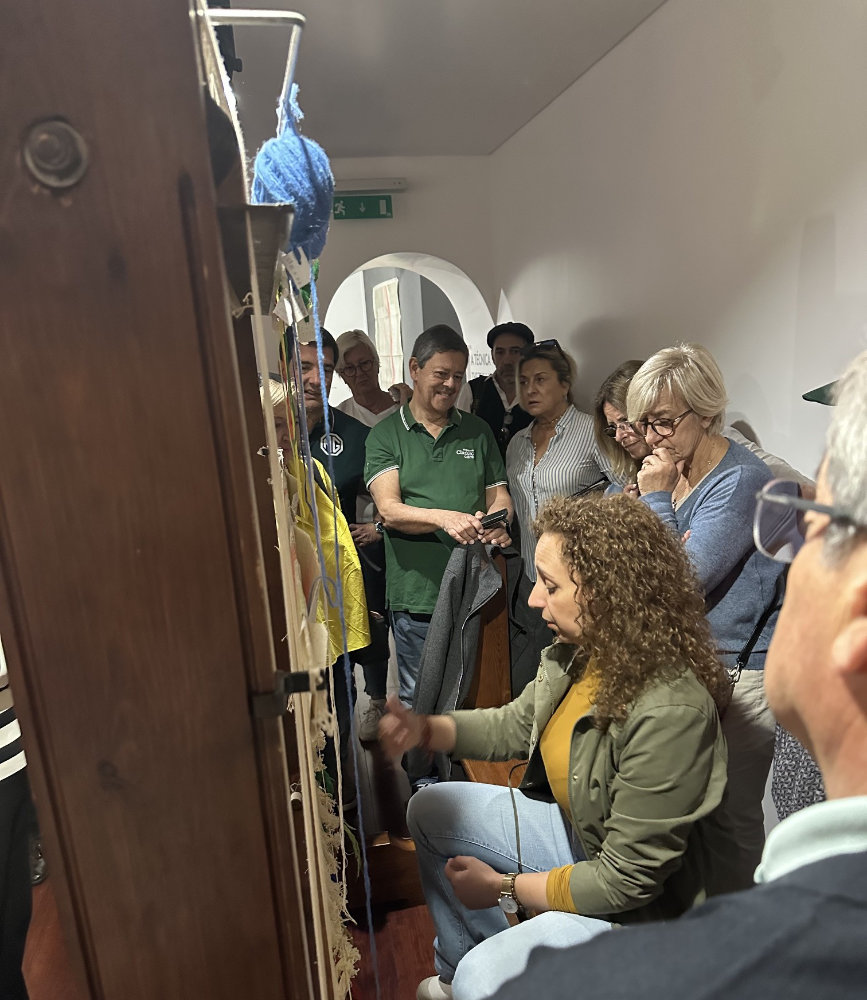
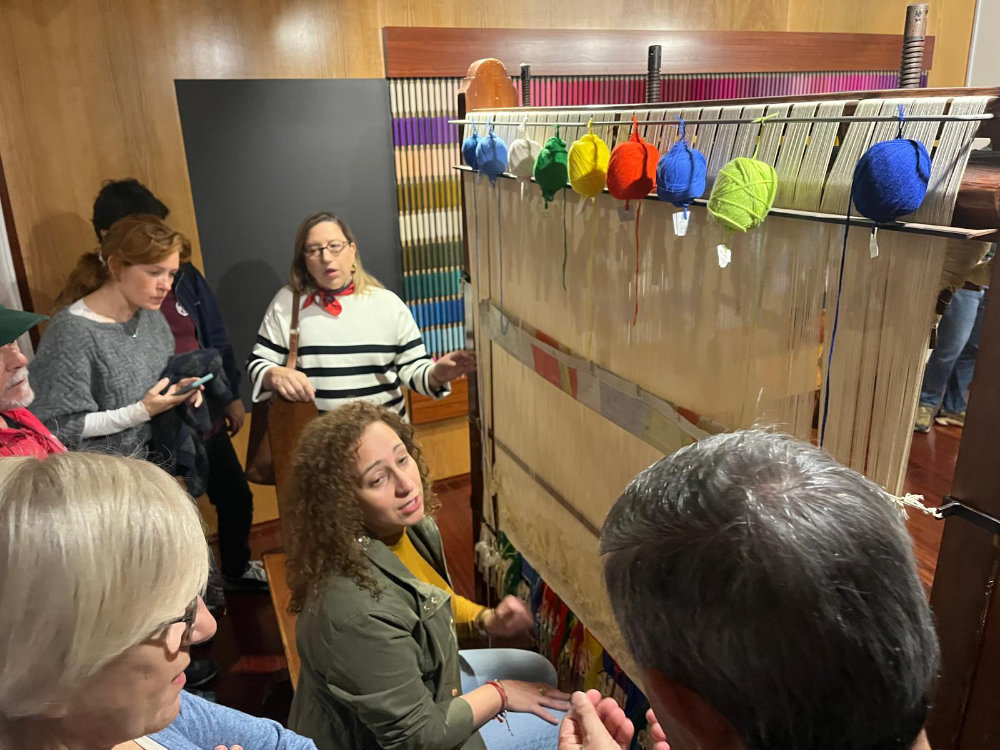
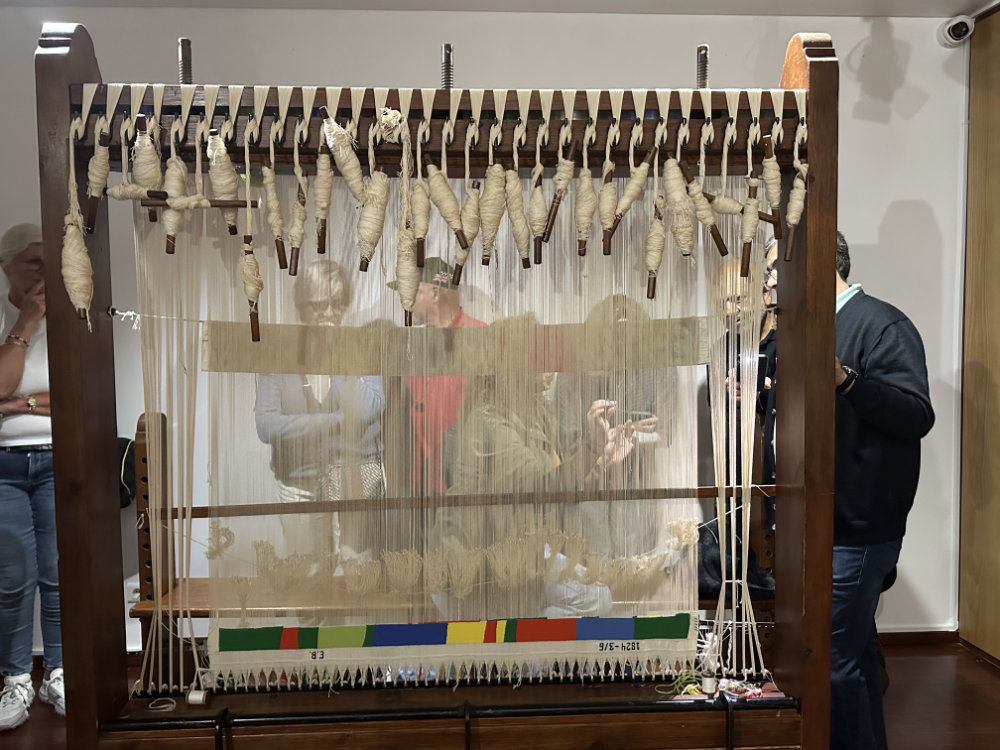
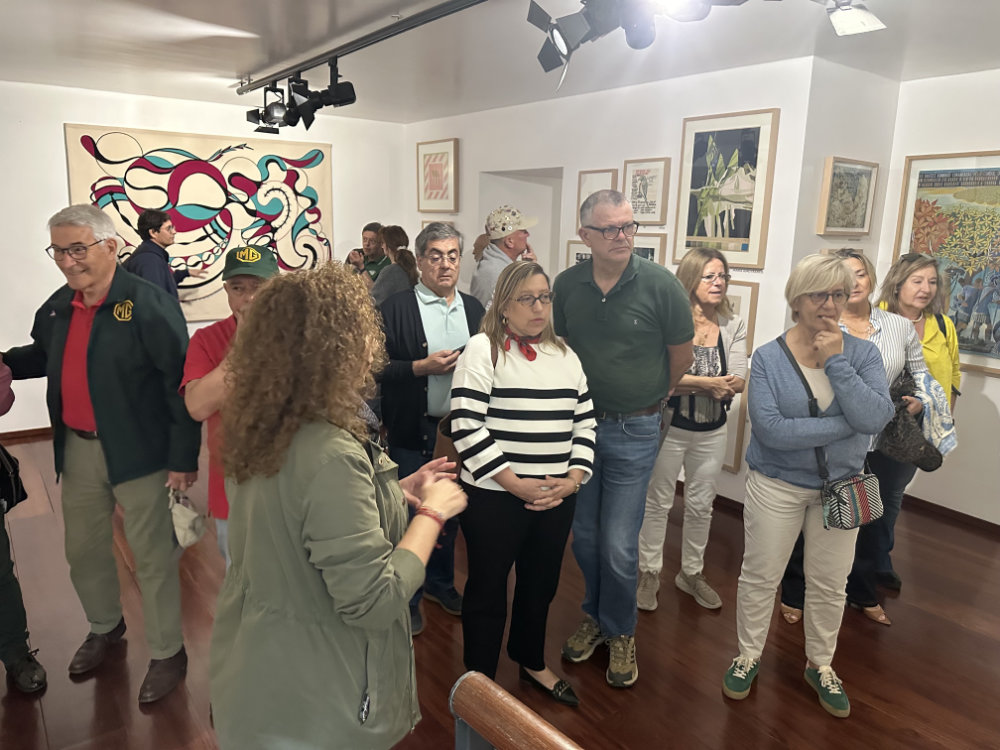
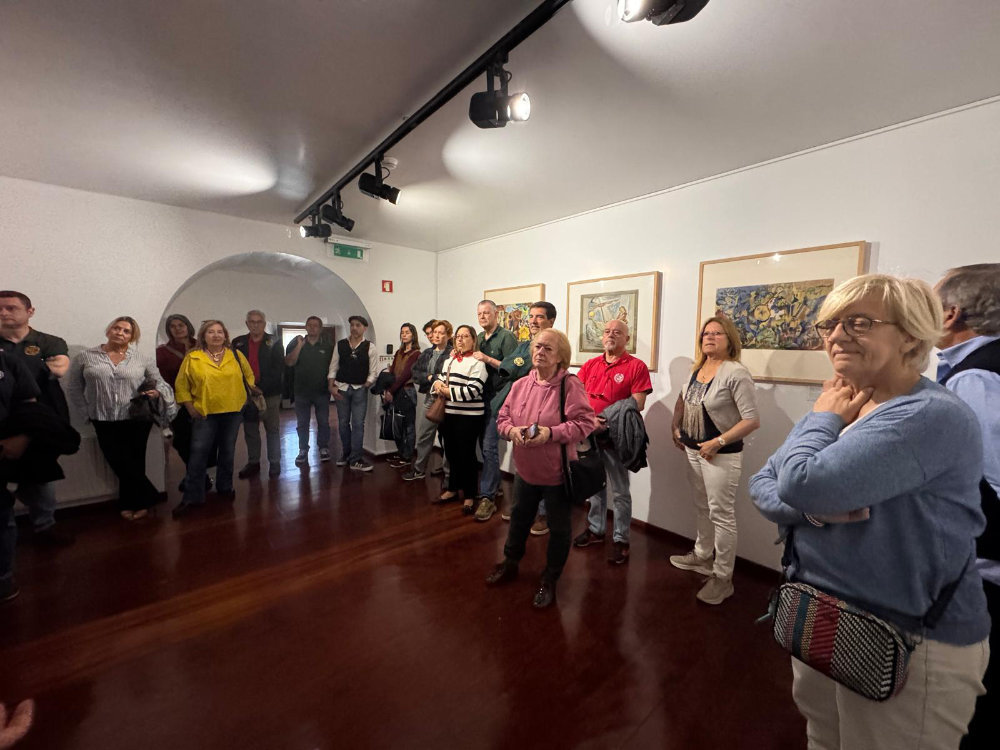
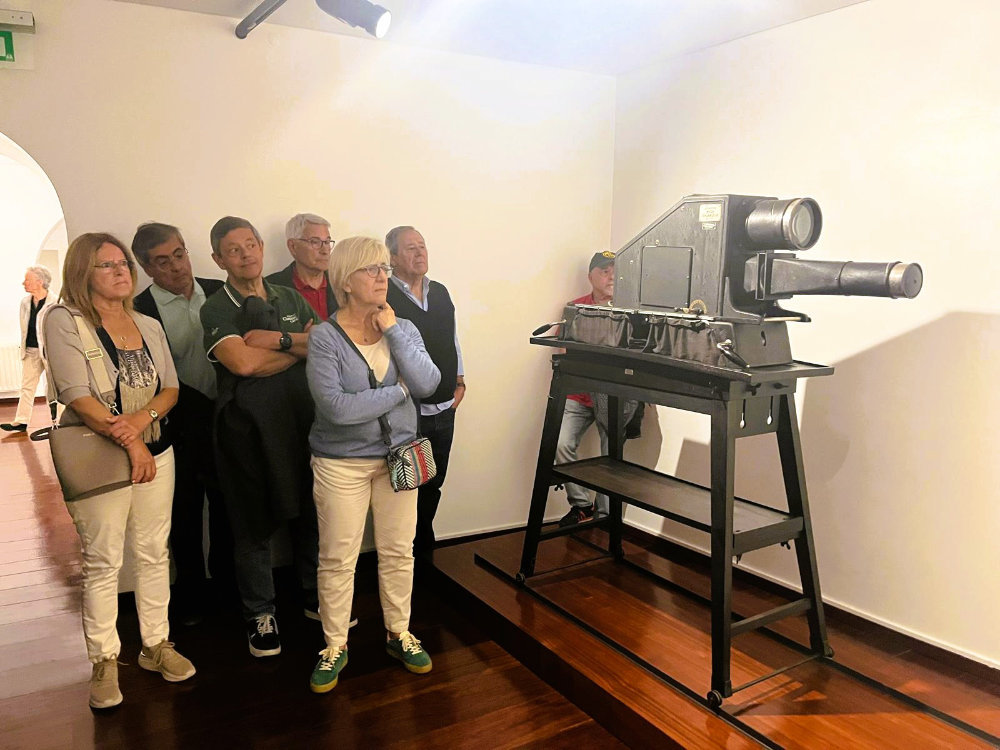
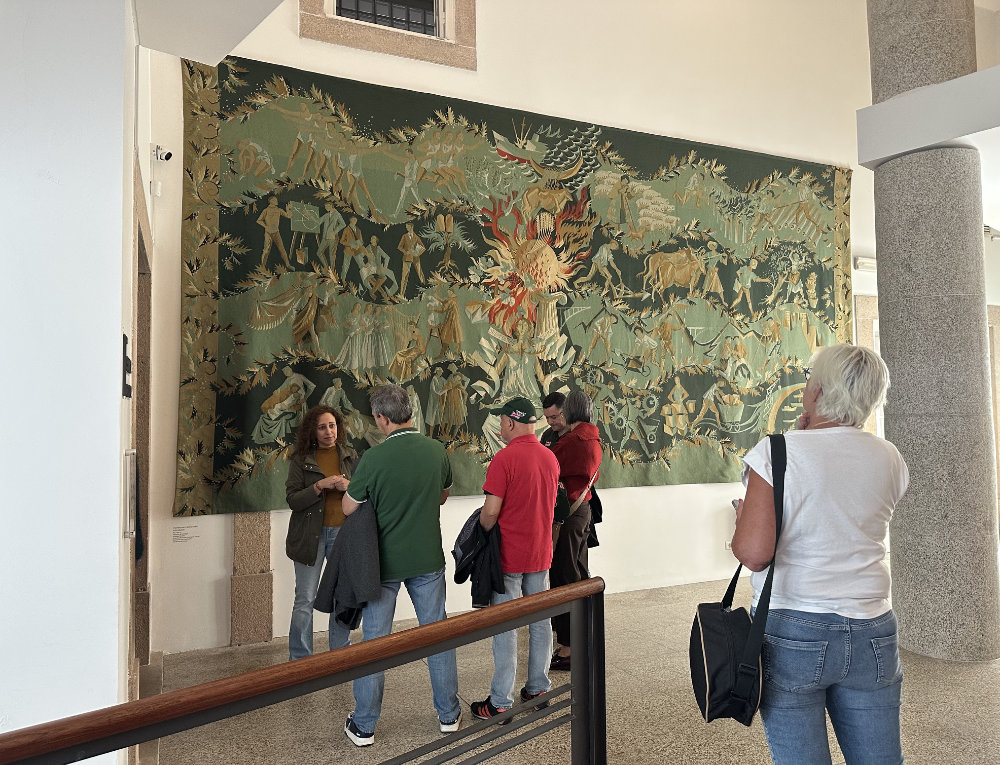
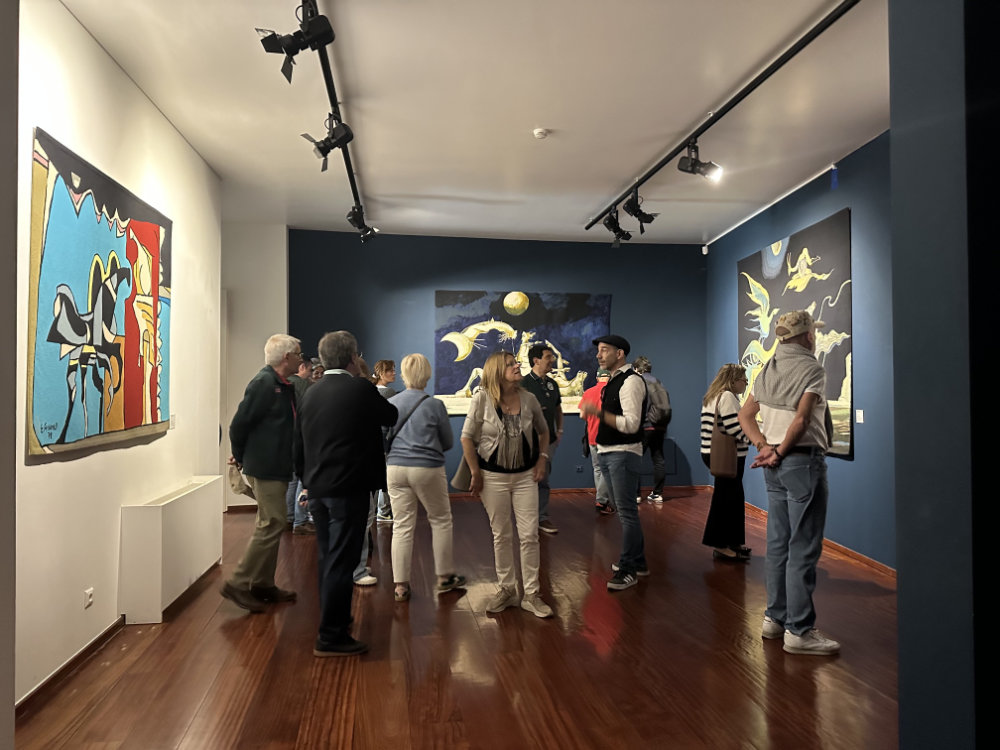
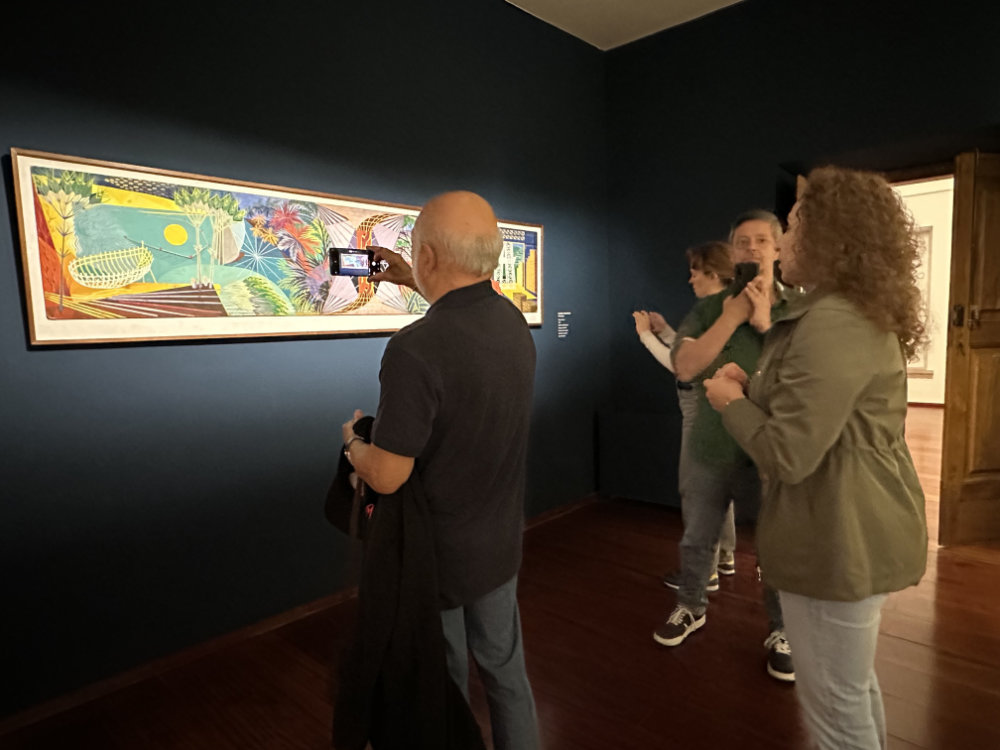
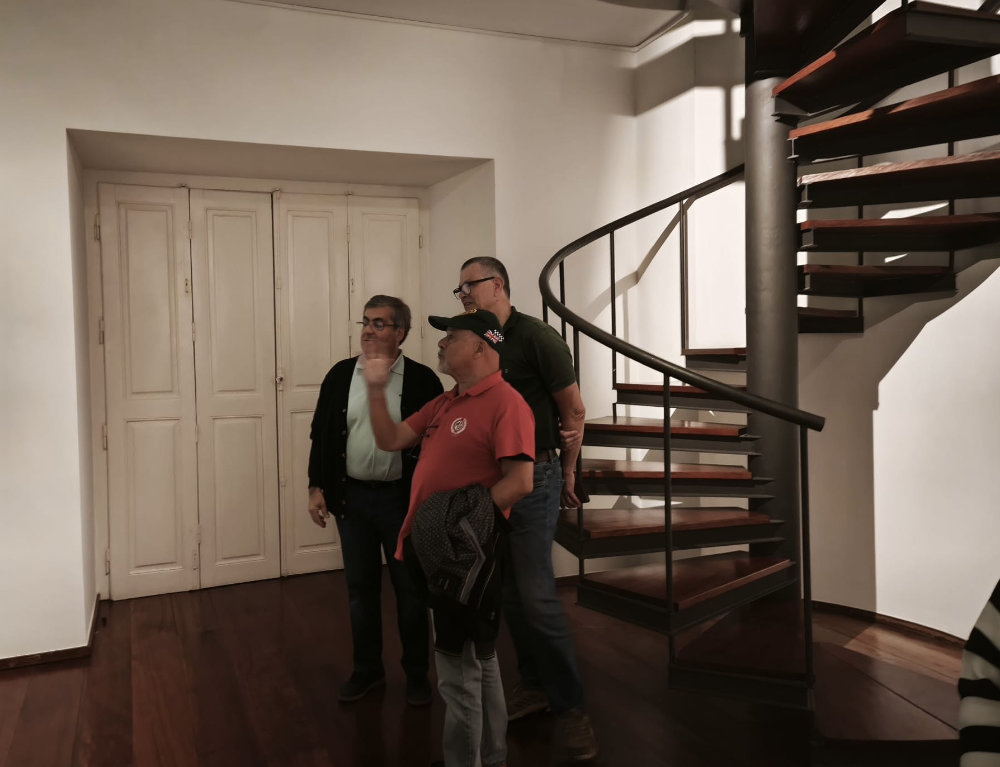
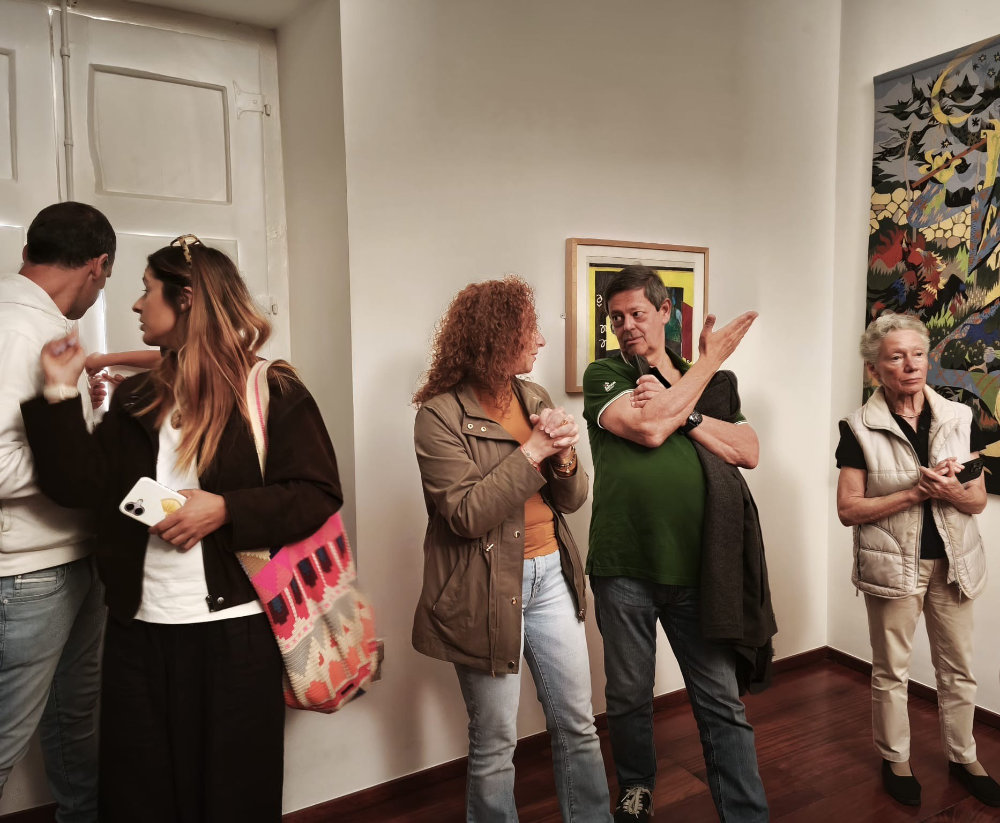
Here we were welcomed by Raquel Chambel, a car enthusiast, who guided us through the museum dedicated exclusively to Portalegre tapestry.
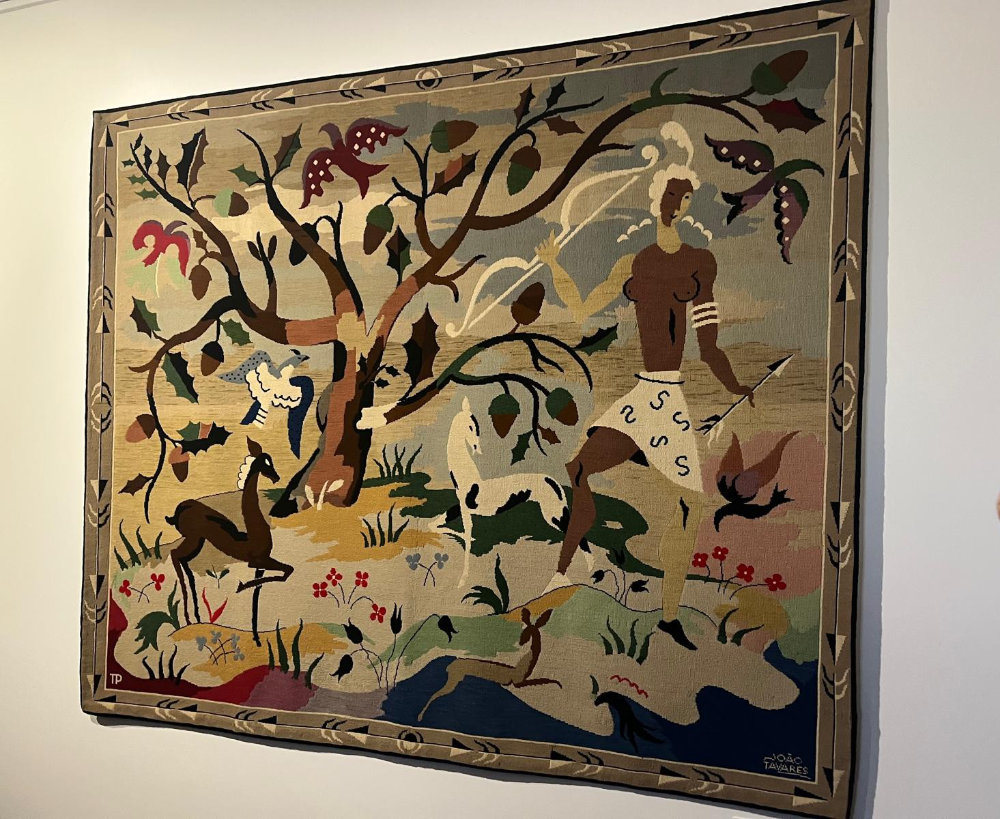
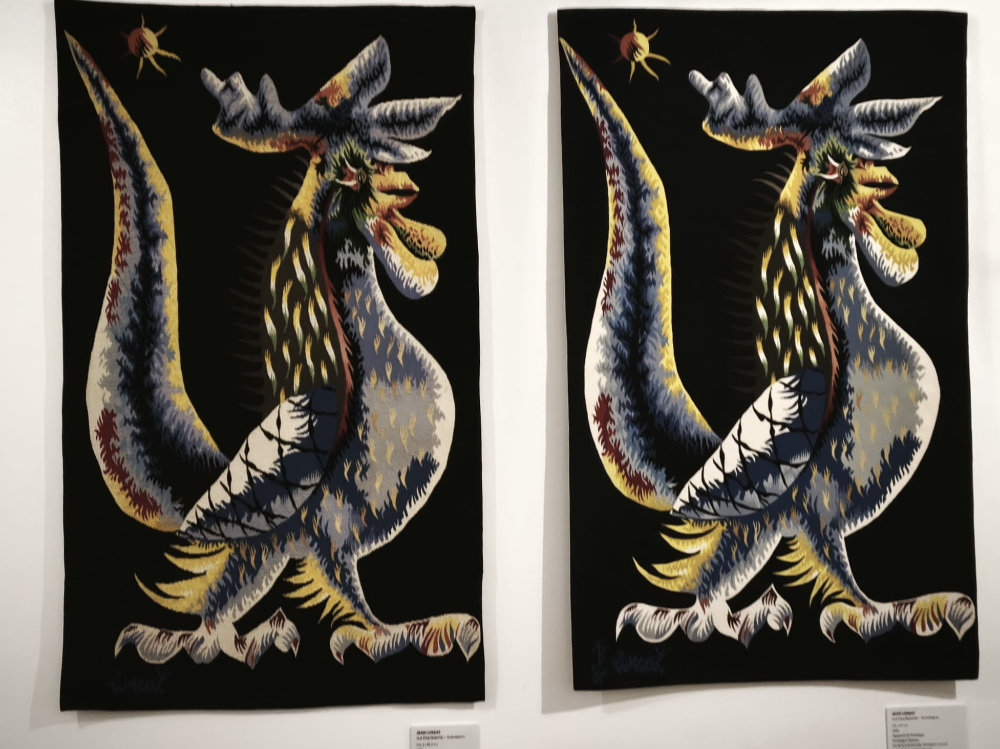
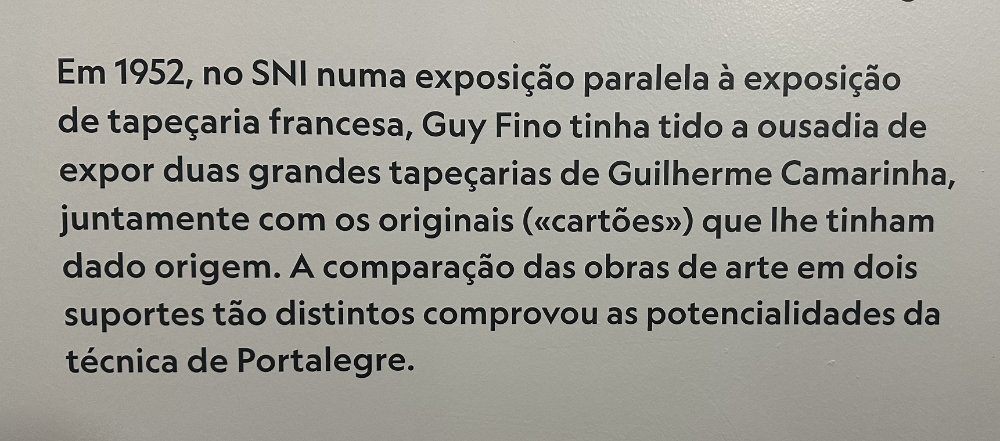
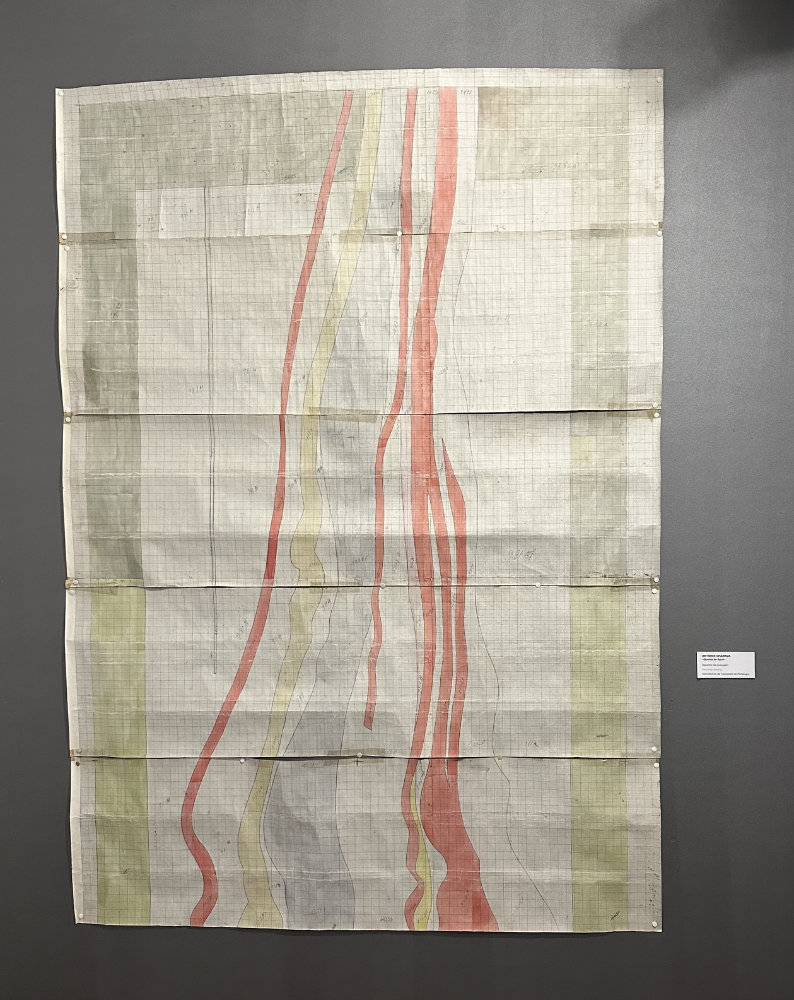
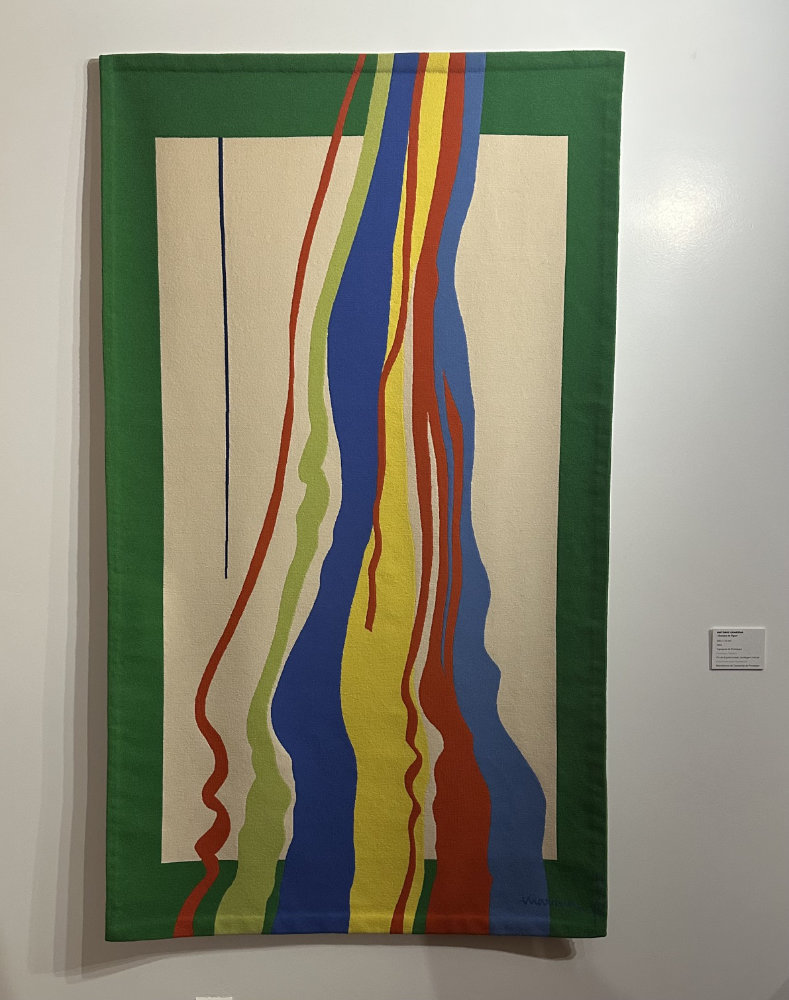
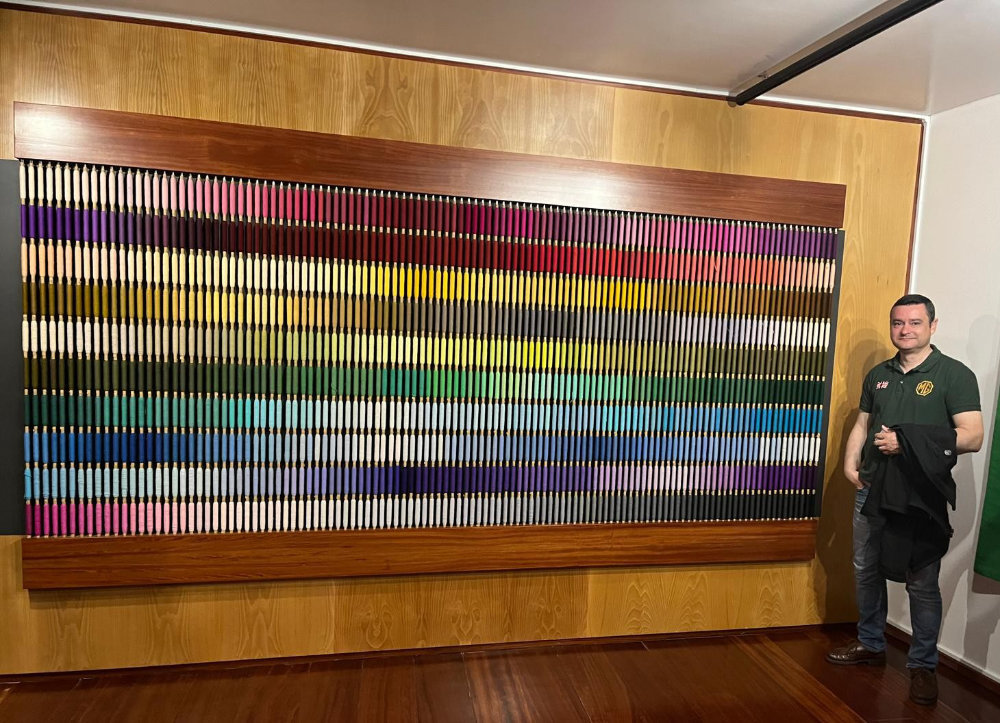
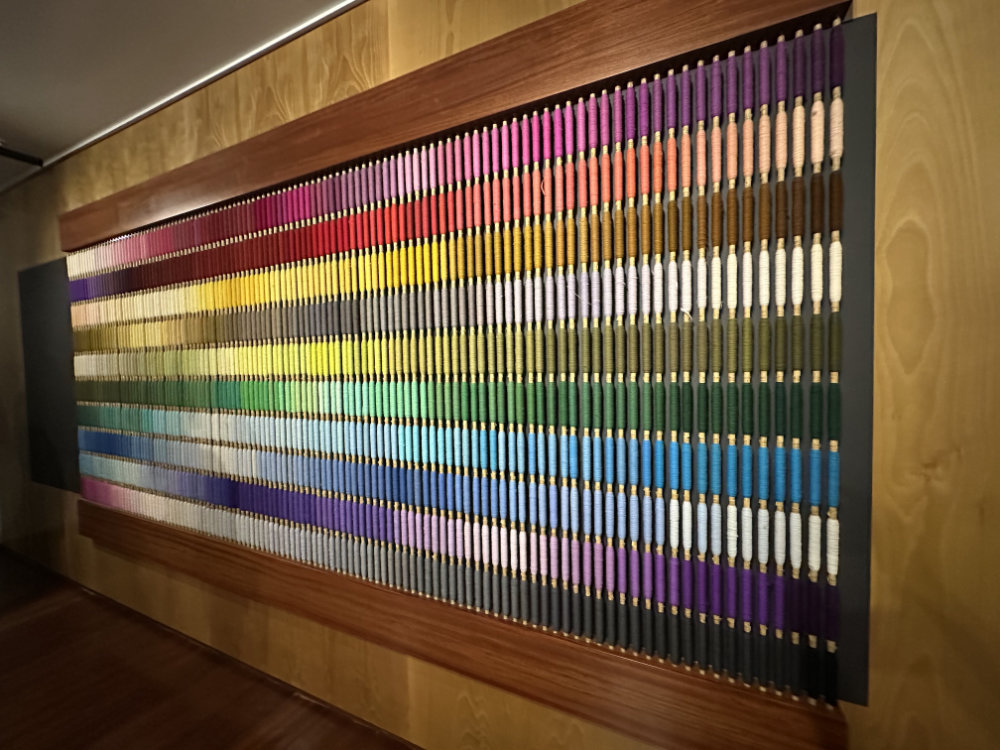
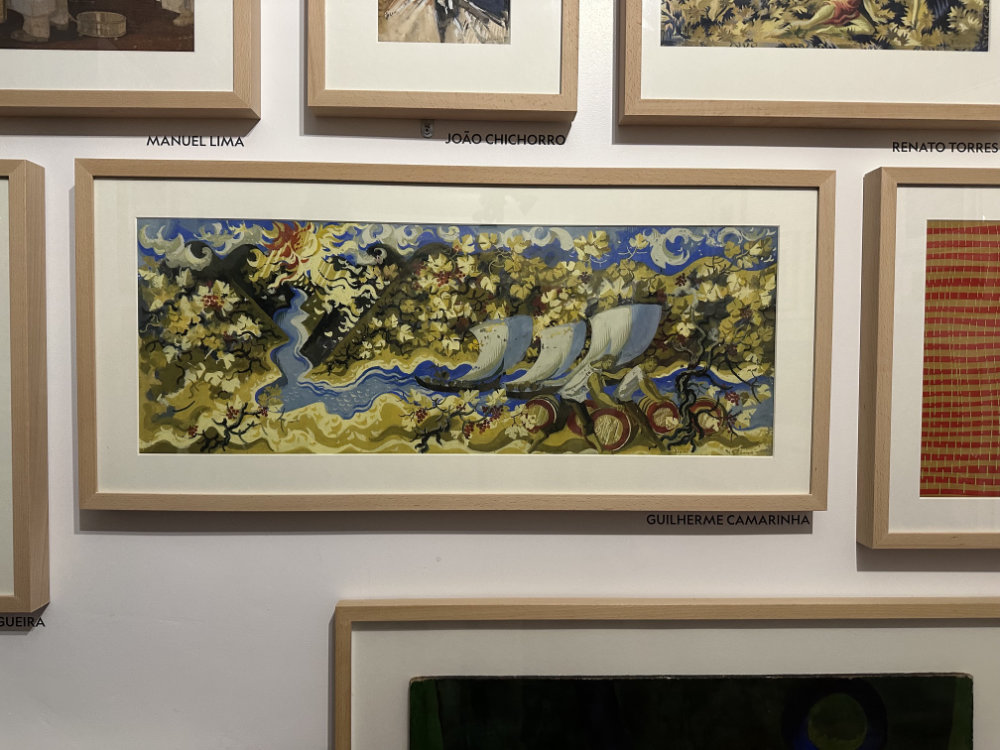
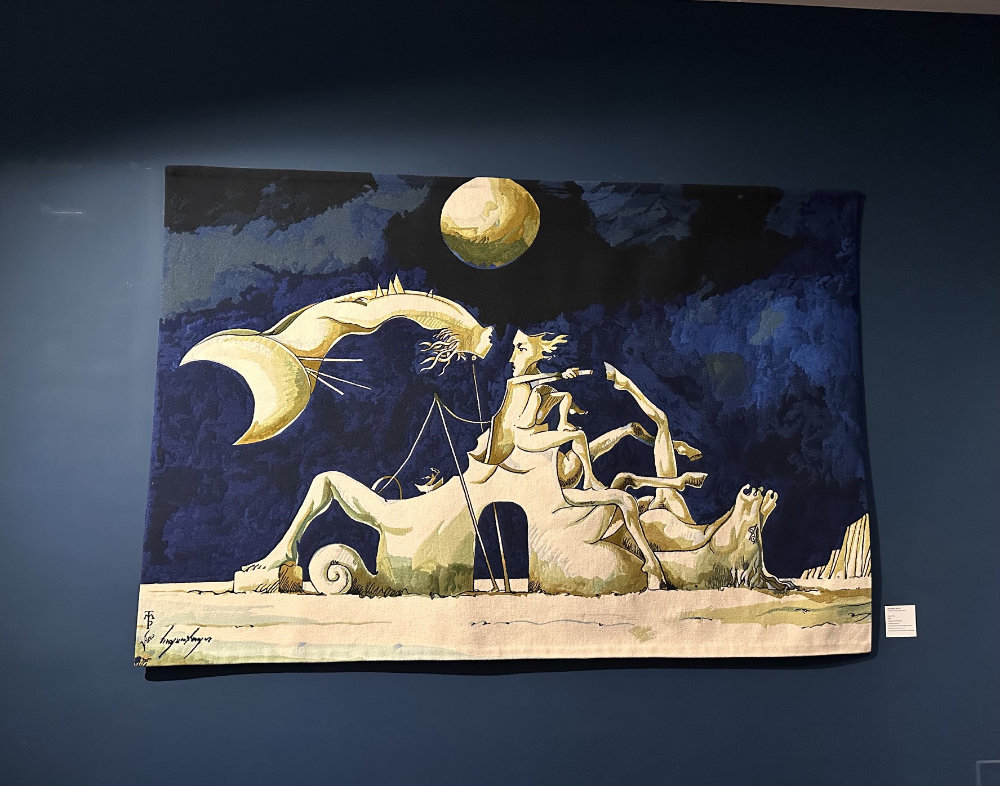
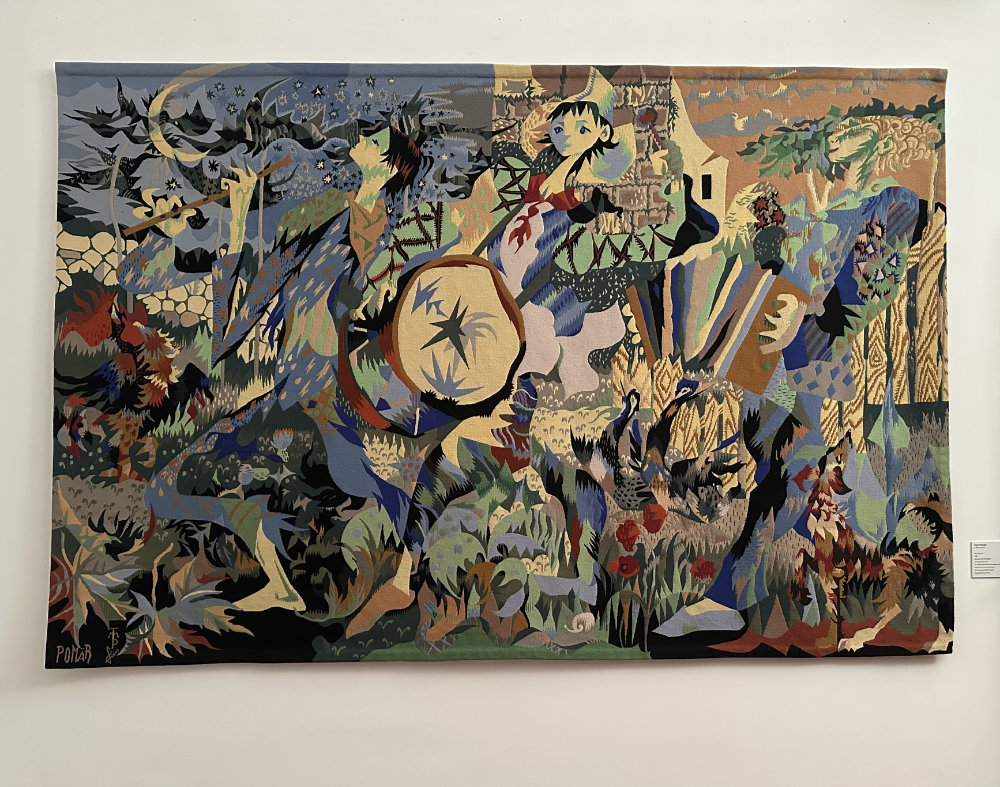
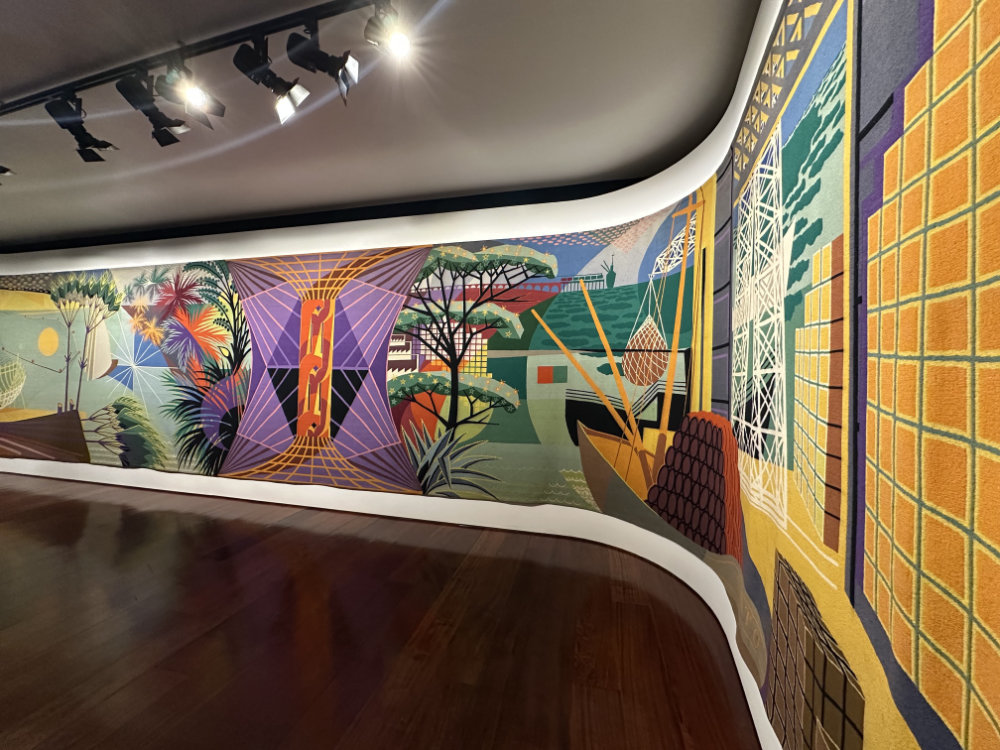
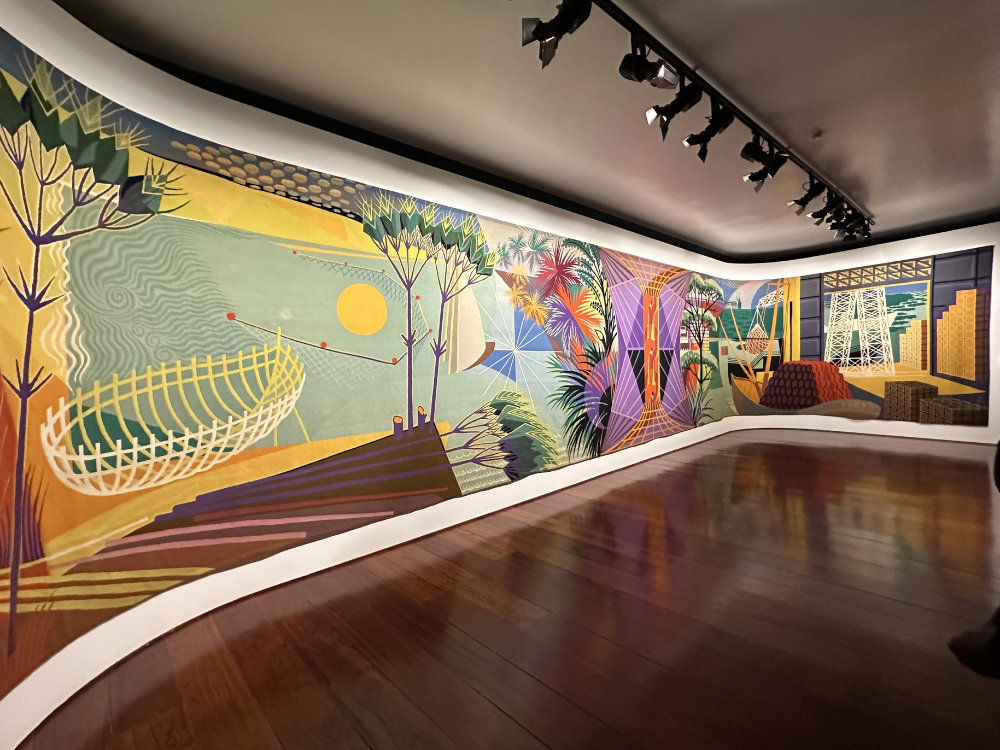
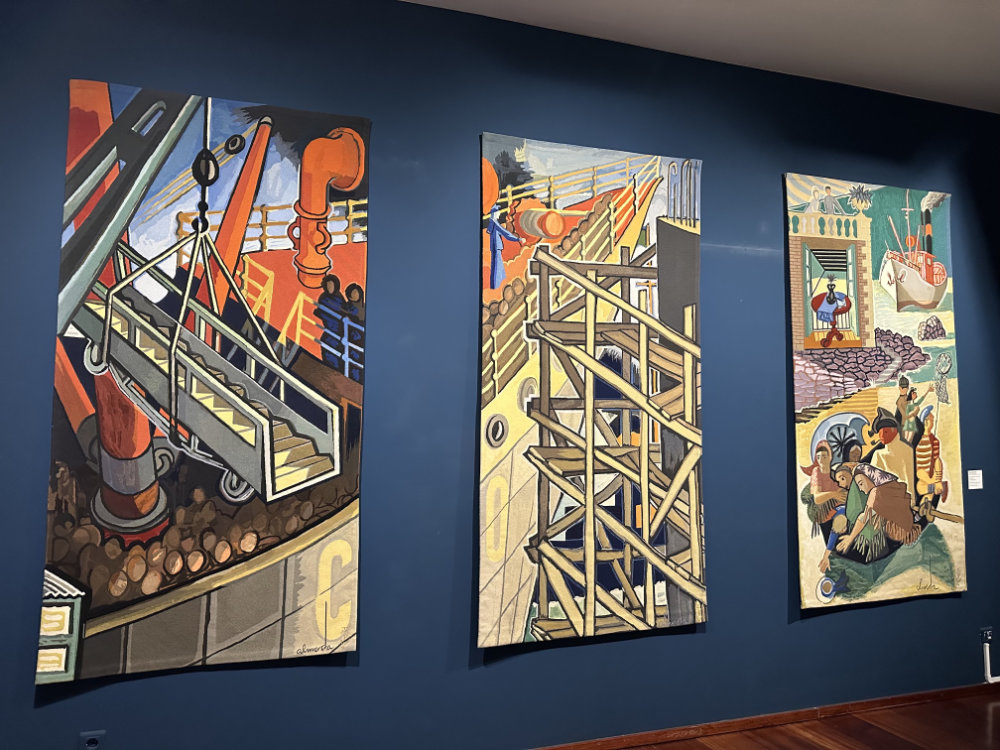
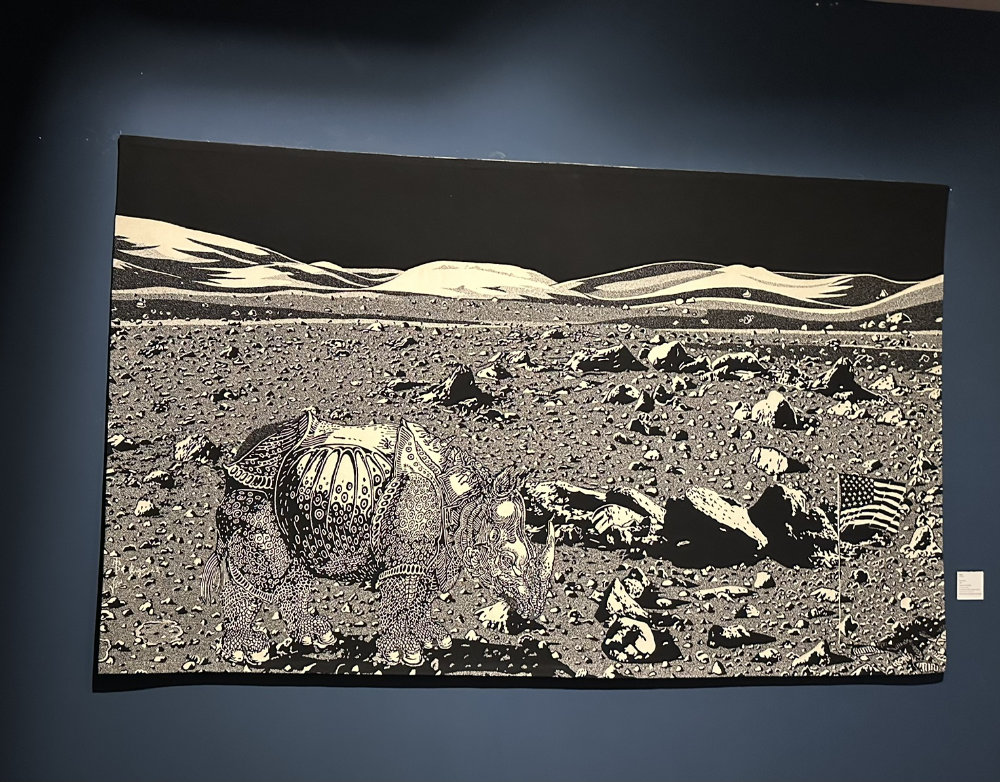
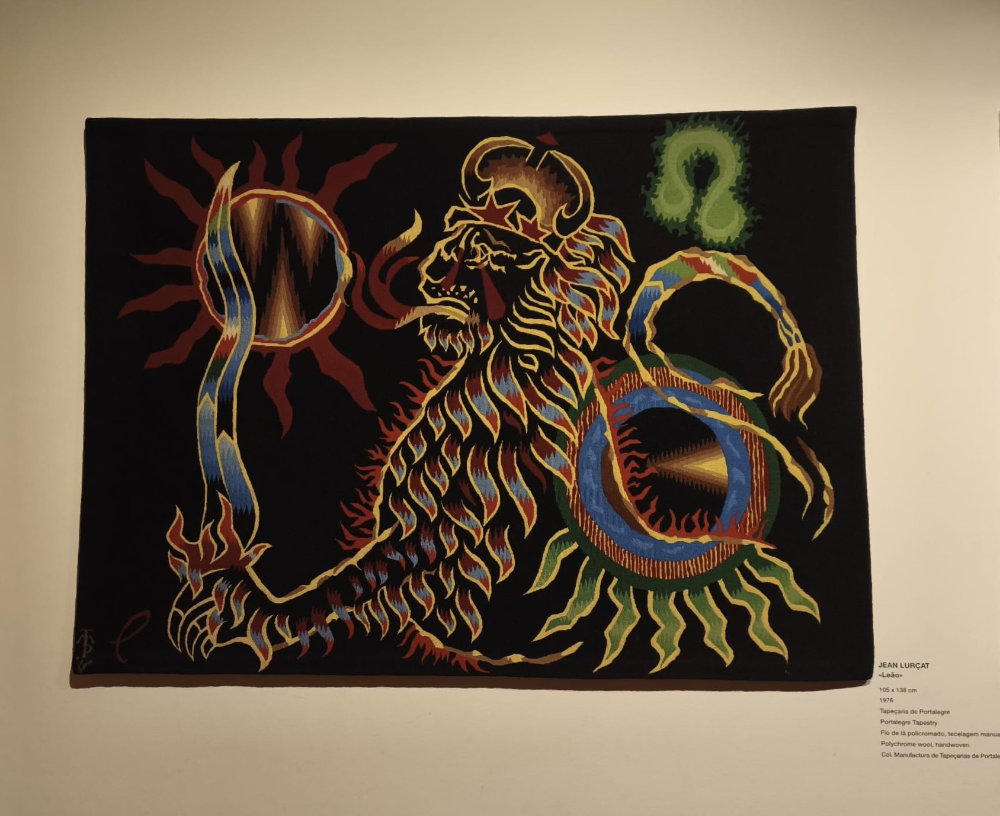
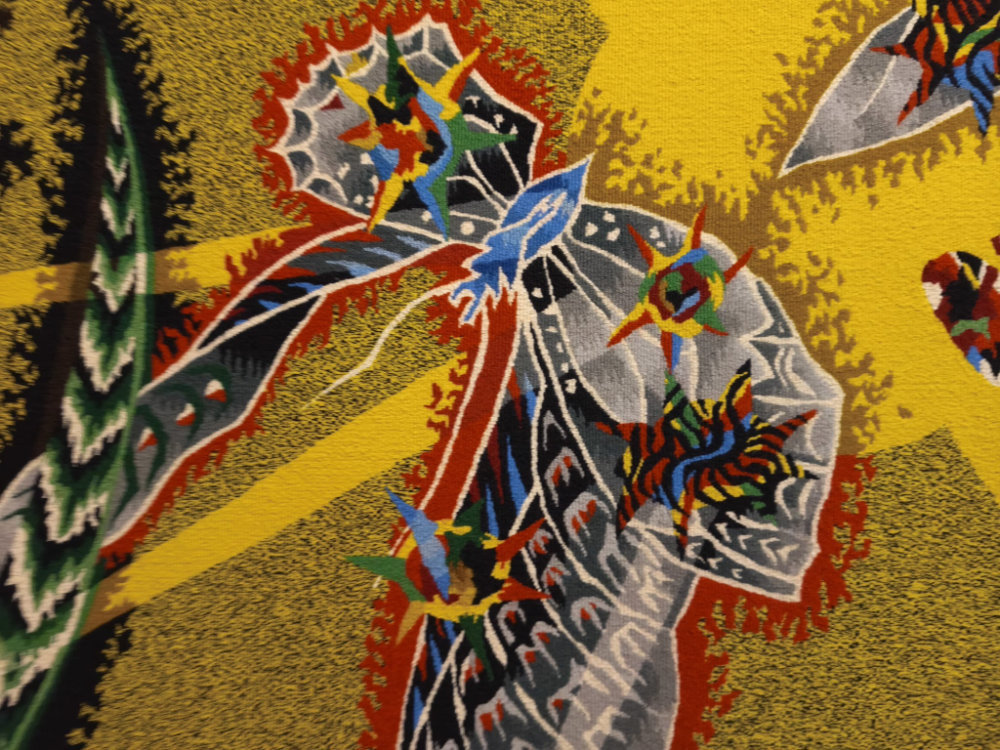
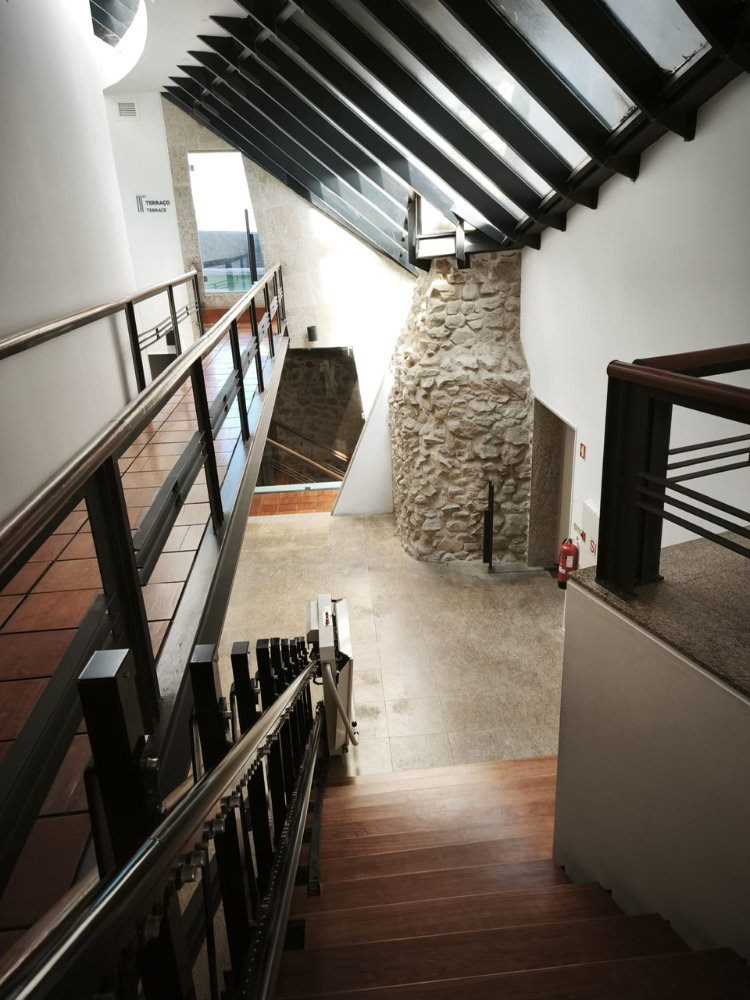
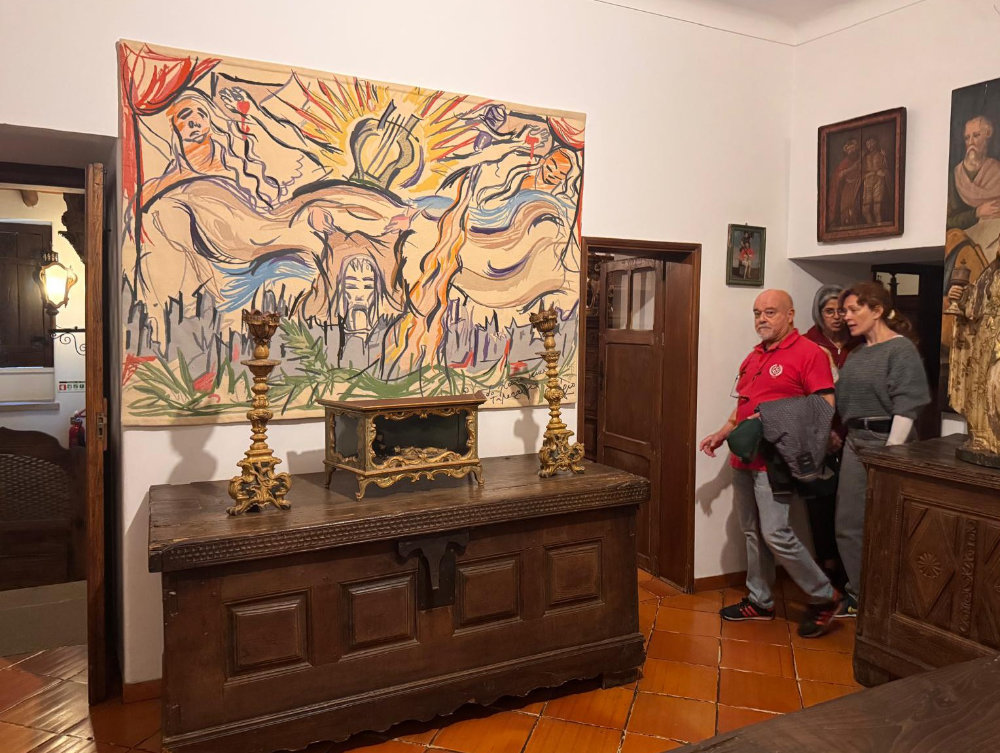
The museum displays work of enormous artistic detail produced using the city’s famous traditional tapestry technique. The space combines contemporary art, craftsmanship and technical innovation, making it a true cultural symbol of Portalegre.
We learned about the various stages involved in designing and producing a Portalegre tapestry, reproducing important works by great Portuguese artists such as Almada Negreiros and Vieira da Silva, among others.
Portalegre tapestries can be admired in several public buildings and Portuguese Banks.
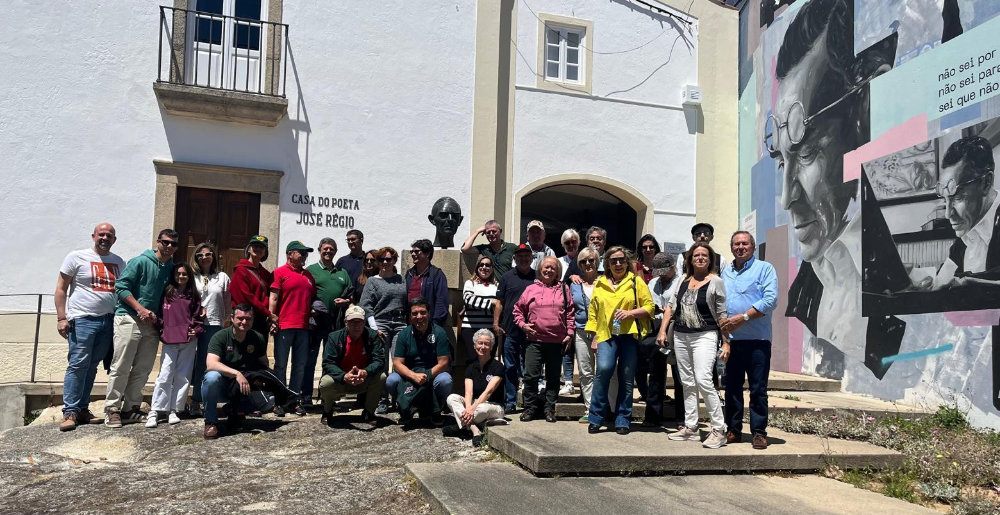
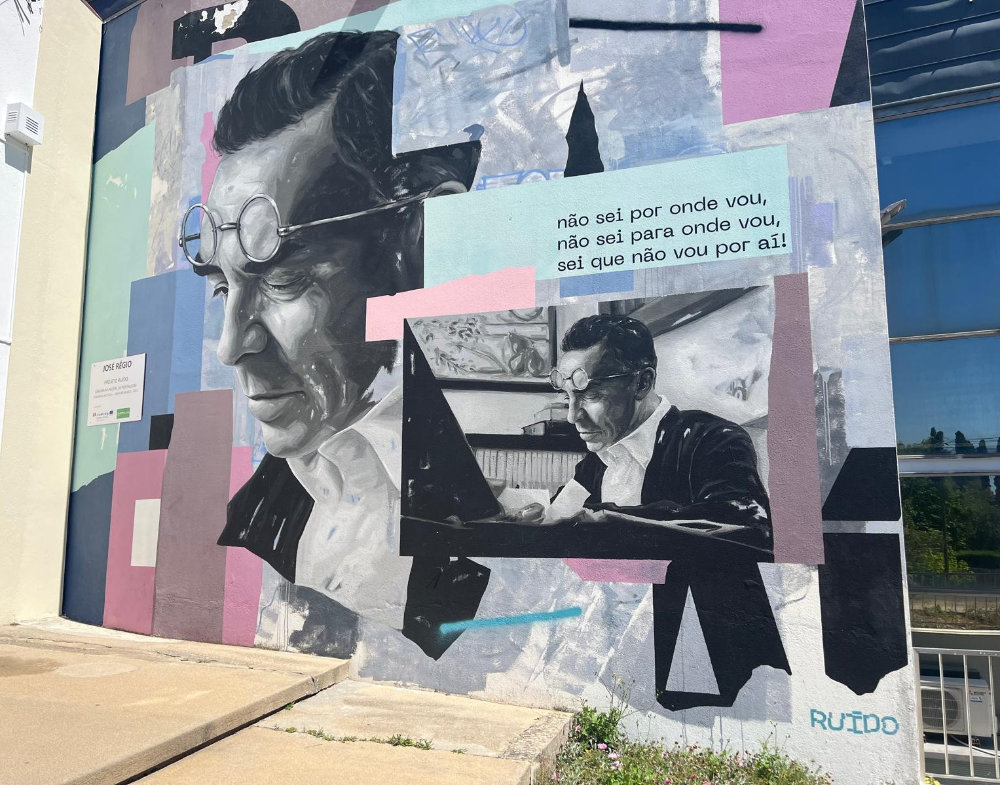
José Régio House Museum
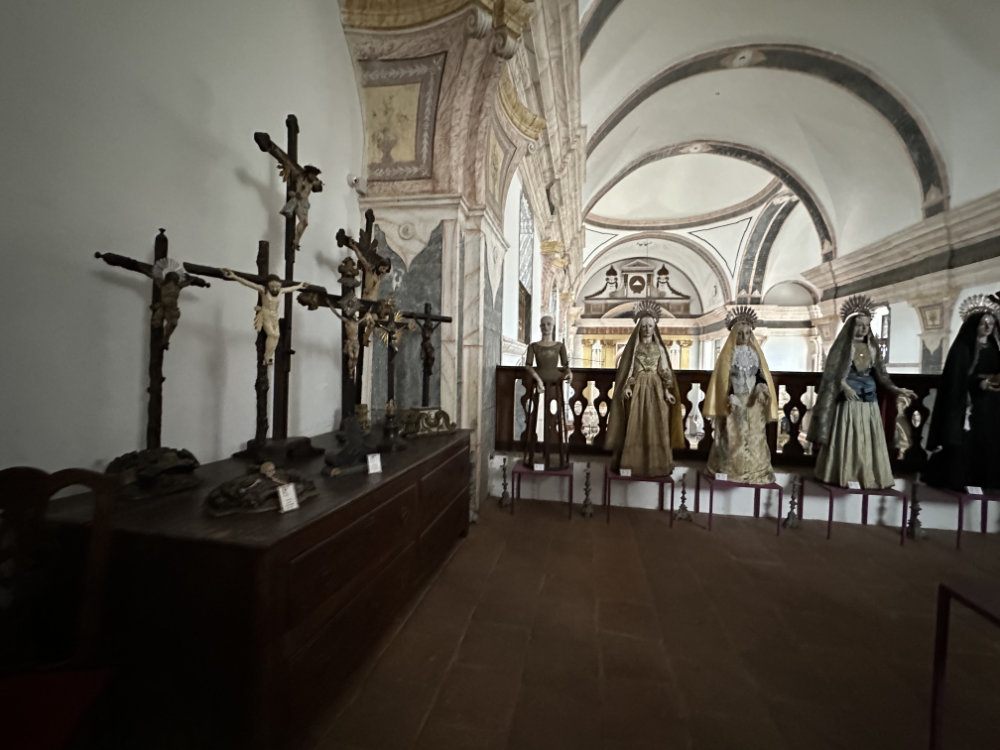
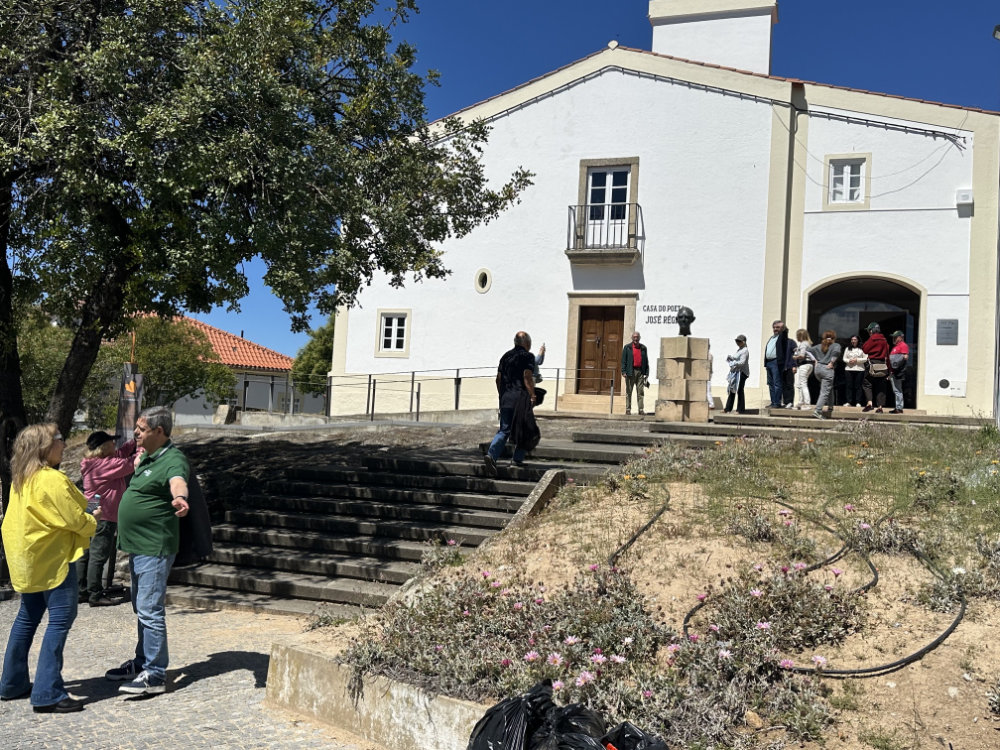
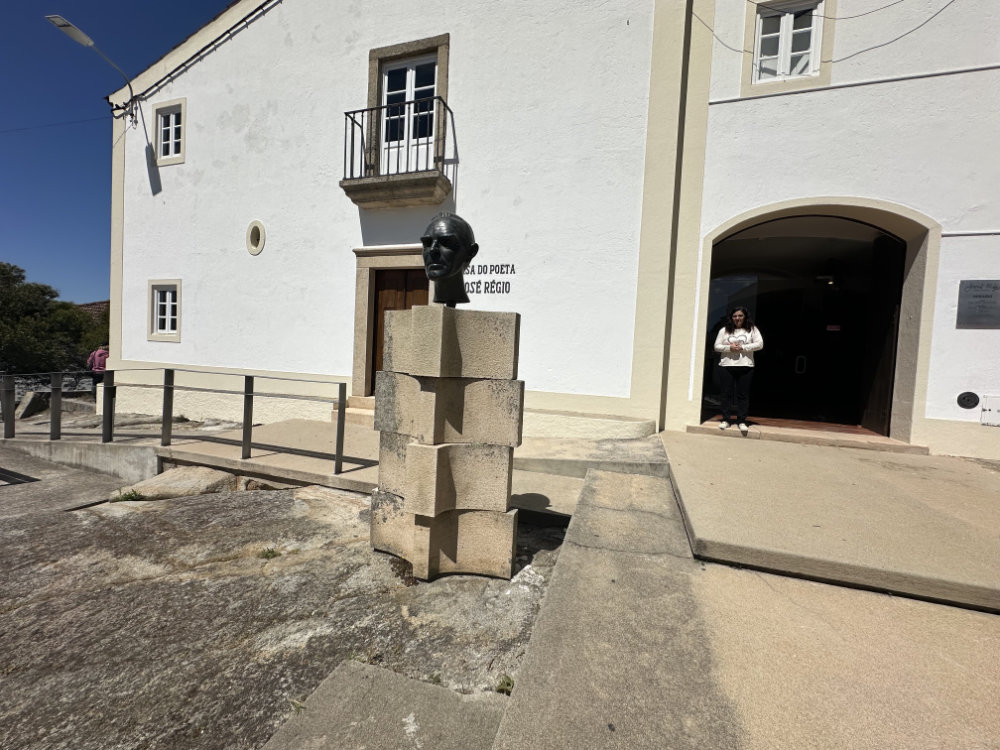
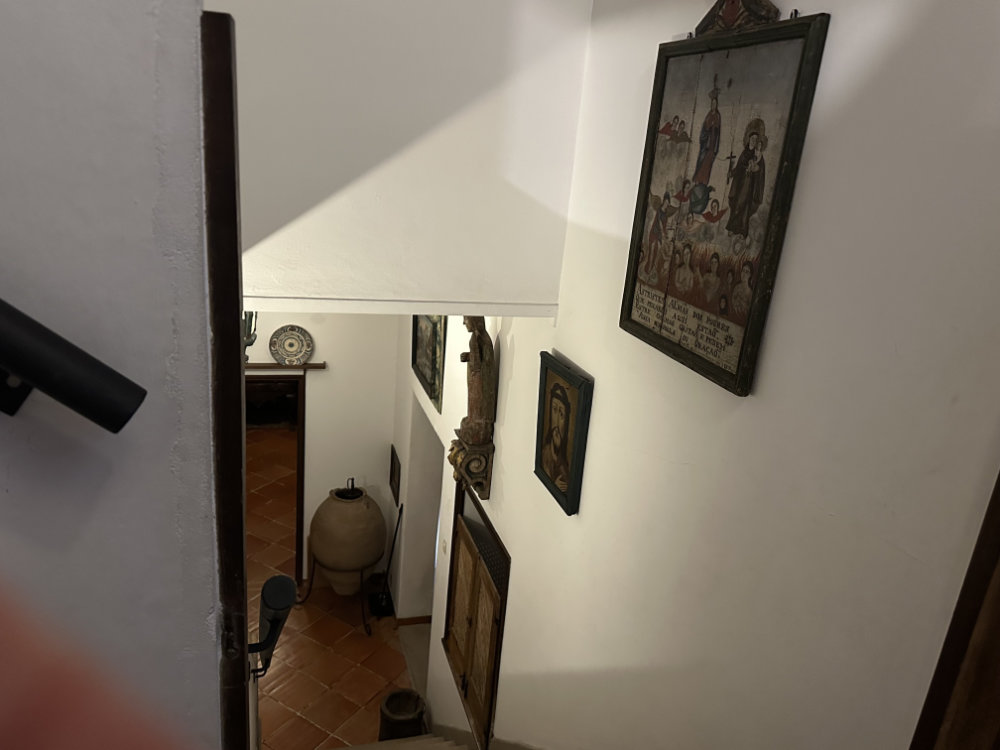
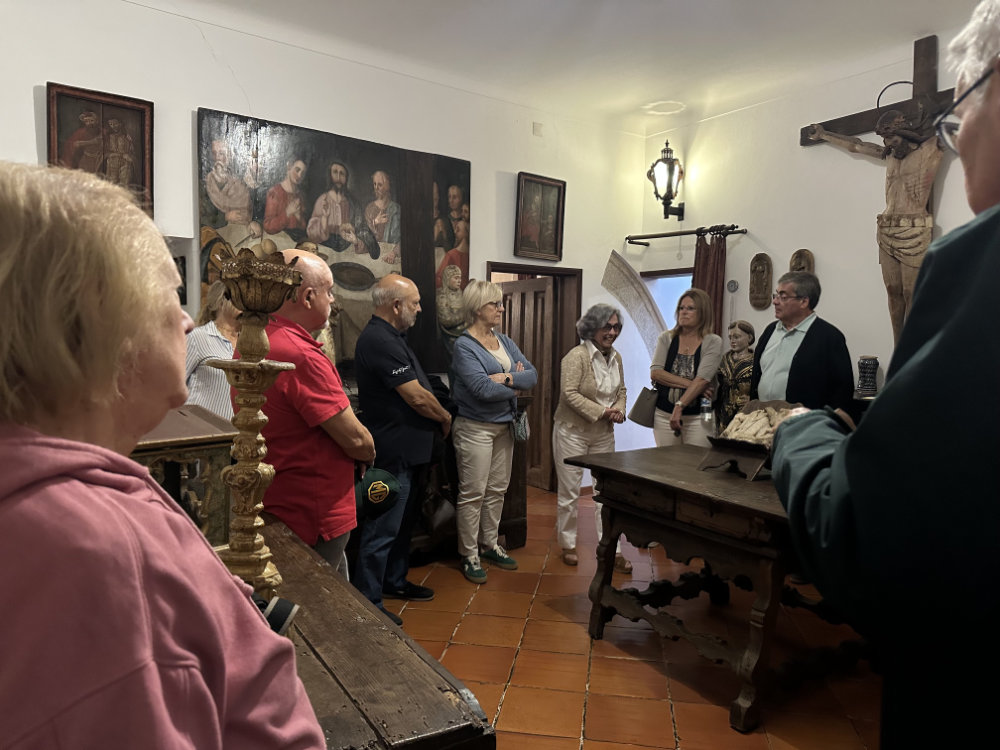
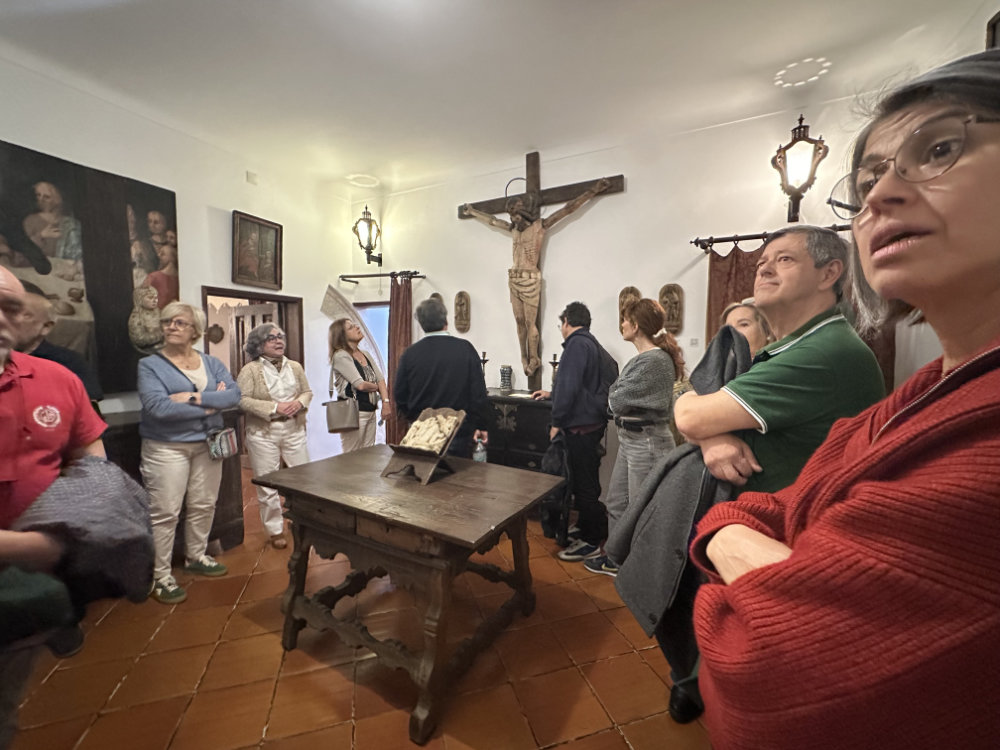
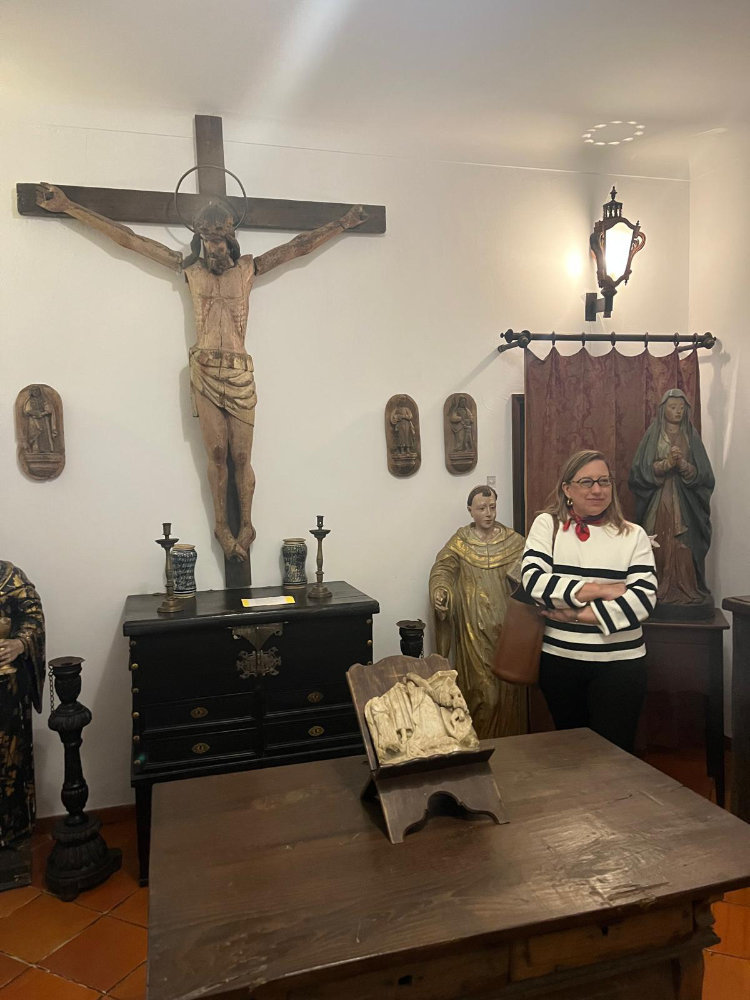
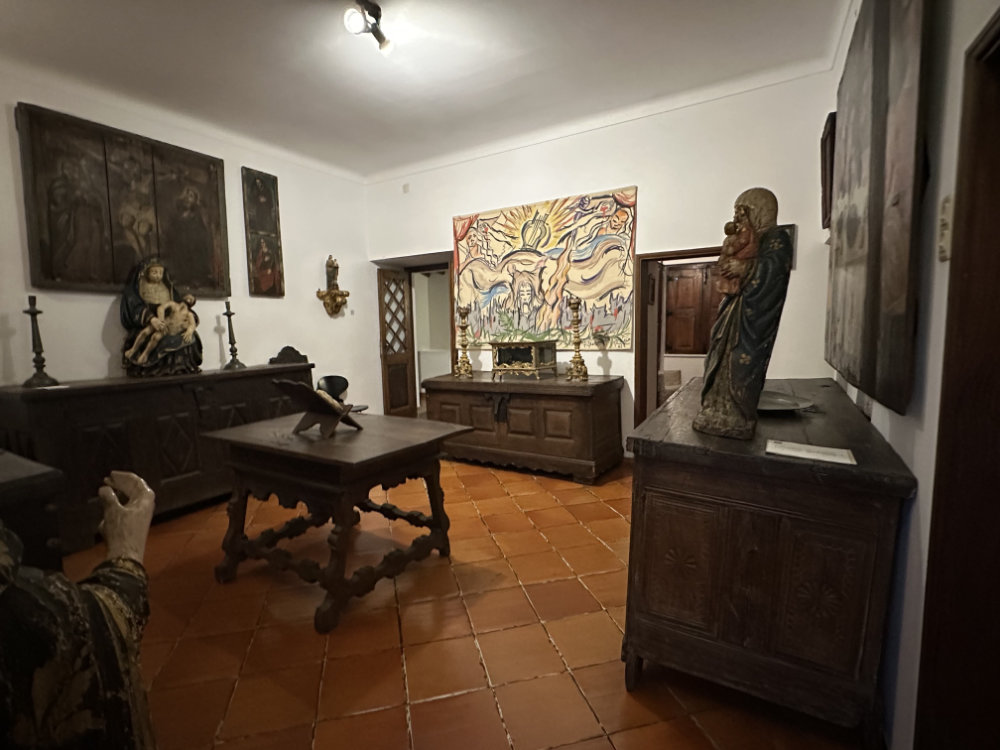
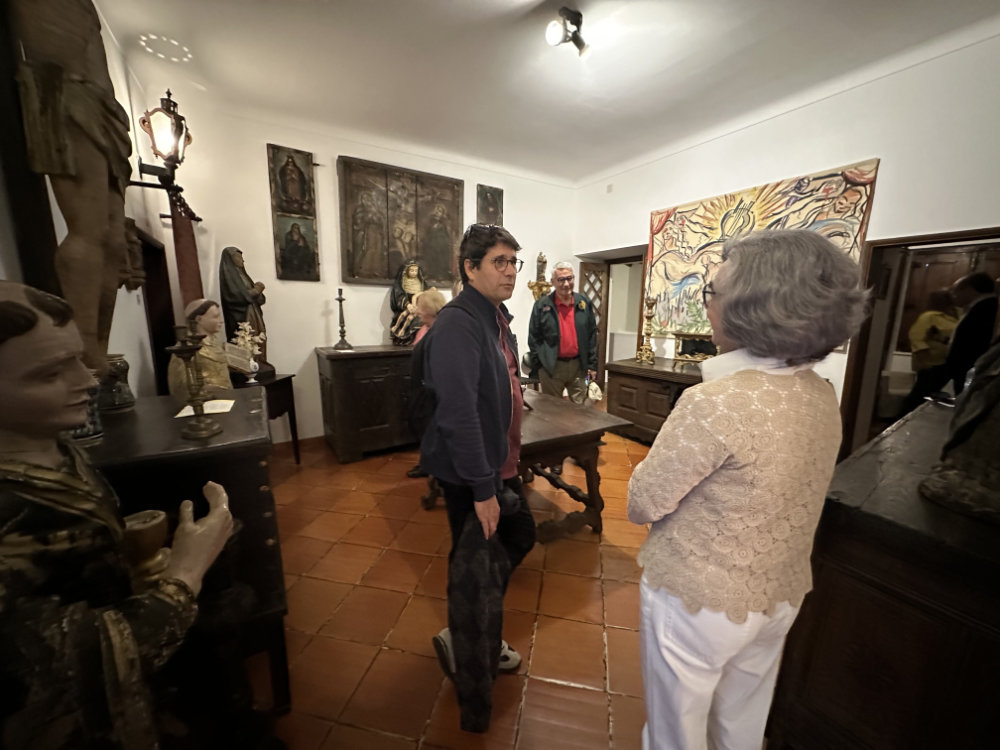
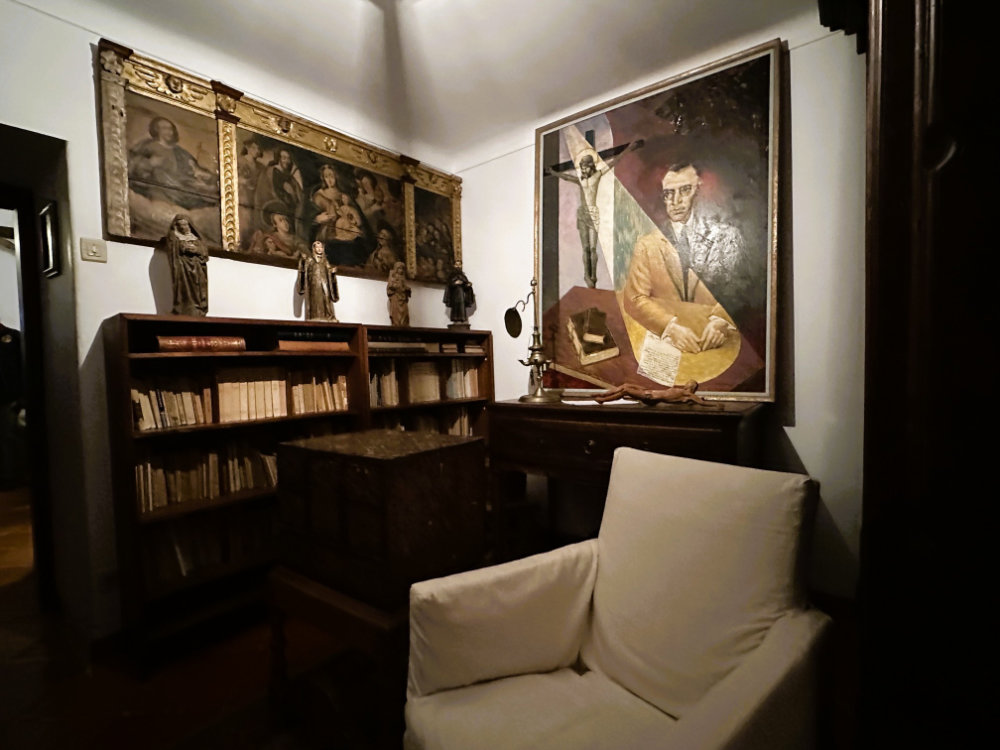
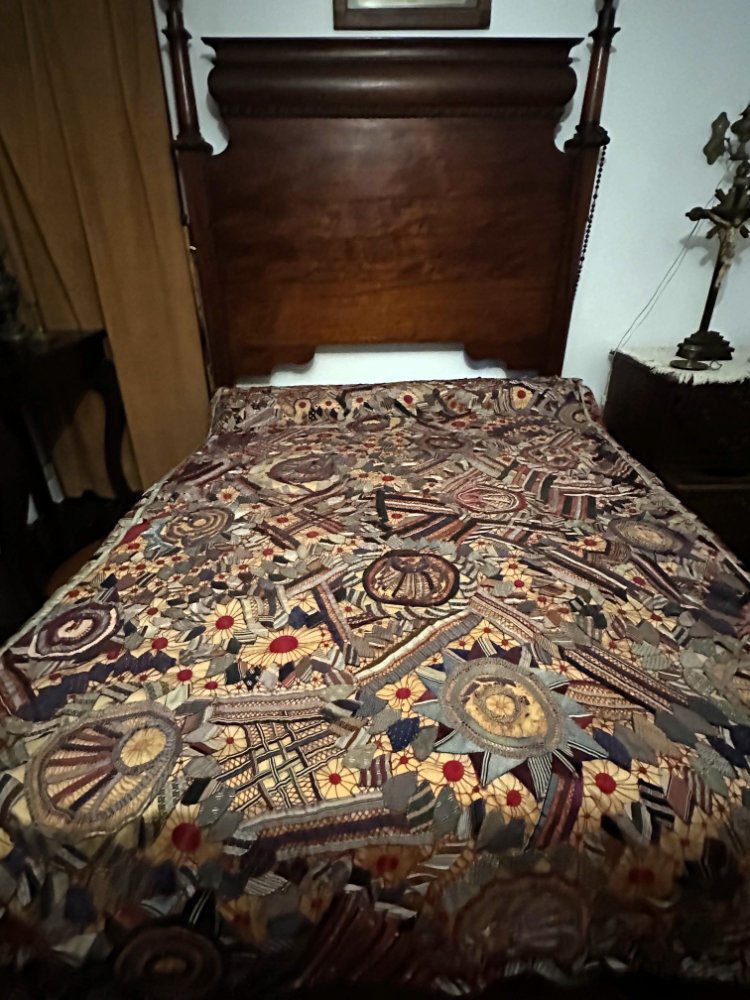
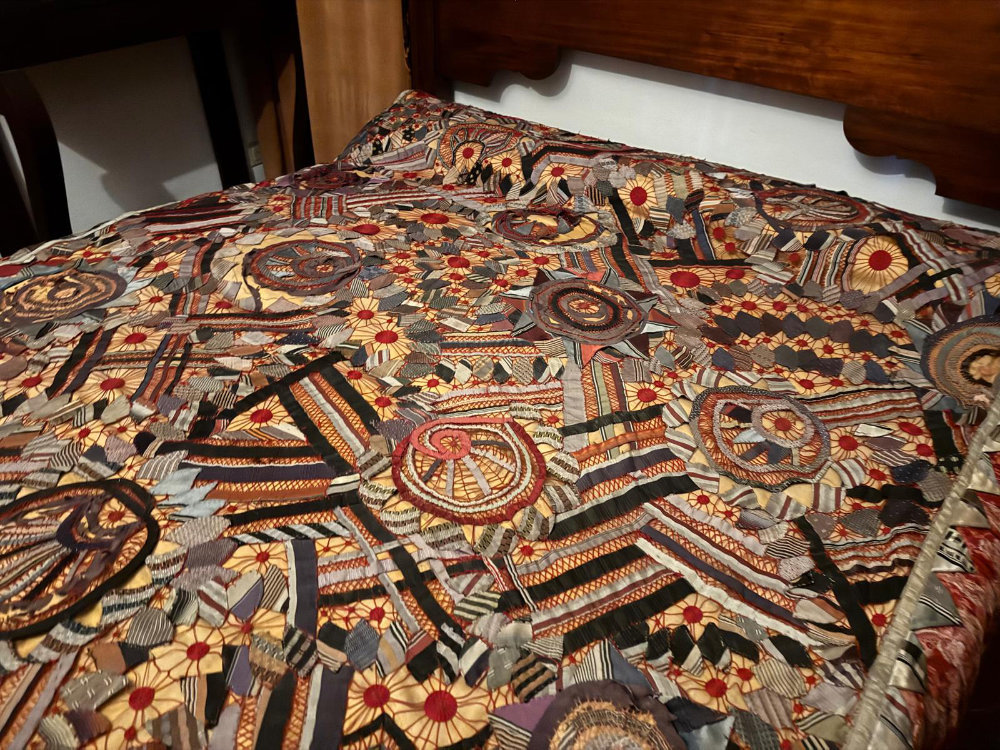
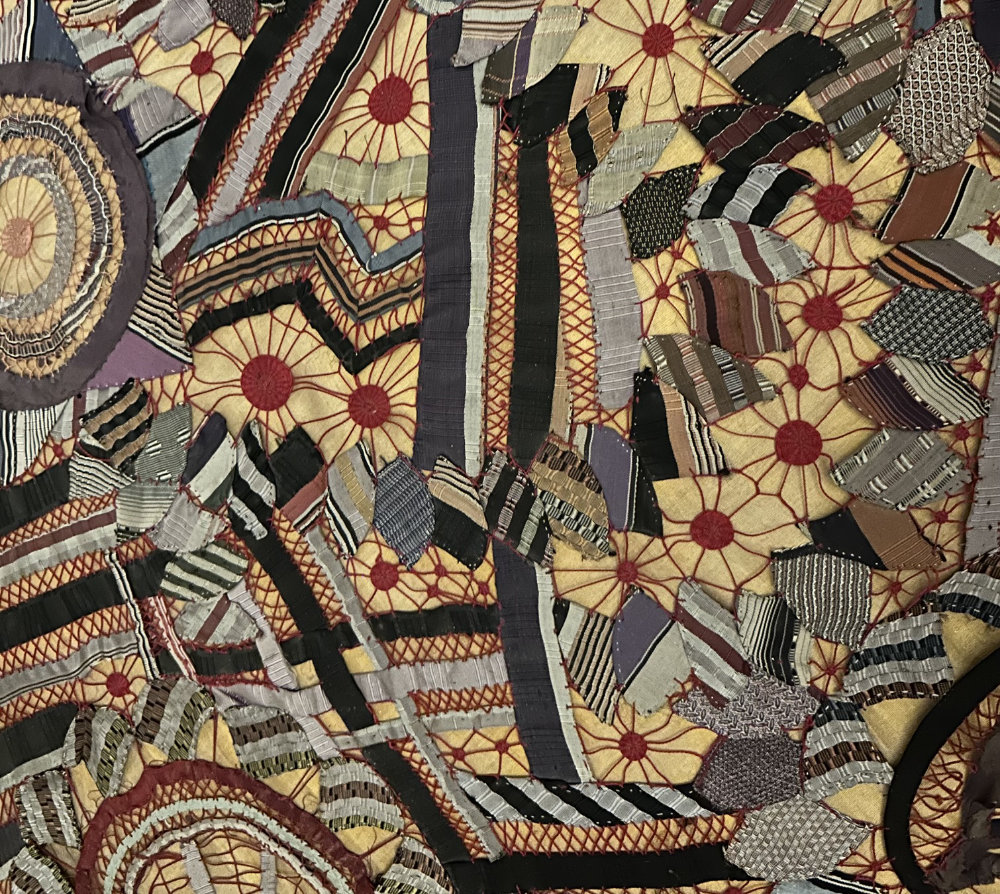
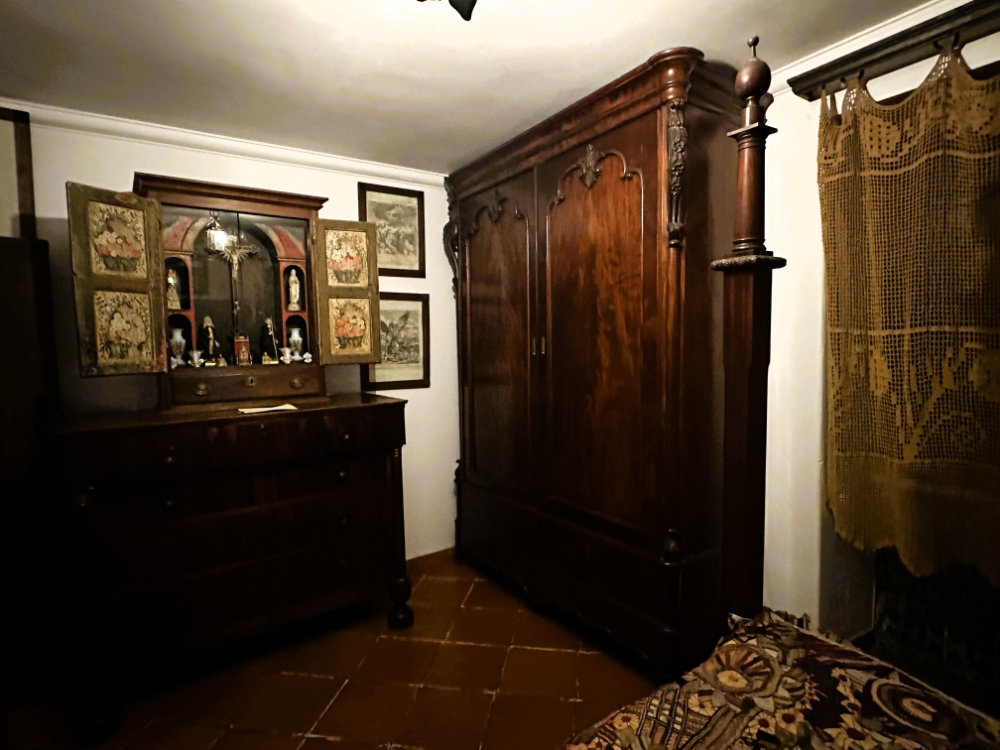
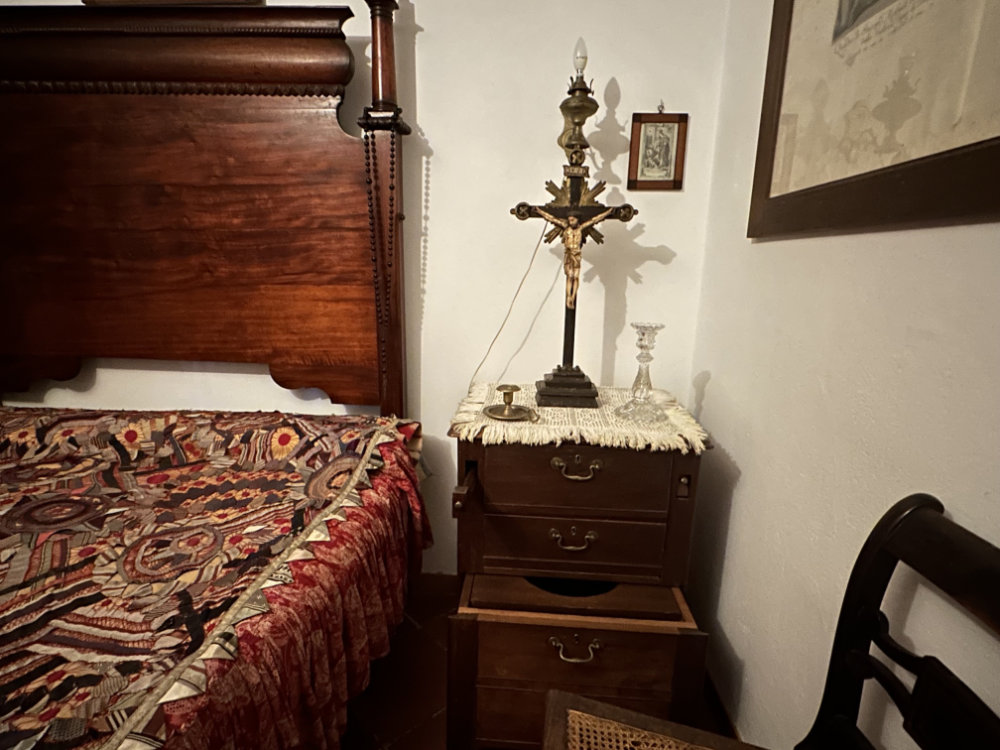
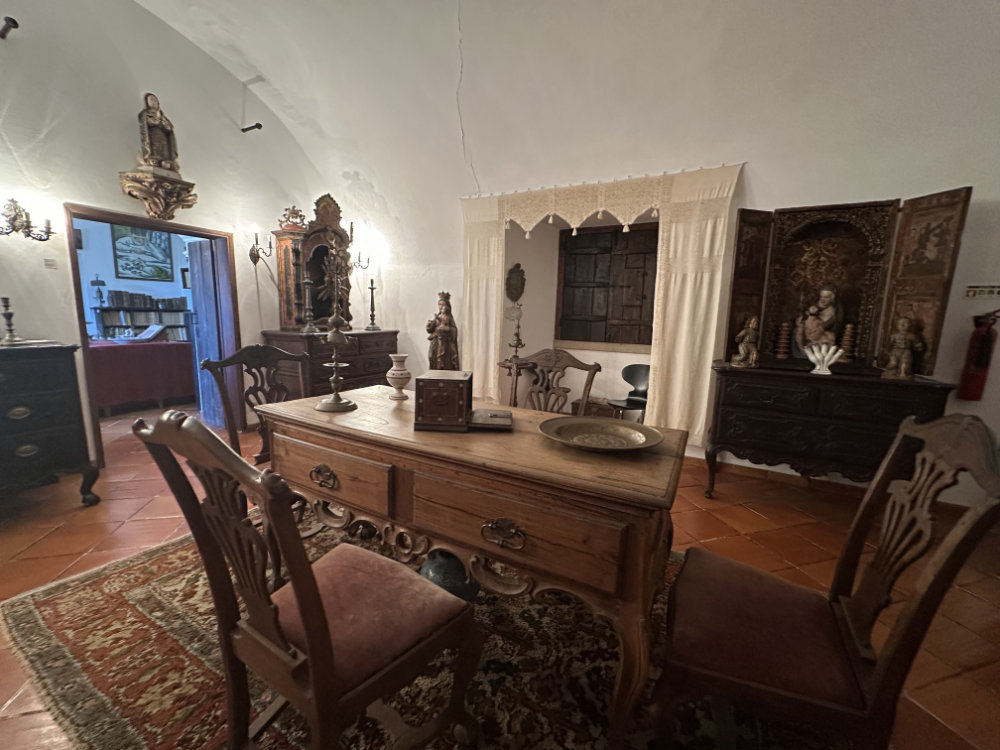
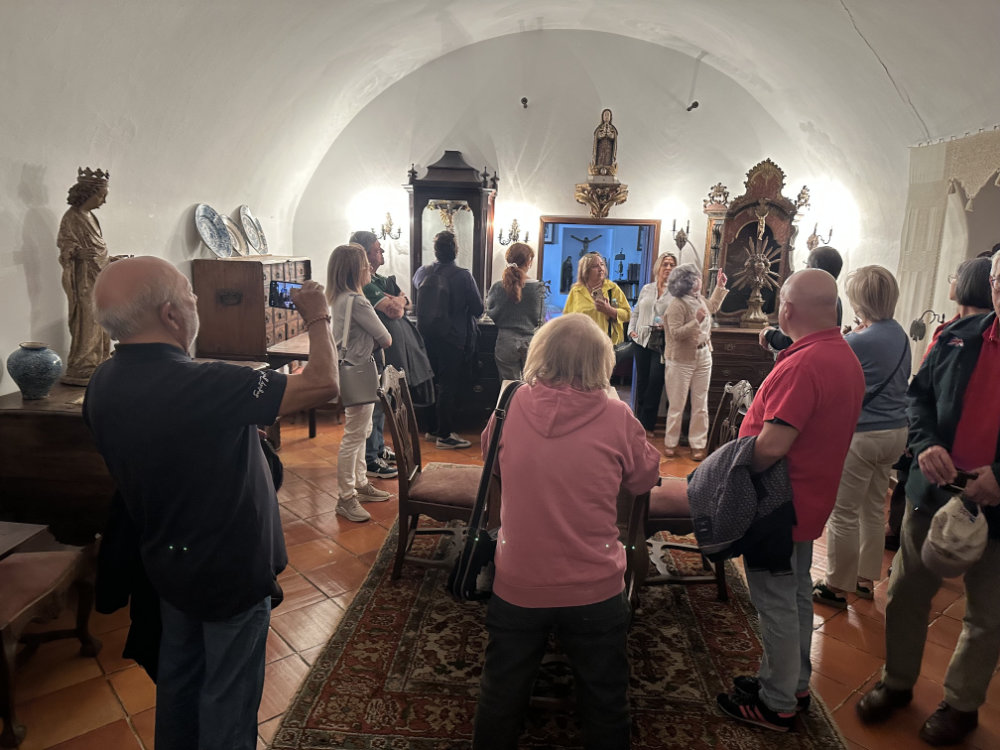
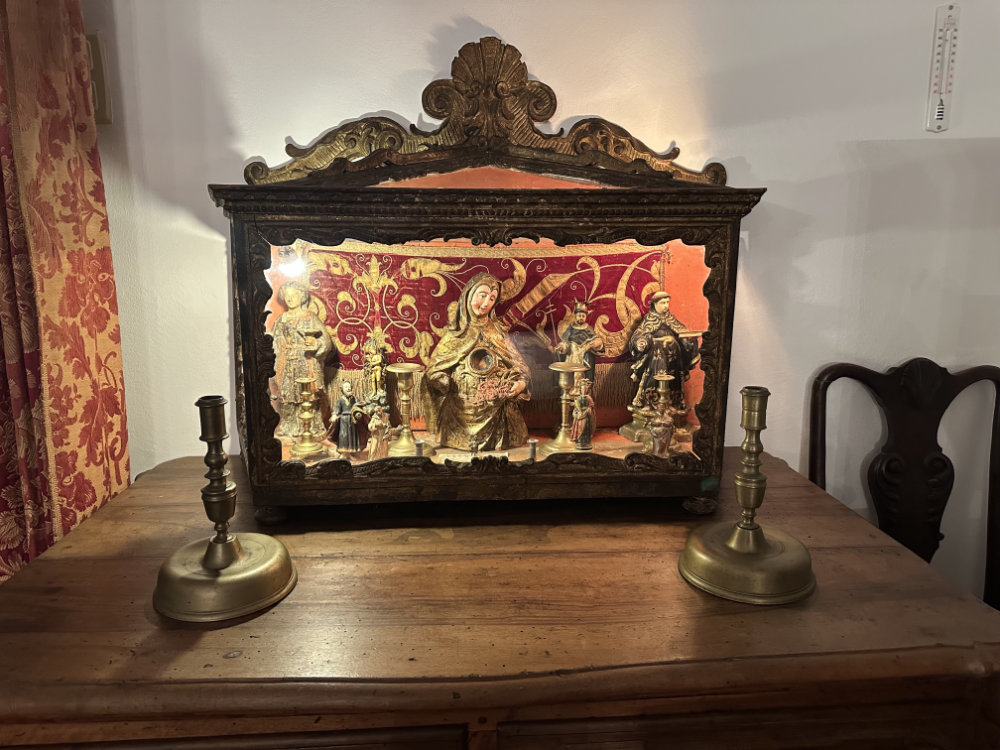
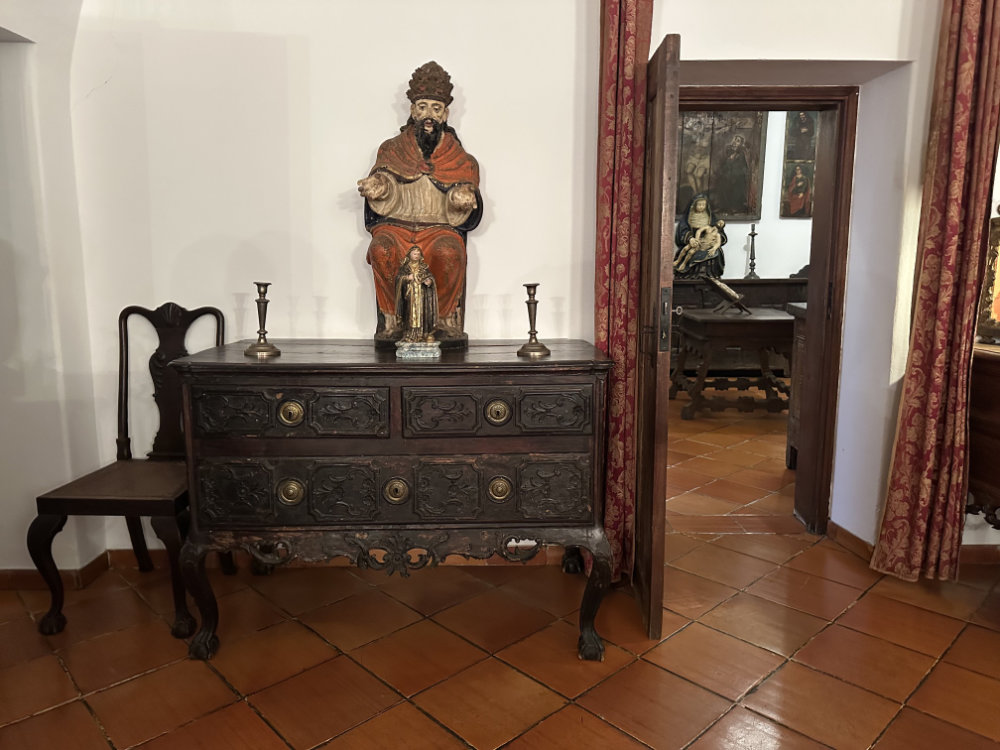
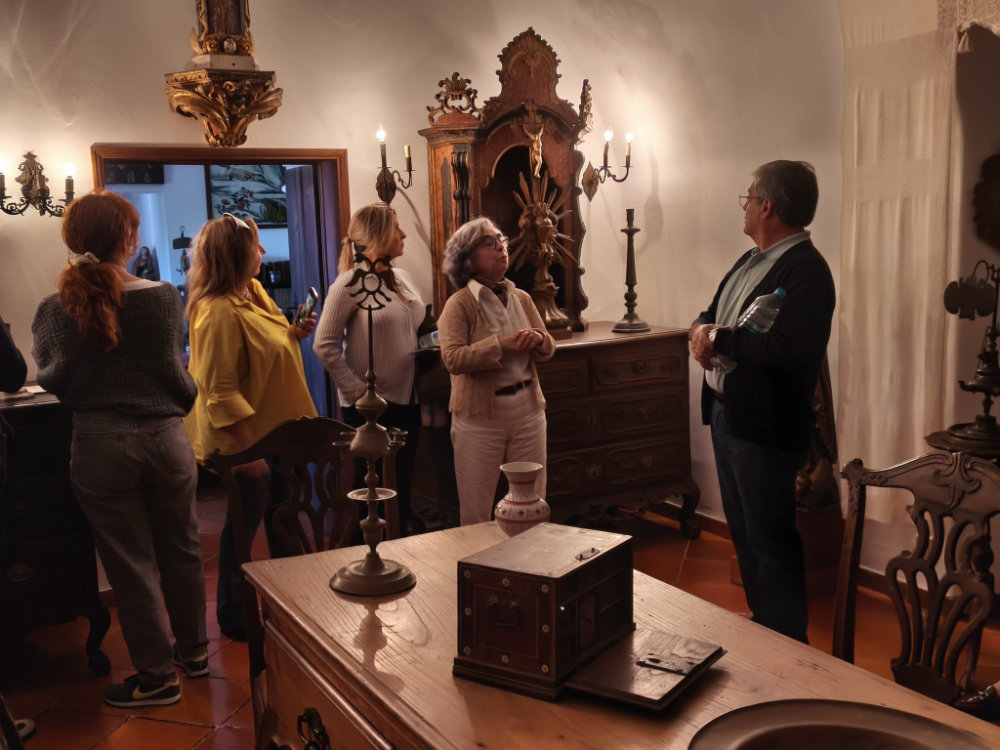
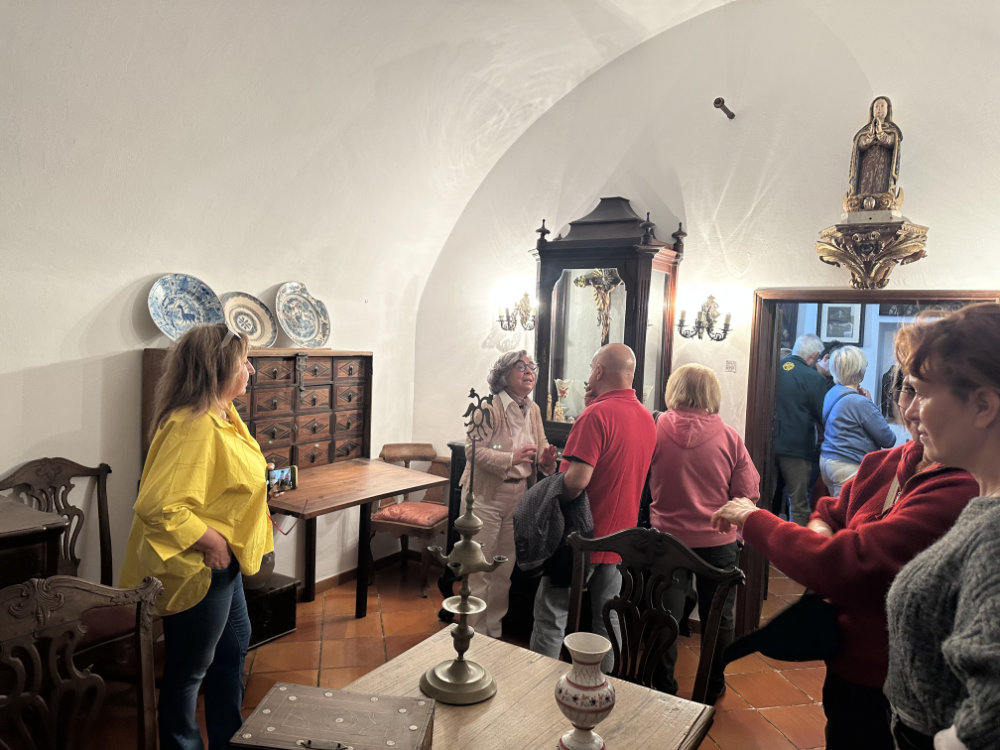
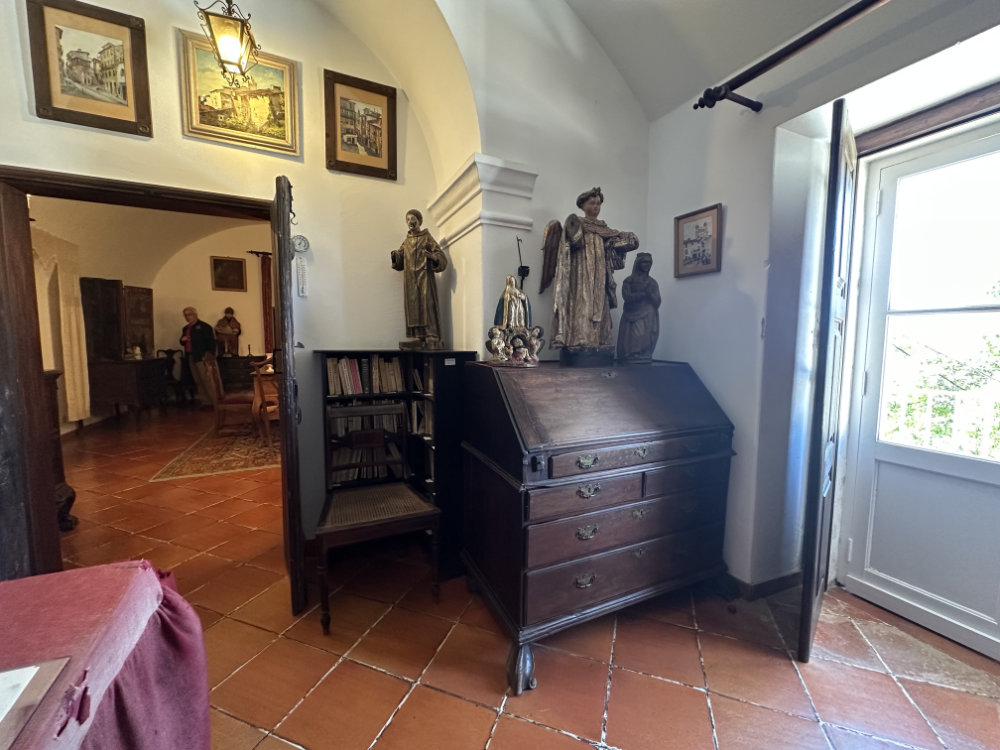
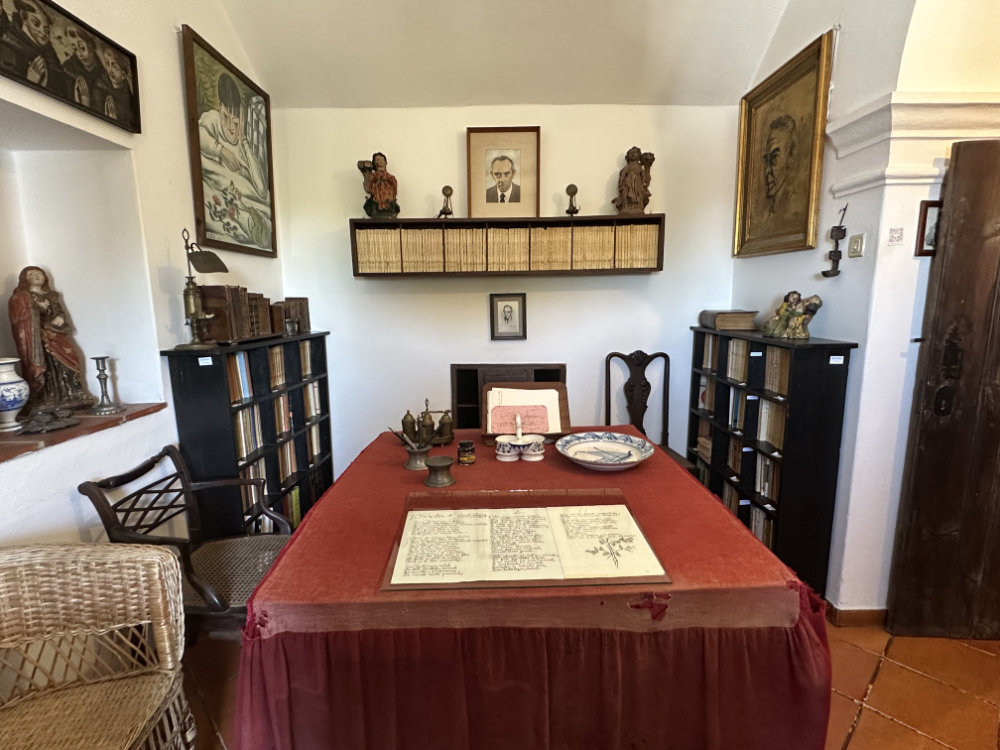
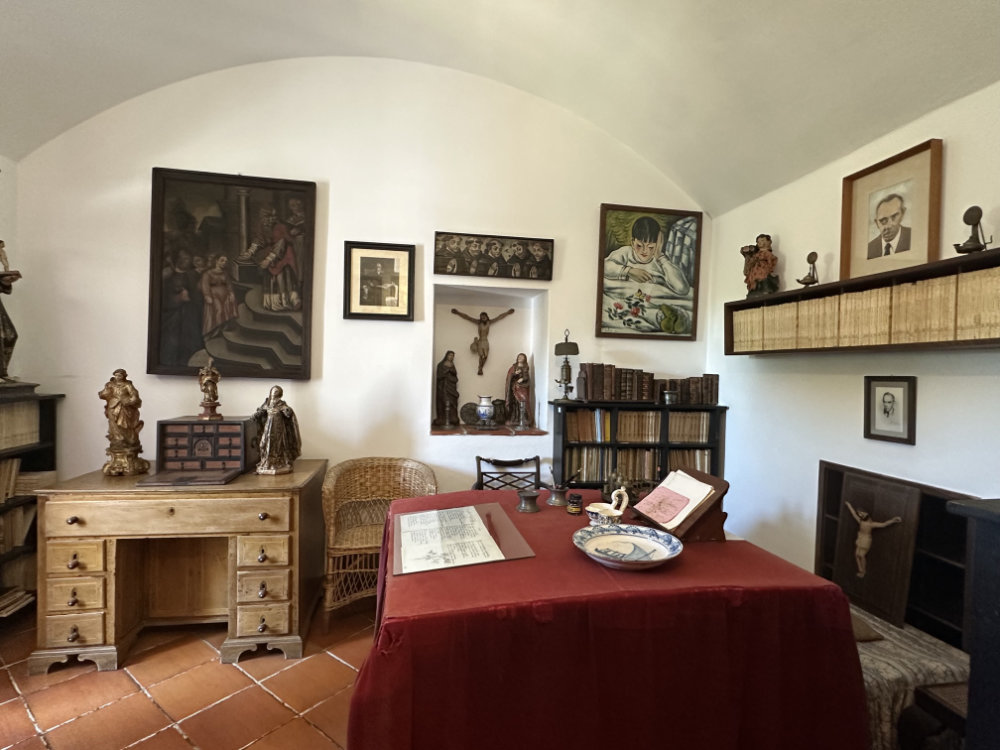
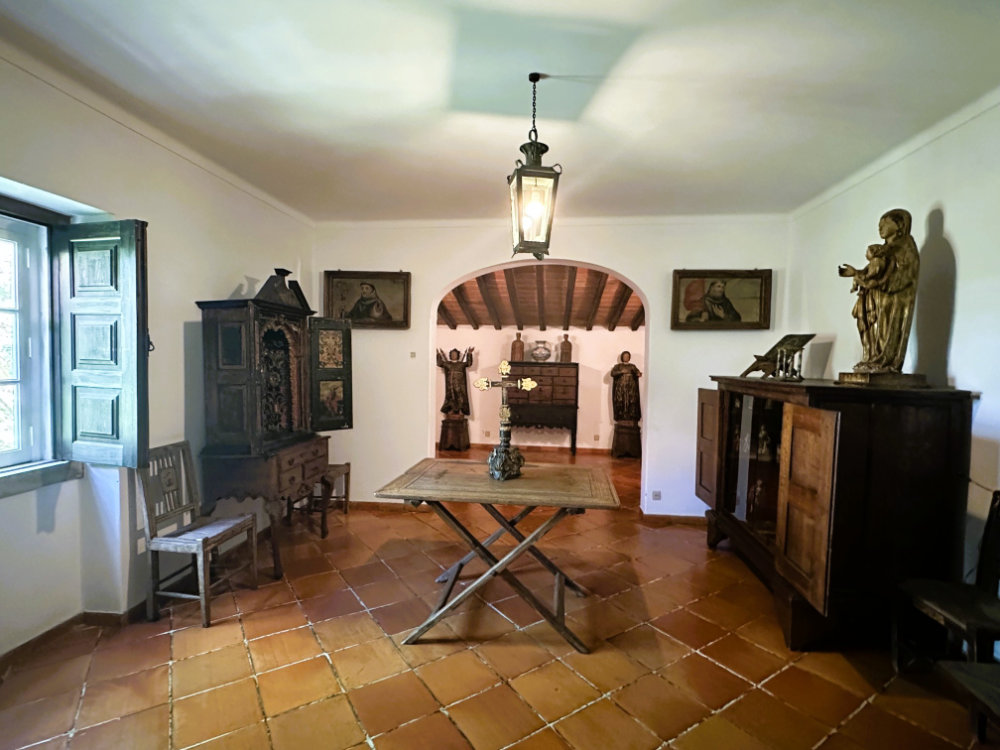
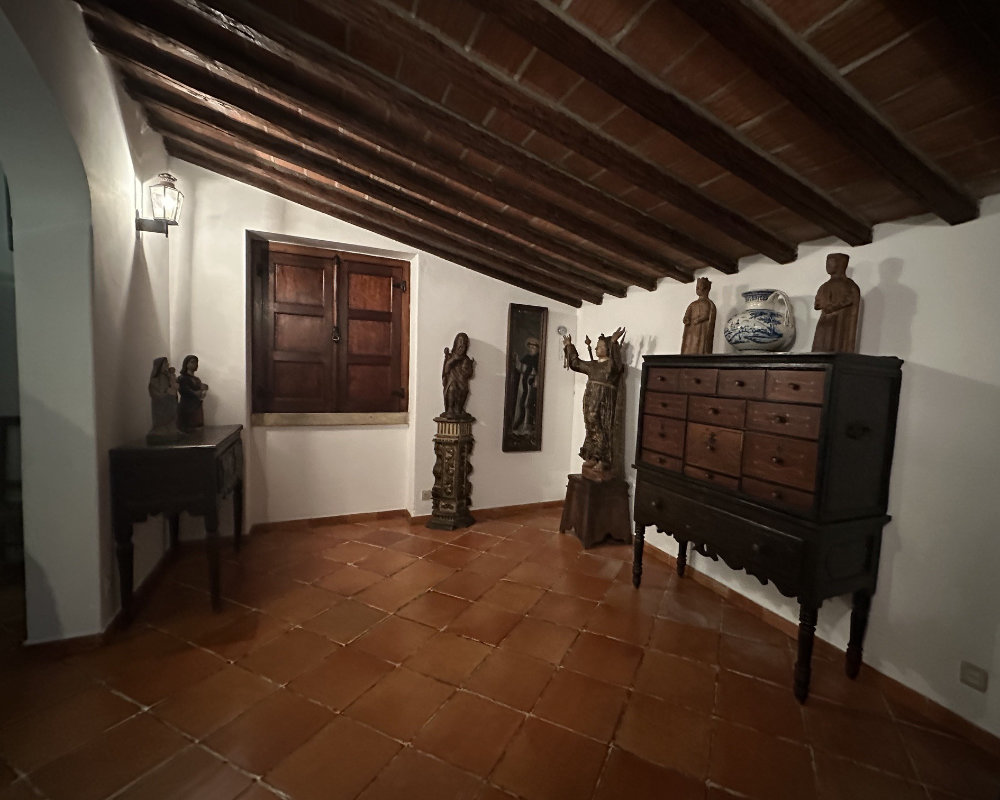
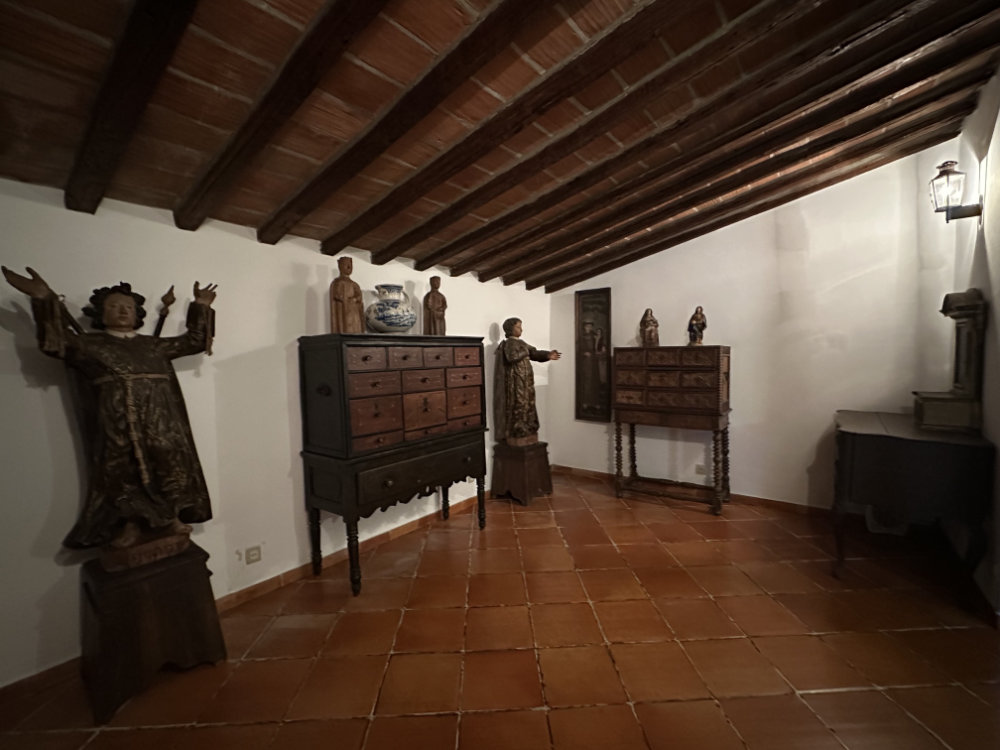
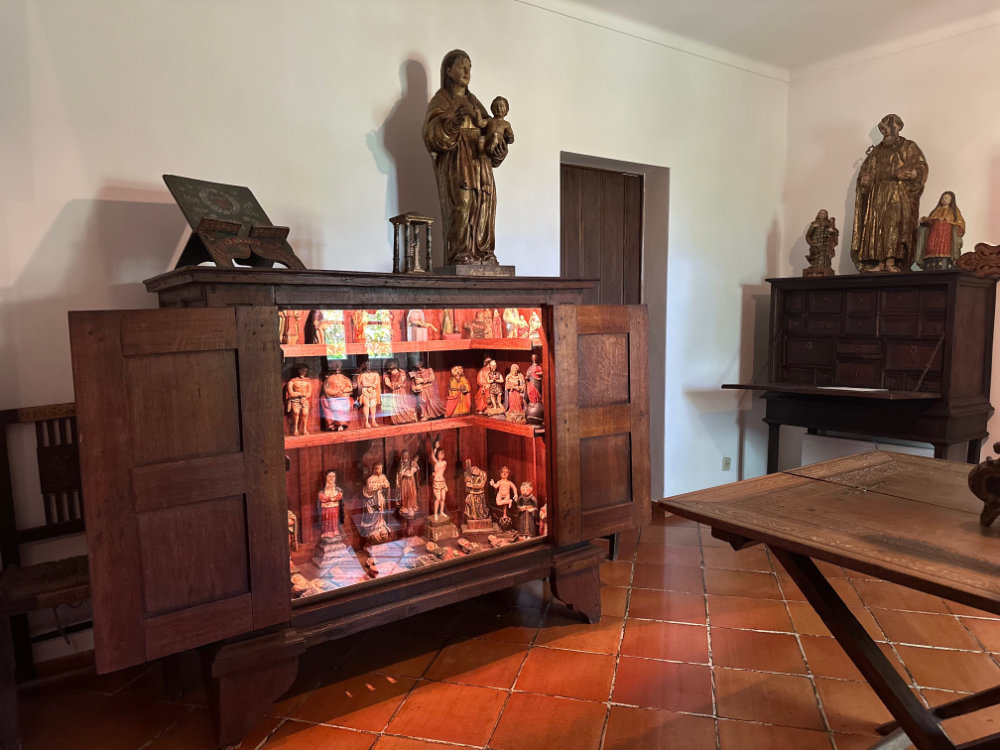
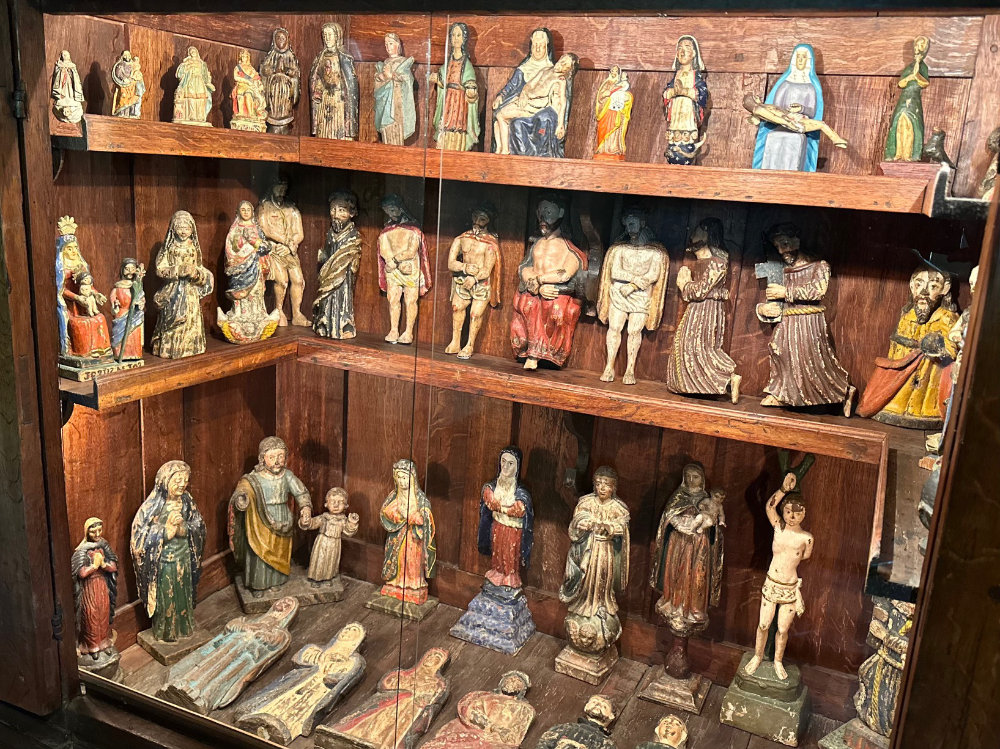
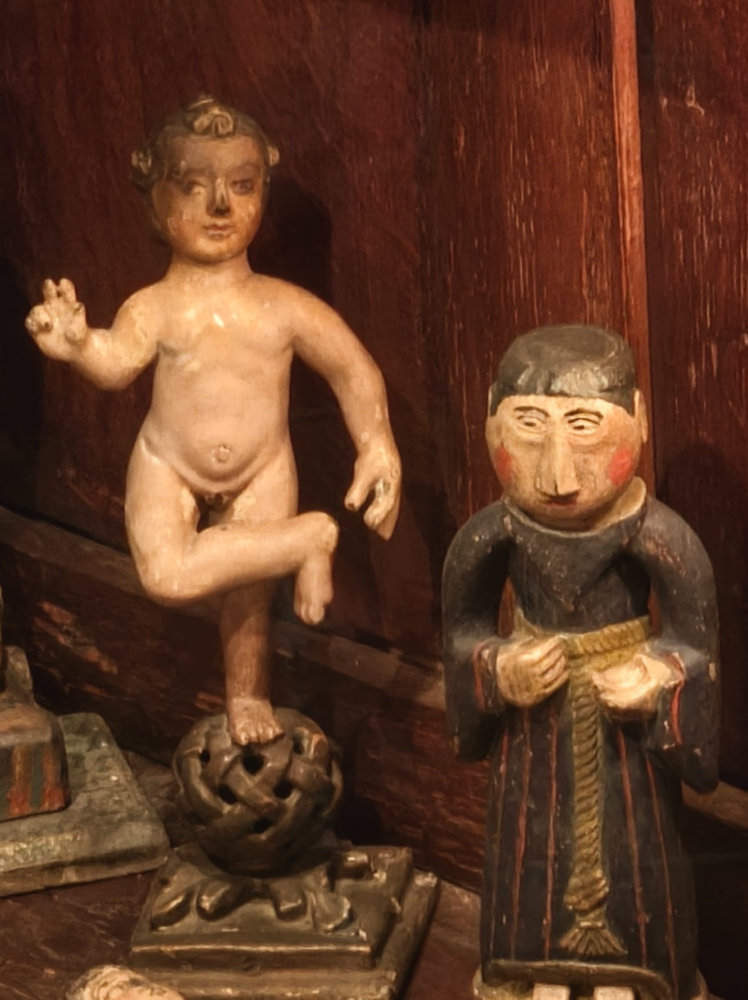
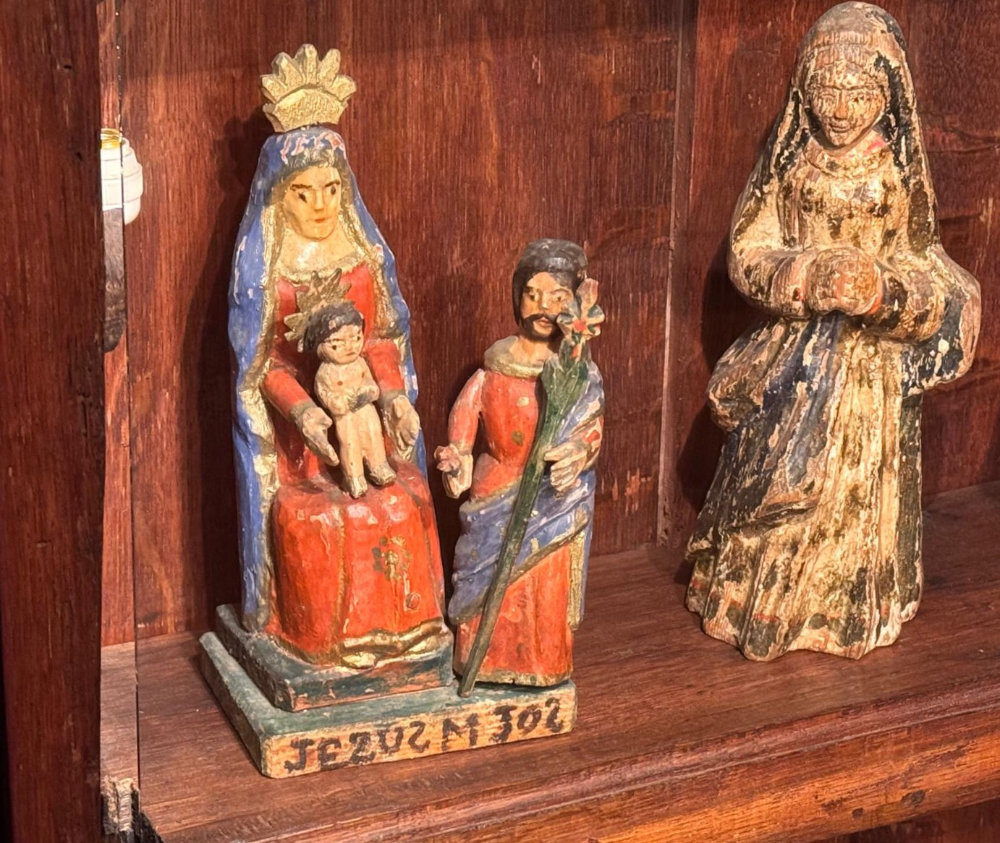
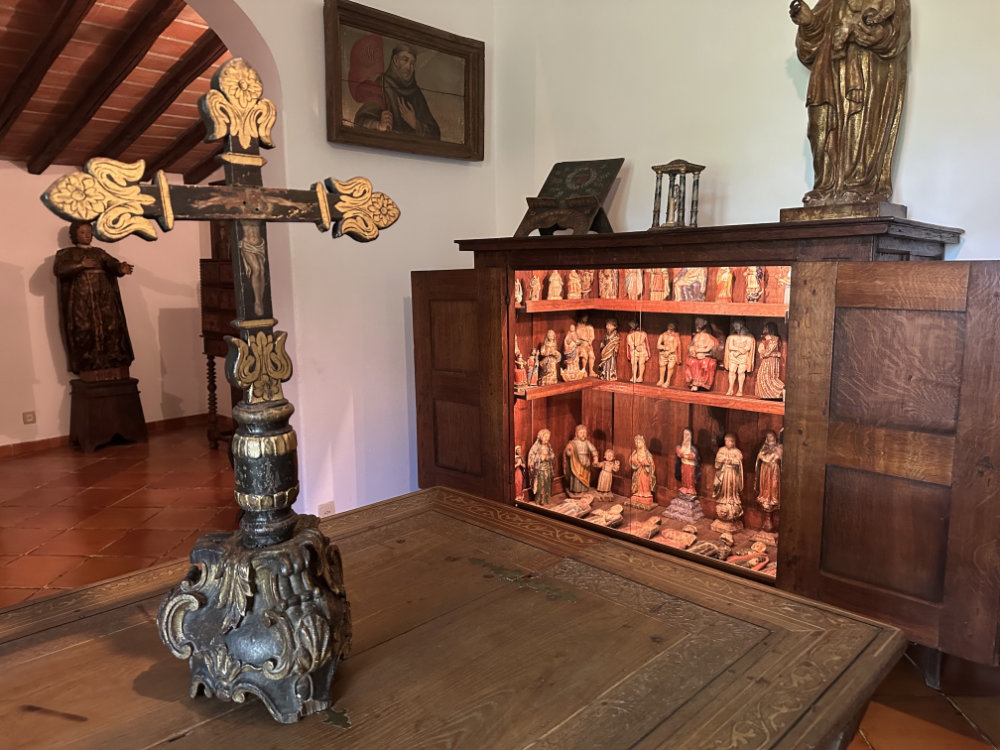
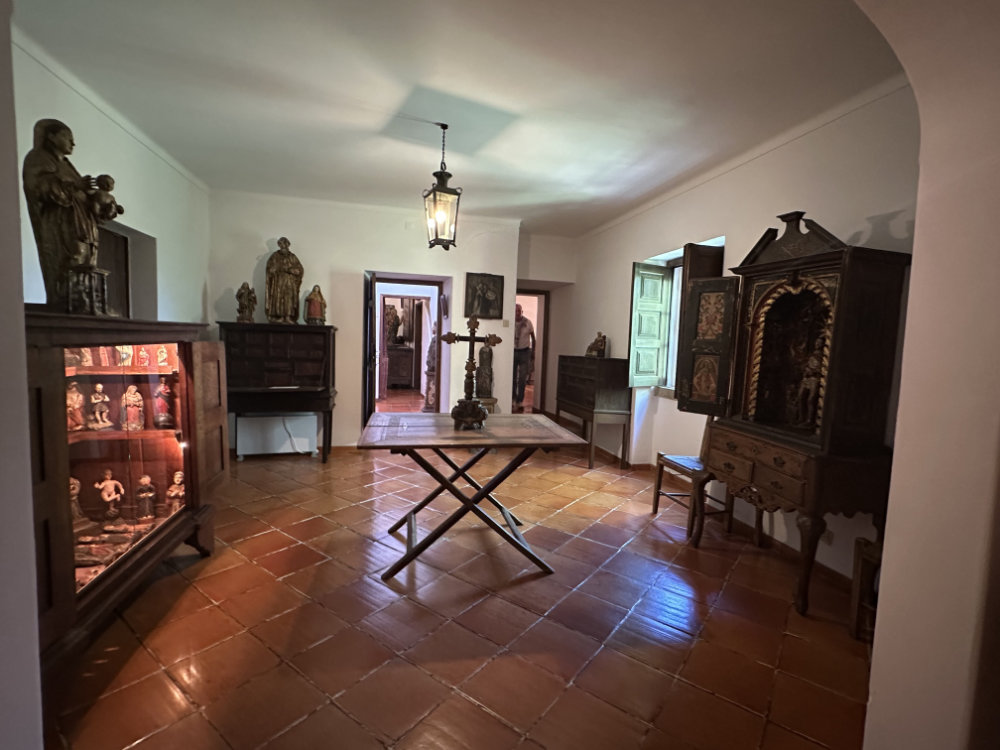
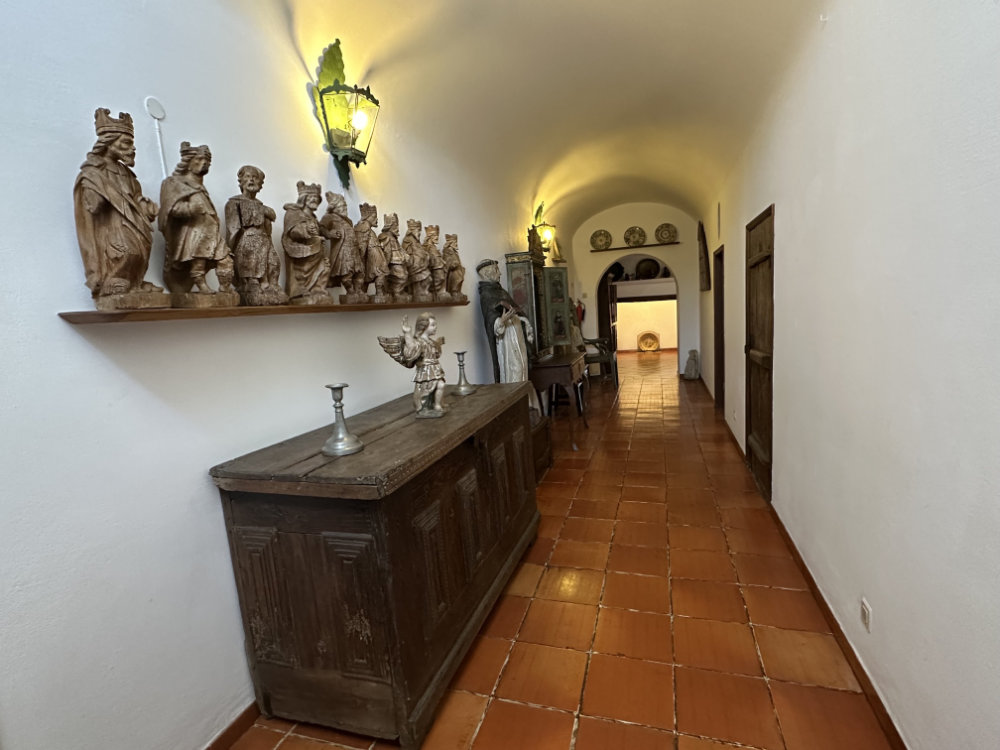
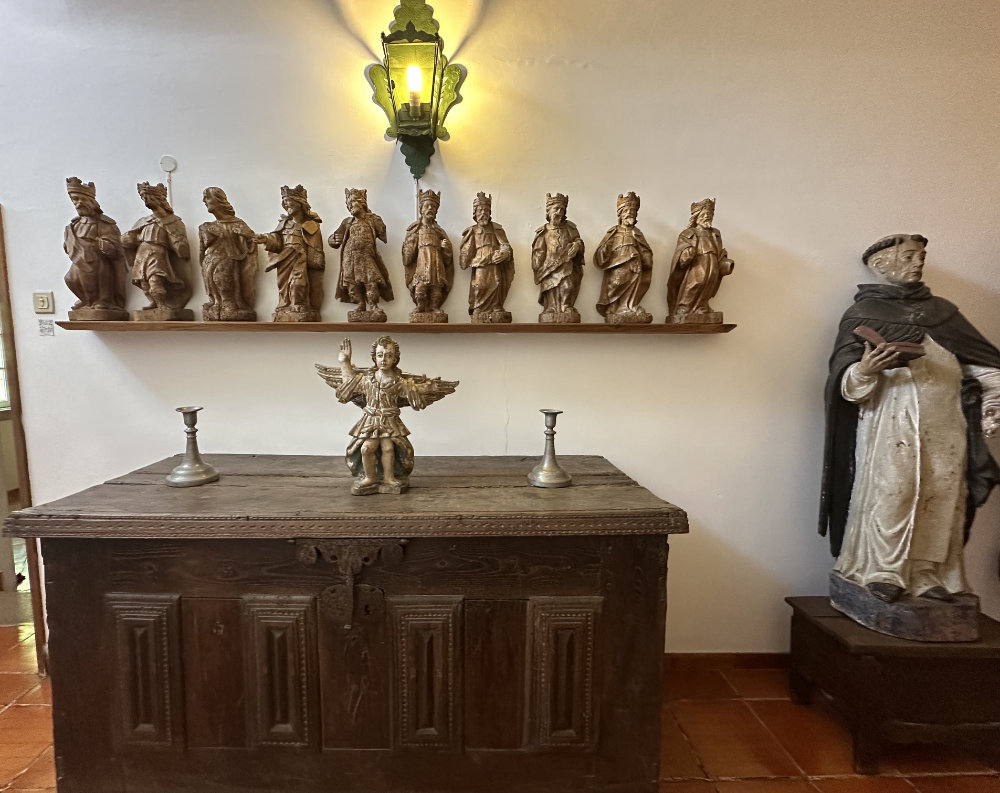
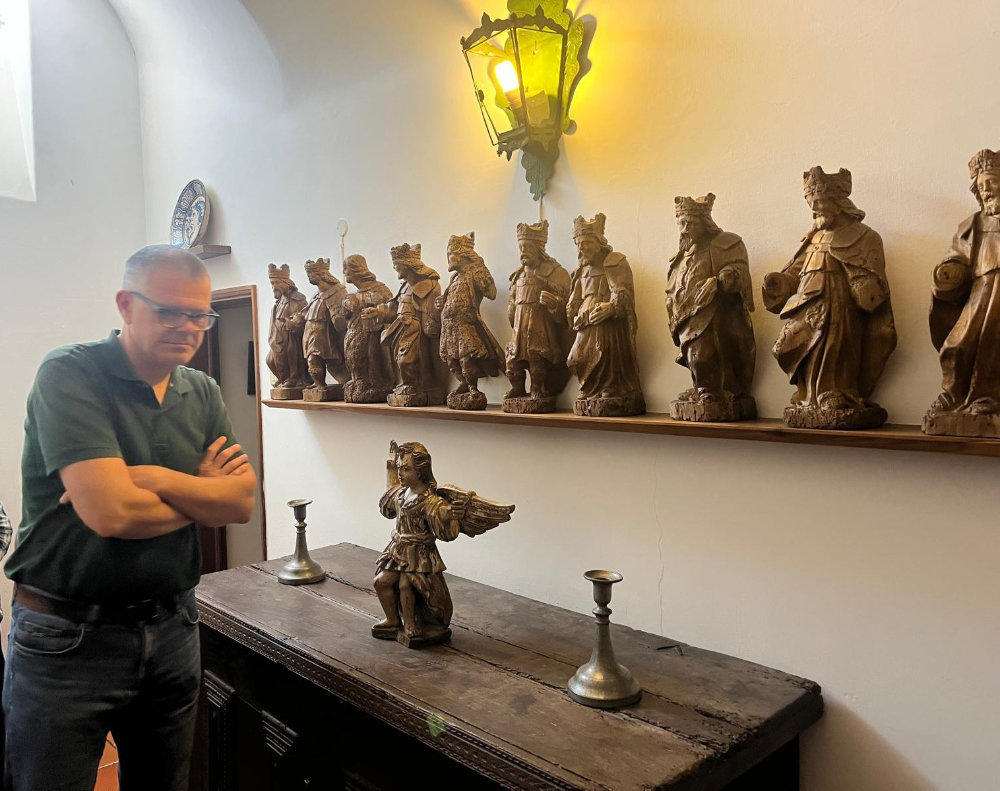
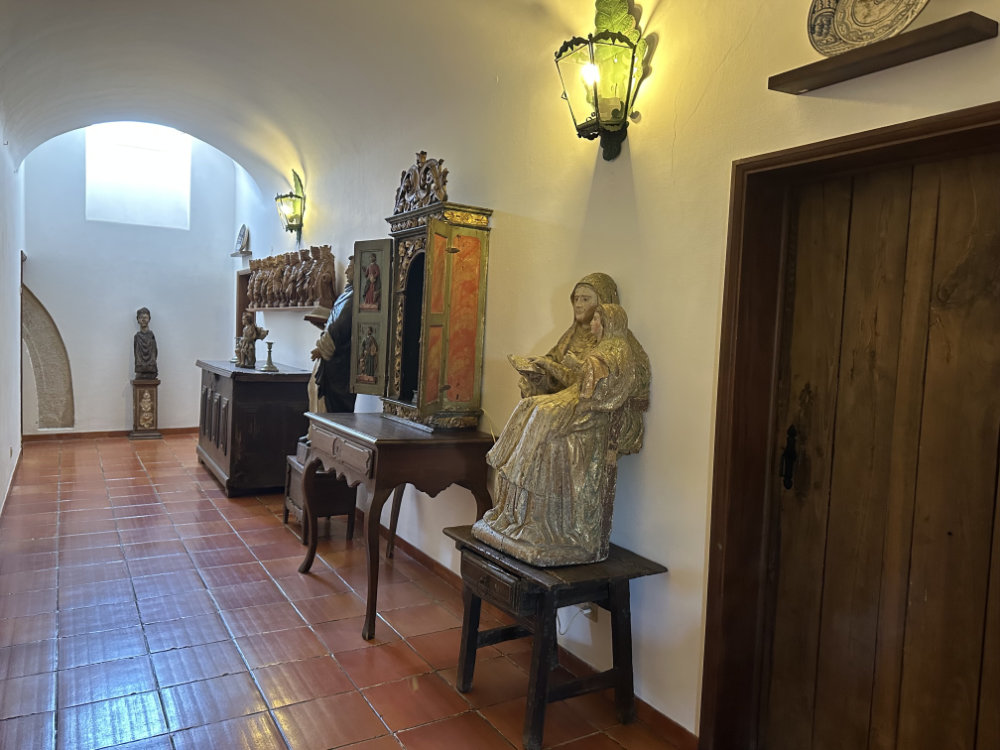
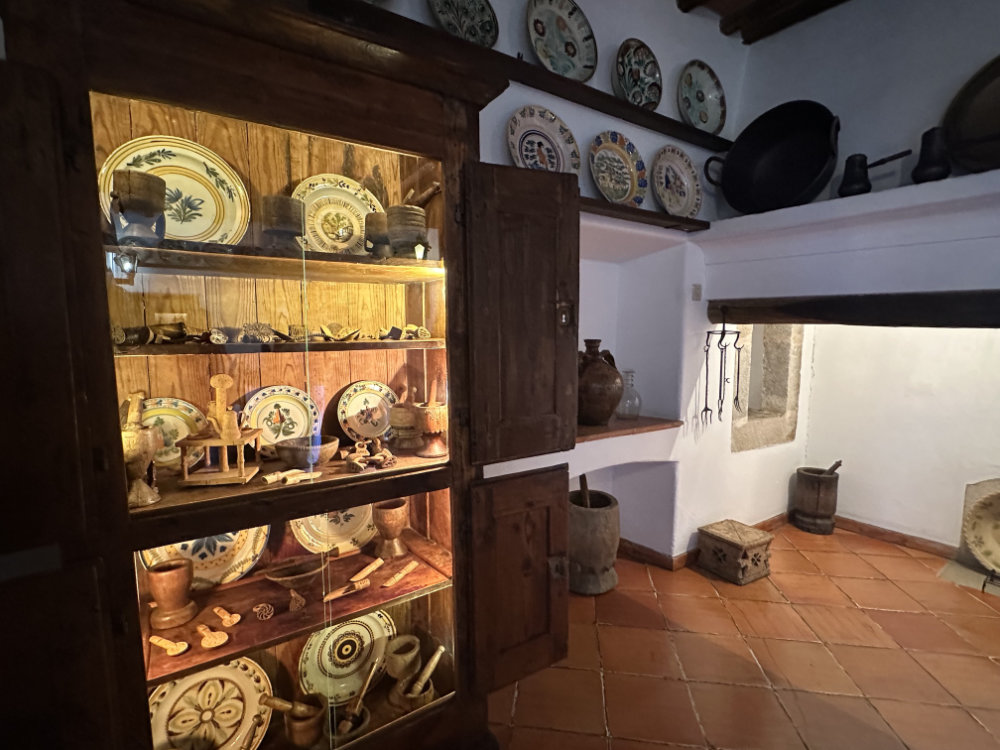
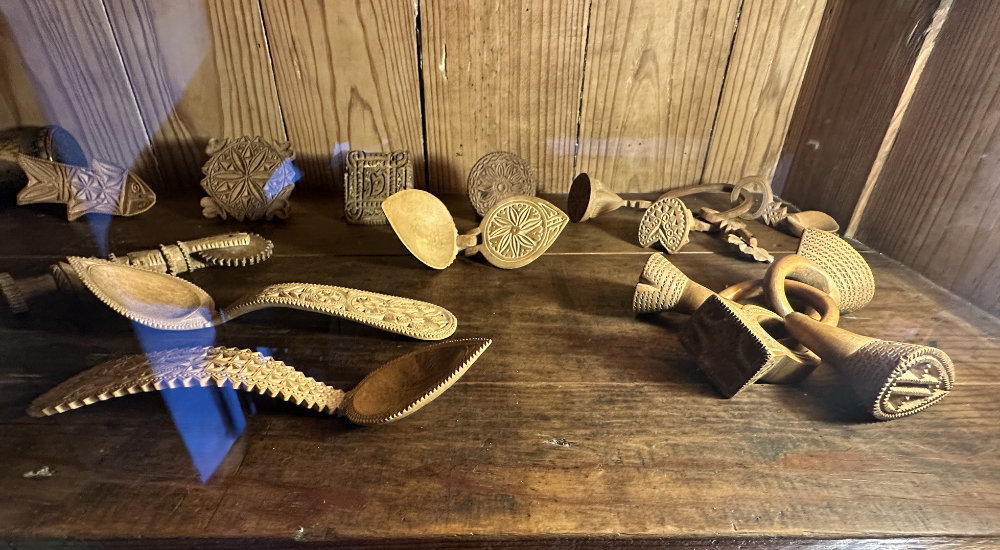
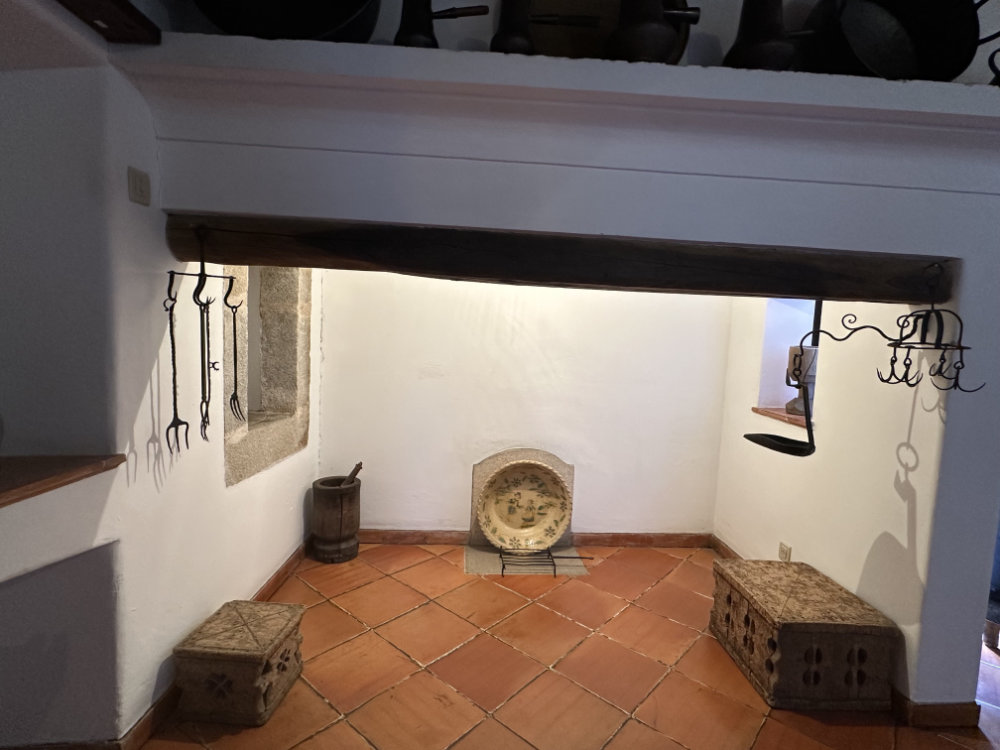
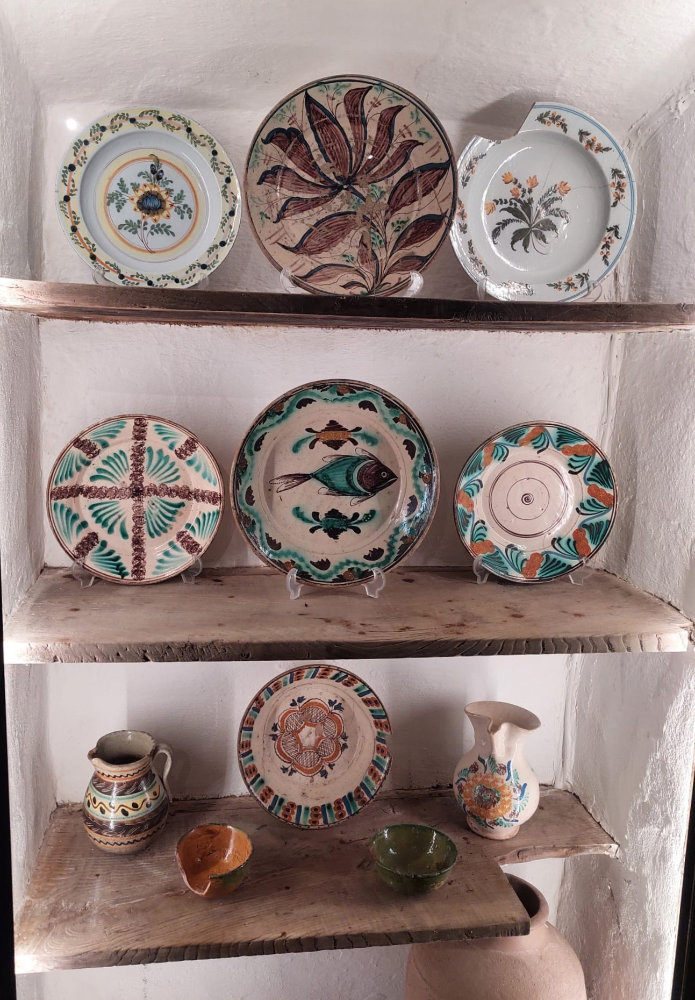
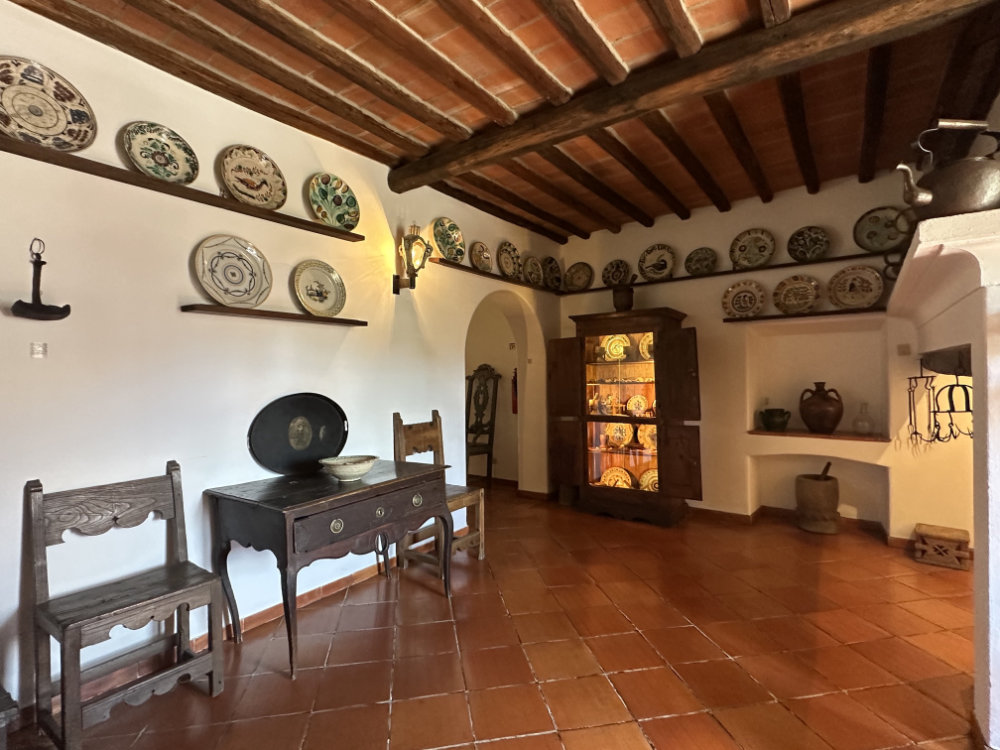
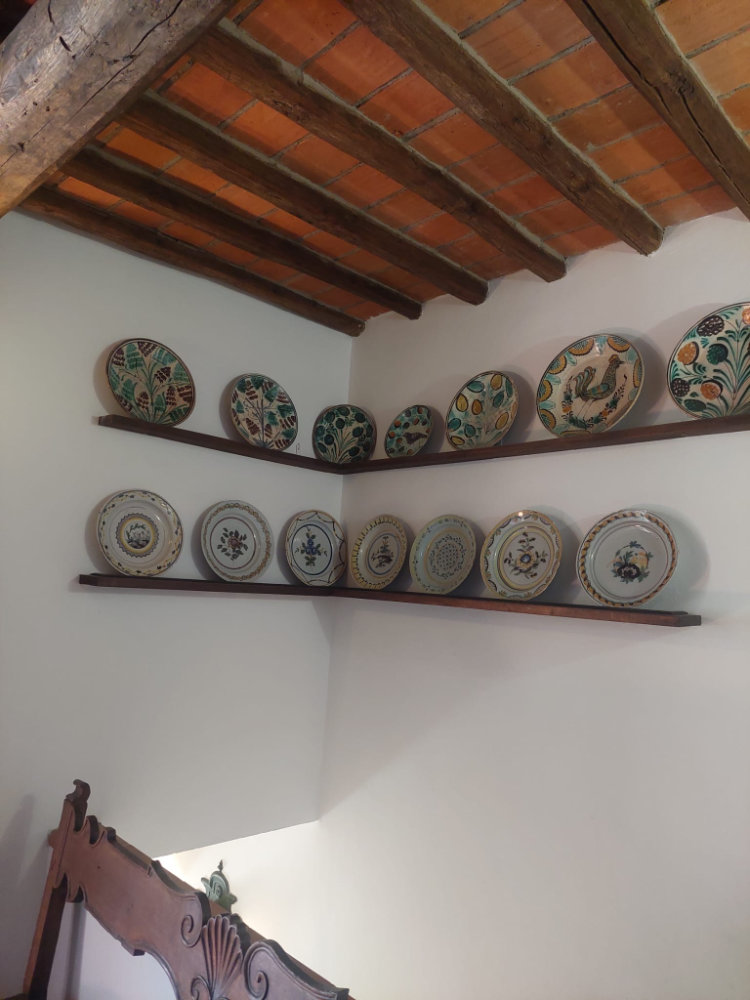
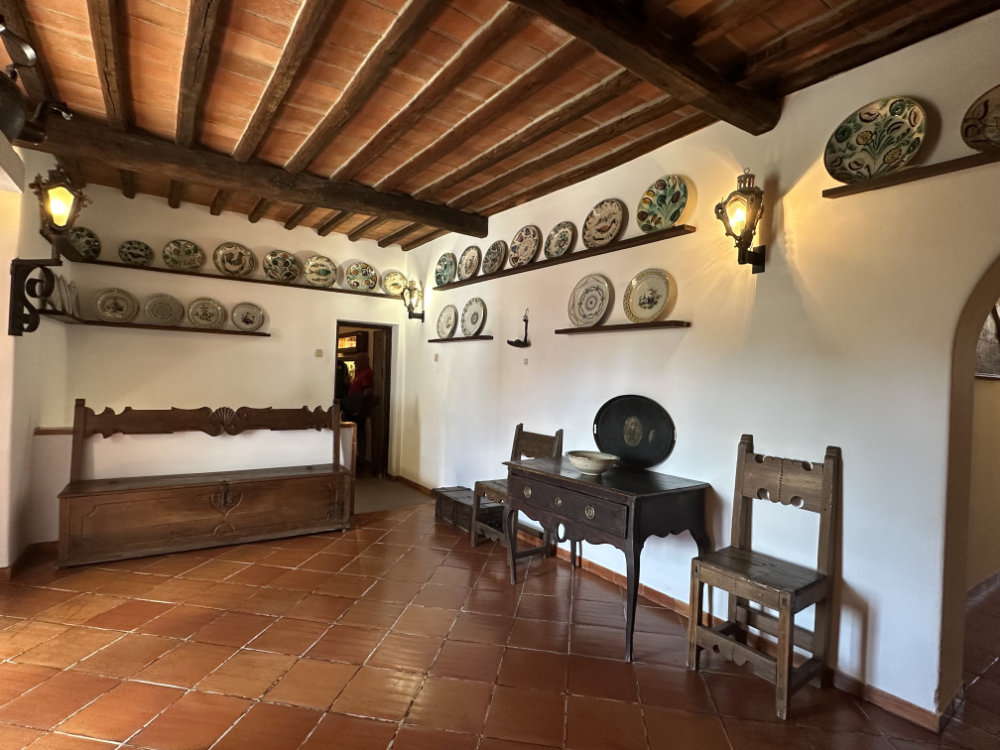
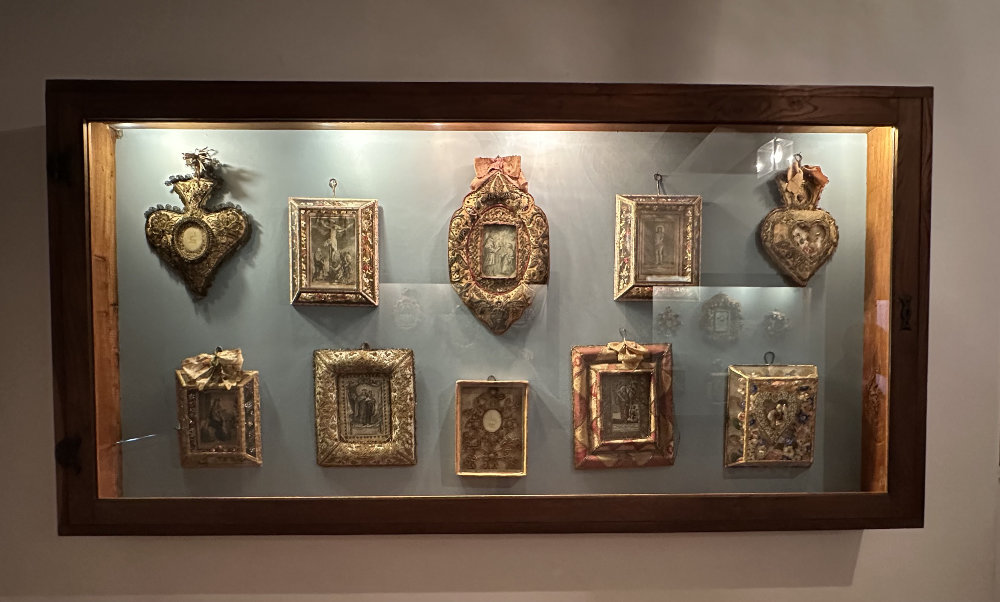
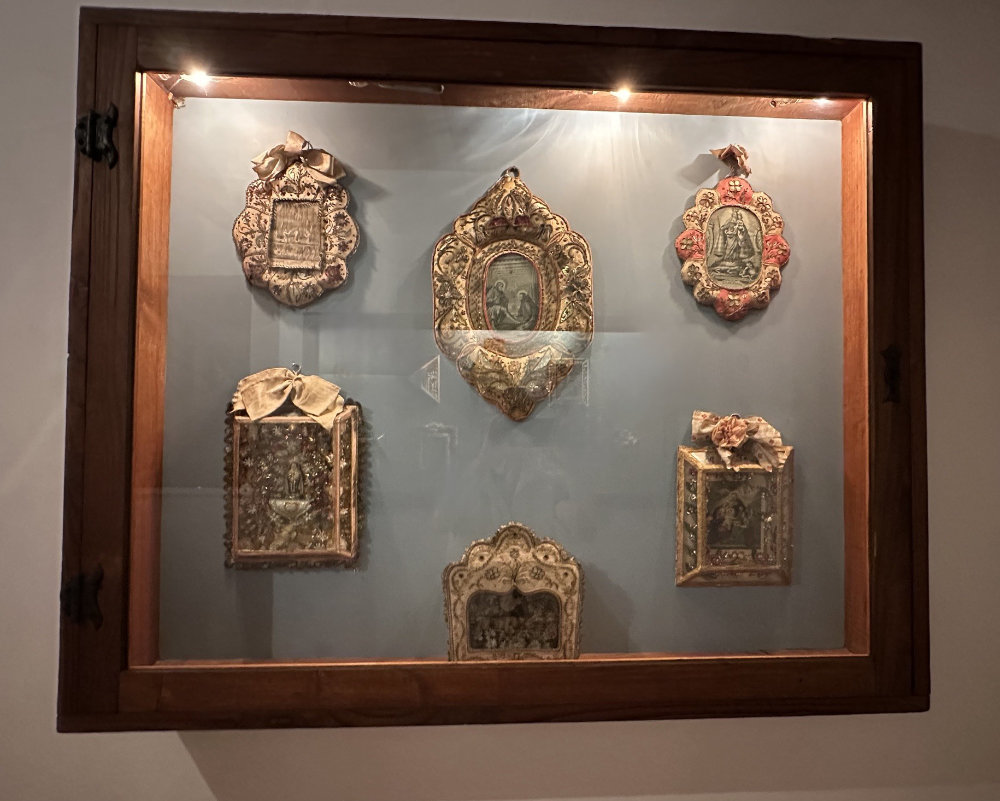
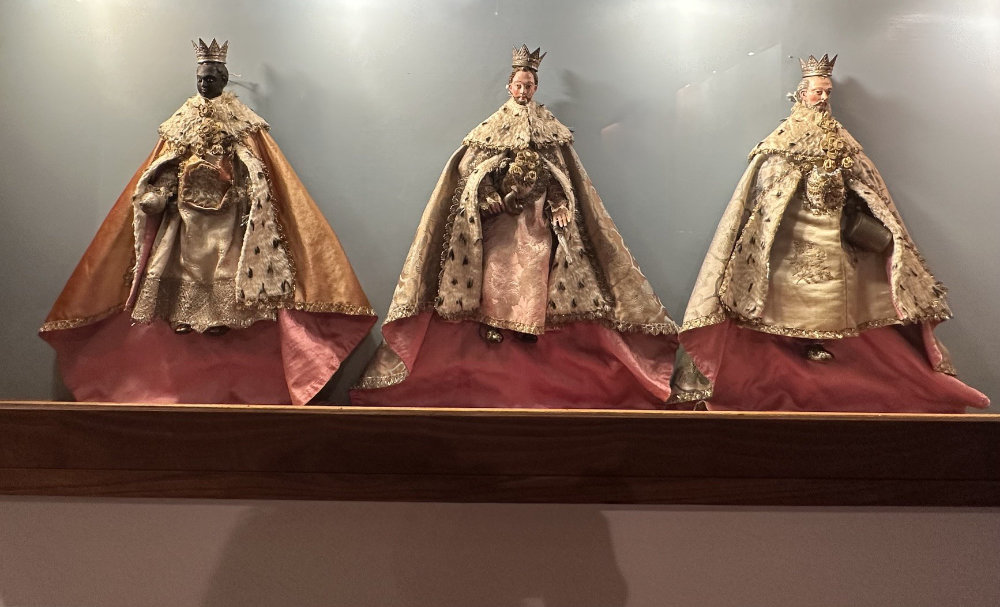
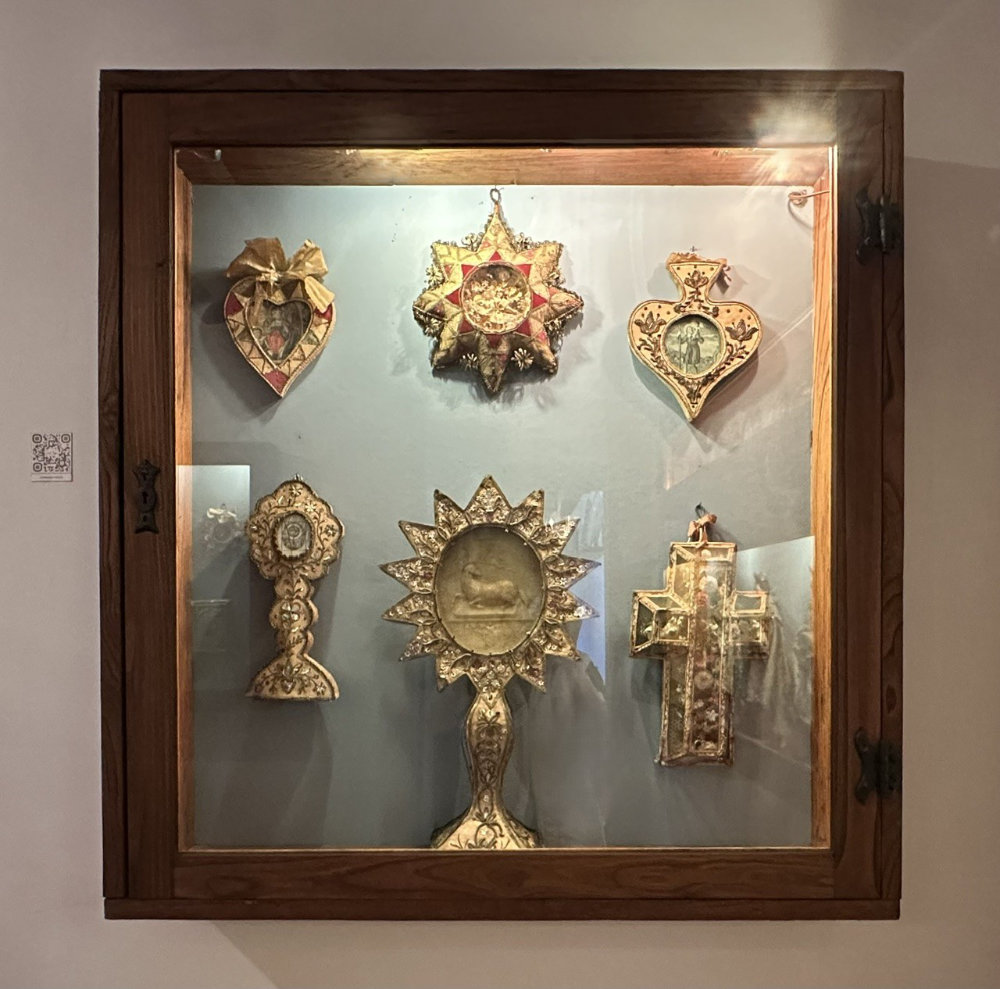
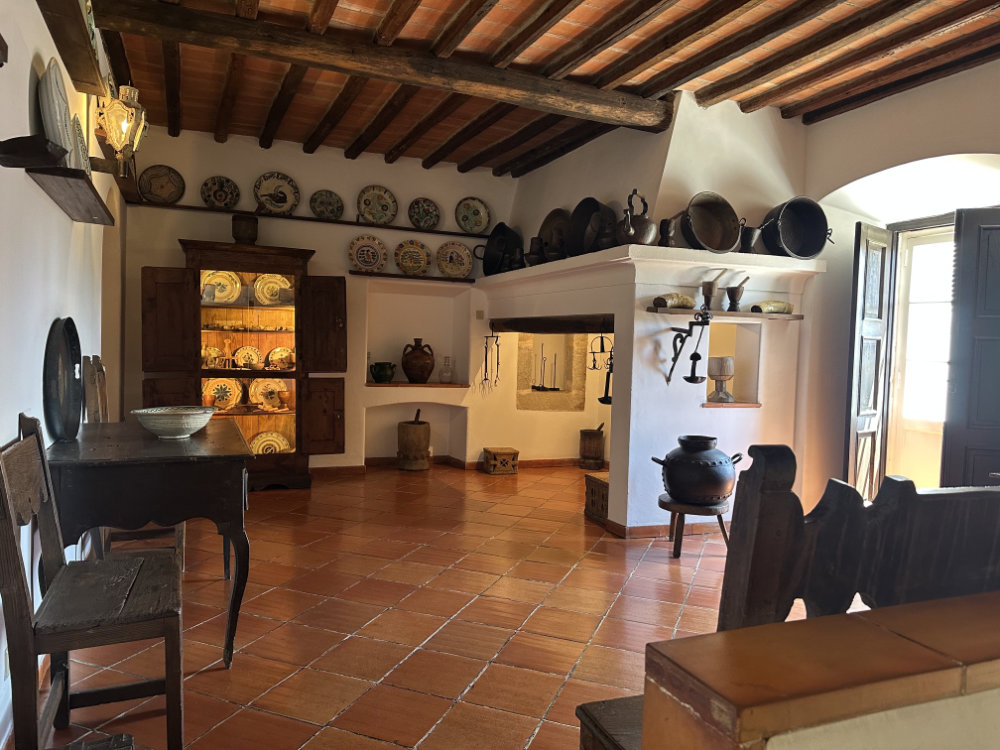
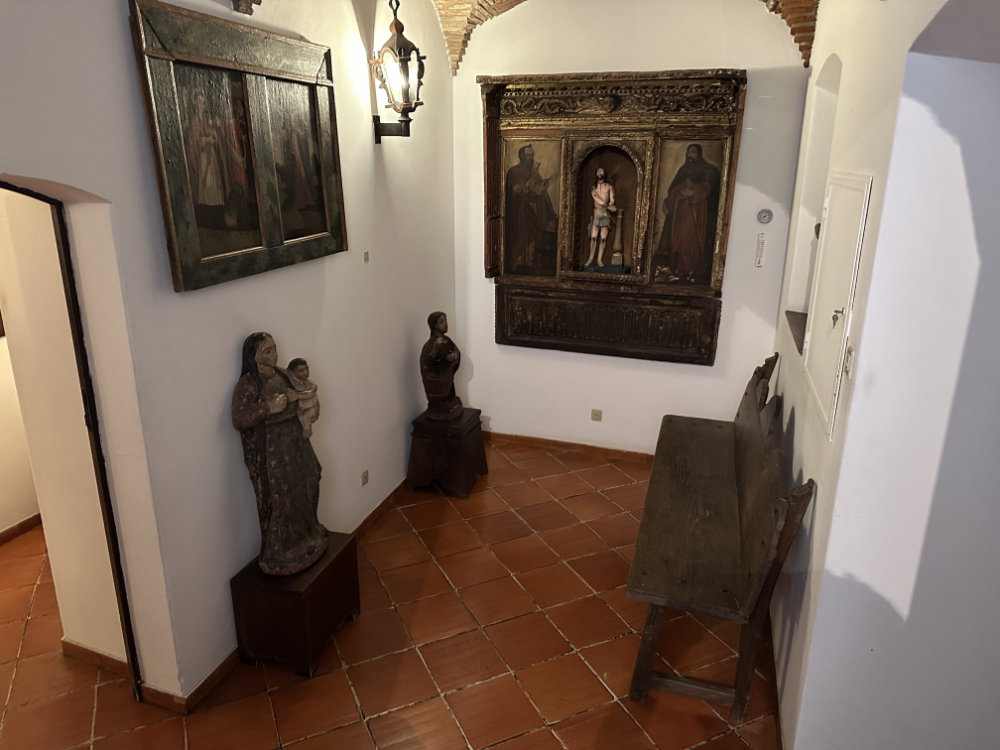
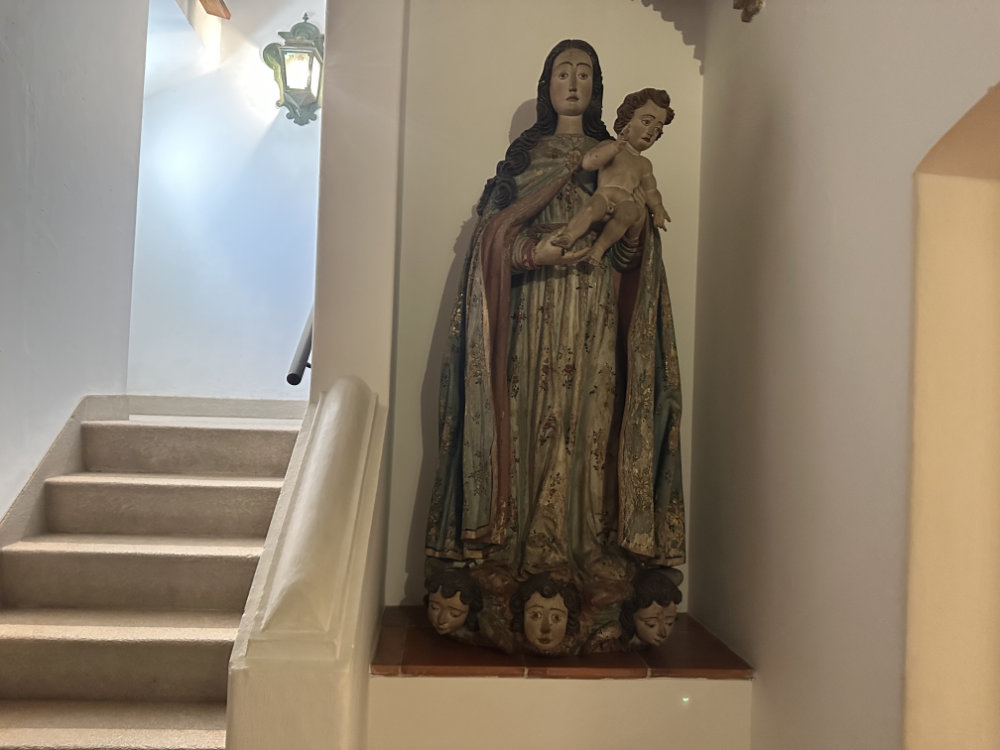
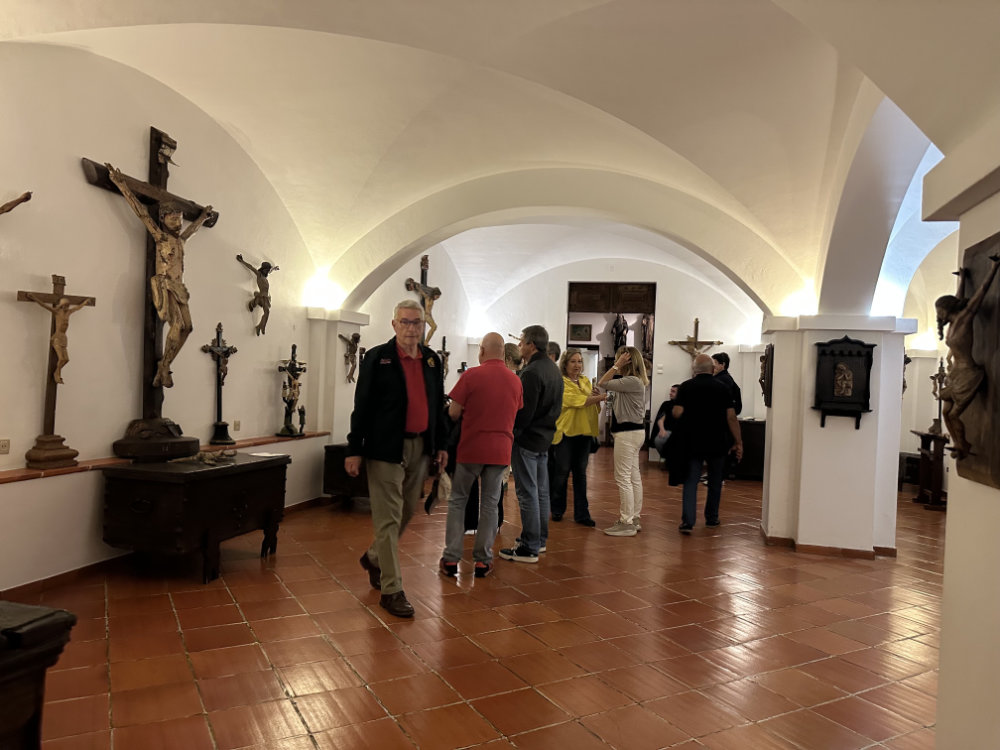
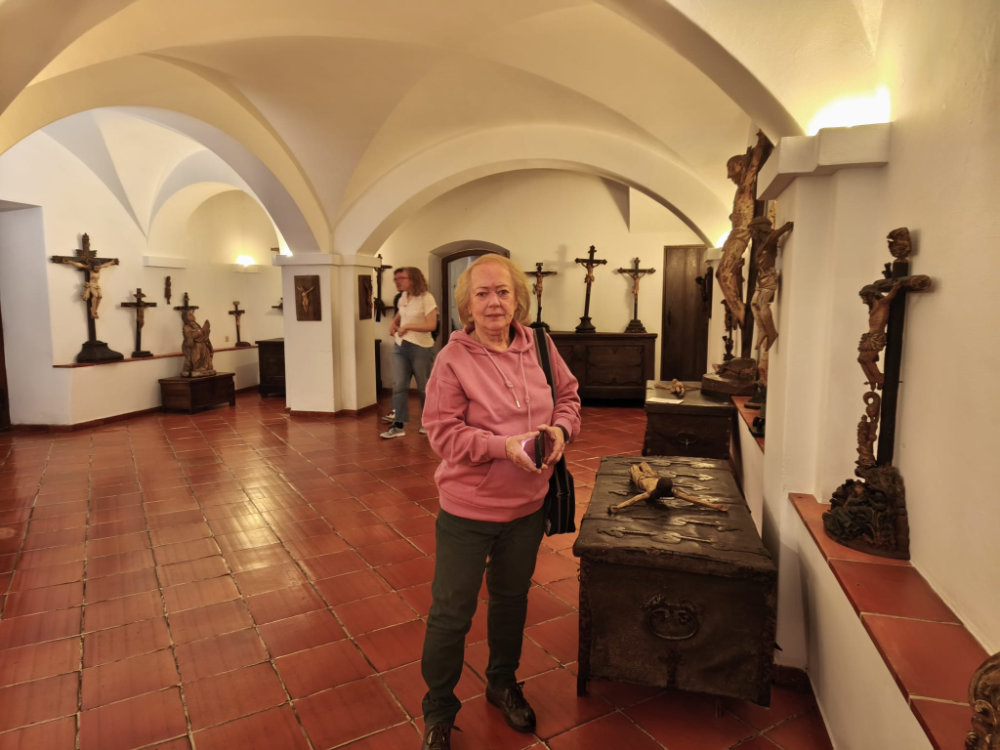
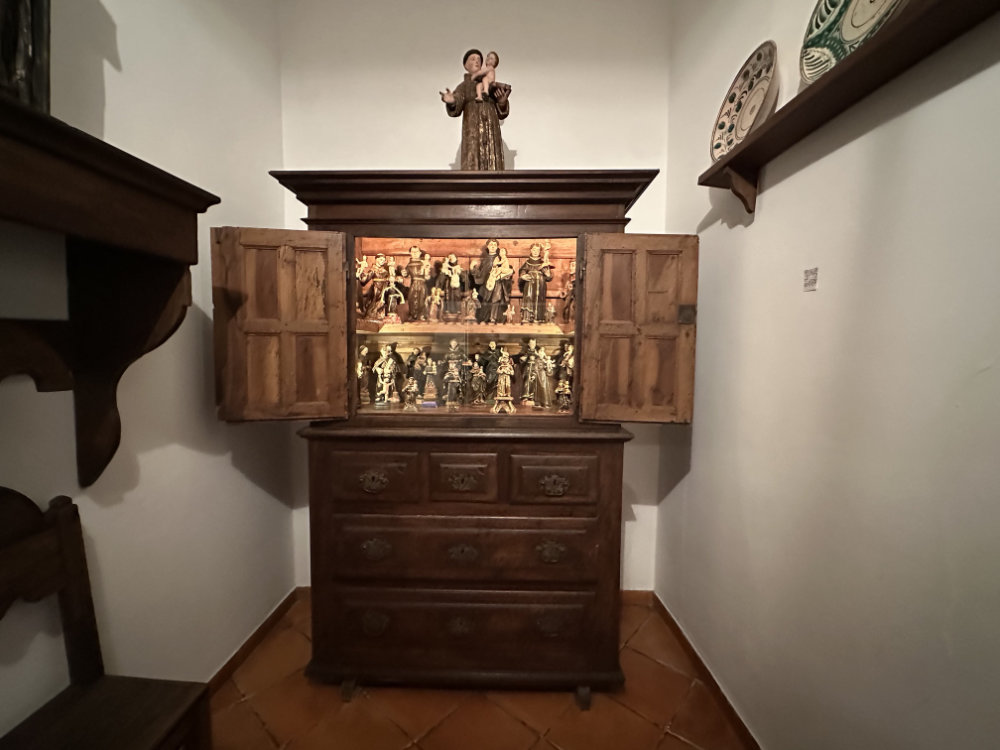
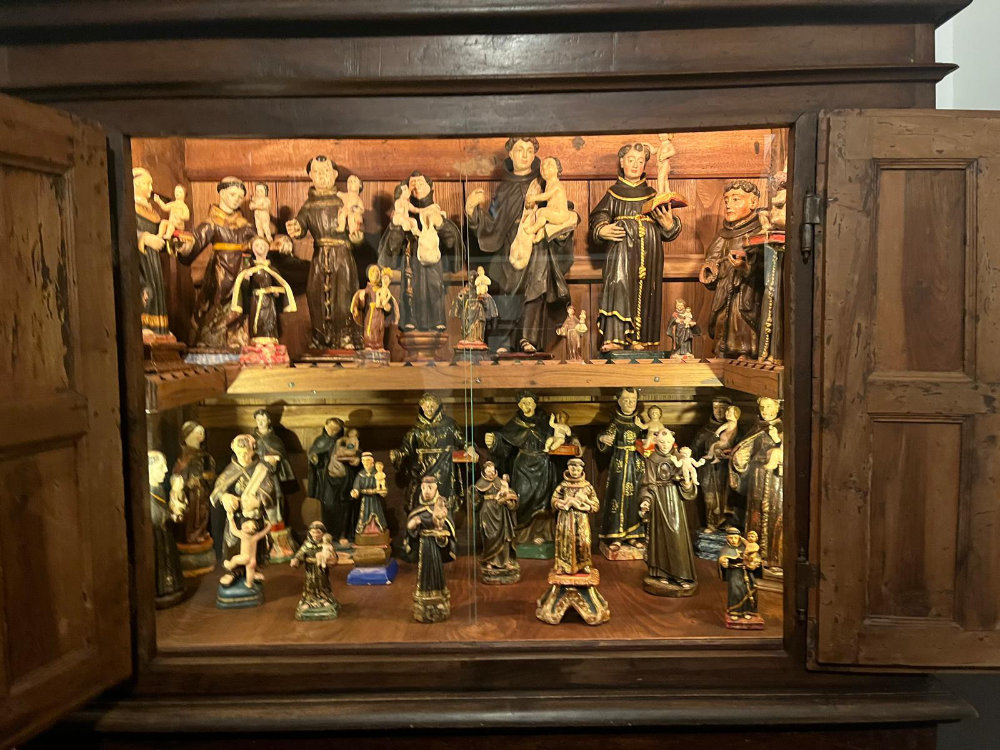
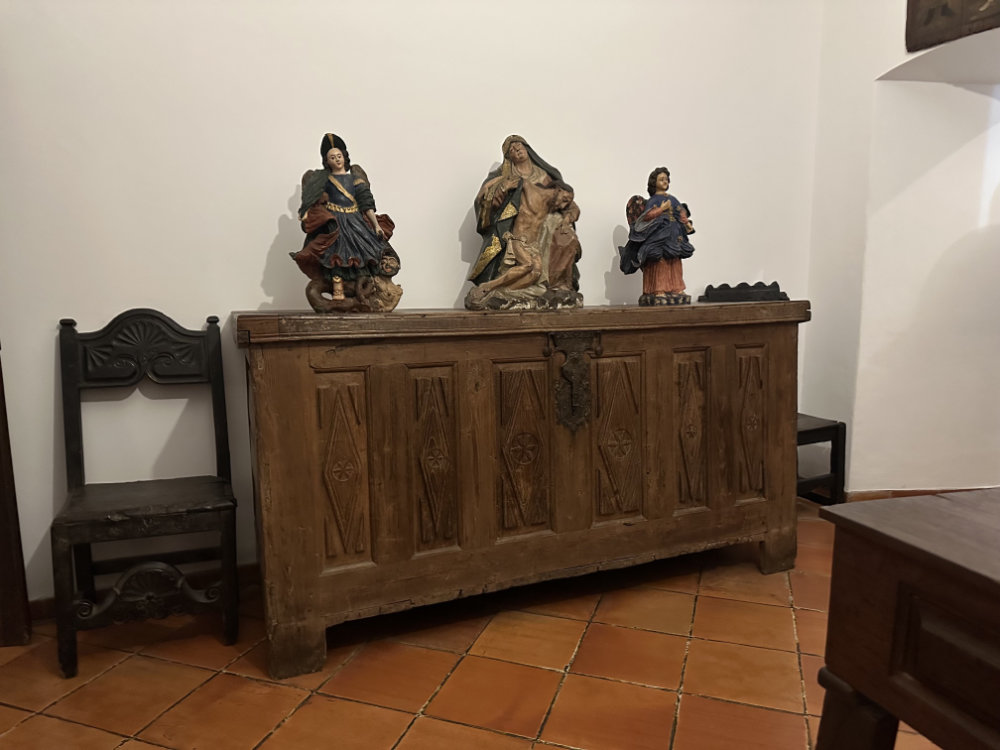
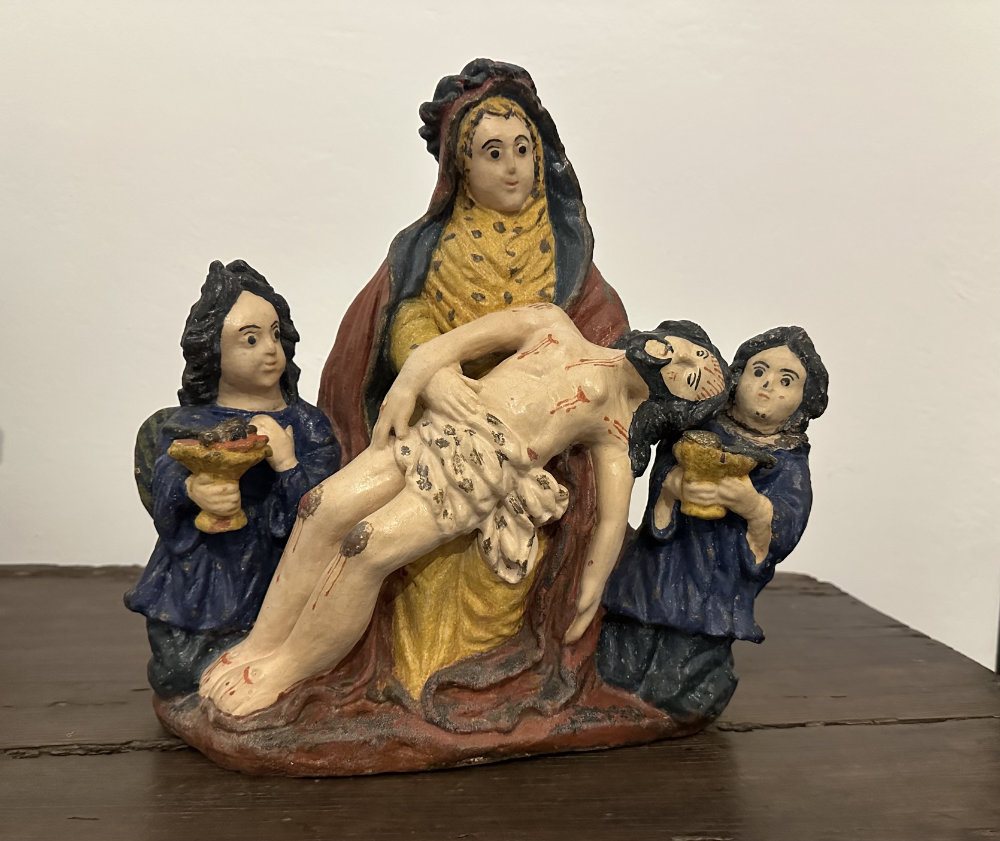
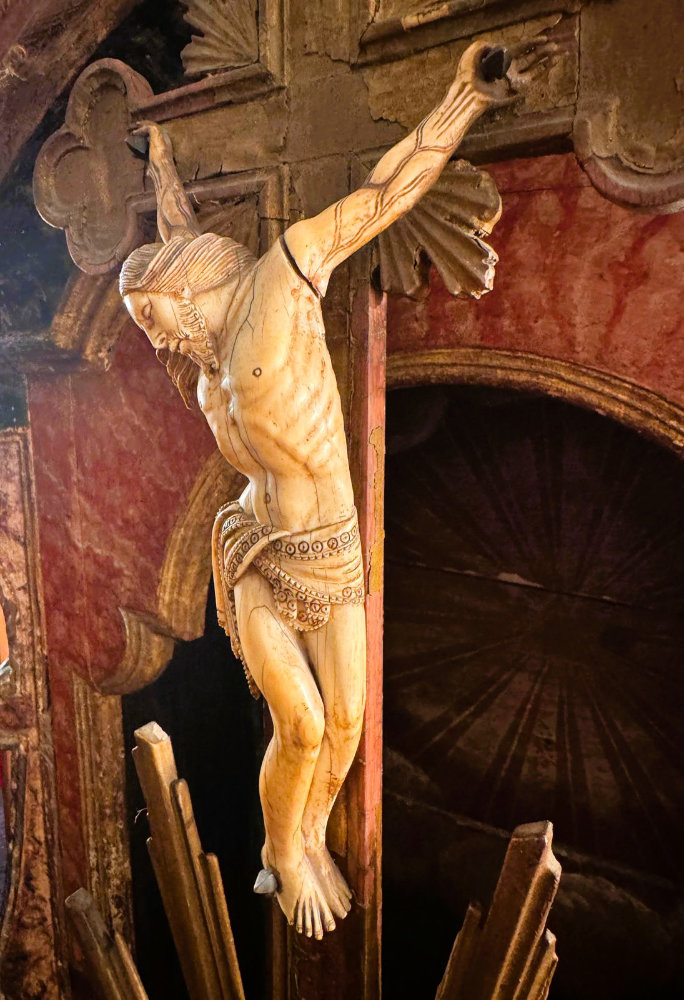
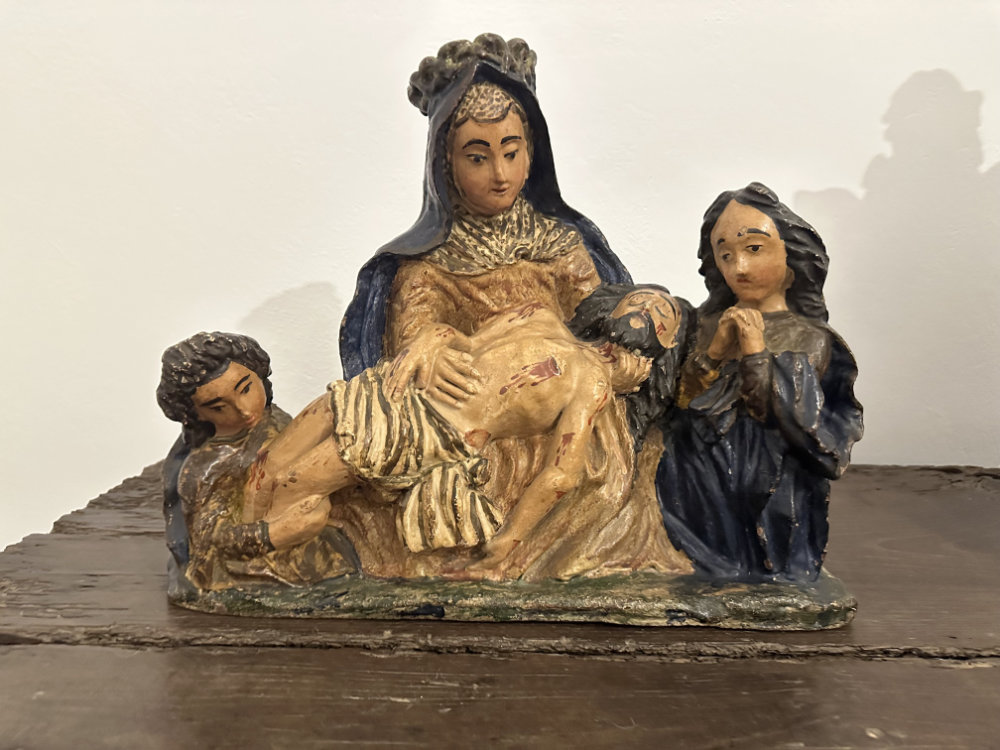
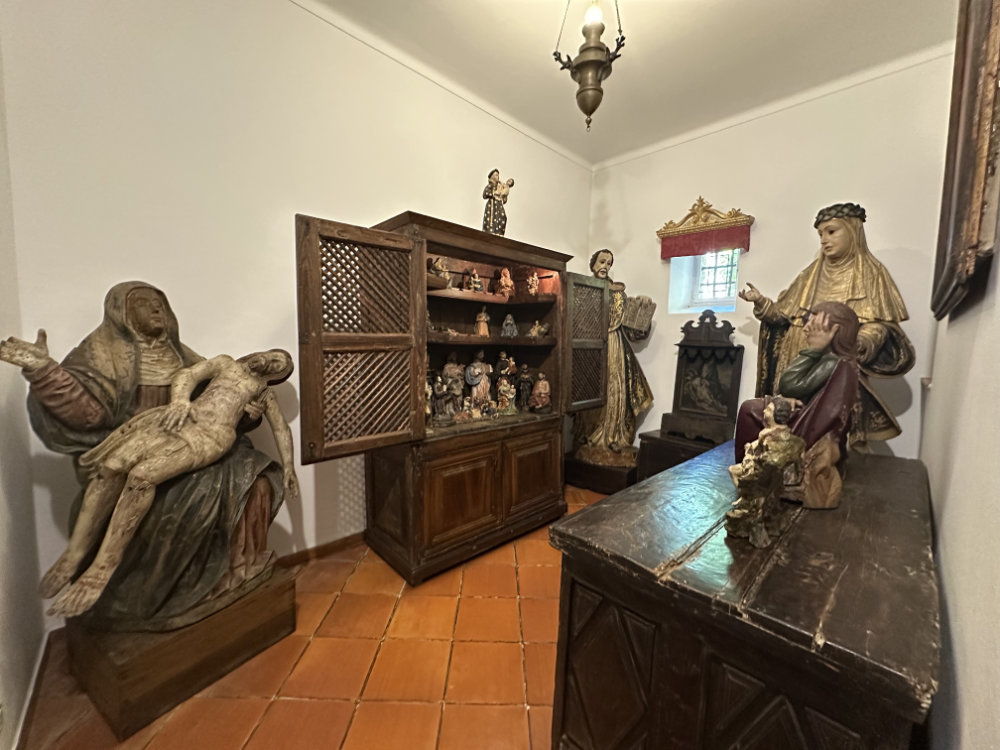
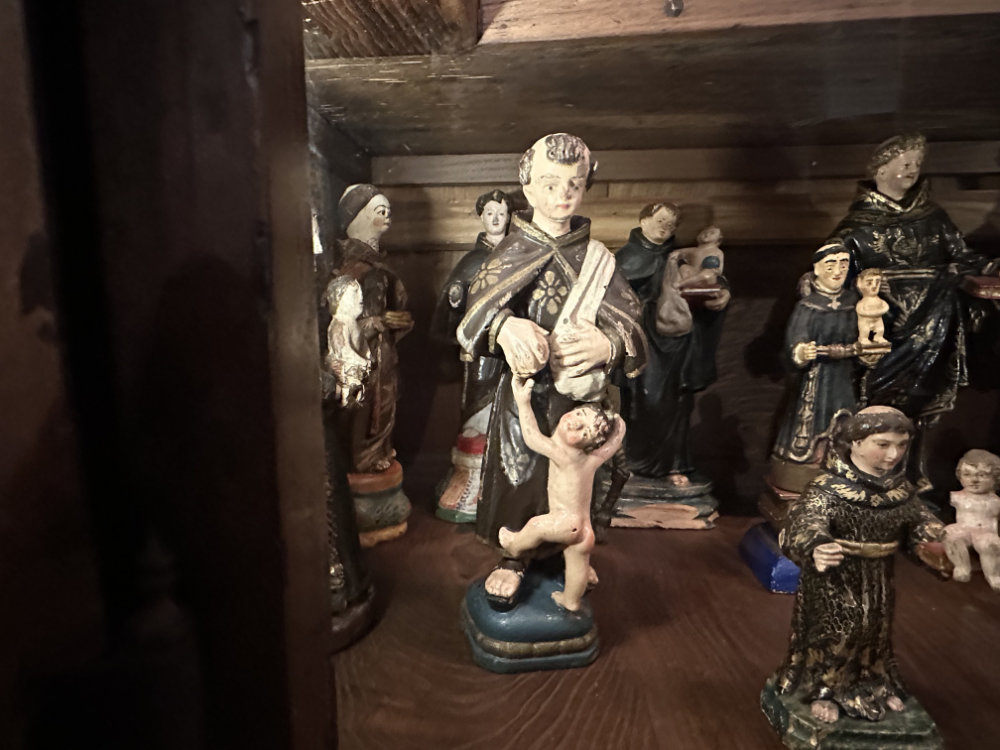
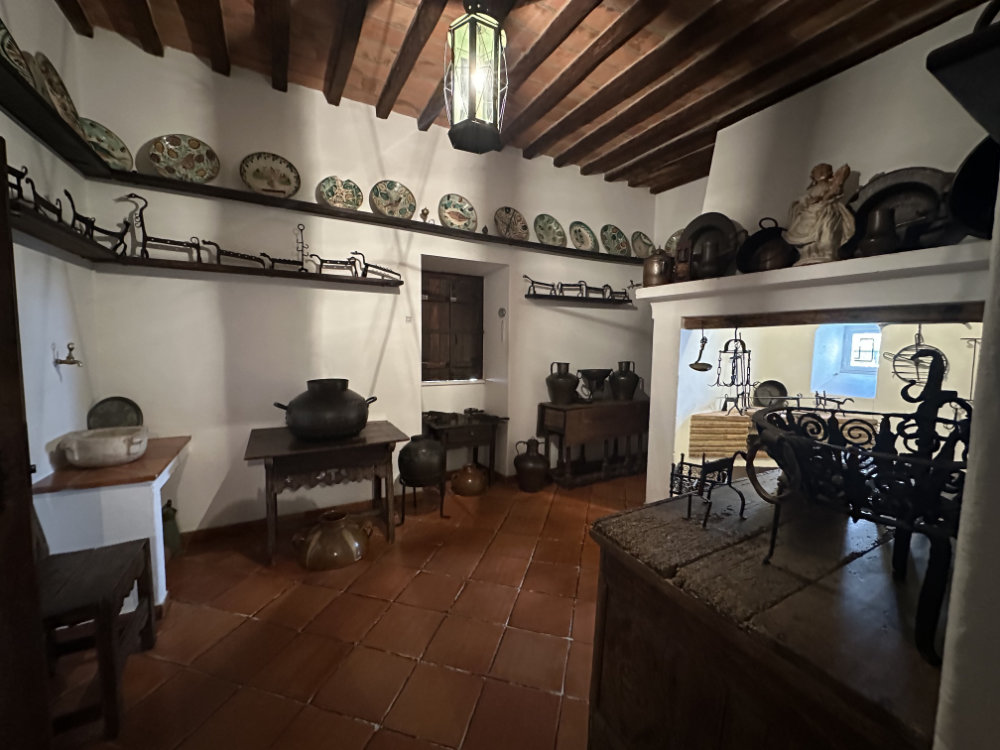
Installed in the former boarding house where the writer and Portuguese and French teacher José Régio lived for 30 years, the José Régio House Museum houses an impressive collection of sacred art, antiques, furniture and Portuguese folk objects.
The guided tour by Beatriz Bochechas (group 1) and Maria José Maçãs (group 2) allowed participants to better understand the life and work of one of the most important figures of 20th-century Portuguese literature, as well as his passion for collecting and Portuguese traditions.
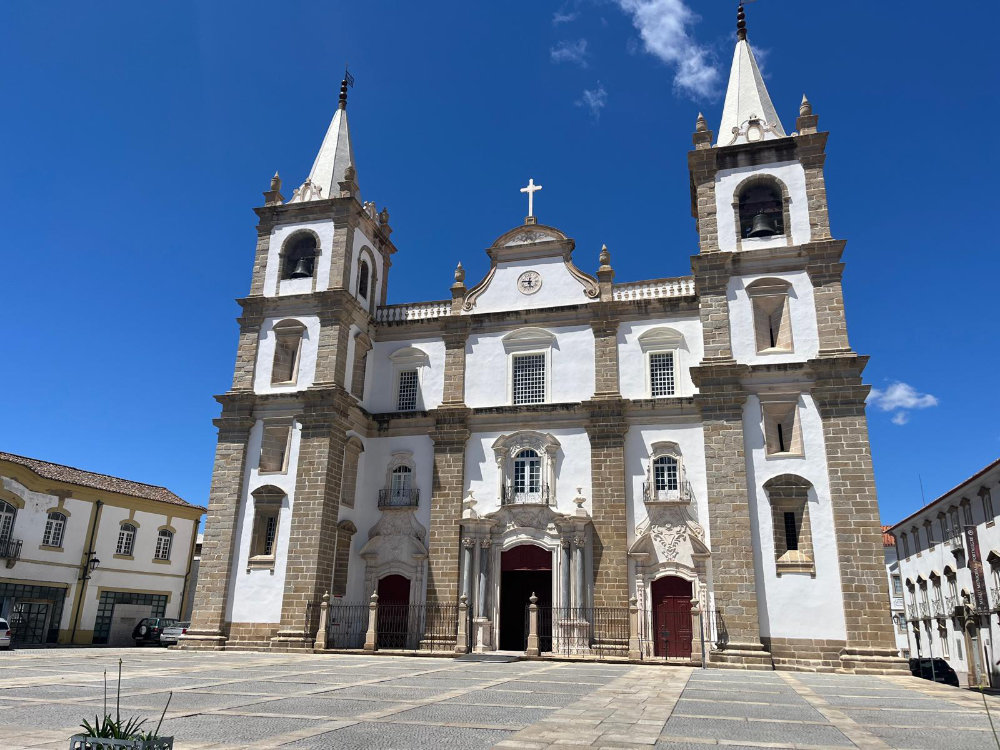
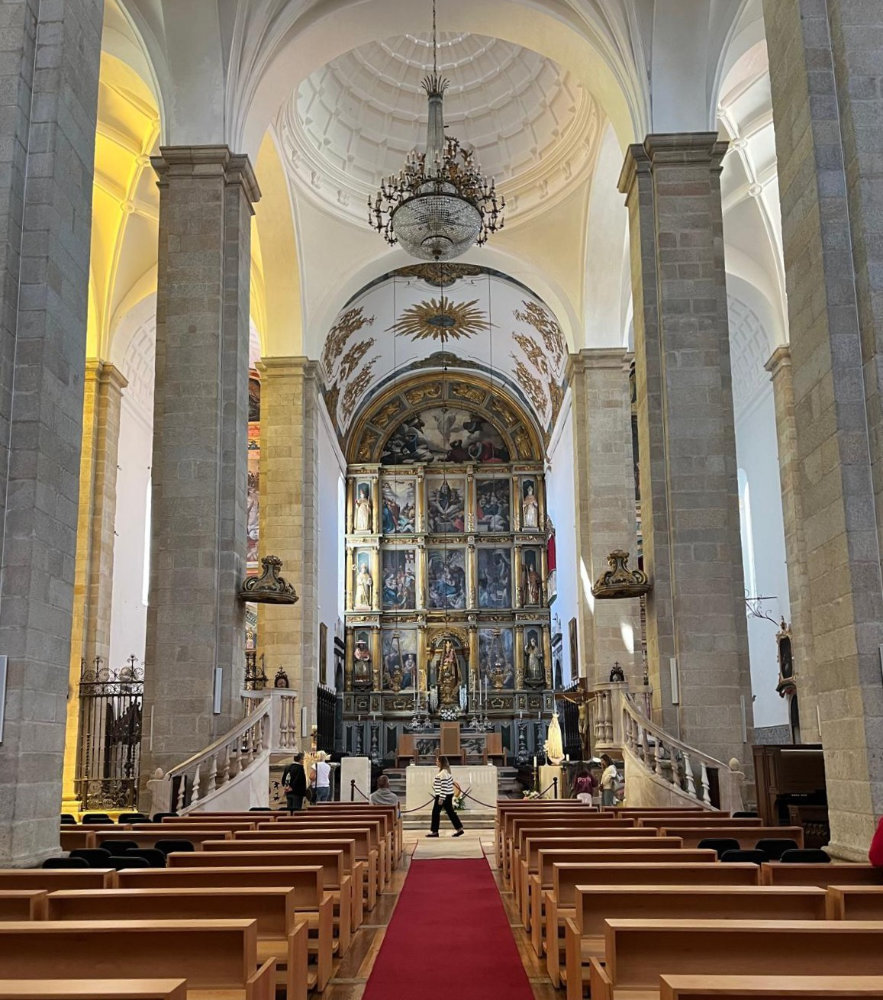
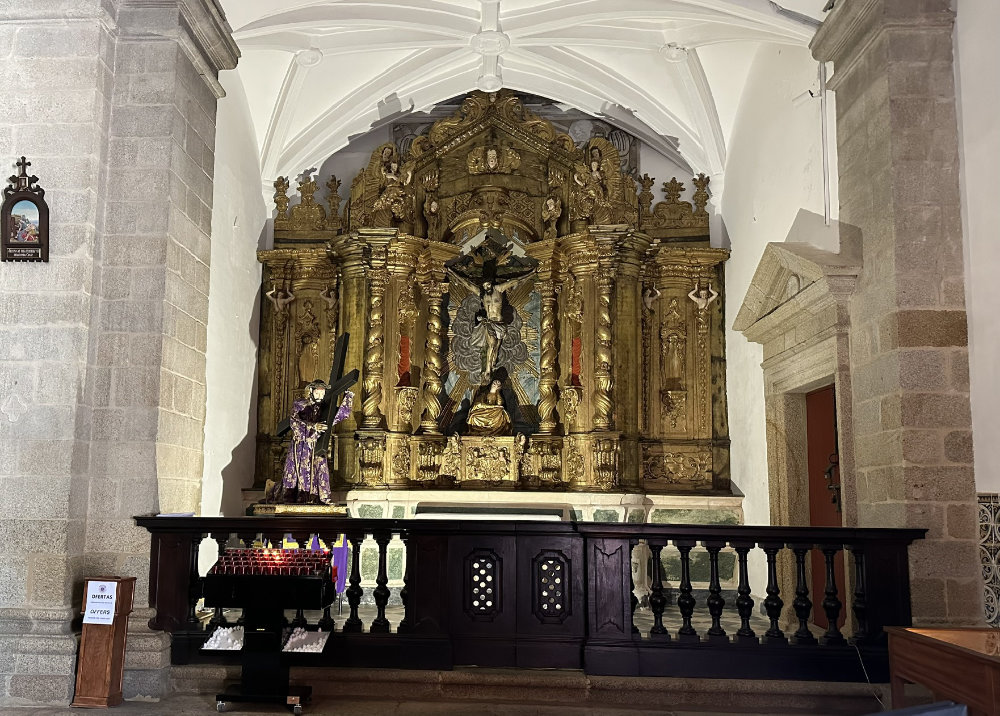
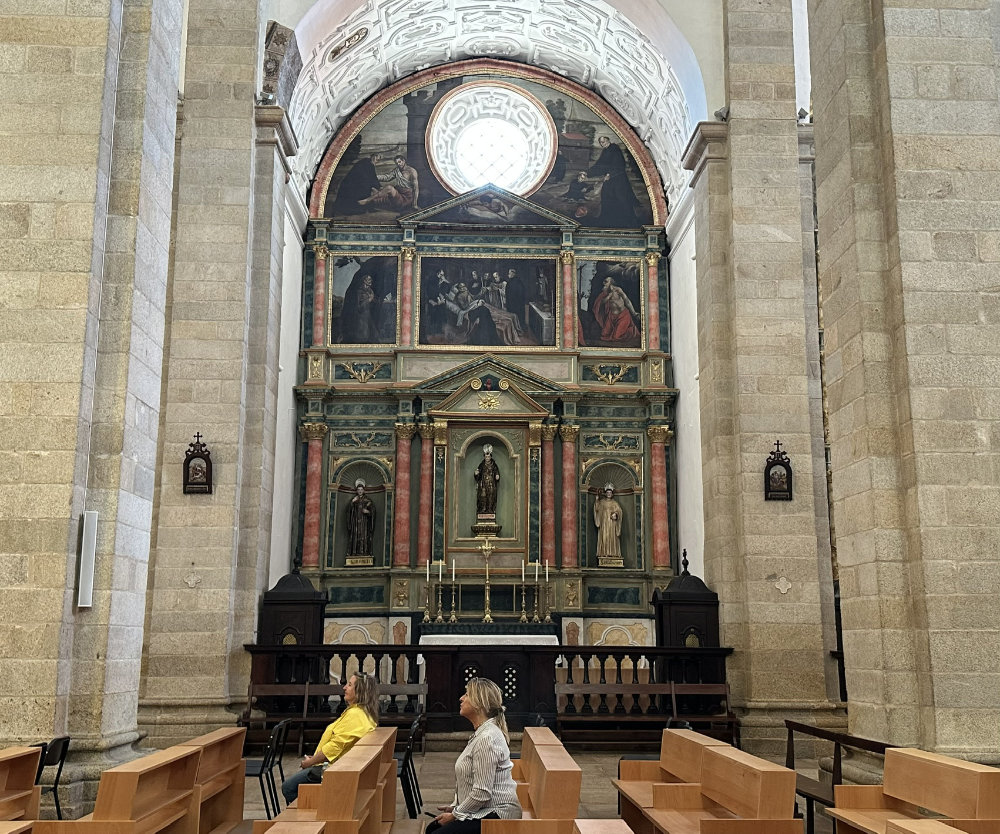
Portalegre Cathedral
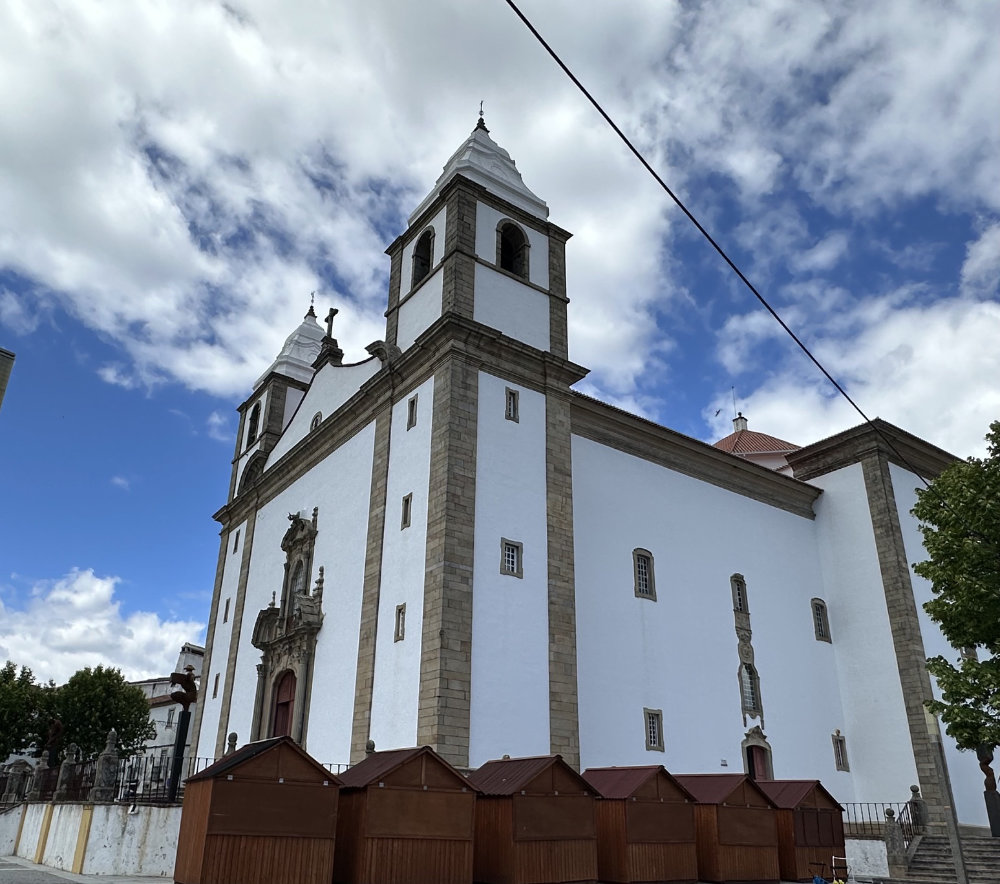
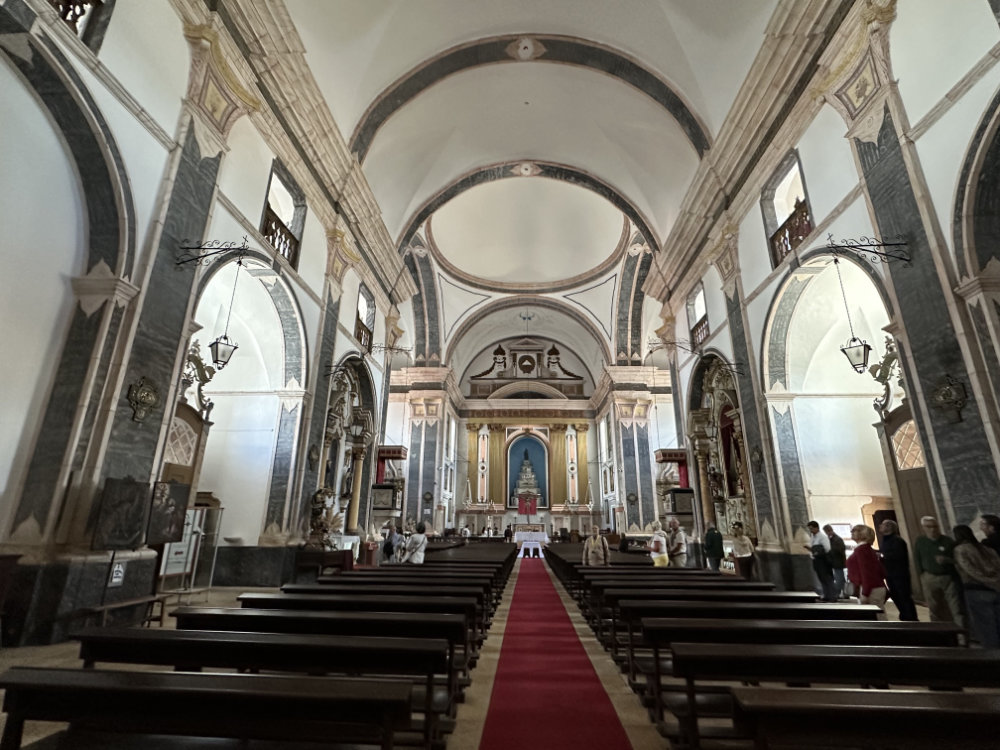
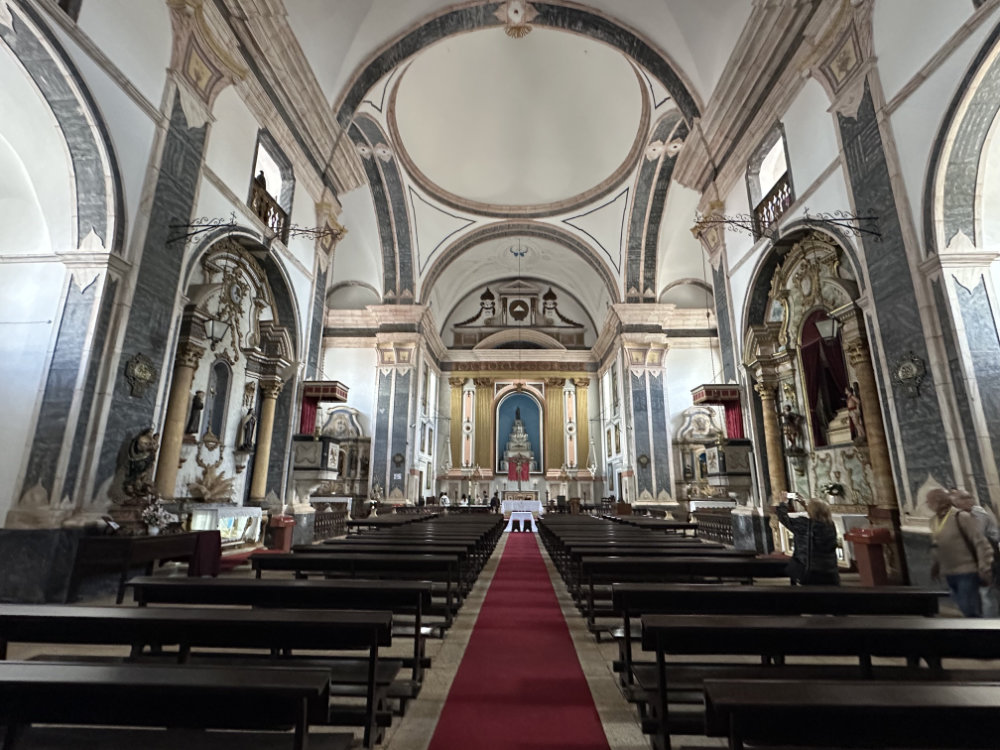
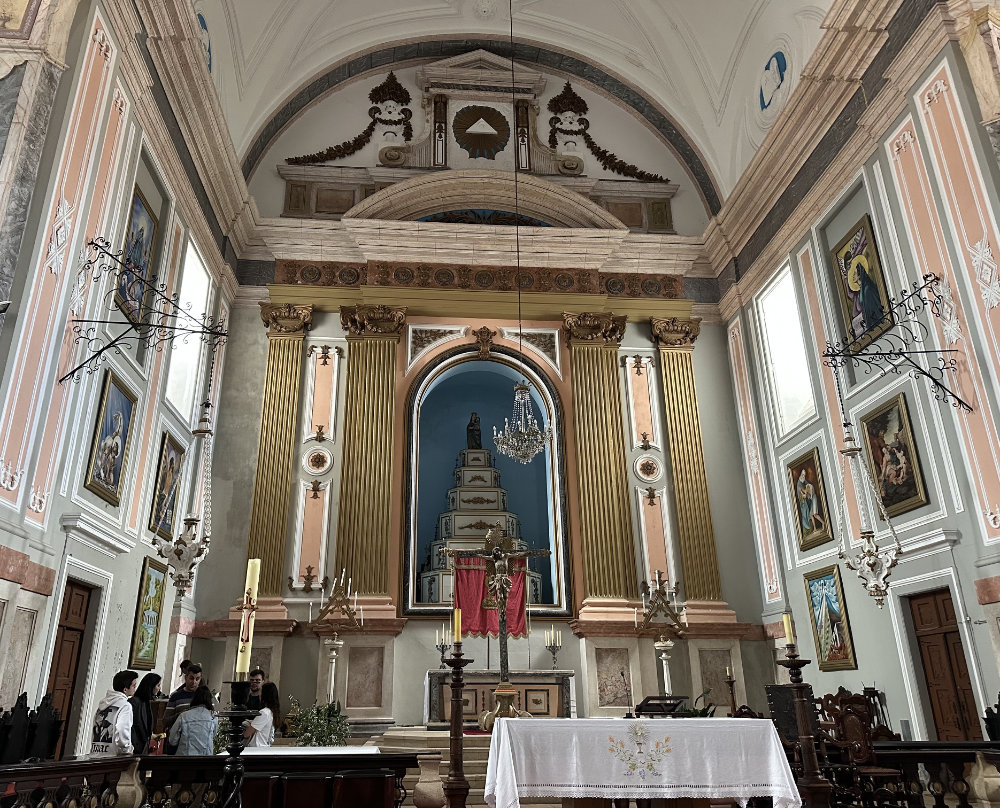
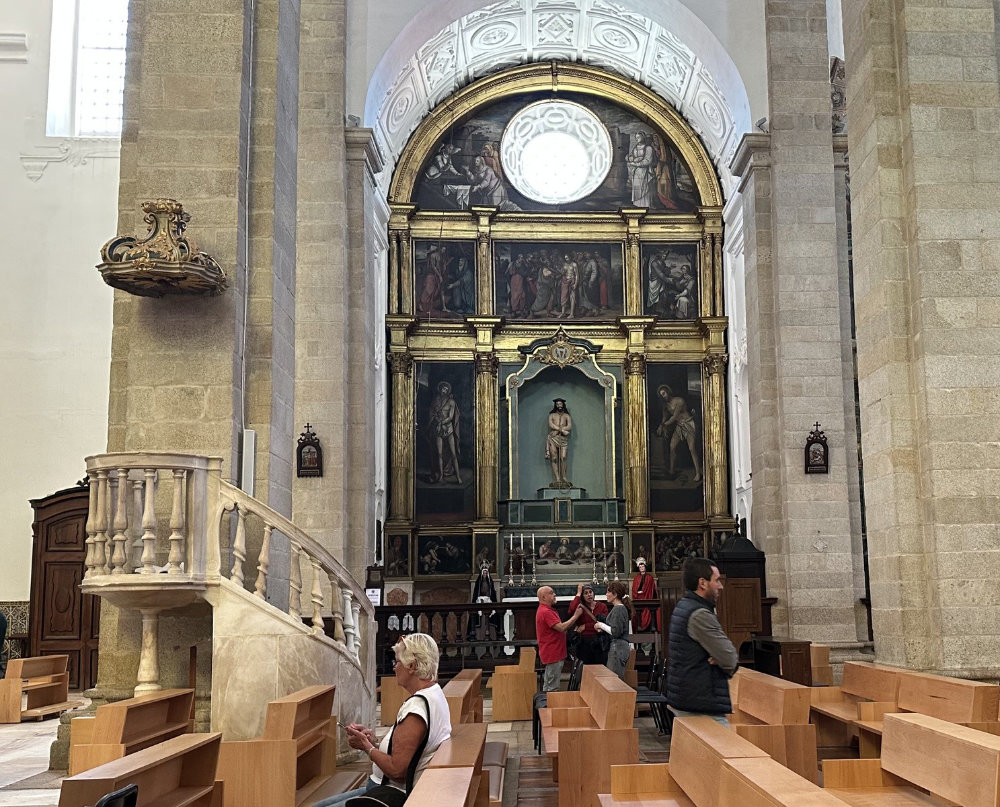
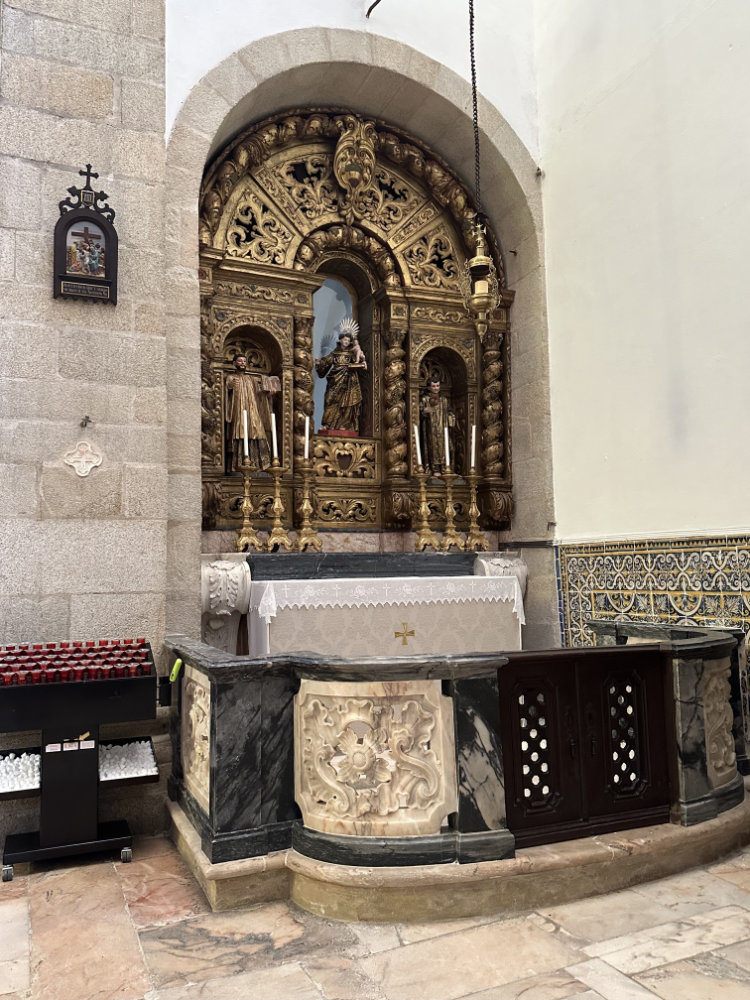
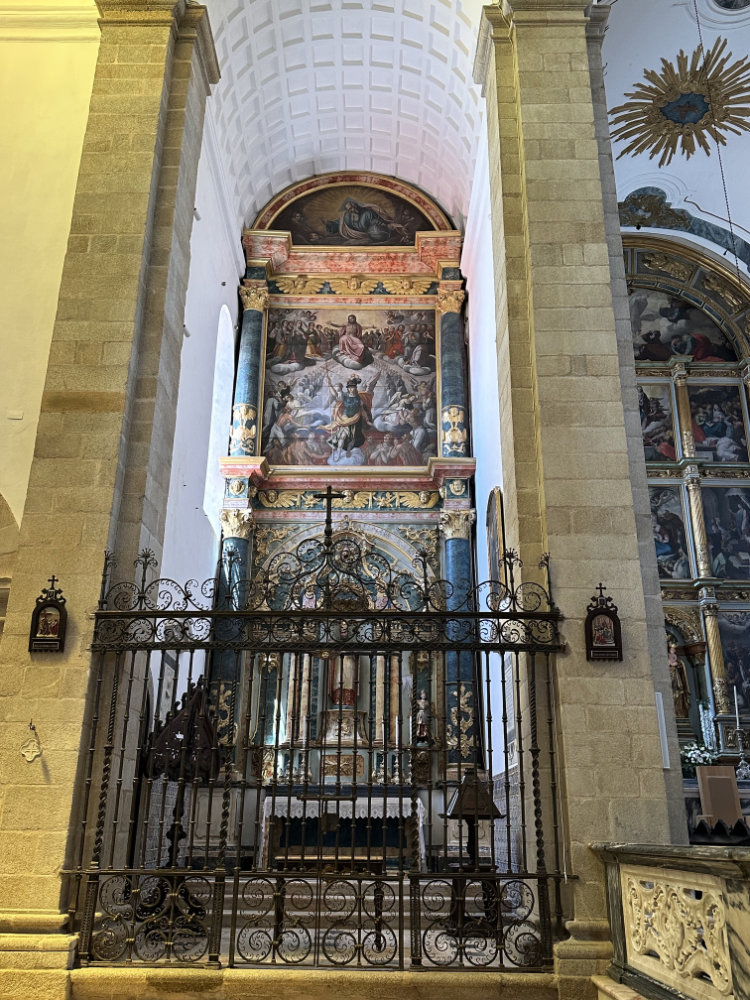
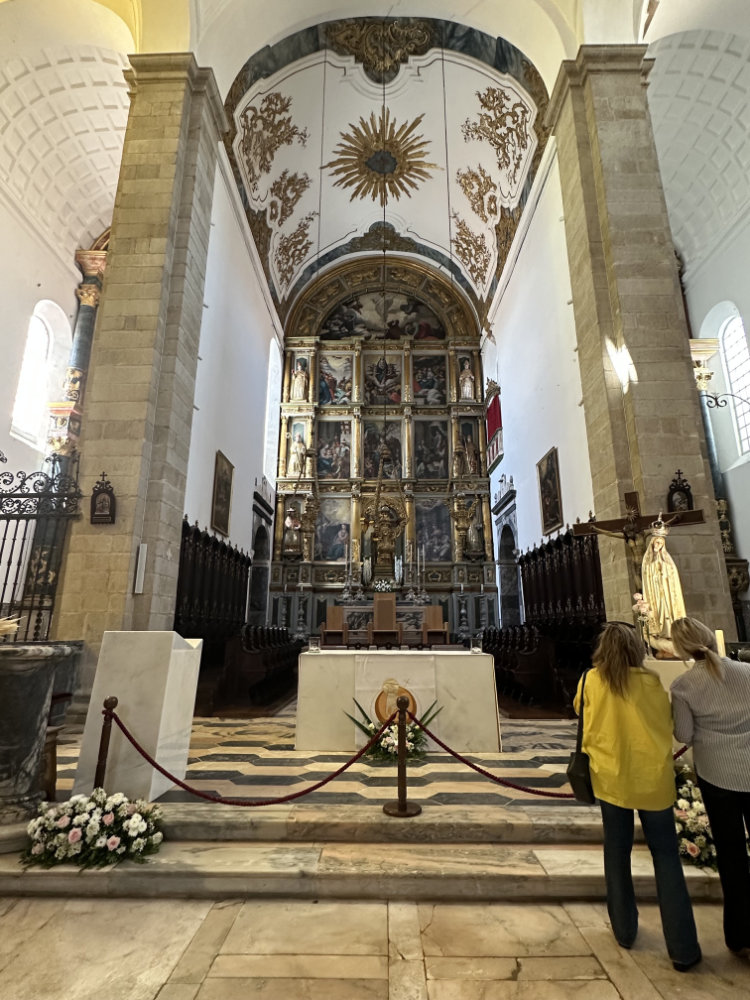
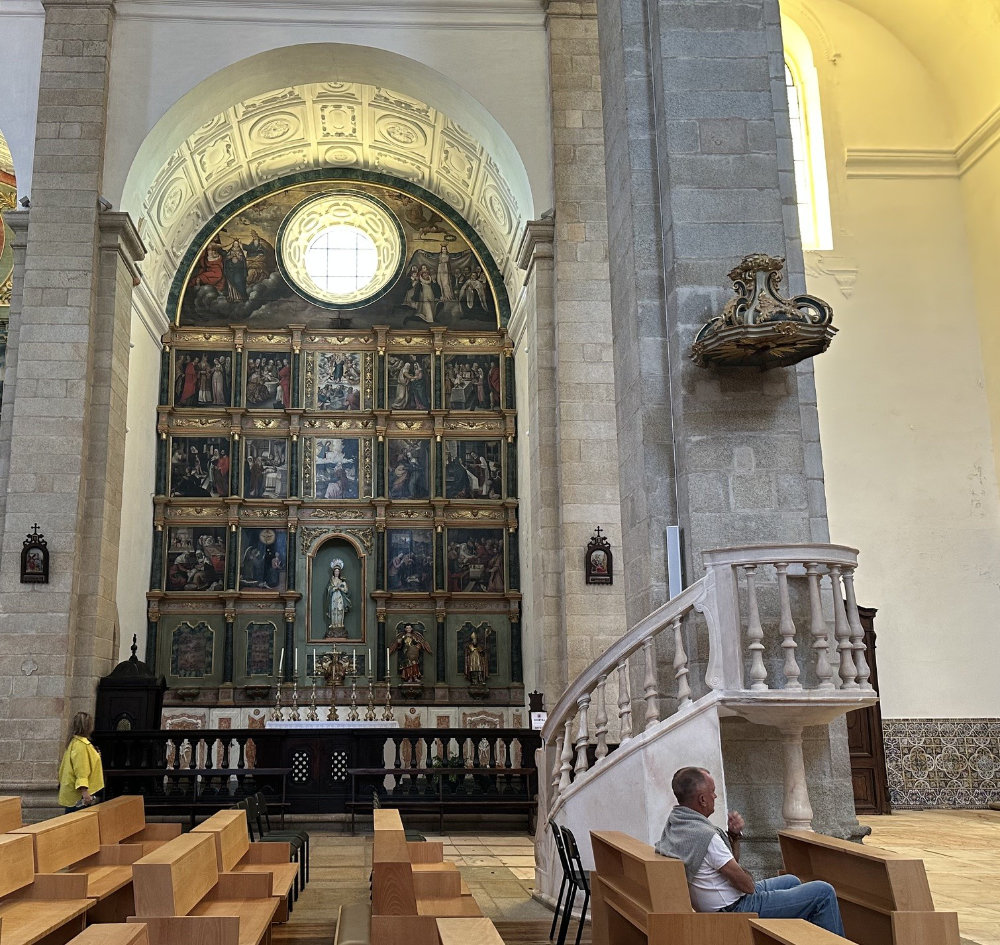
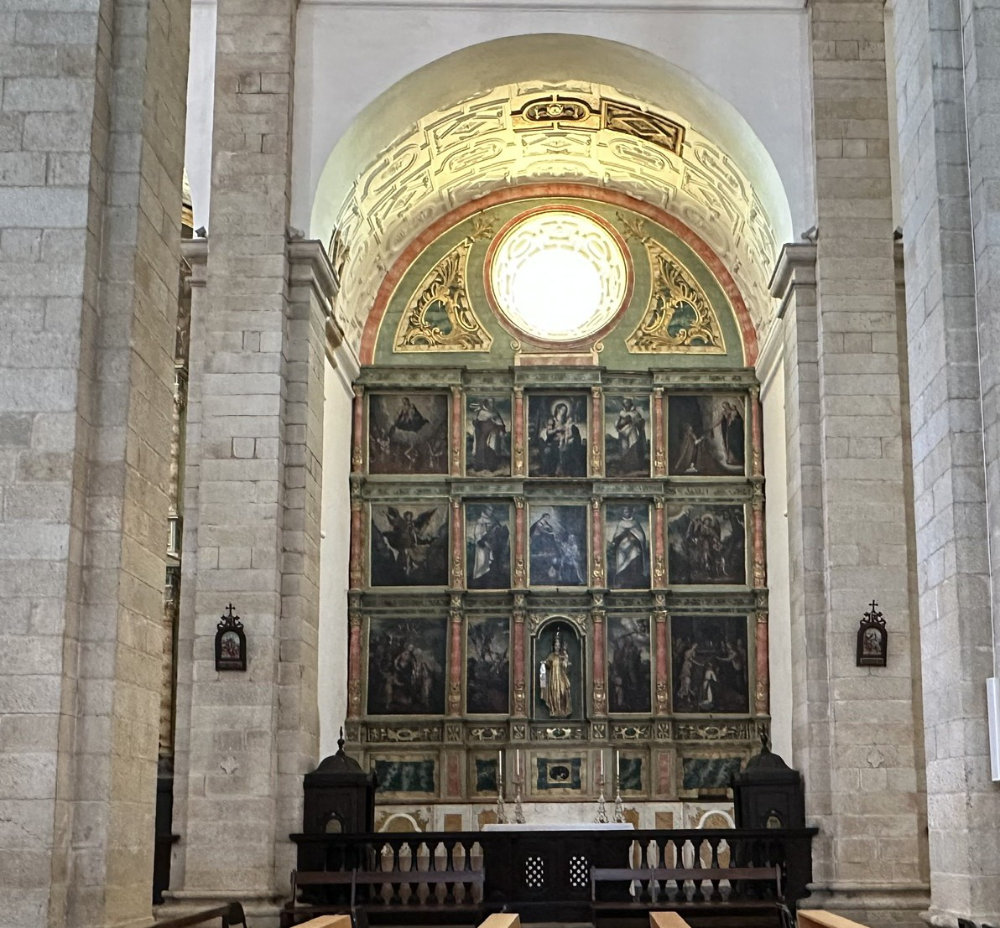
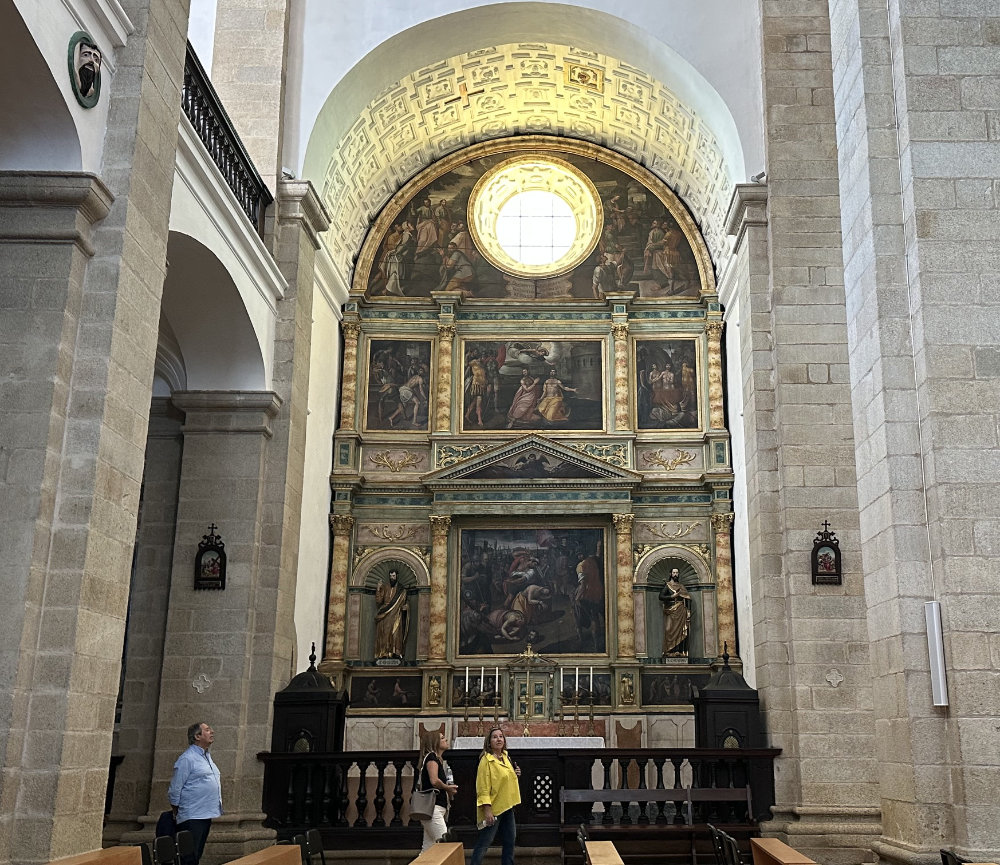
We also visited Portalegre Cathedral, built in the 16th century and one of the most important religious monuments in Alto Alentejo.
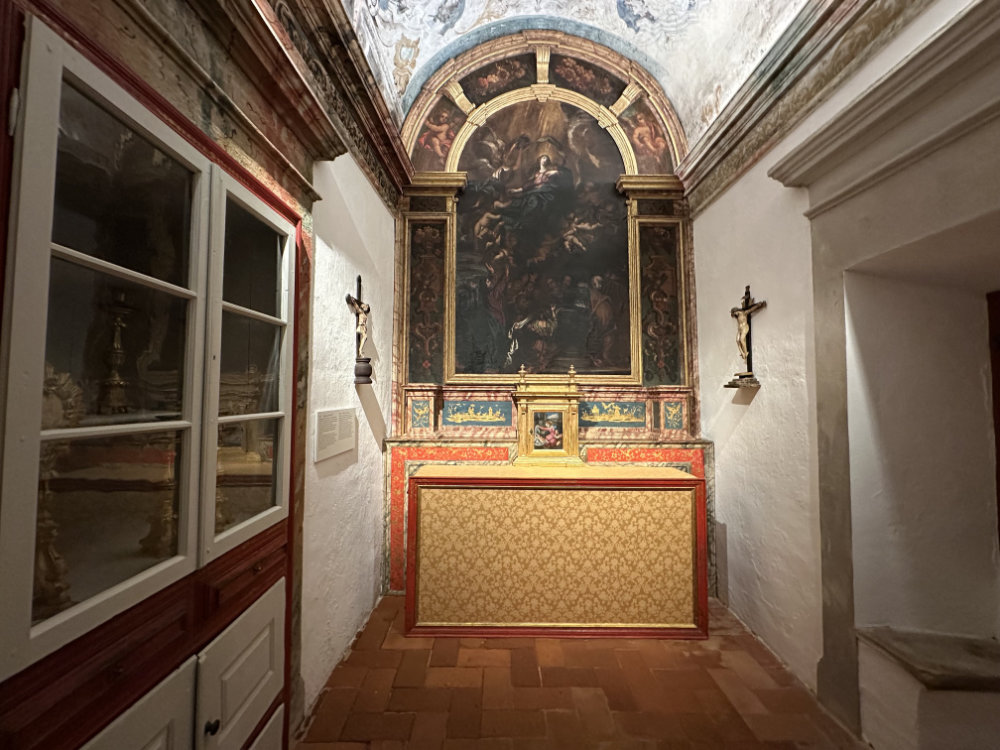
With Renaissance architecture influenced by Gothic elements, it stands out for the grandeur of its interior, its richly decorated chapels and its atmosphere of historical and spiritual significance.
Saturday Afternoon – Portalegre
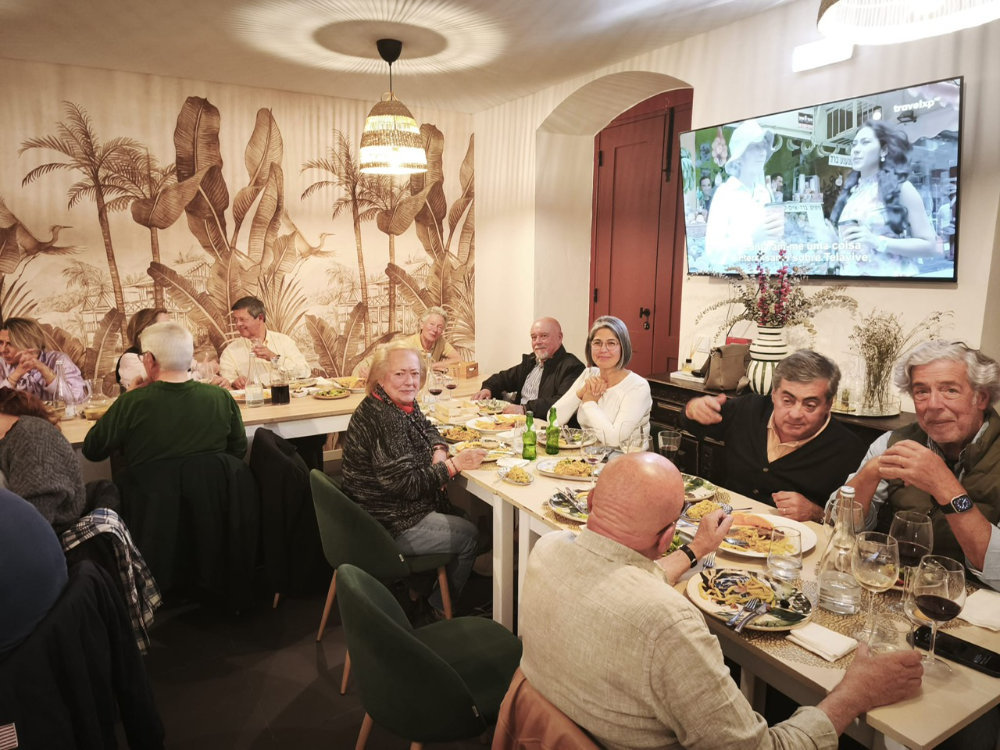
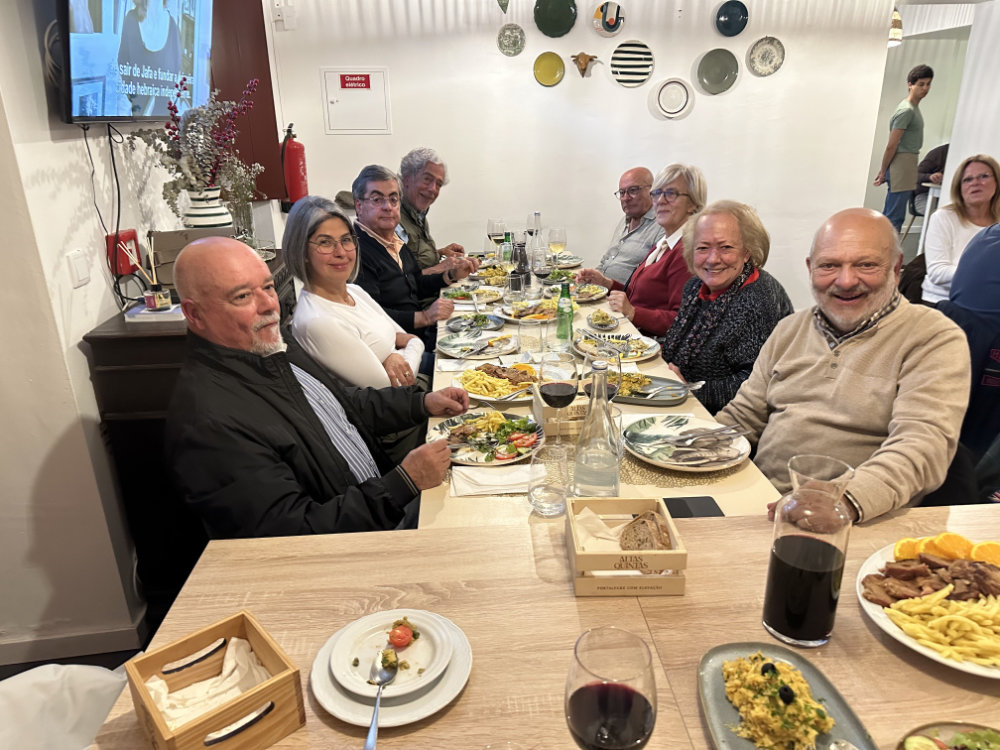
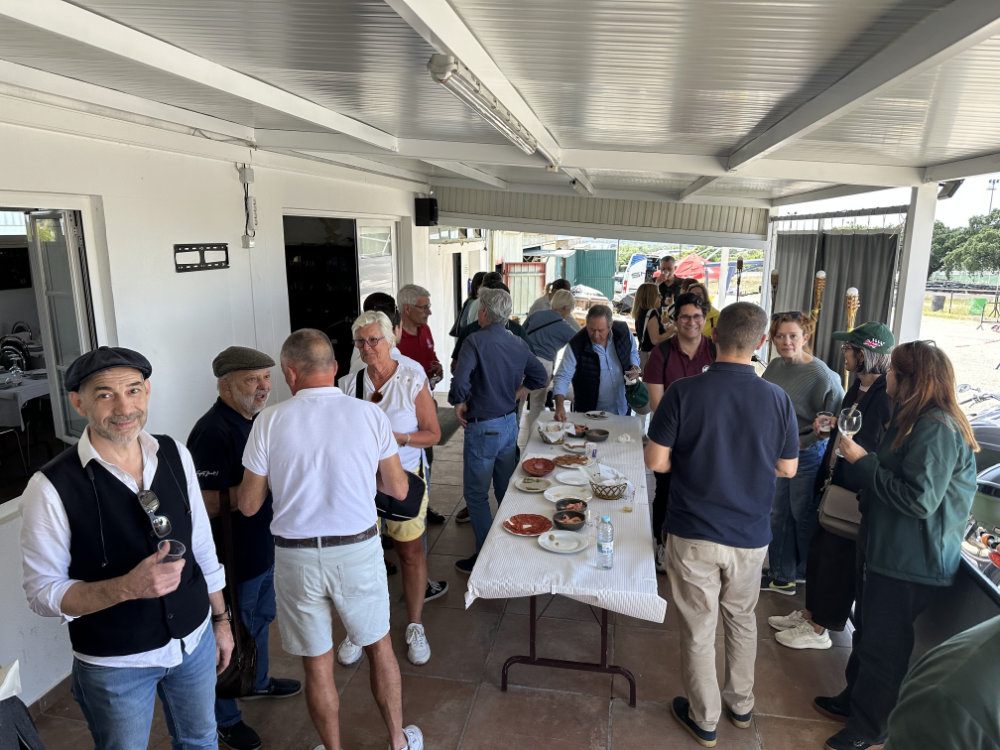
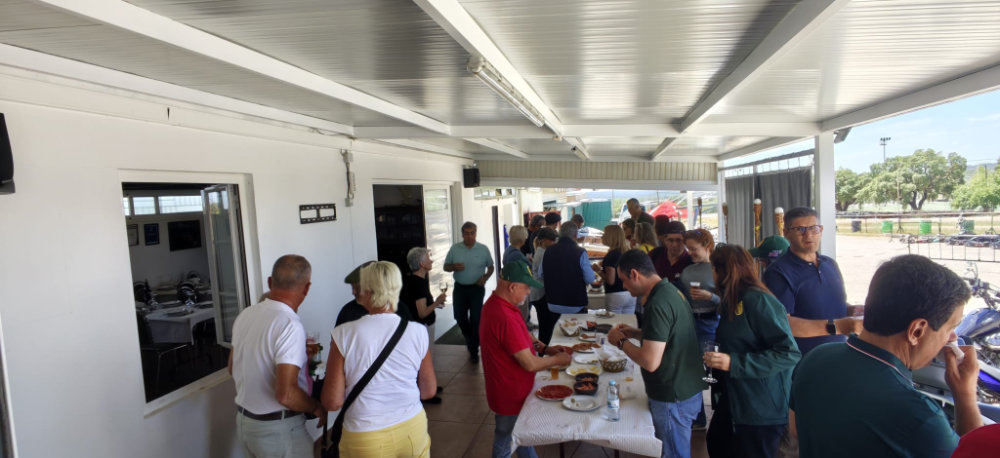
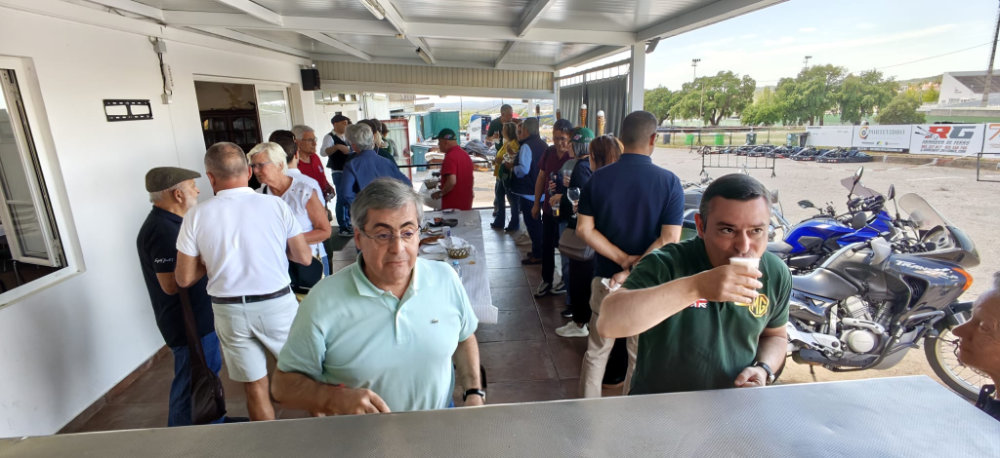
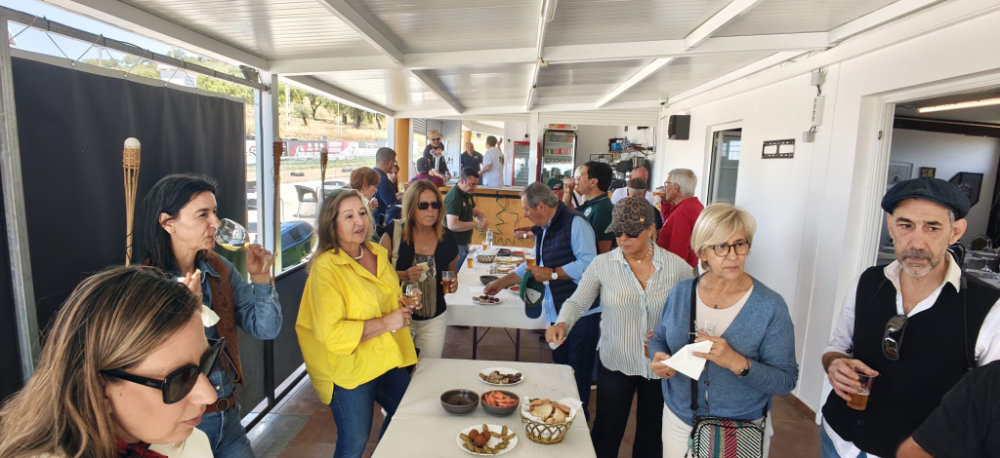
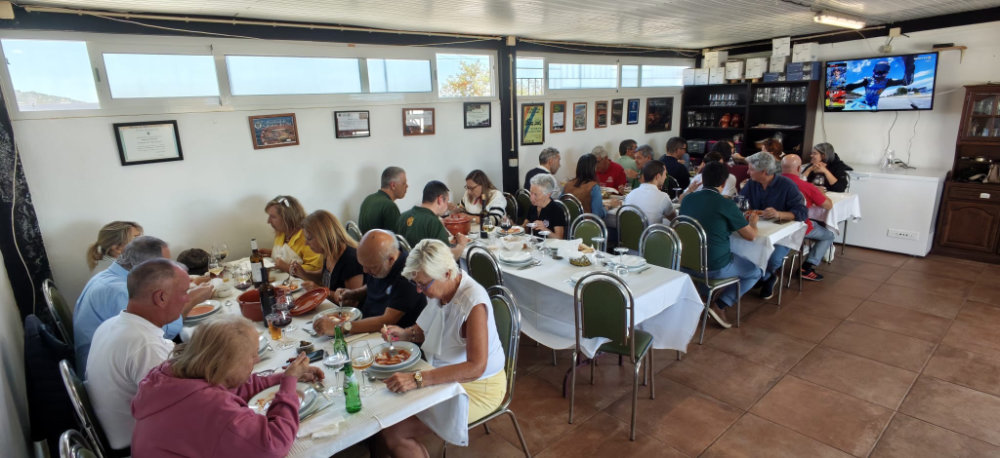
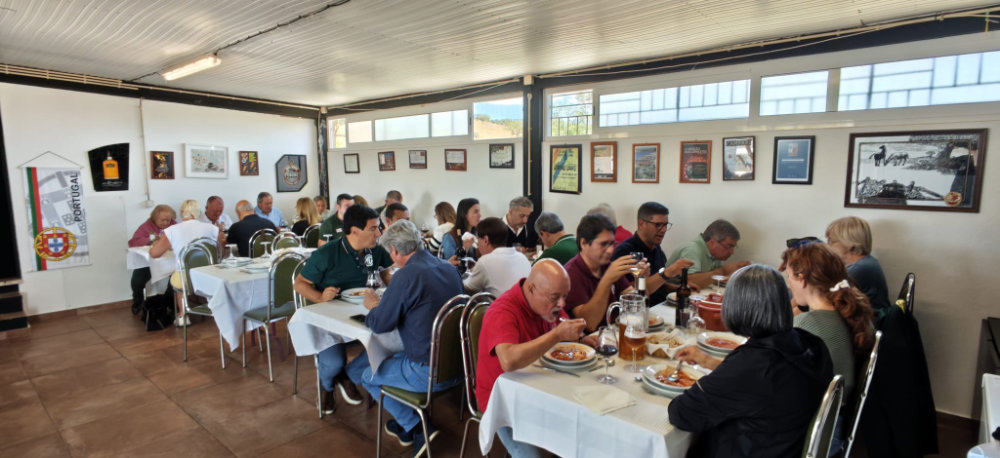
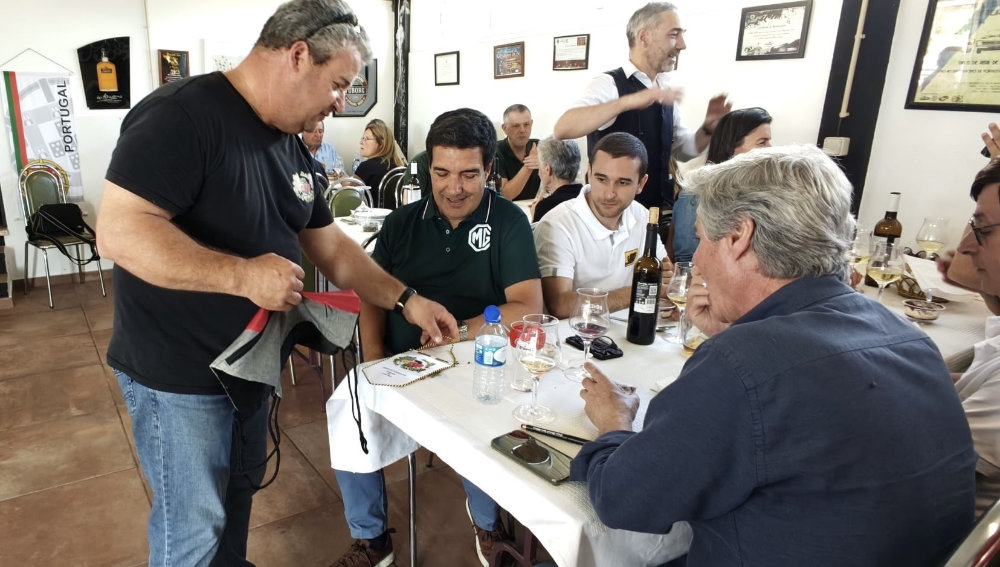
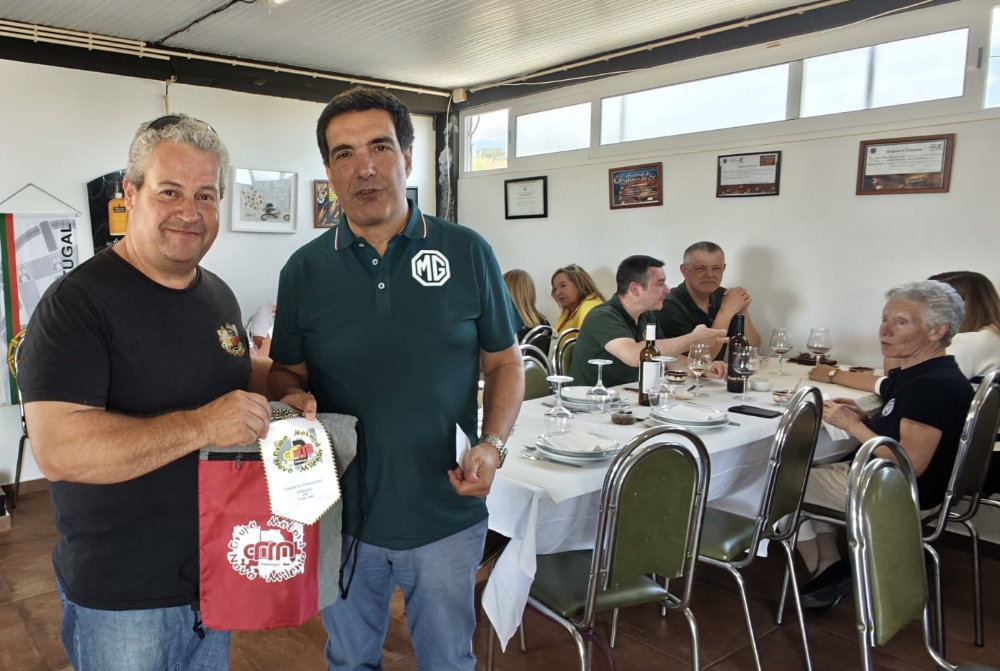
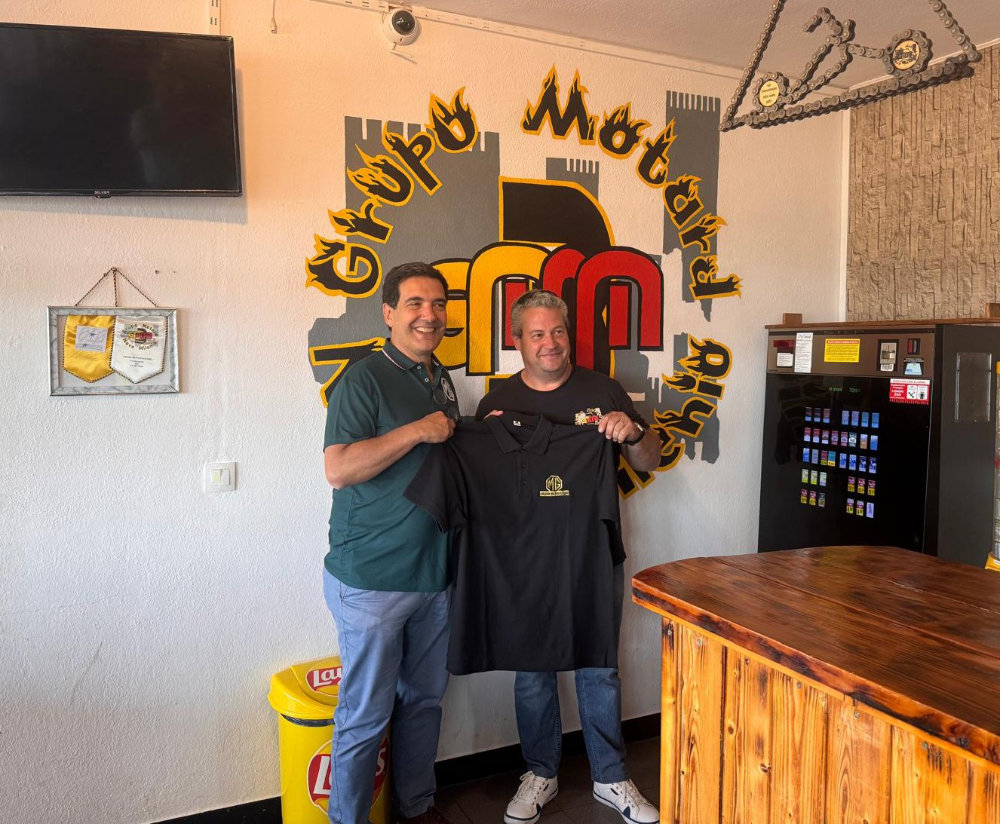
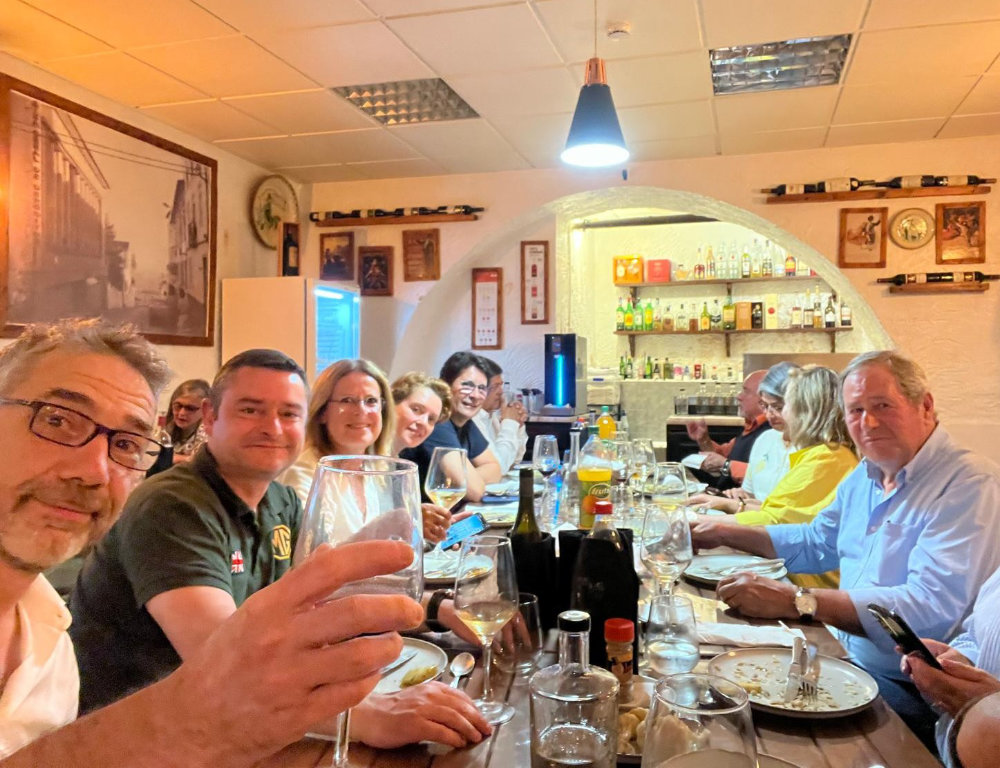
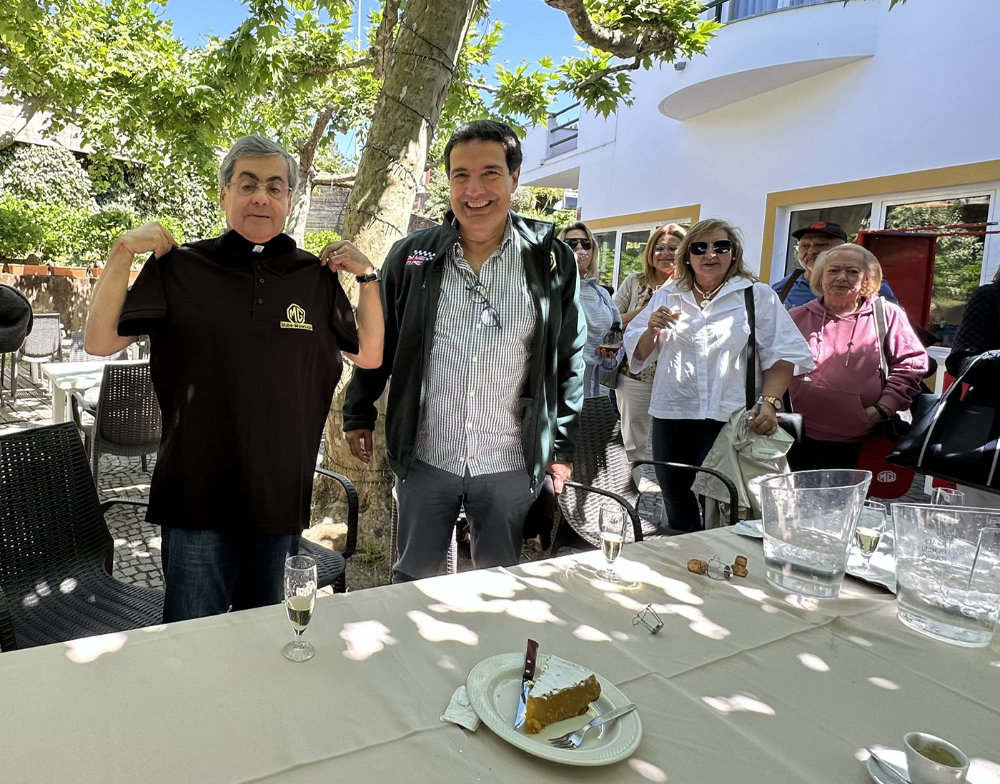
After the morning visits, members drove their MGs to Clube Motard Novo Milénio, where lunch was served and where we received a warm welcome from the club’s President, José Carlos Rodrigues, who offered MGCP a club pennant.
MGCP reciprocated by offering him a MGCP Golden Collection polo shirt, which José Carlos immediately put on.
The menu included Alentejo tomato soup and fried pork ribs with potato migas.
Driving Skills Test
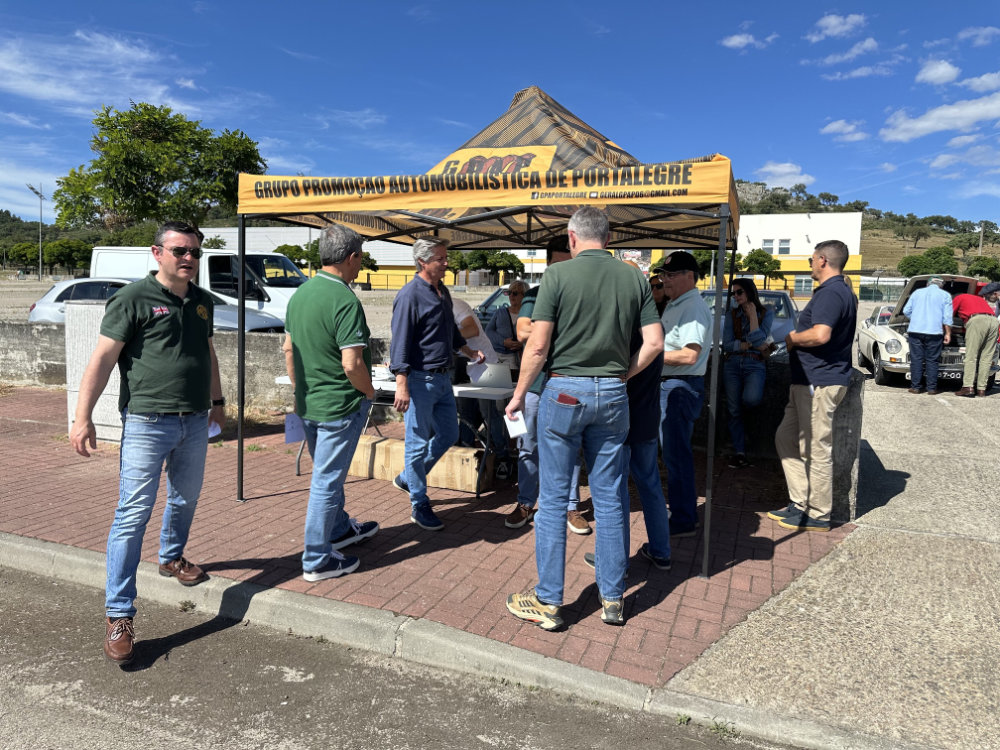
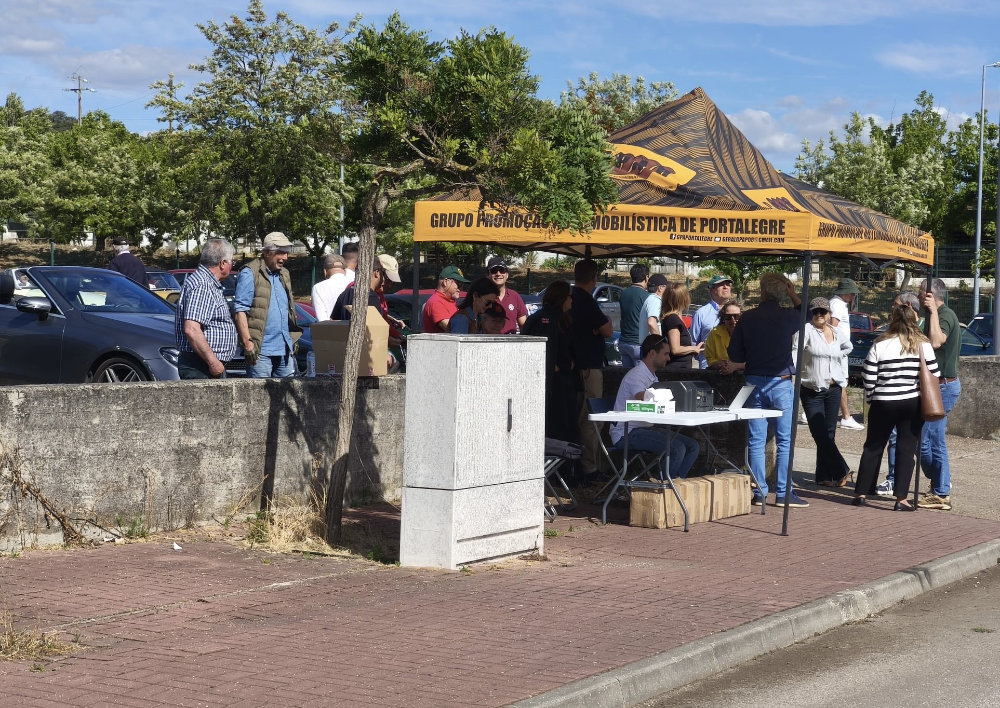
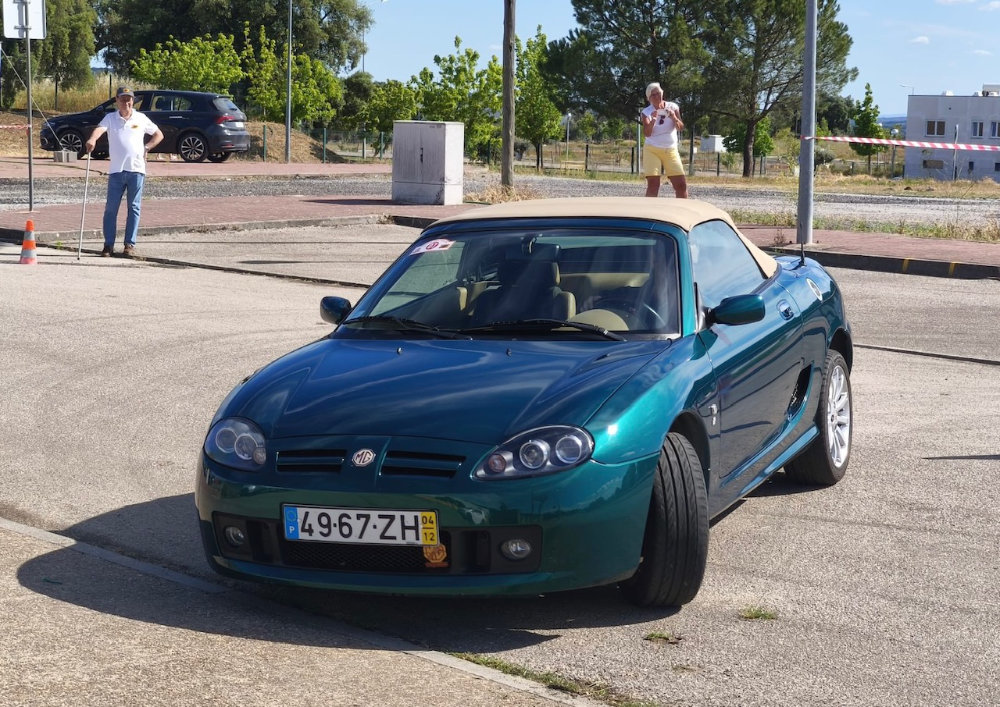
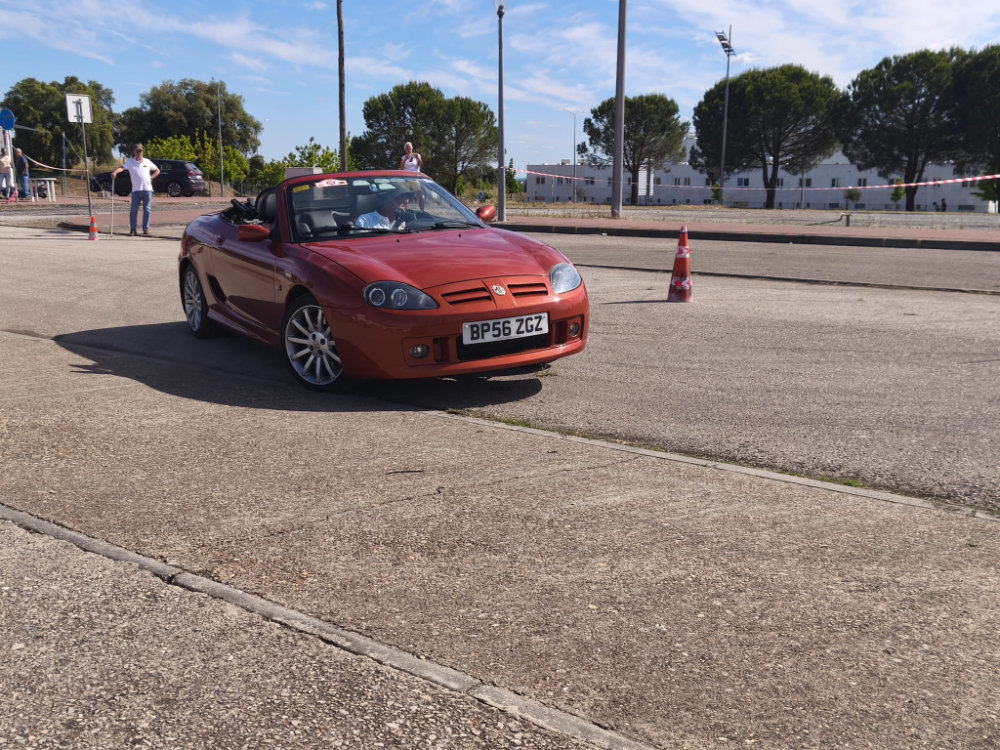
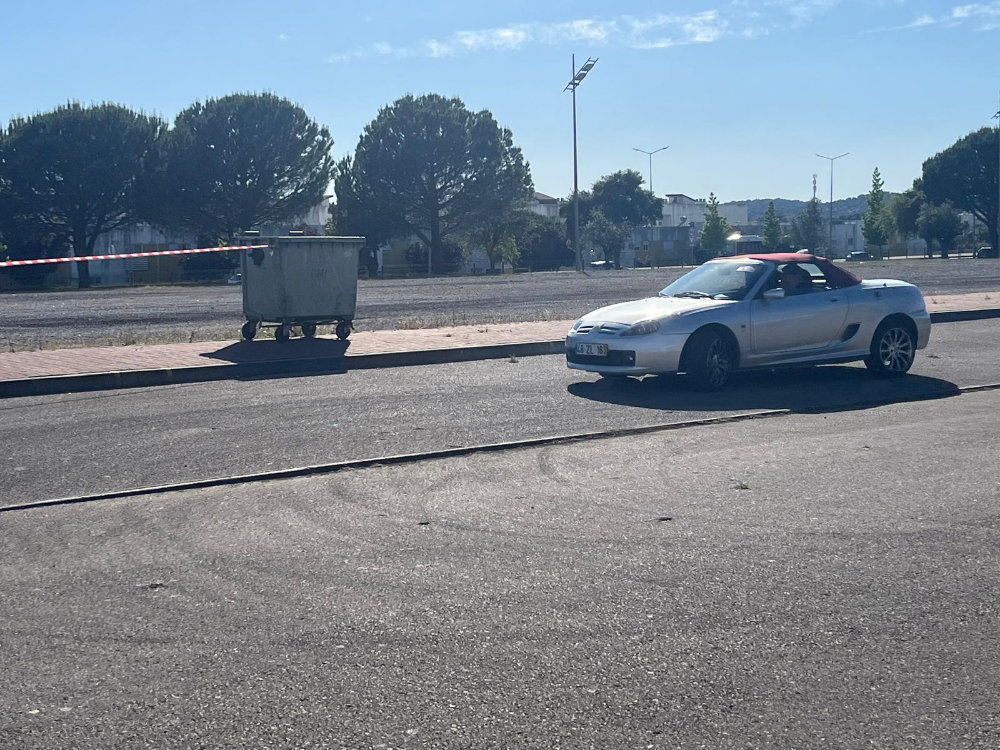
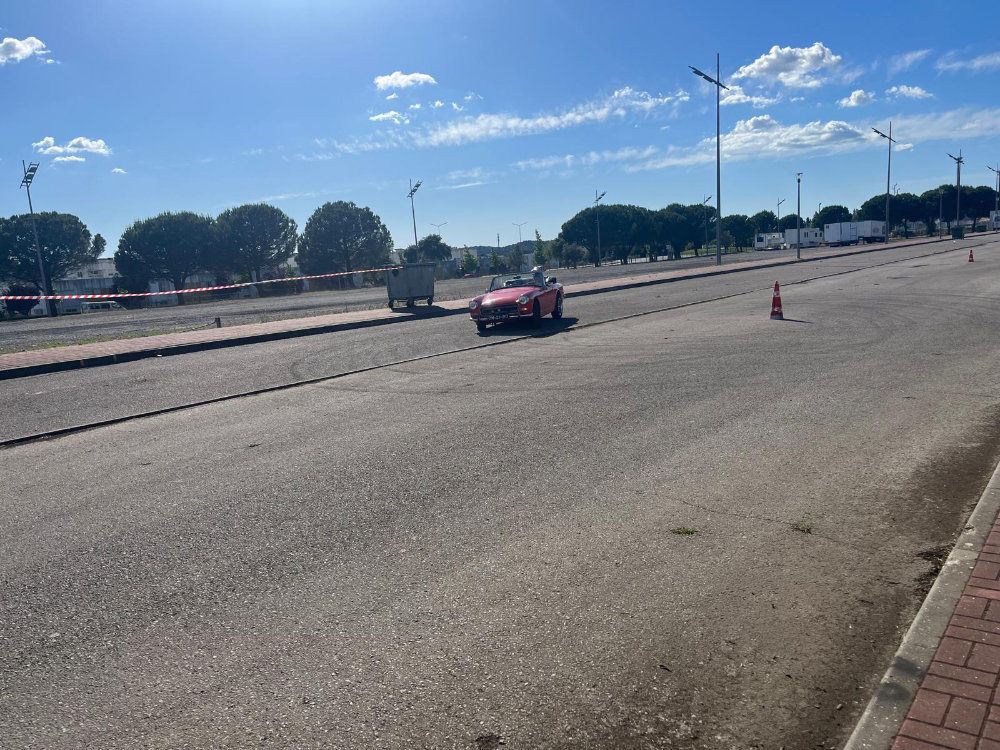
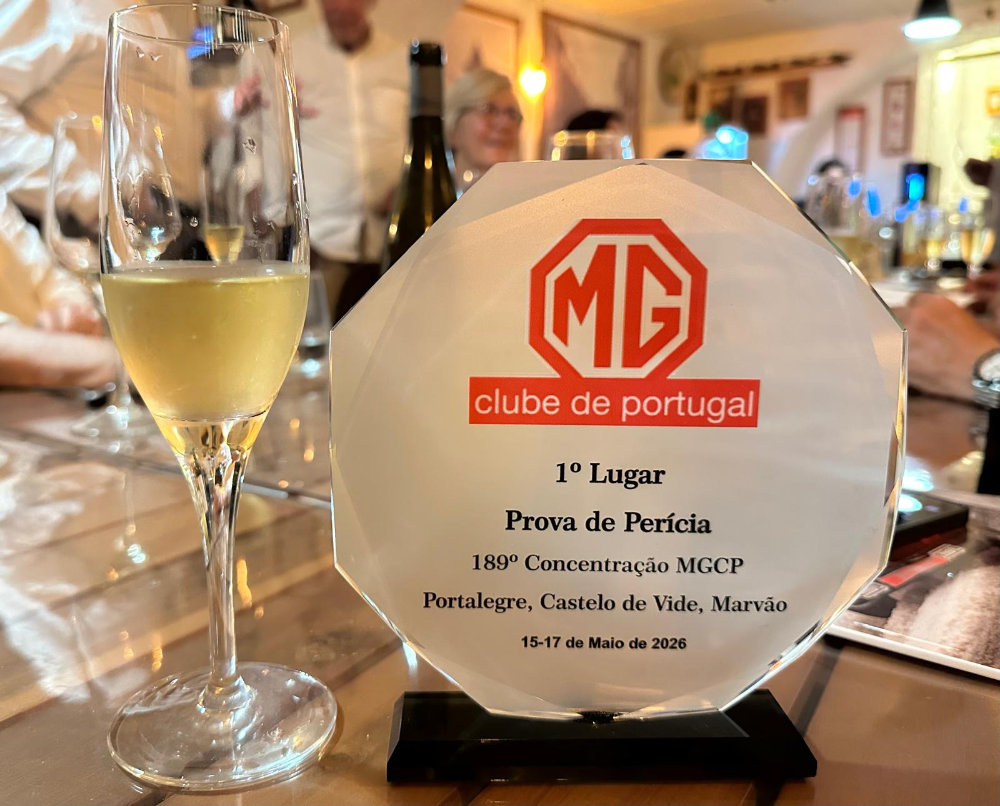
The team driving skills competition, organized by GPAP – Grupo Promoção Automobilística de Portalegre, provided a fun and convivial moment among participants and MG cars, testing drivers’ precision, control and skill in a relaxed and safe environment.
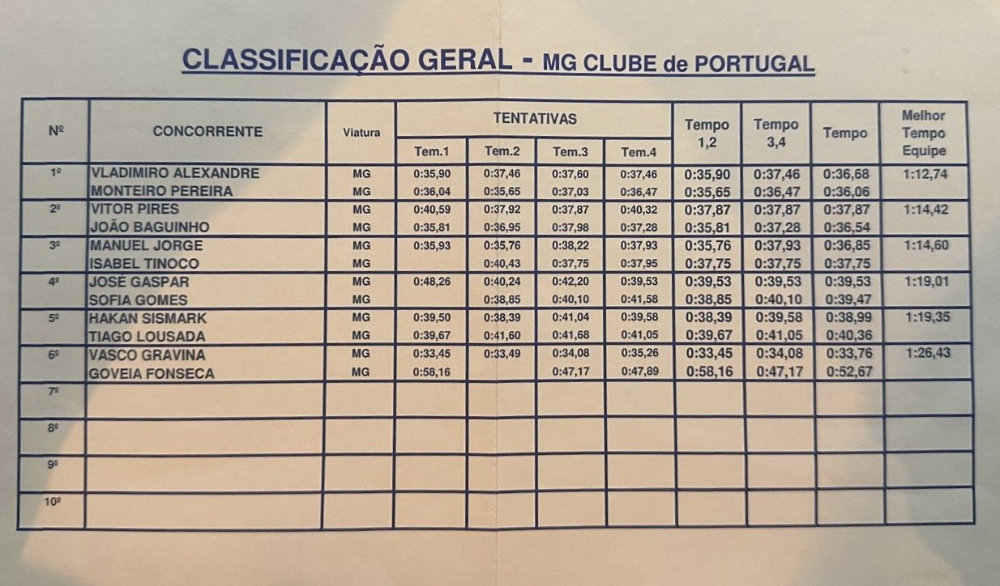
Results
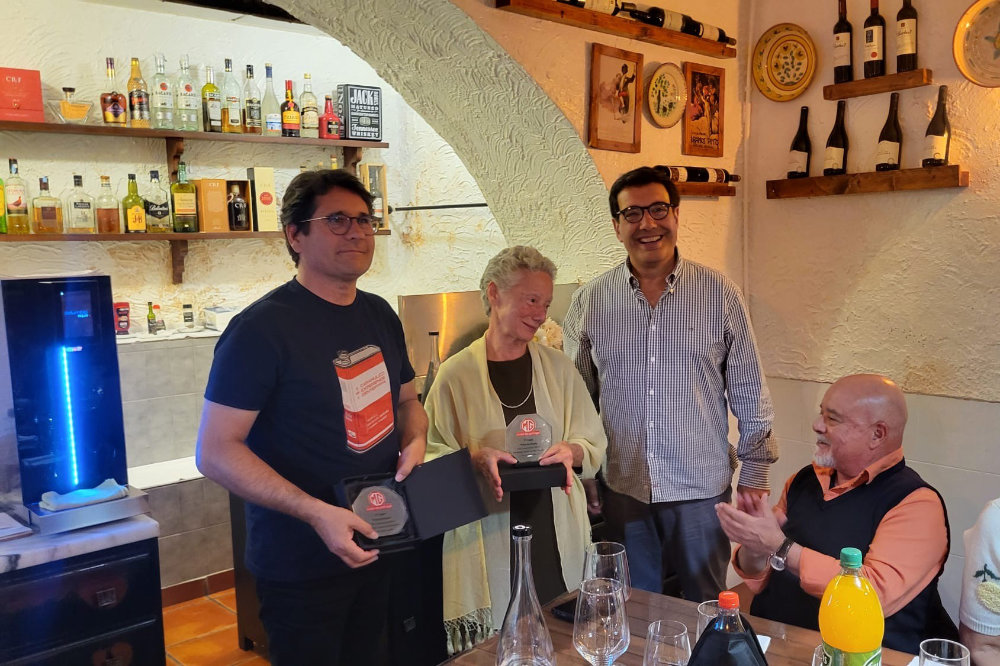
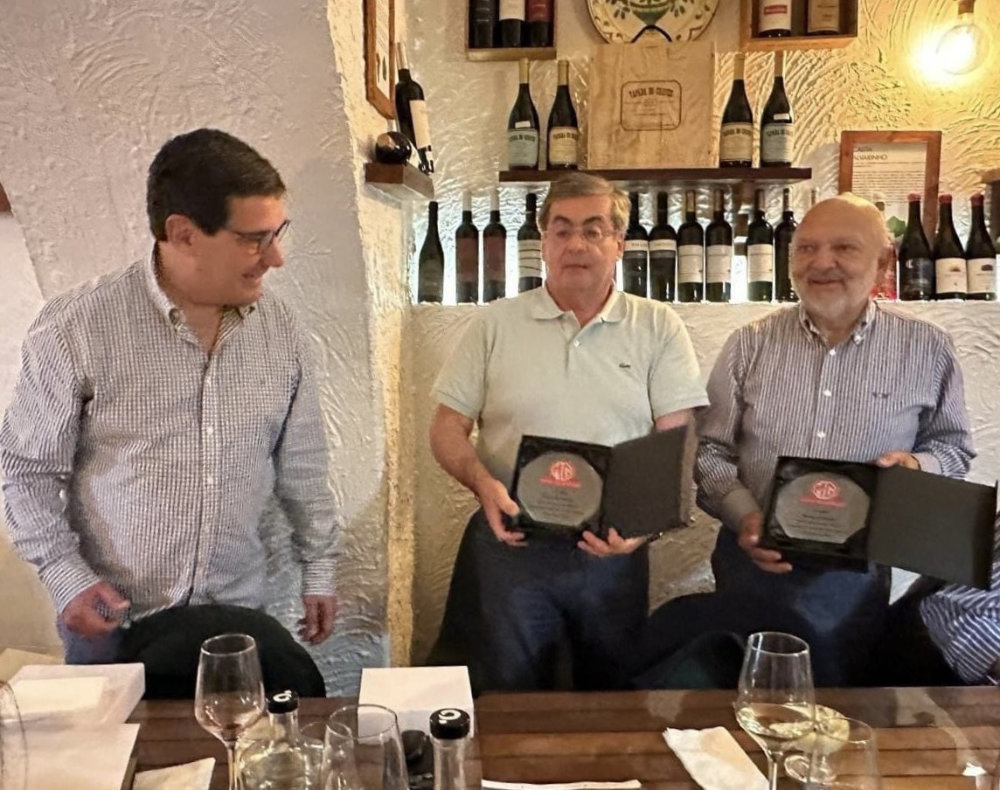
1st Place: Vladimiro Alexandre / Monteiro Pereira
2nd Place: Vítor Pires / João Baguinho
3rd Place: Manuel Jorge / Isabel Tinoco
Individual Winner: Vasco Cravina
Sunday Morning – Marvão
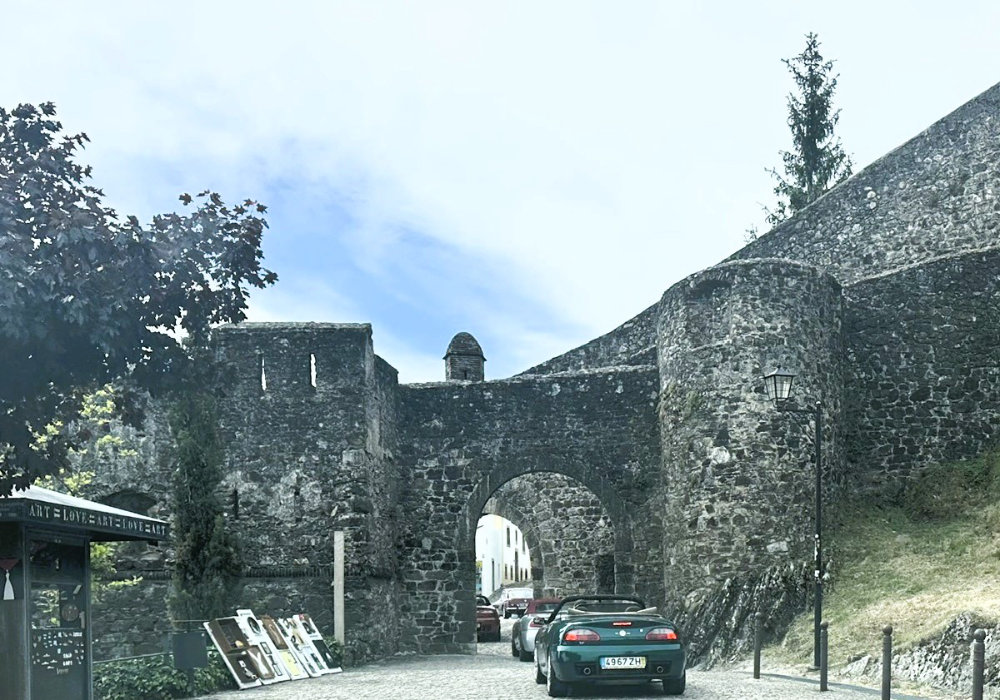
Considered one of the most beautiful fortified villages in Portugal, Marvão rises above the mountains with truly impressive views over Alentejo and Spain.
Its narrow streets, well-preserved walls and medieval atmosphere turned the visit into a true journey back in time.
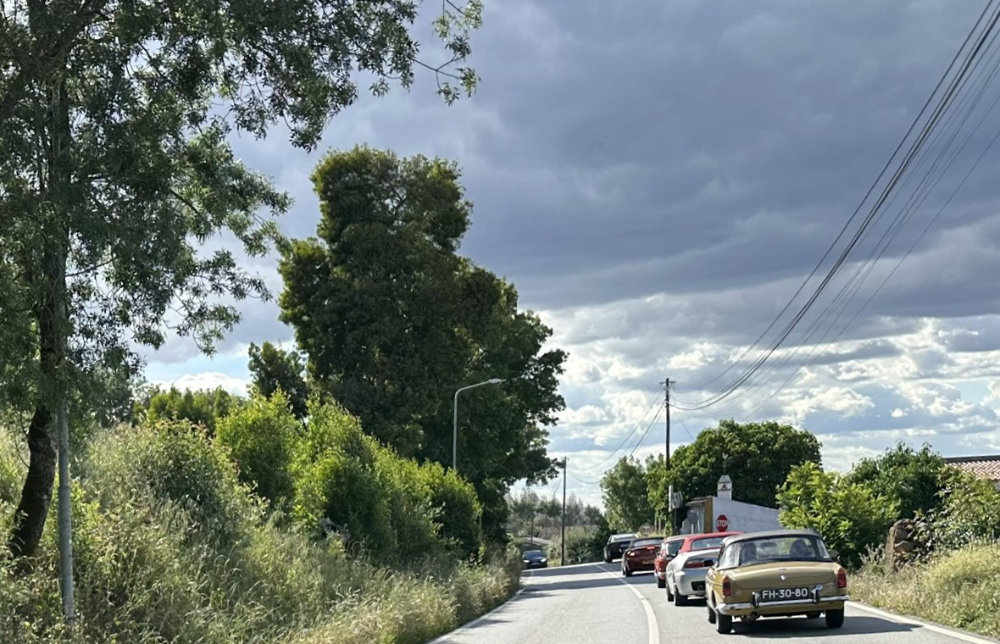
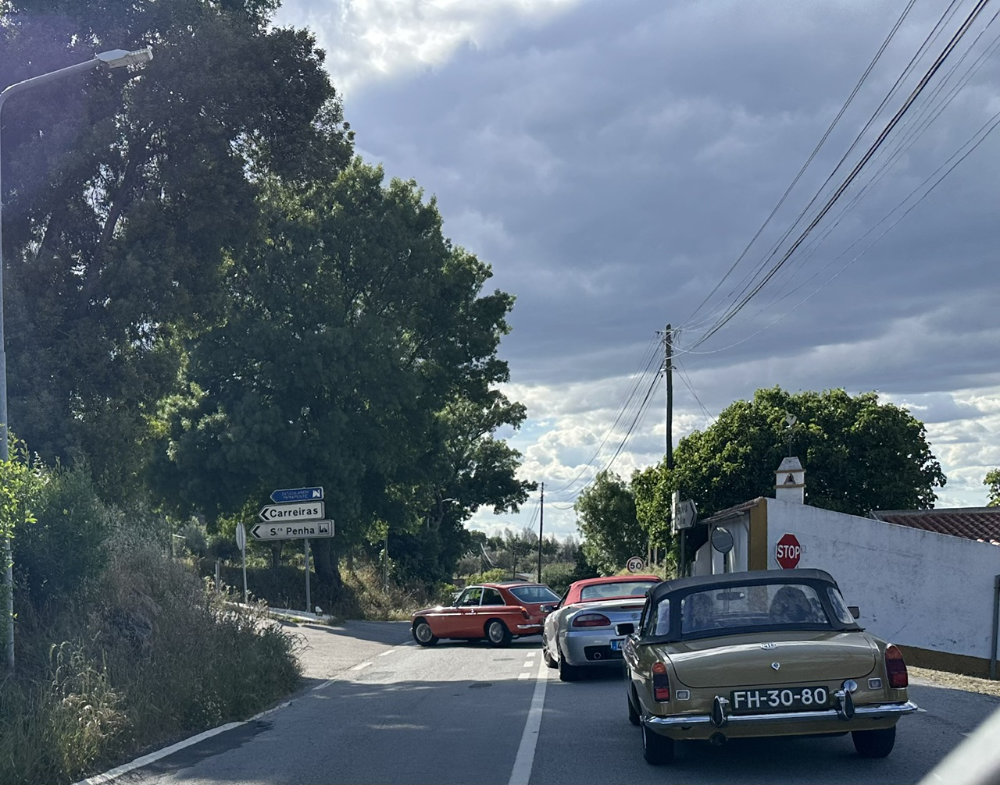
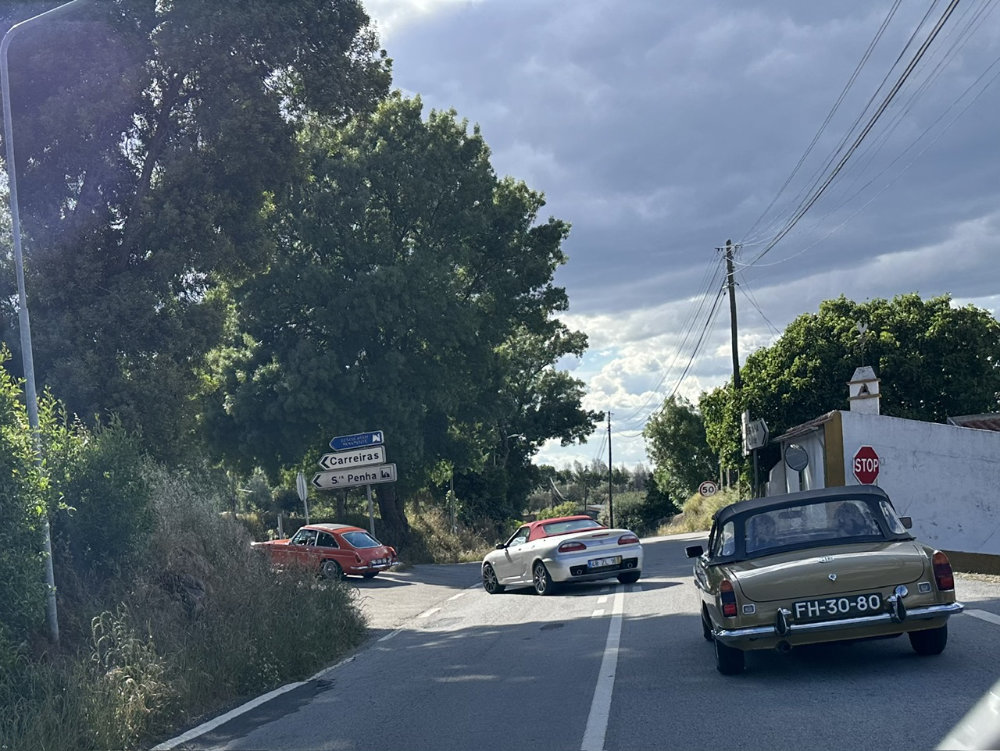
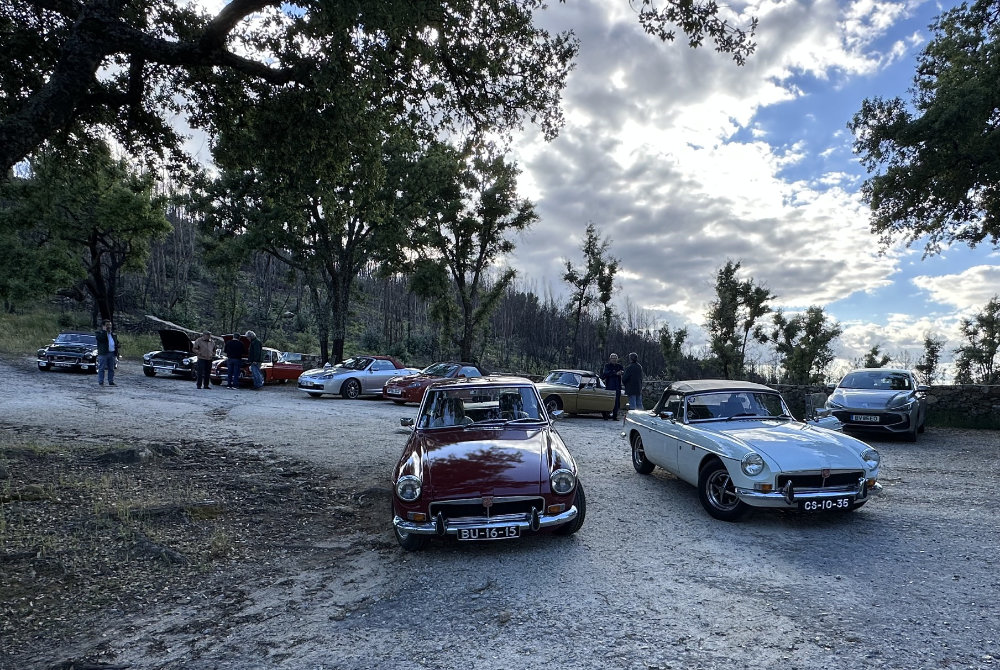
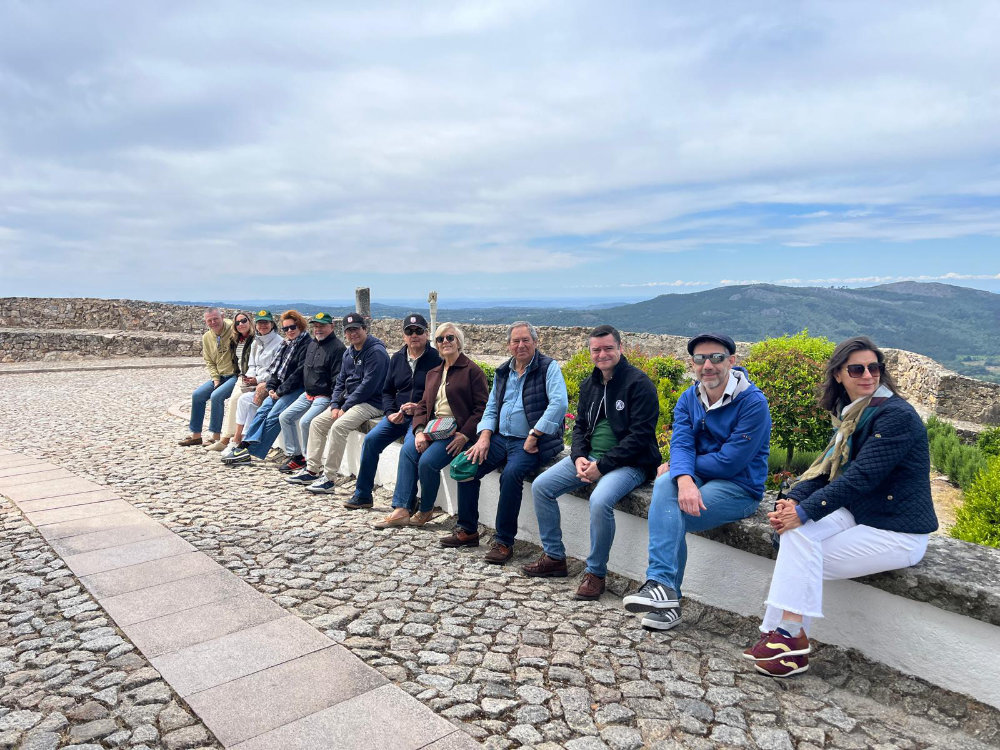
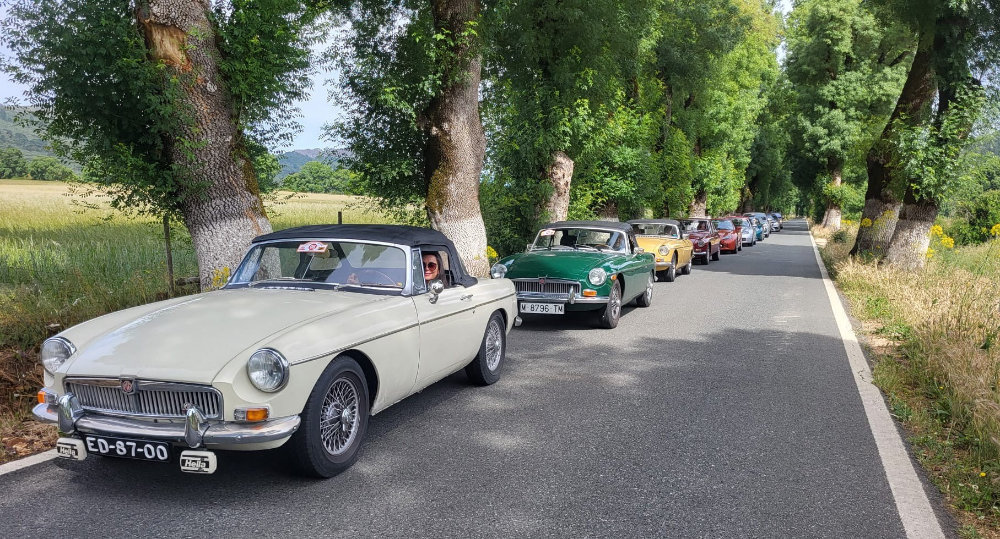
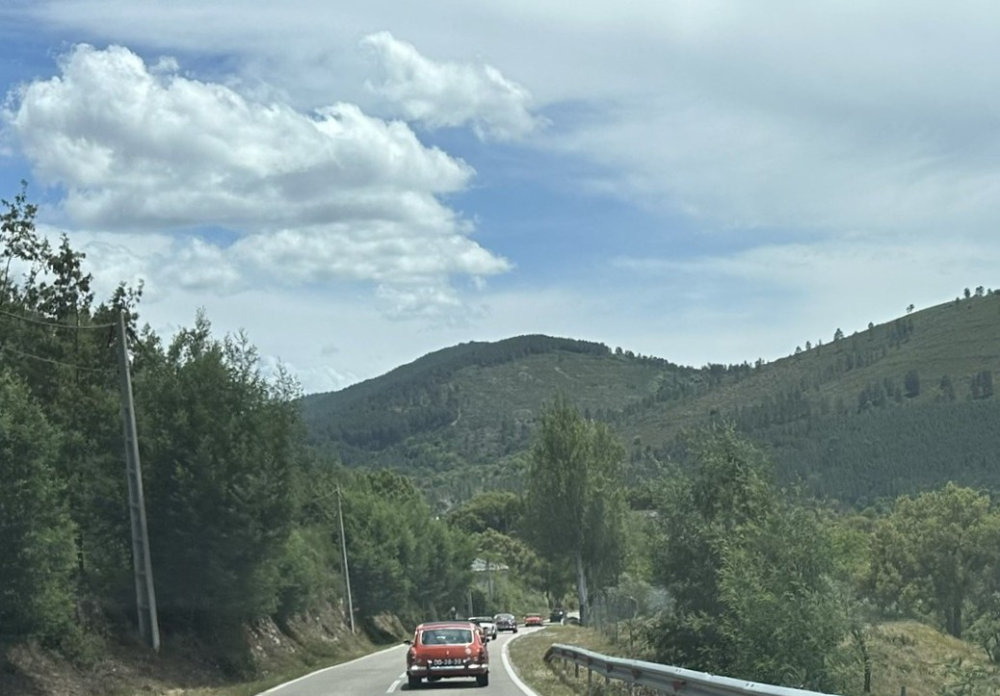
The group travelled in convoy from Portalegre to Marvão via Castelo de Vide, enjoying the beautiful regional roads, especially the Alameda dos Freixos, where the group stopped by the roadside for photographs.
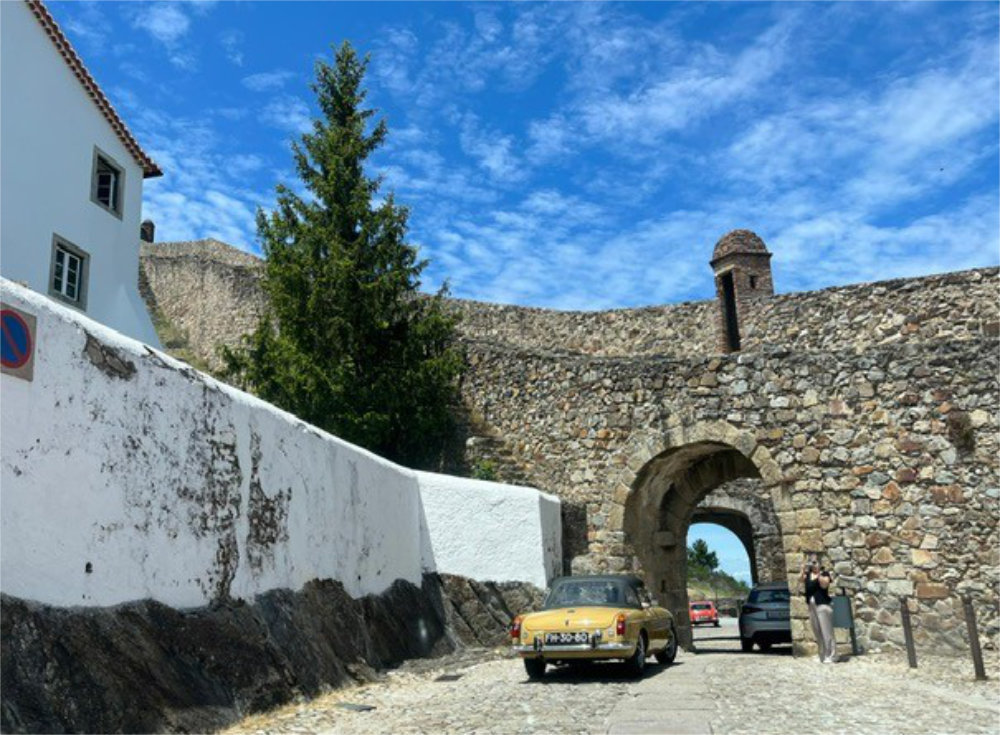
Upon arrival in Marvão, the MGs were parked near the Town Hall, where they once again remained on display for locals and tourists to admire.
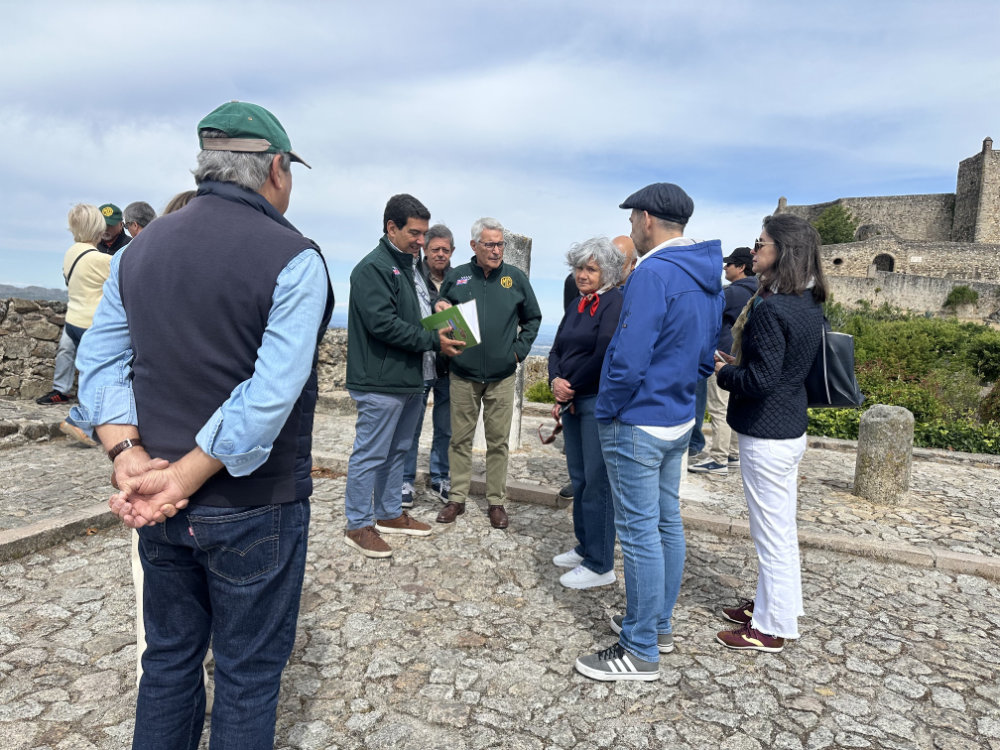
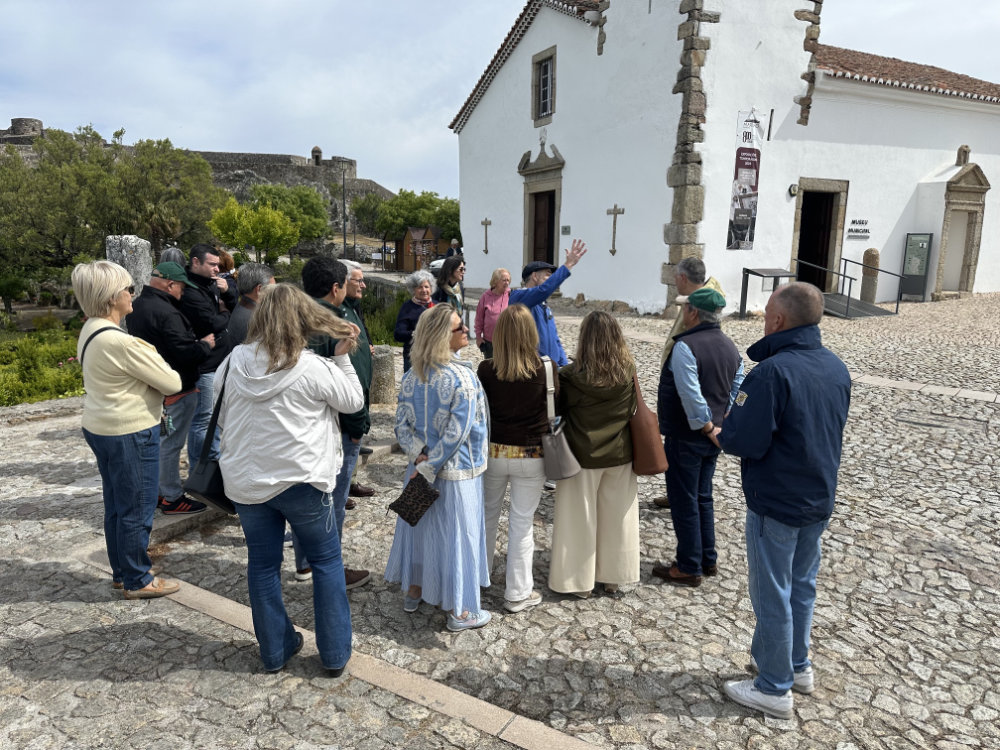
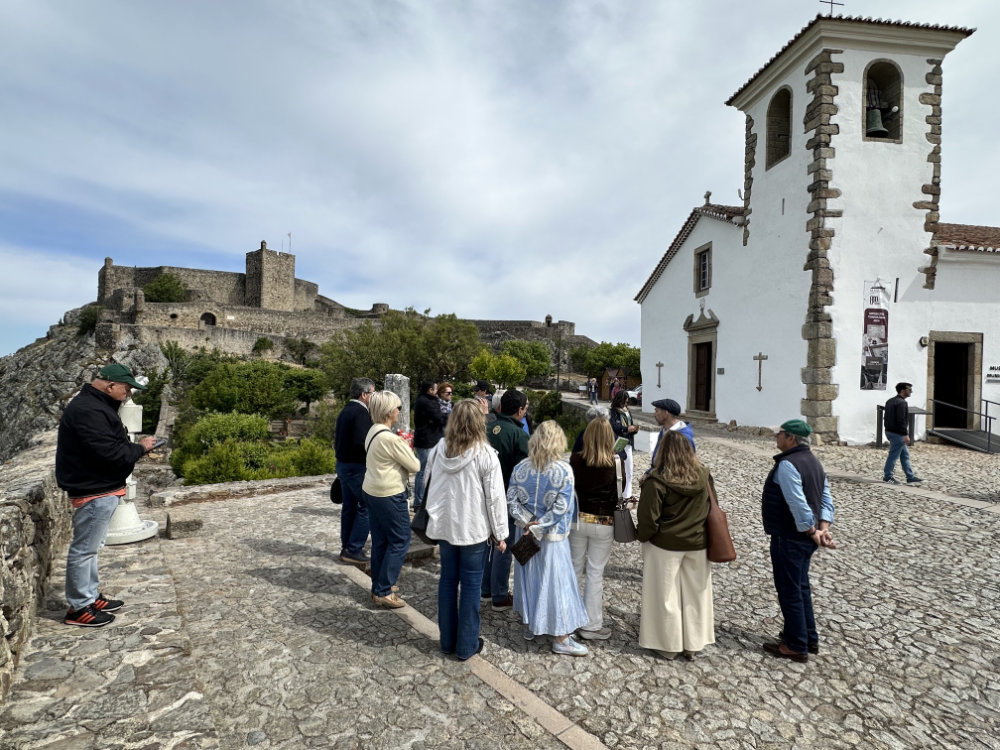
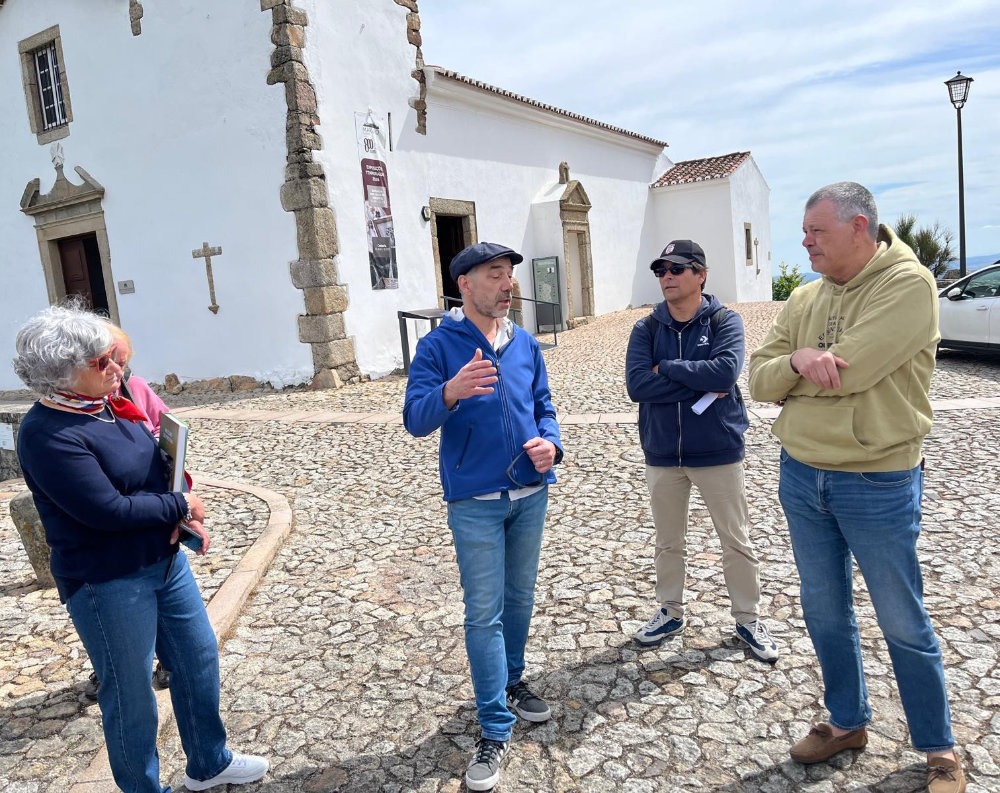
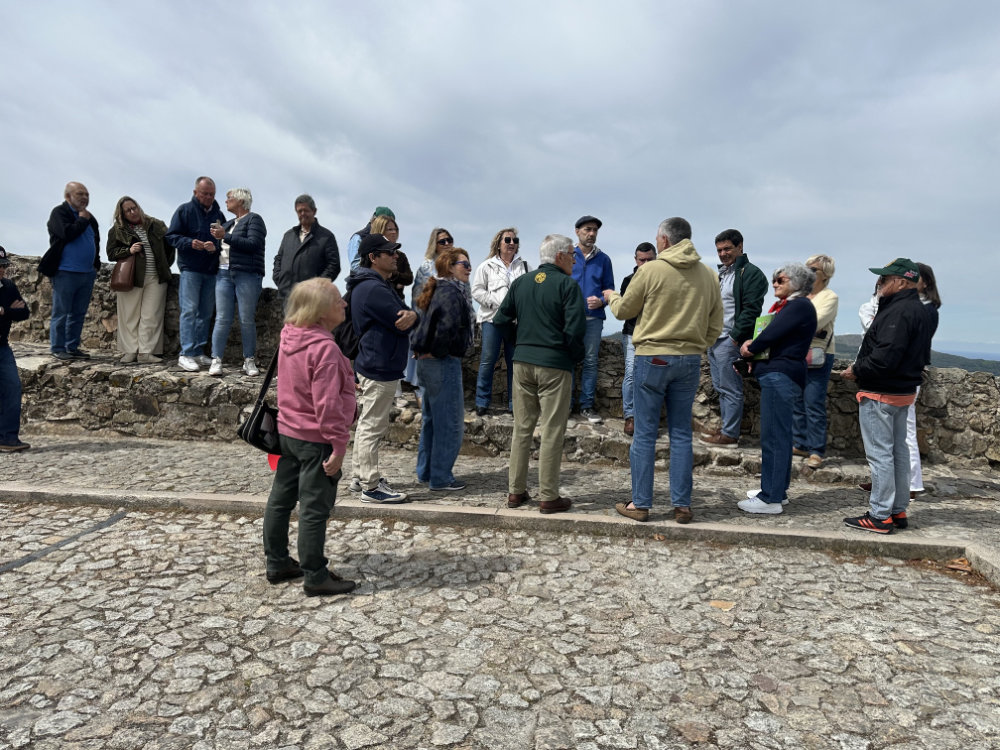
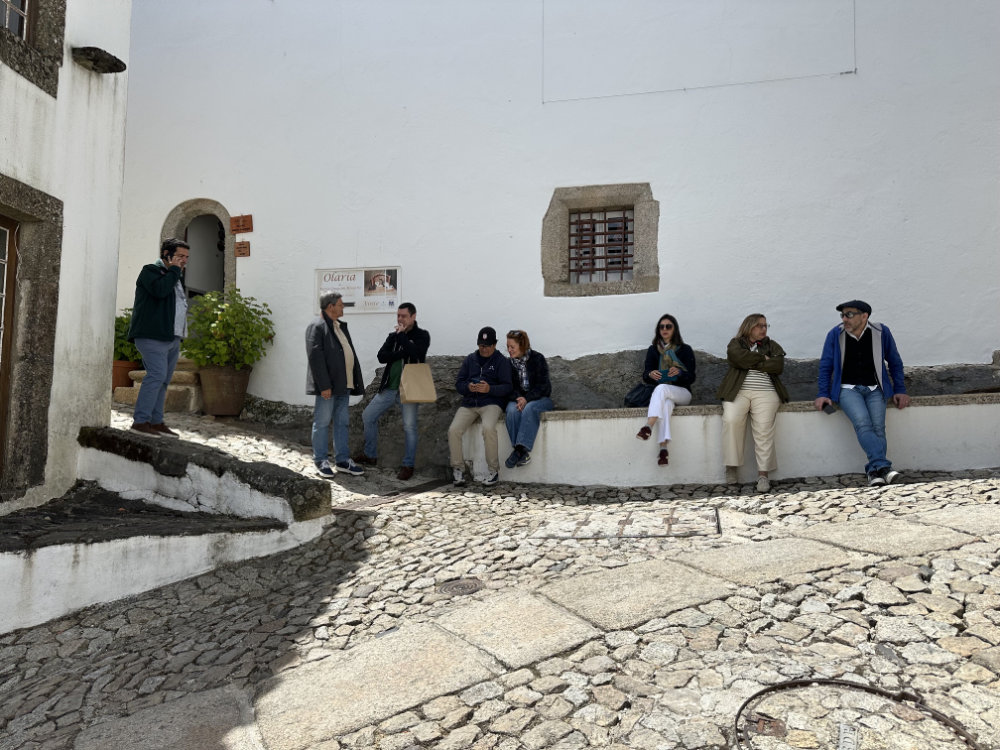
In Marvão, we had the privilege of being guided by our member Vítor Pires and Francisco, husband of our member Sofia Costa Gomes, both locals who shared with us the history and legends of the village, as well as their childhood memories.
Marvão Castle
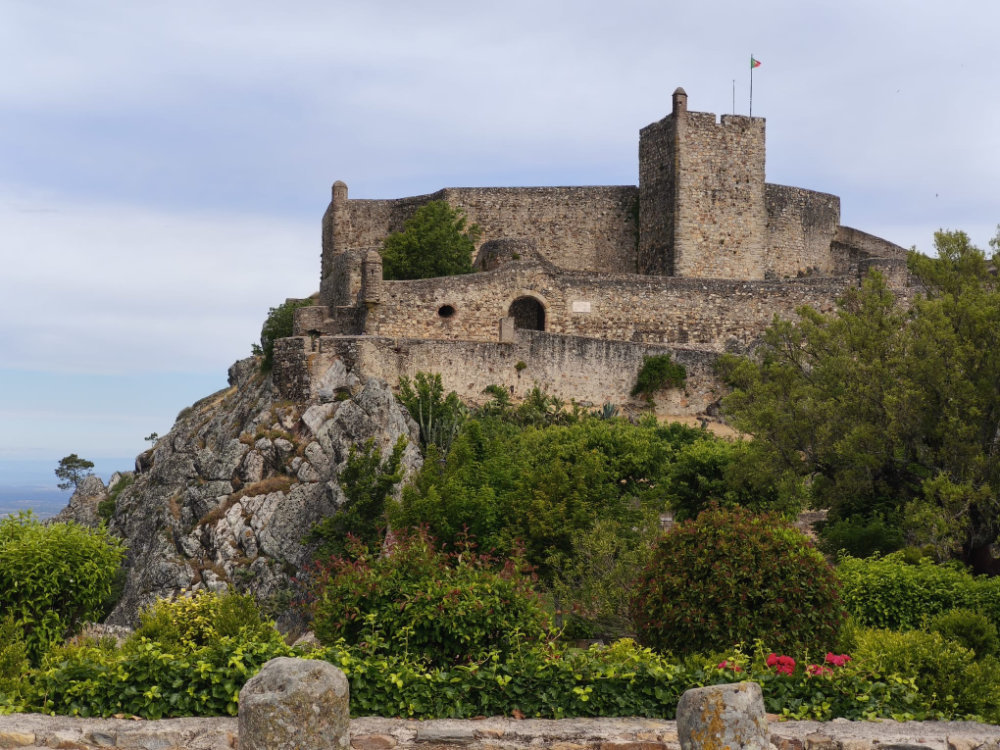
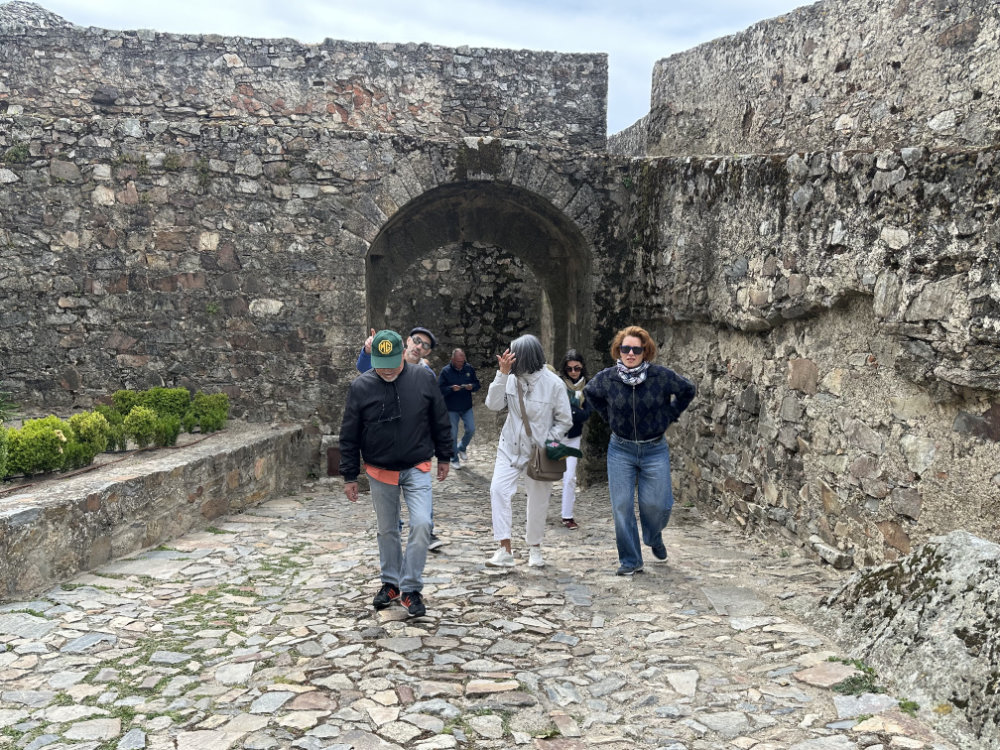
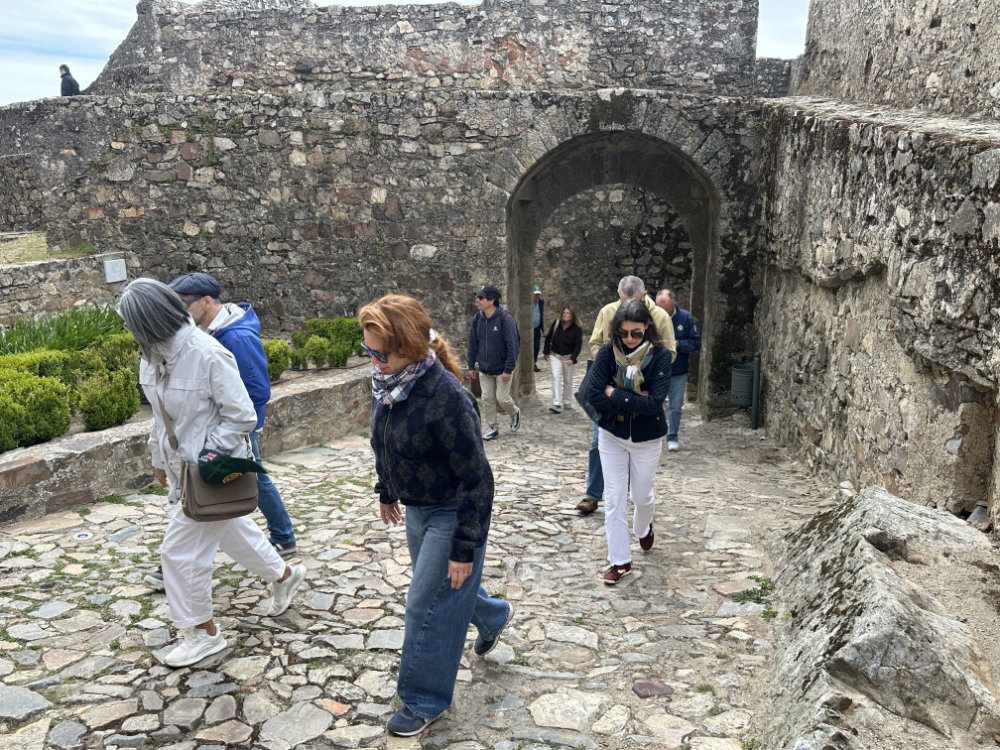
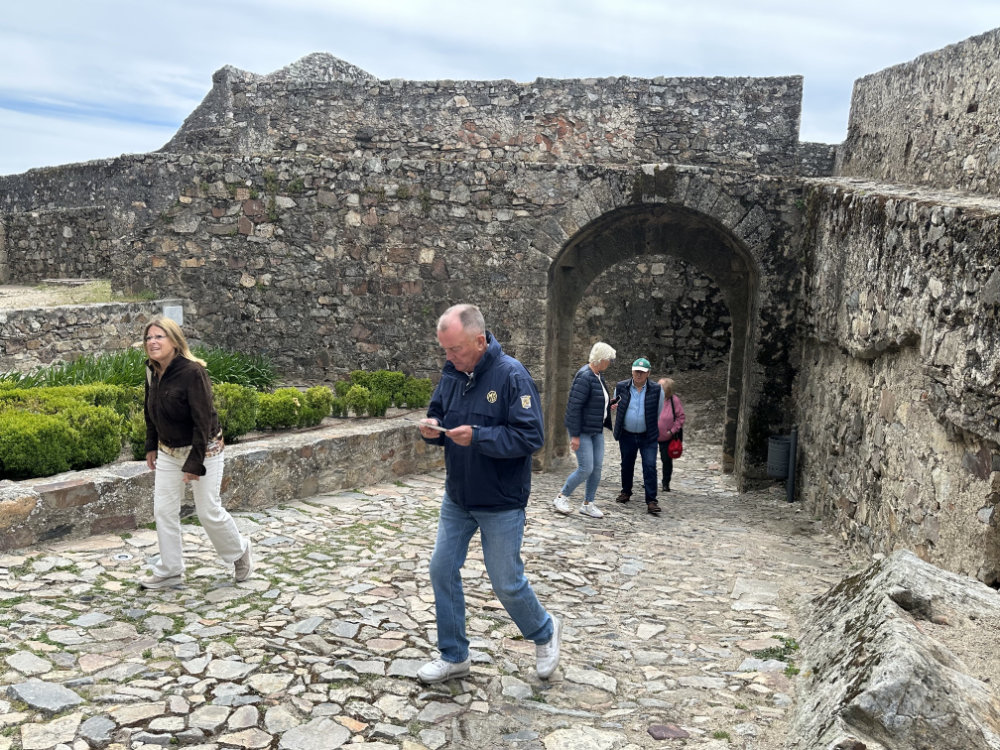
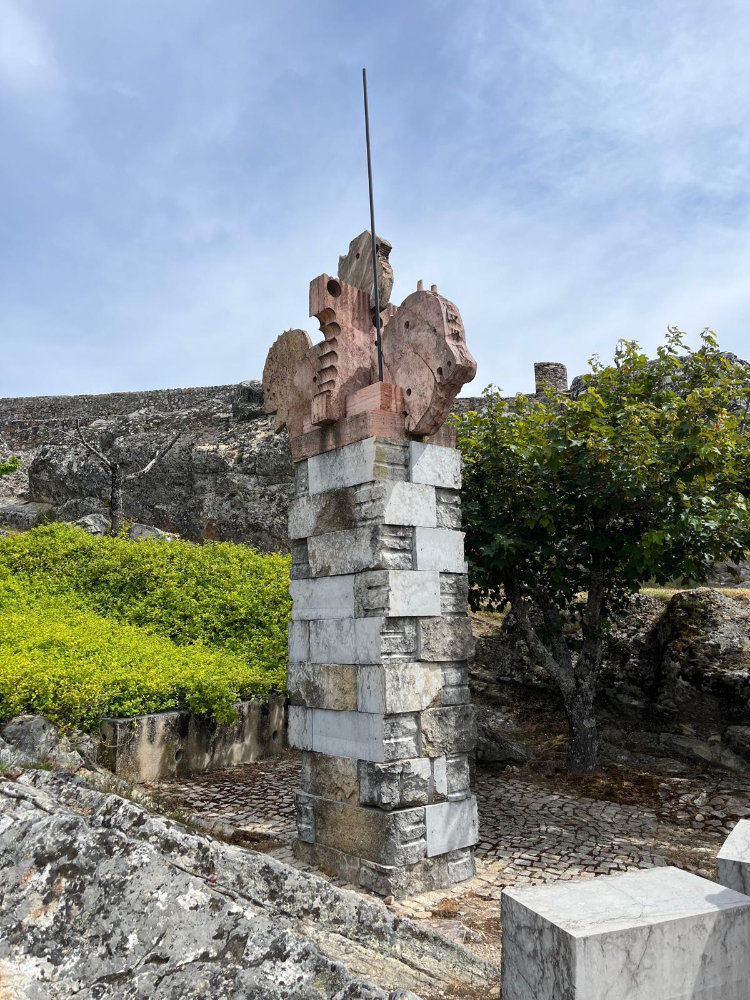
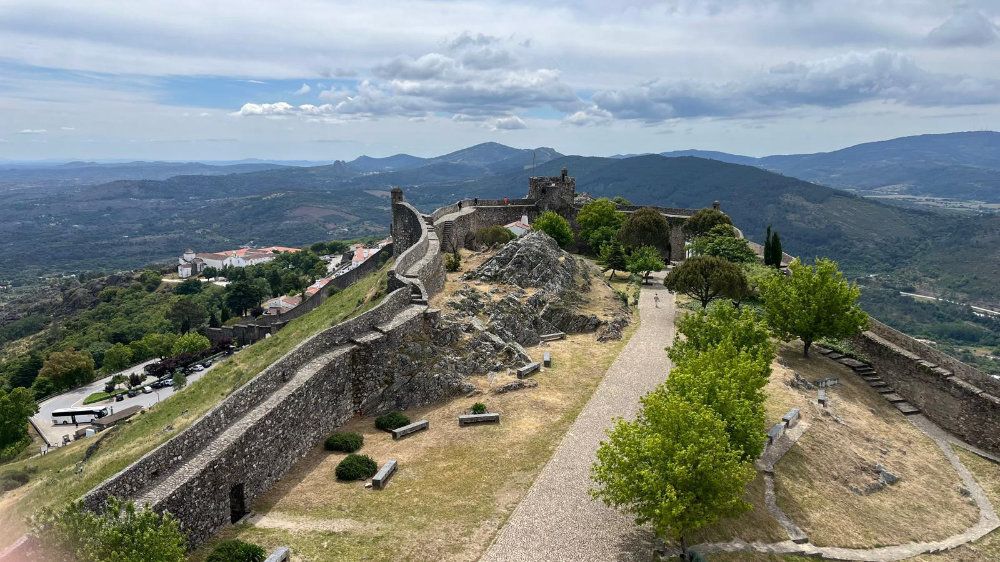
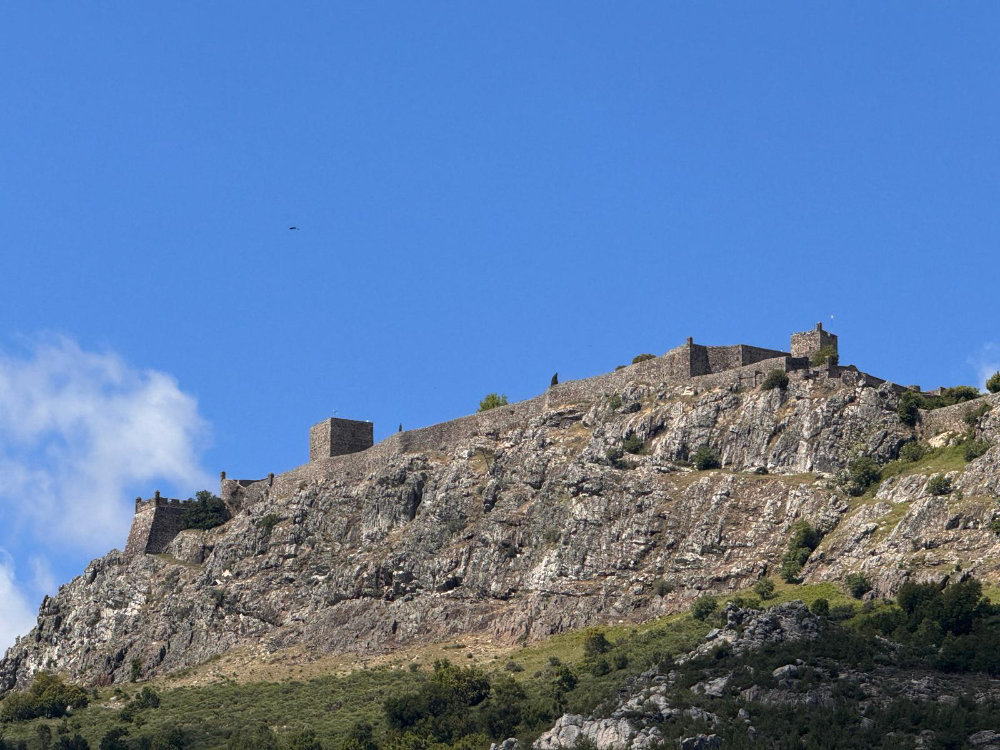
We began with a visit to Marvão Castle, one of the most impressive fortresses in Portugal, which throughout history played an important defensive role along the border.
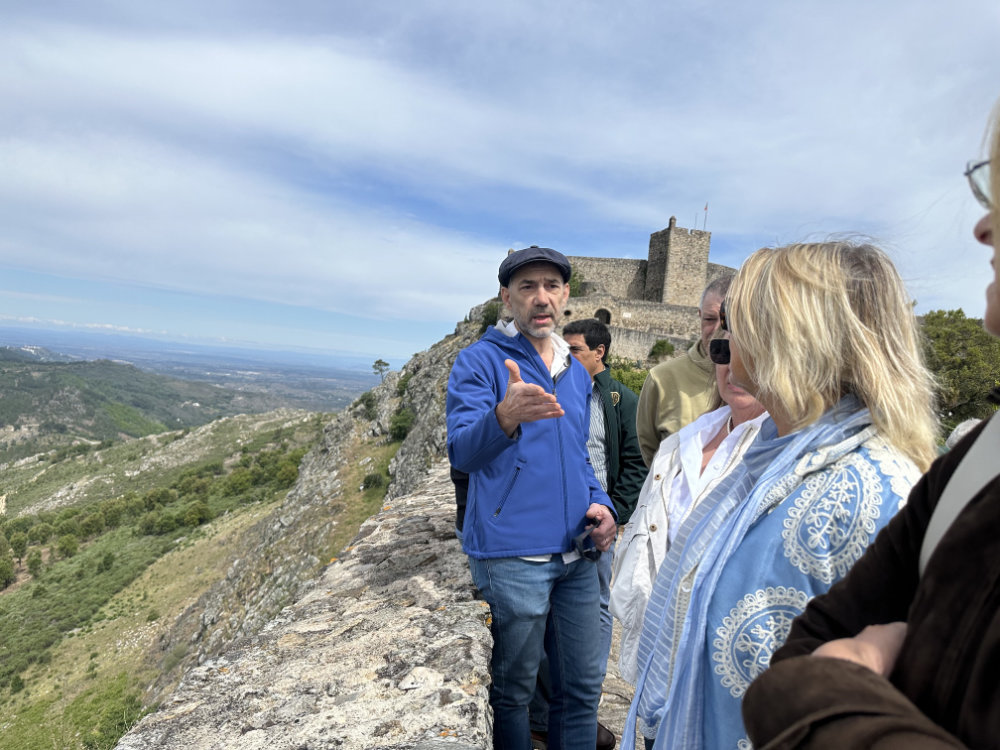
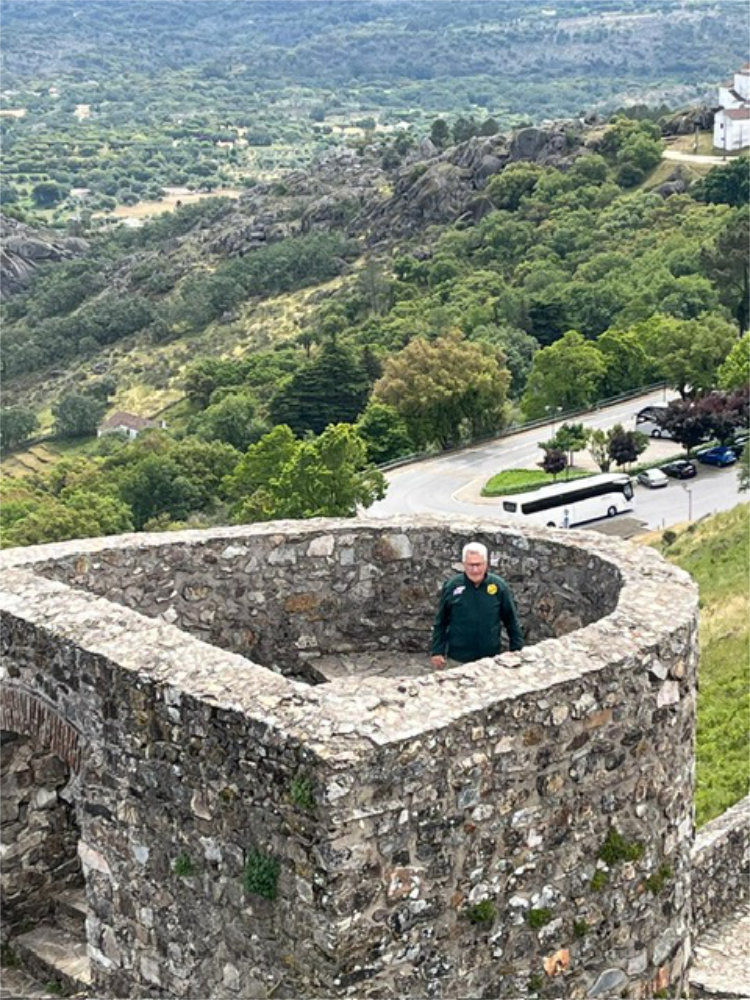
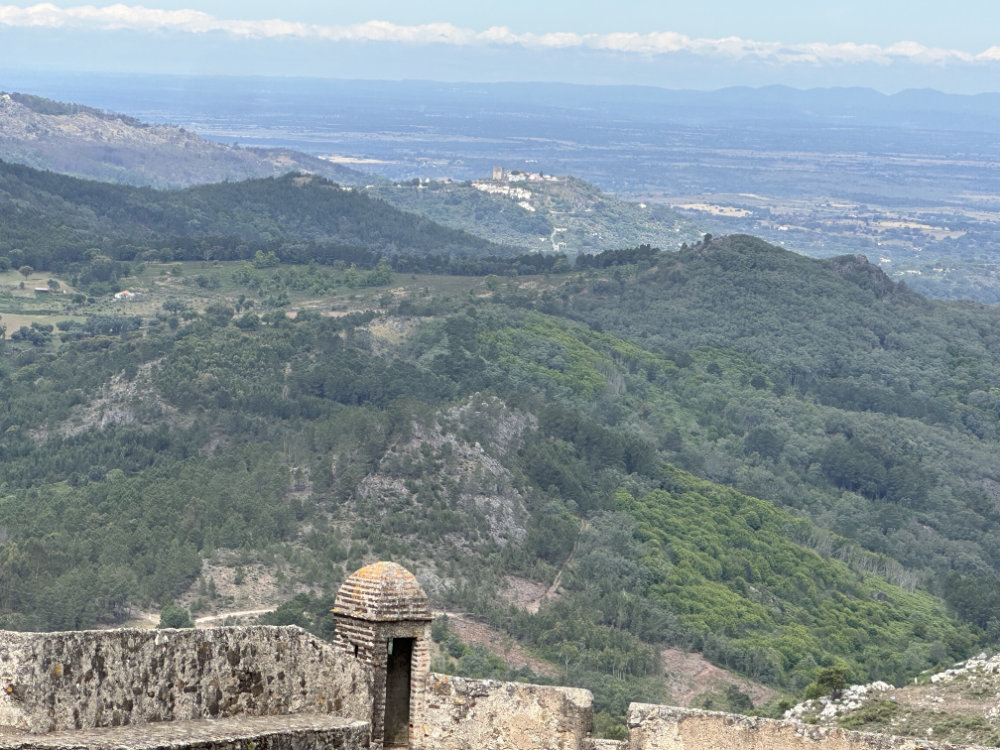
The group walked along the castle walls, which offer extraordinary panoramic views and help visitors understand the strategic importance of this frontier village.
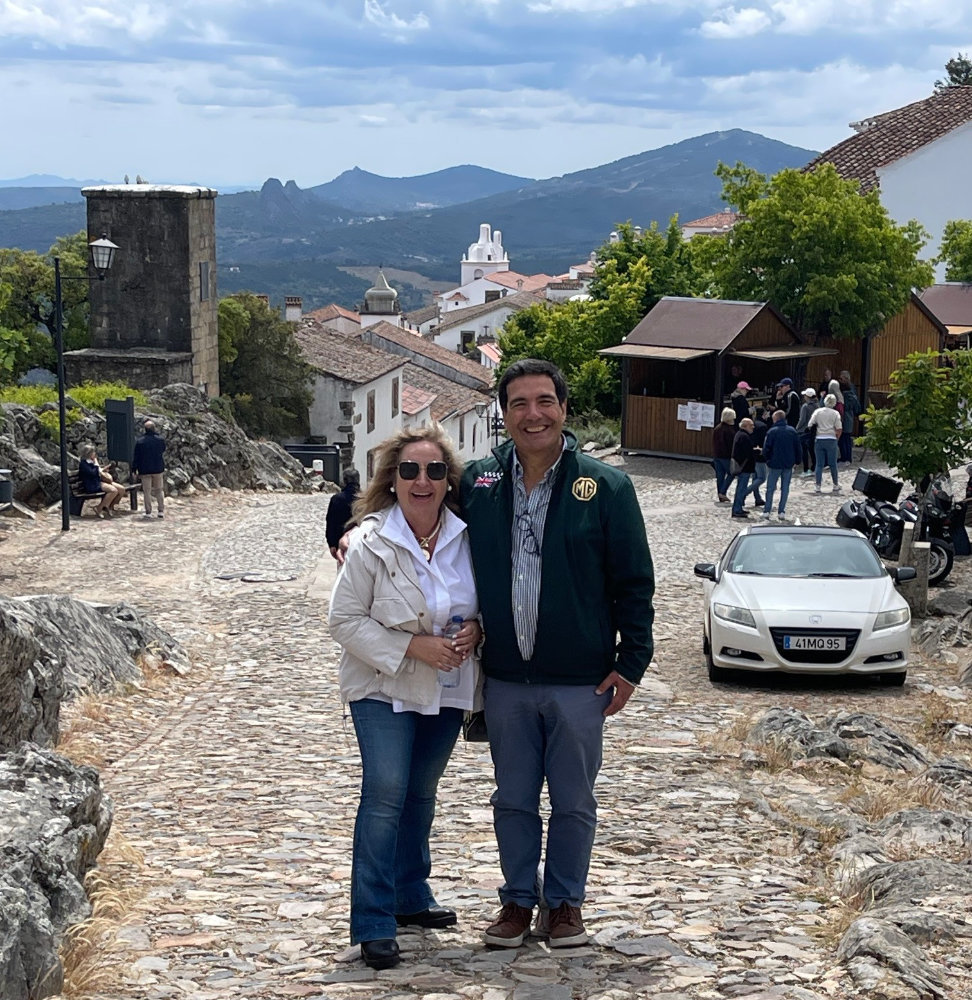
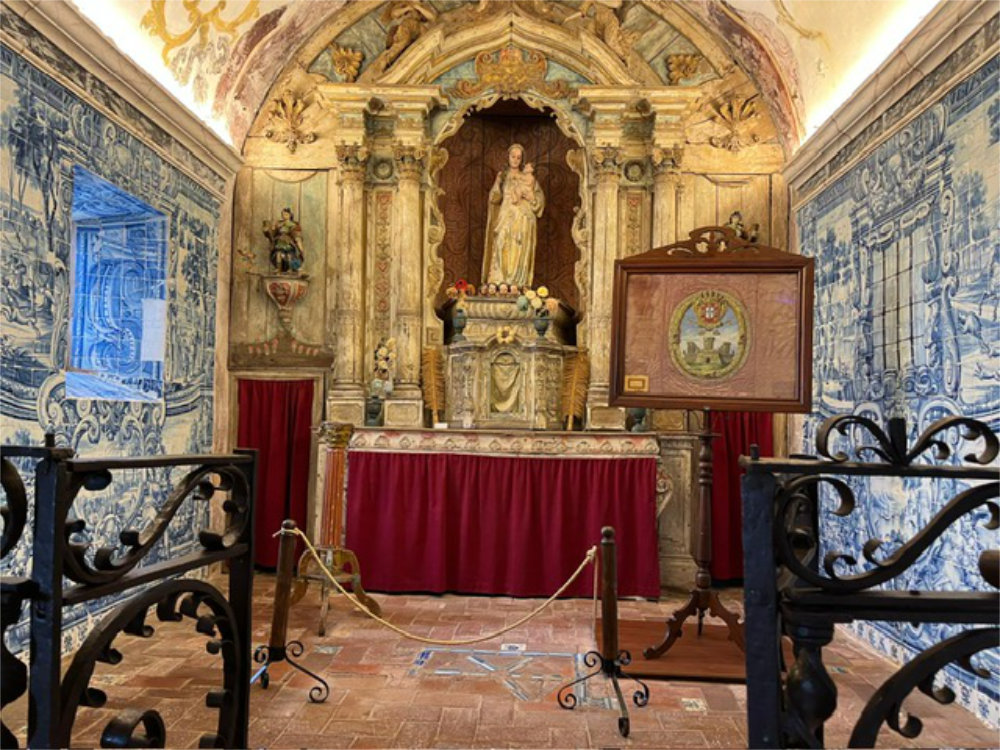
Here the group must have taken thousands of stunning photographs, some of which we share below.
Municipal Museum
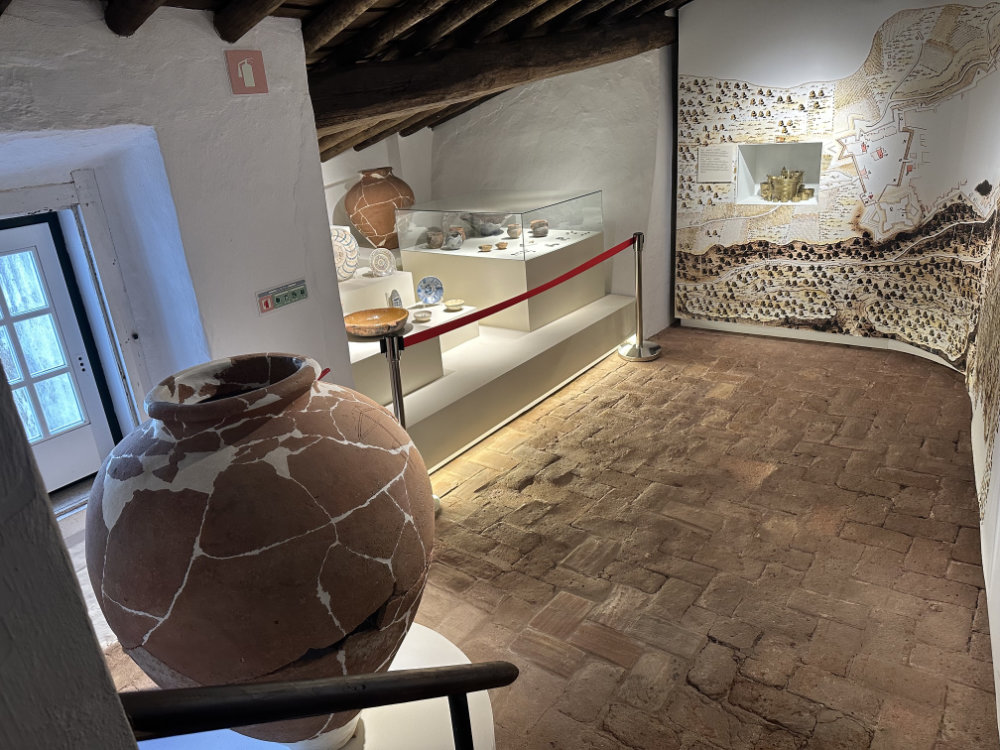
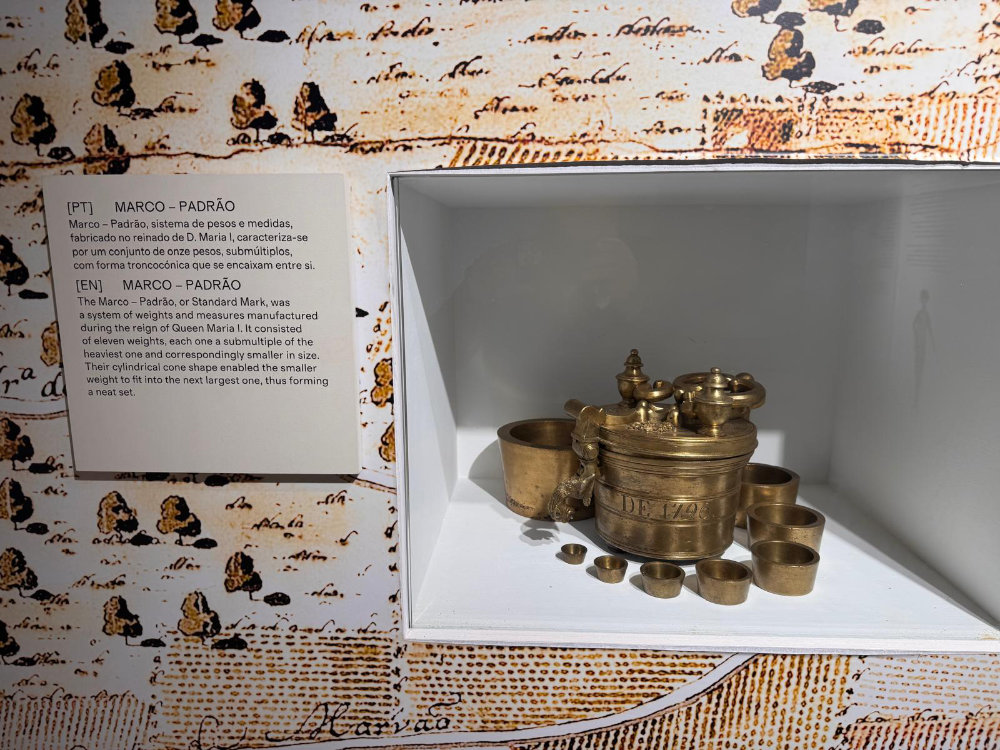
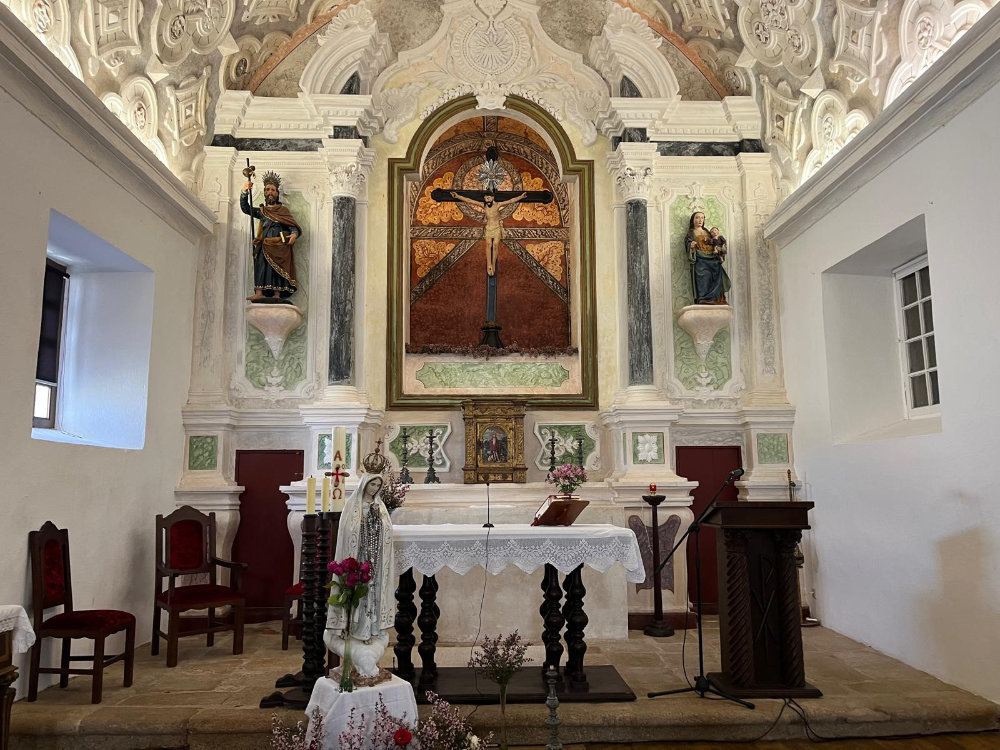
The members then made a brief visit to the Museum of Marvão, housed in the former Church of Santa Maria, a historic building in the center of the village.
The museum presents exhibitions dedicated to archaeology, local history and regional heritage, helping visitors understand the evolution of Marvão from Roman occupation through the Middle Ages and into modern times.
Church of São Tiago
A shorter visit was made to the Church of São Tiago, one of Marvão’s most emblematic historic buildings.
Of medieval origin, it stands out for its simple architecture and its connection to the village’s religious and social history.
Special thanks to Sandra for facilitating our visit.
Marvão Cultural Centre
Ana Lúcia Carrilho gave us a brief presentation of the Cultural Centre.
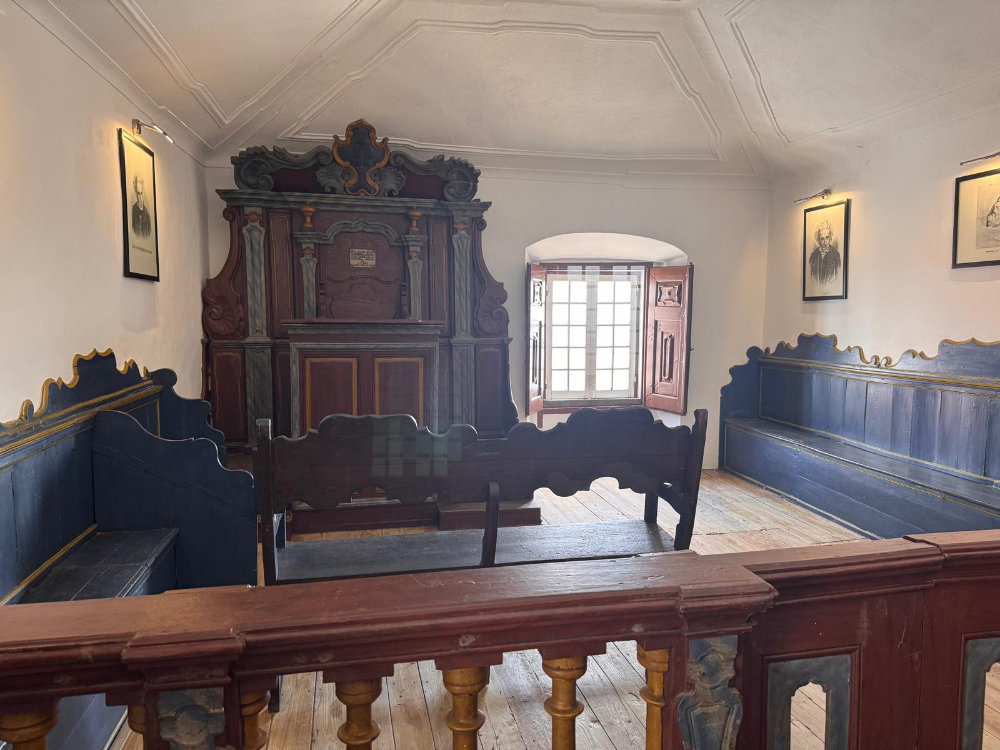
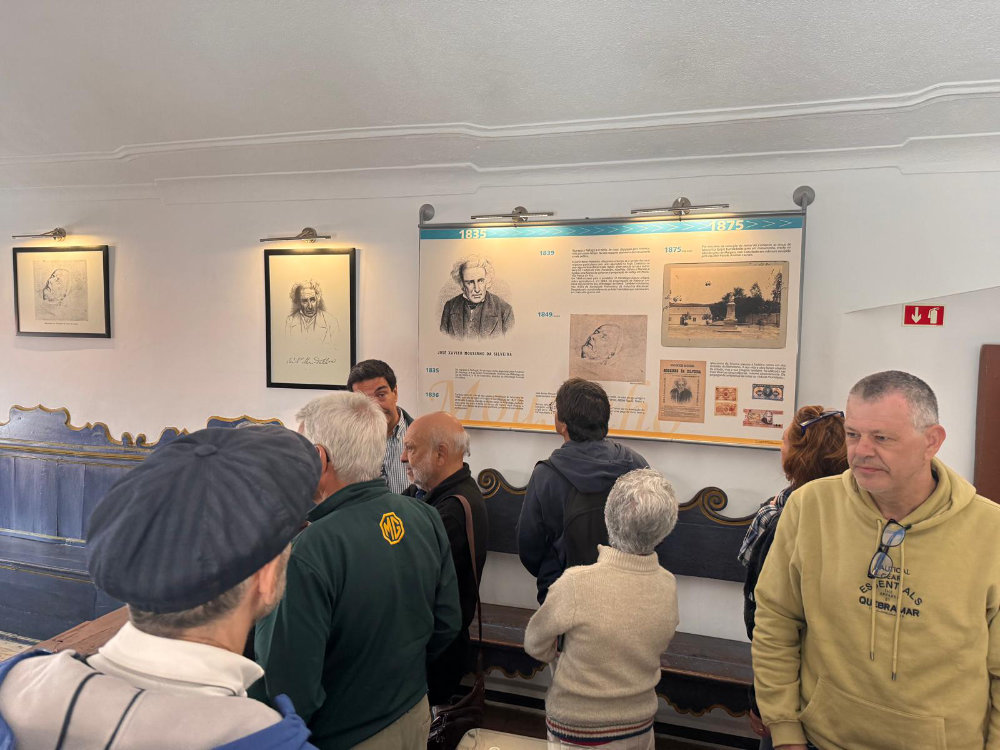
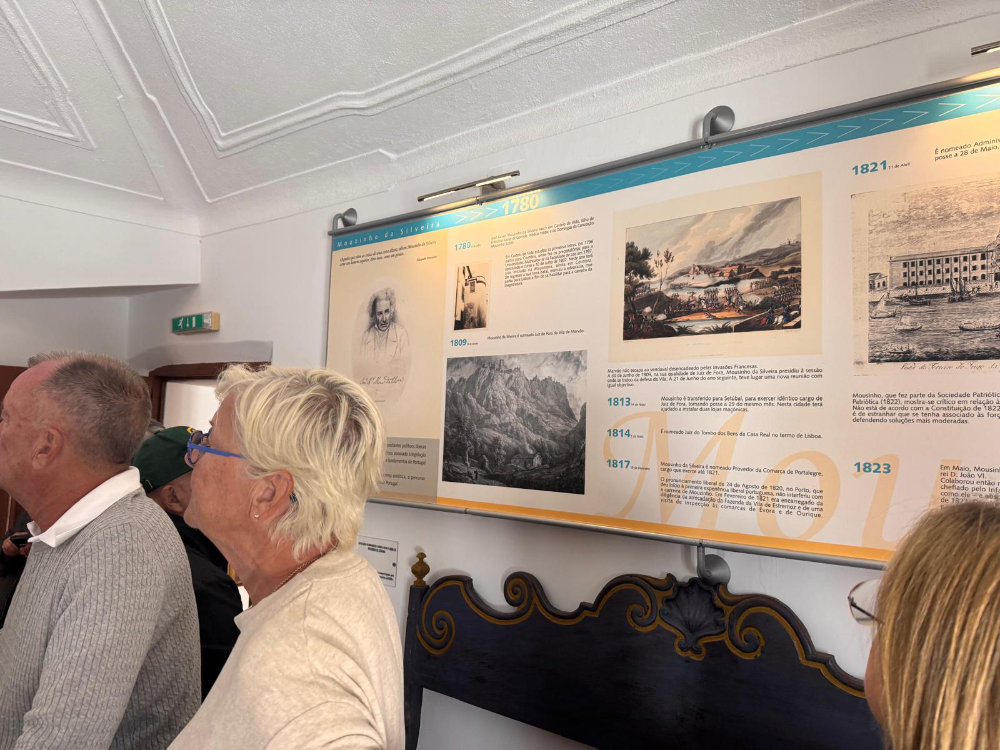
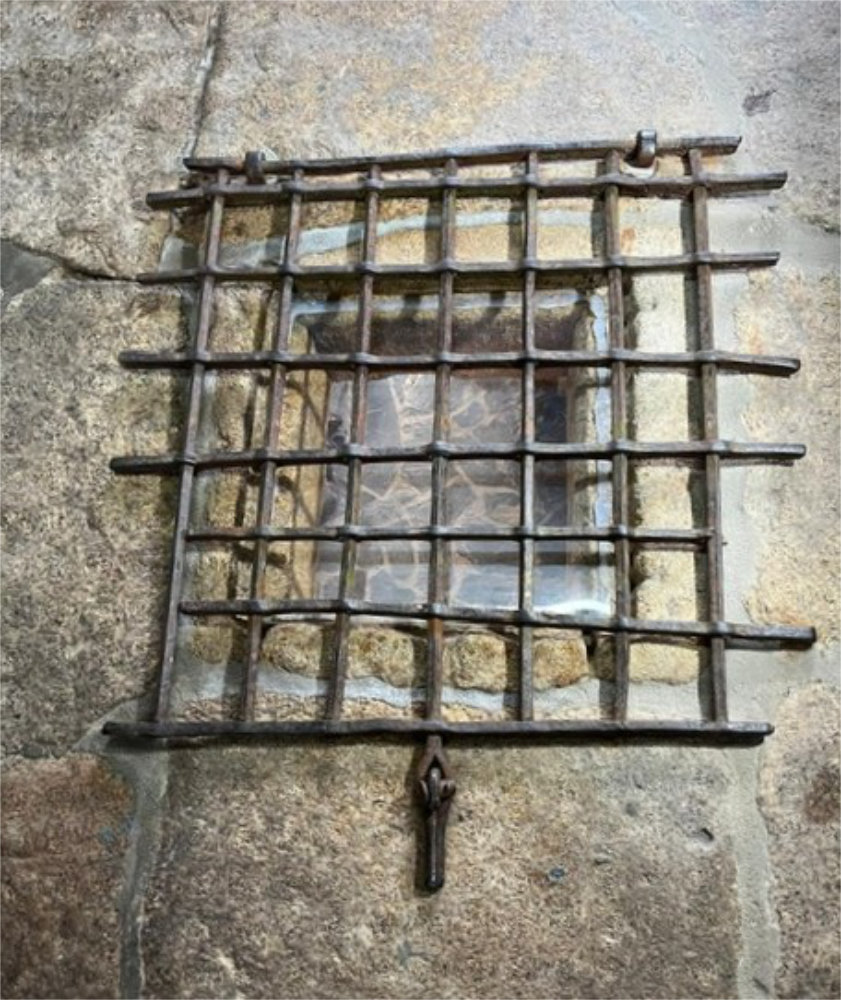
Installed in the former old Town Hall, courthouse and prison, the current Cultural Centre preserves the memory of local justice and administration throughout the centuries.
The building combines historical heritage with cultural and exhibition spaces dedicated to the identity of Marvão.
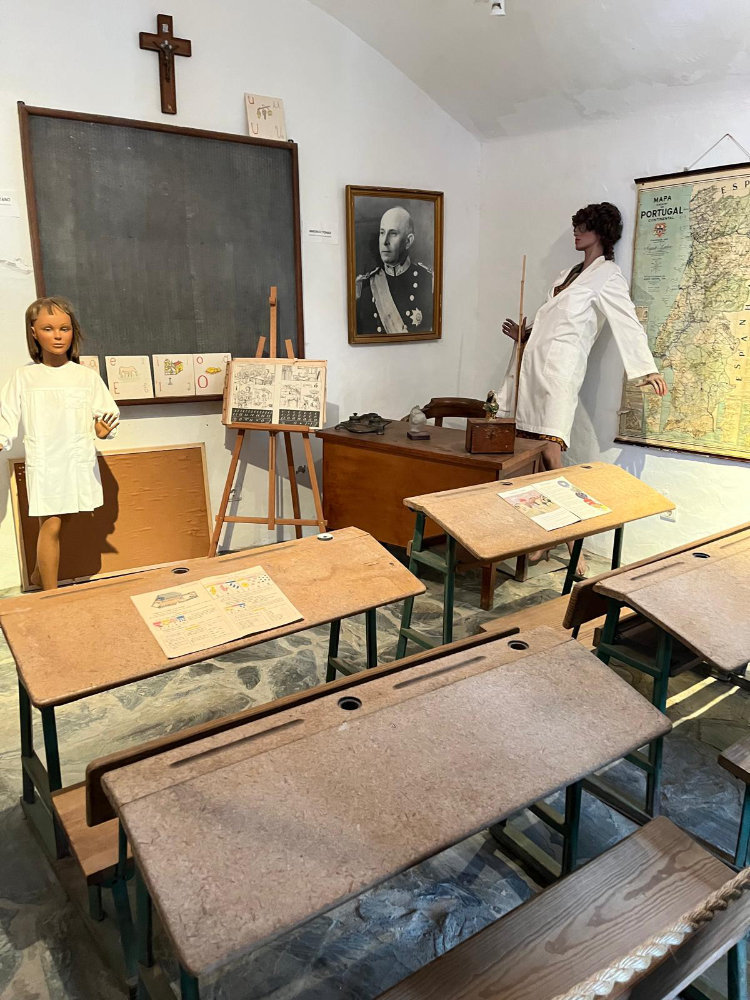
Here visitors may see the former courtroom where statesman Mouzinho da Silveira once served, the prison and a recreation of an old classroom.
Sunday Afternoon – Marvão
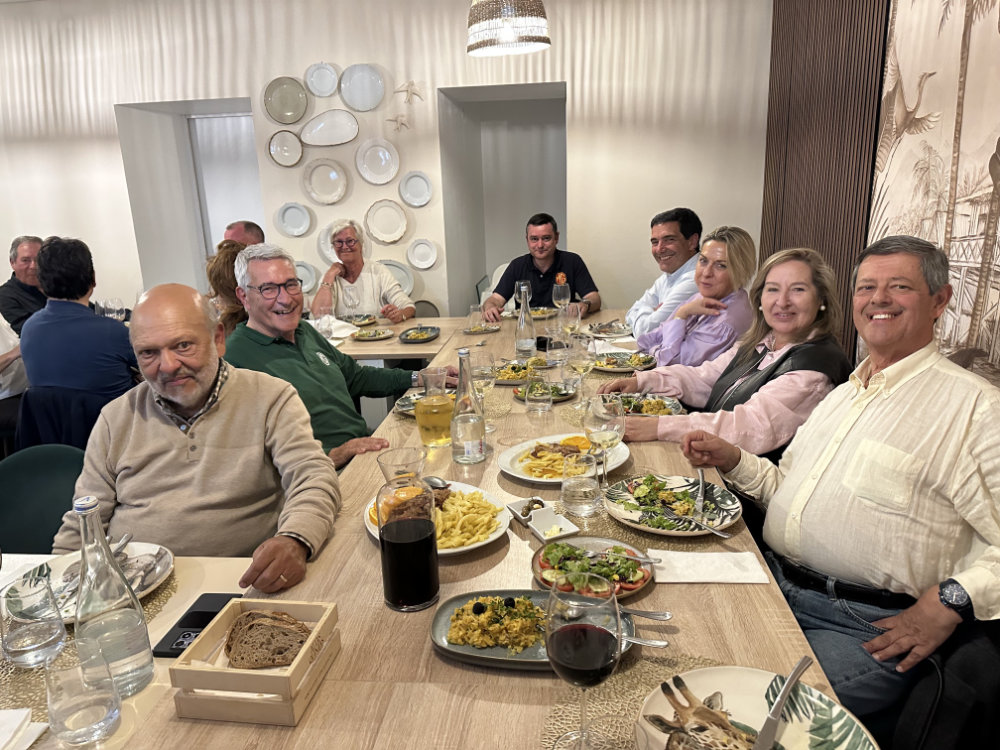
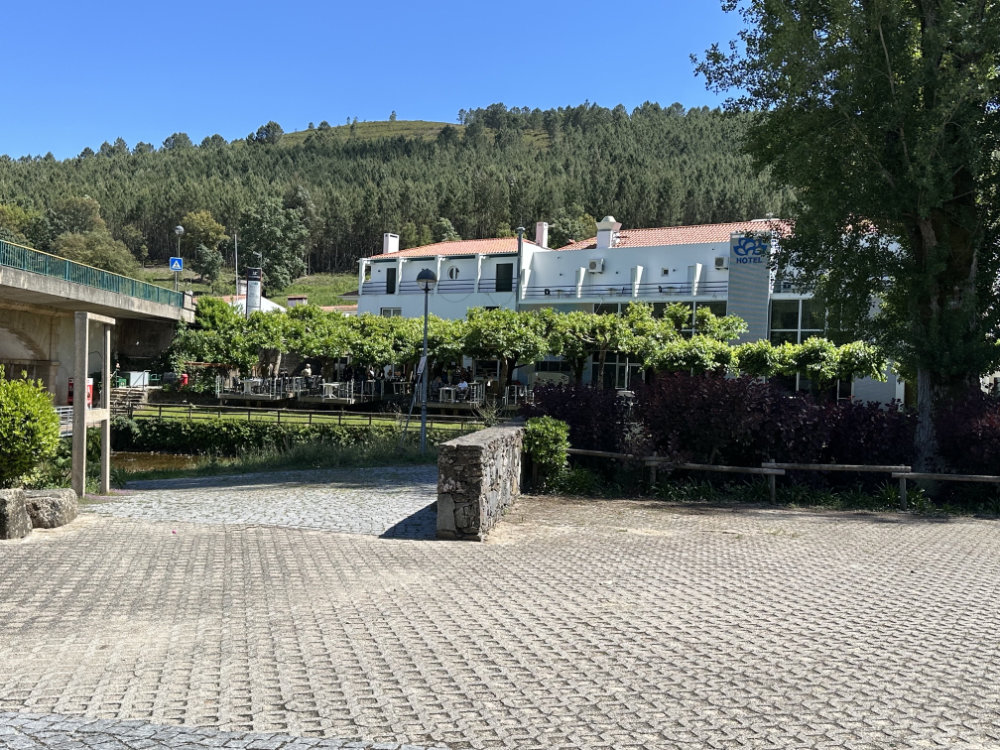
After visiting Marvão, the group had lunch at the pleasant Restaurante Sever, located on the banks of the river of the same name in the village of Portagem. The menu included roasted venison with chestnuts.
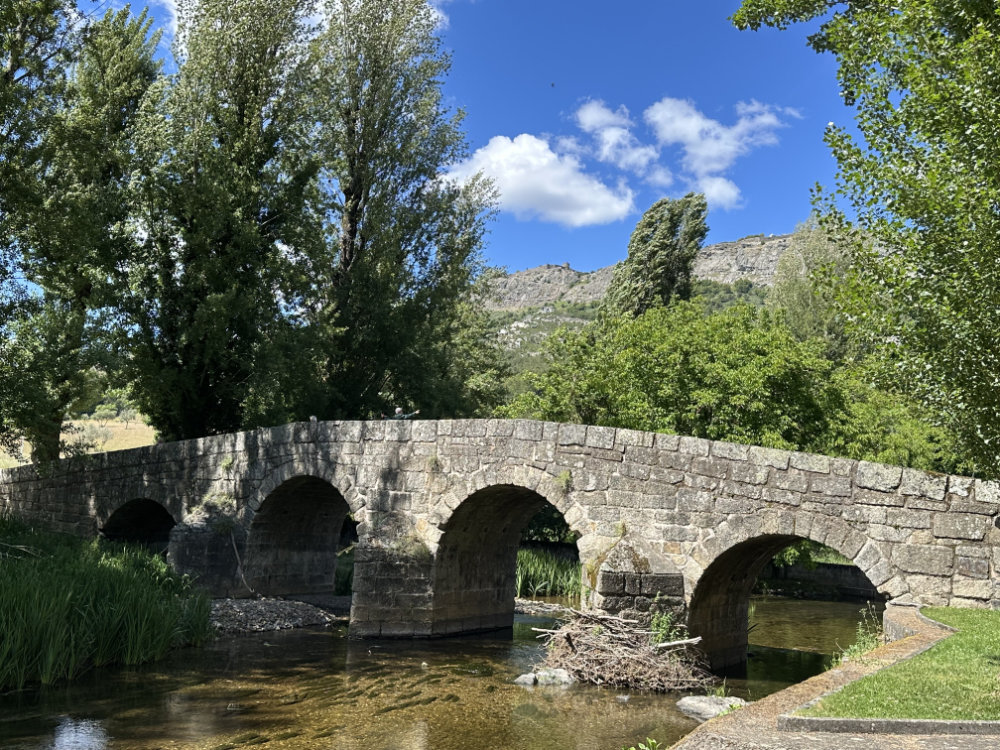
The name “Portagem” derives from the old toll charged at the bridge over the Sever River during medieval and later periods.
This location was an important crossing point on the route to Spain, and everyone crossing the bridge — people, animals or goods — had to pay a fee. This toll point eventually gave its name to the village itself.
Portagem River Beach
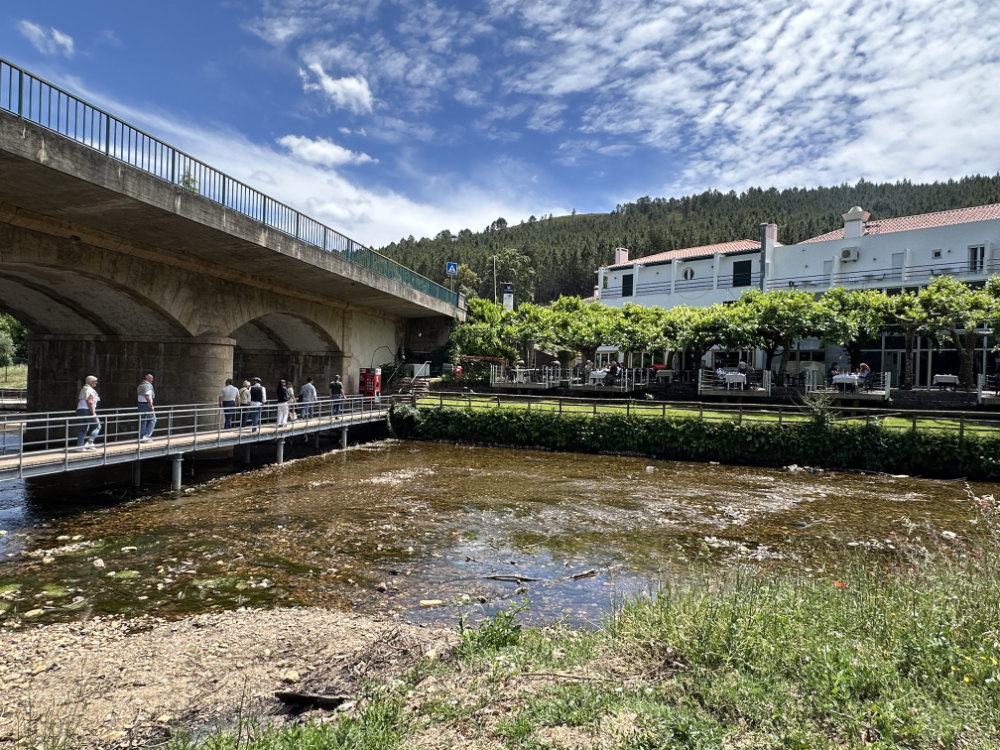
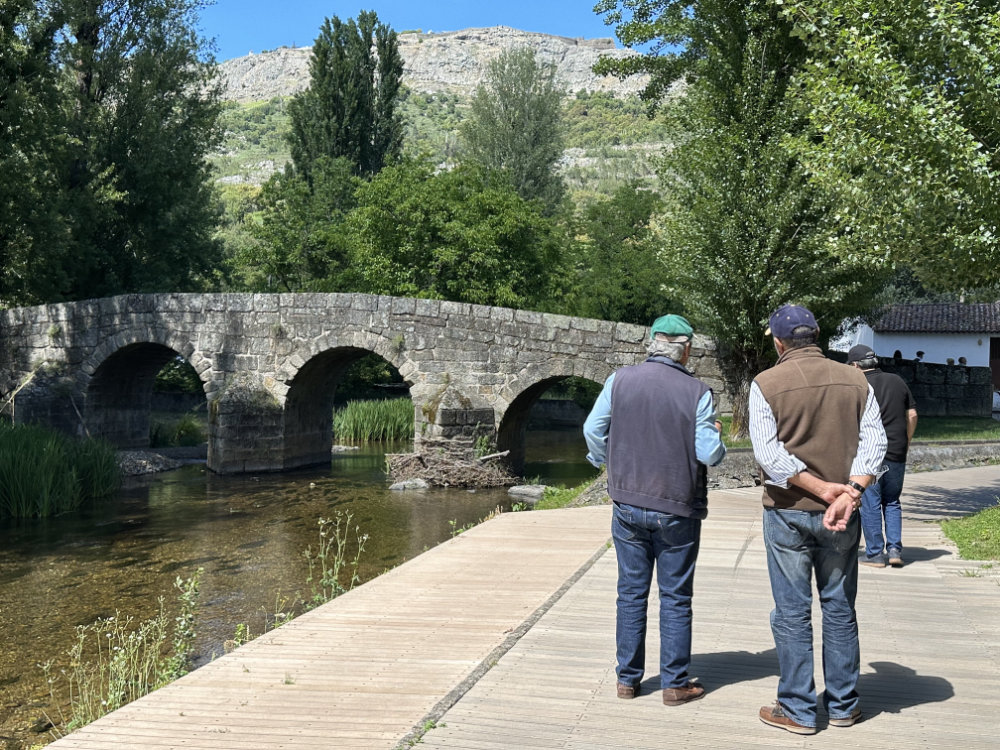
Located beside the medieval bridge over the Sever River, the Portagem River Beach is one of the most pleasant places in the region to relax and enjoy nature. The calm waters, green surroundings and proximity to Marvão make it a very special stop.
At this time of year, the small dam still has its floodgates open, meaning the swimming area does not yet have sufficient water depth.
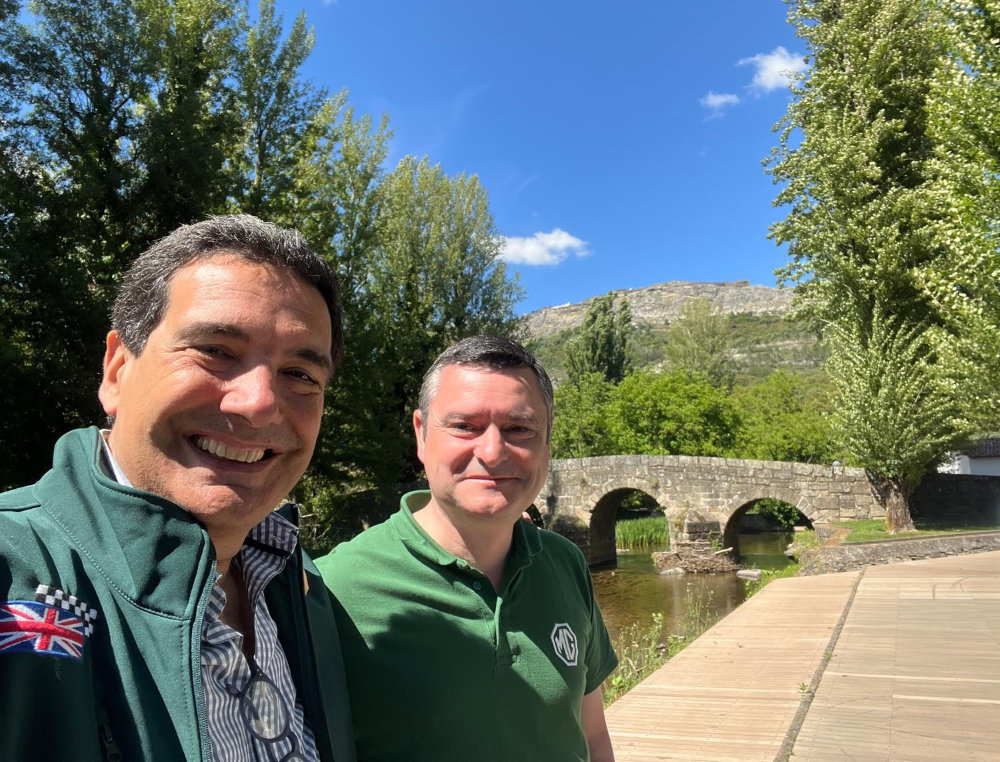
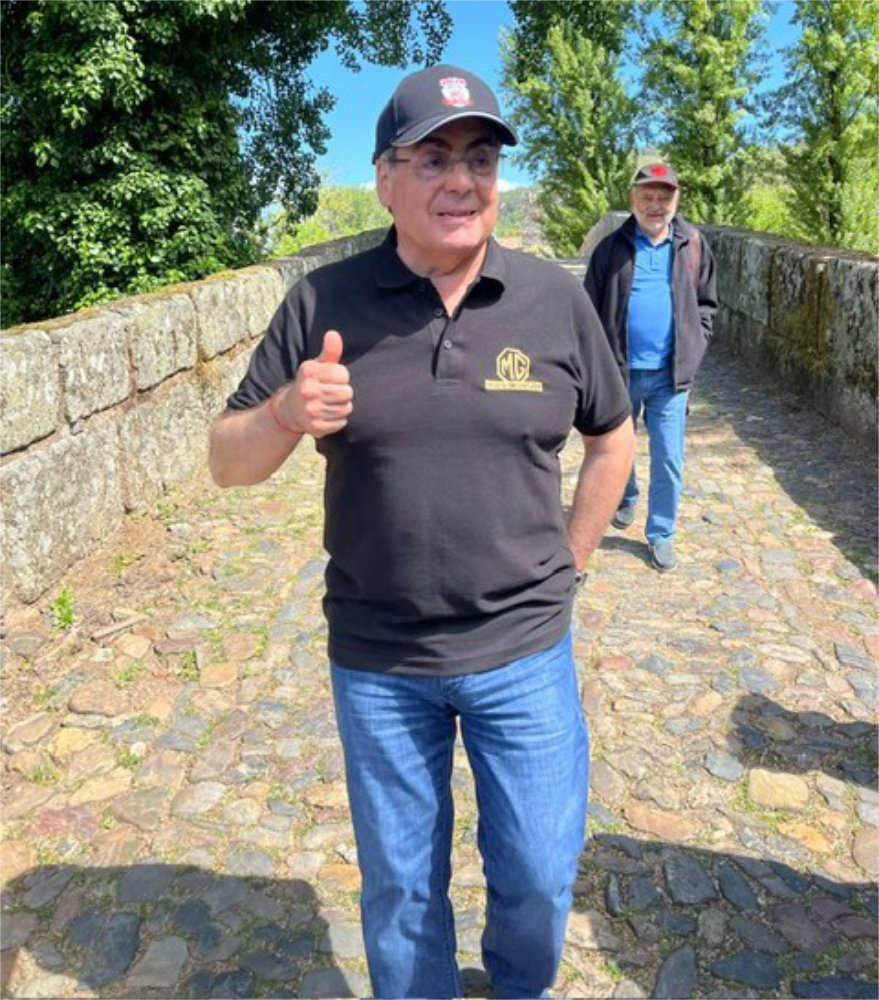
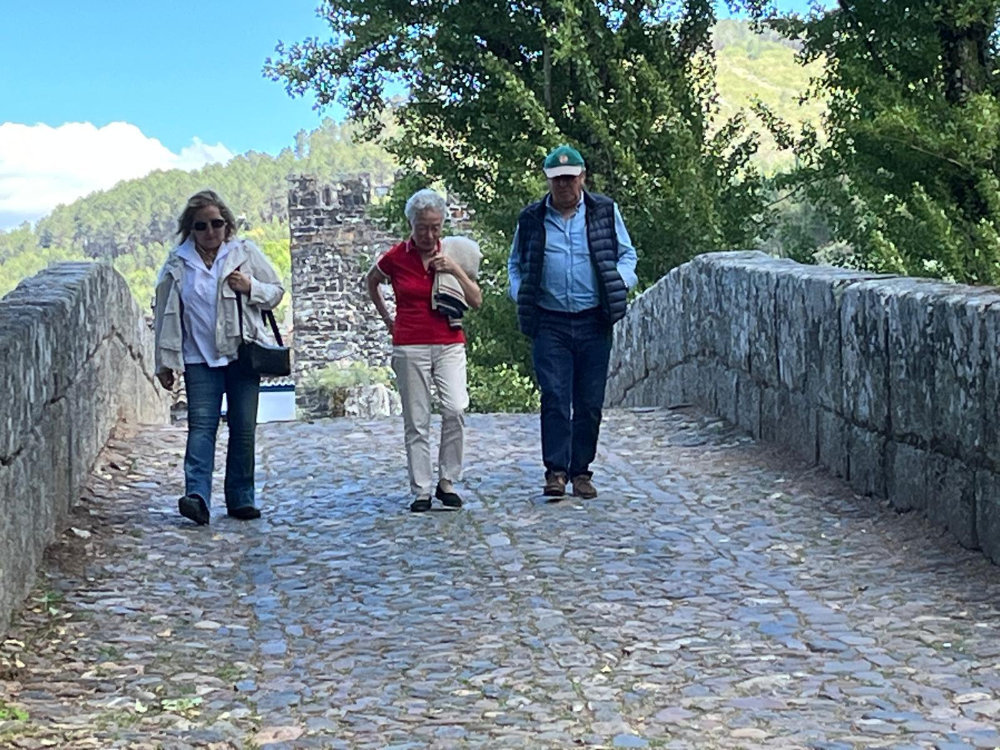
The group walked along the riverbank and crossed the Roman bridge where the toll was once collected.
Legend says the bridge was built in a single night; otherwise, the Devil had foretold that it would collapse, and therefore the inhabitants had no time to place mortar in the final stone block.
Roman City of Ammaia
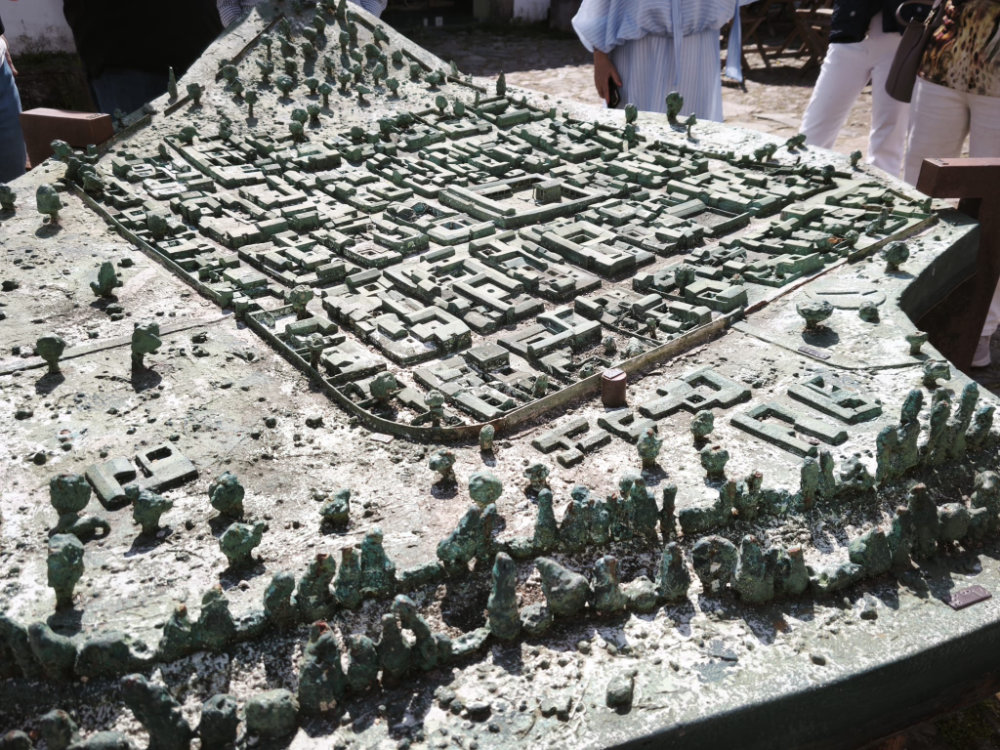
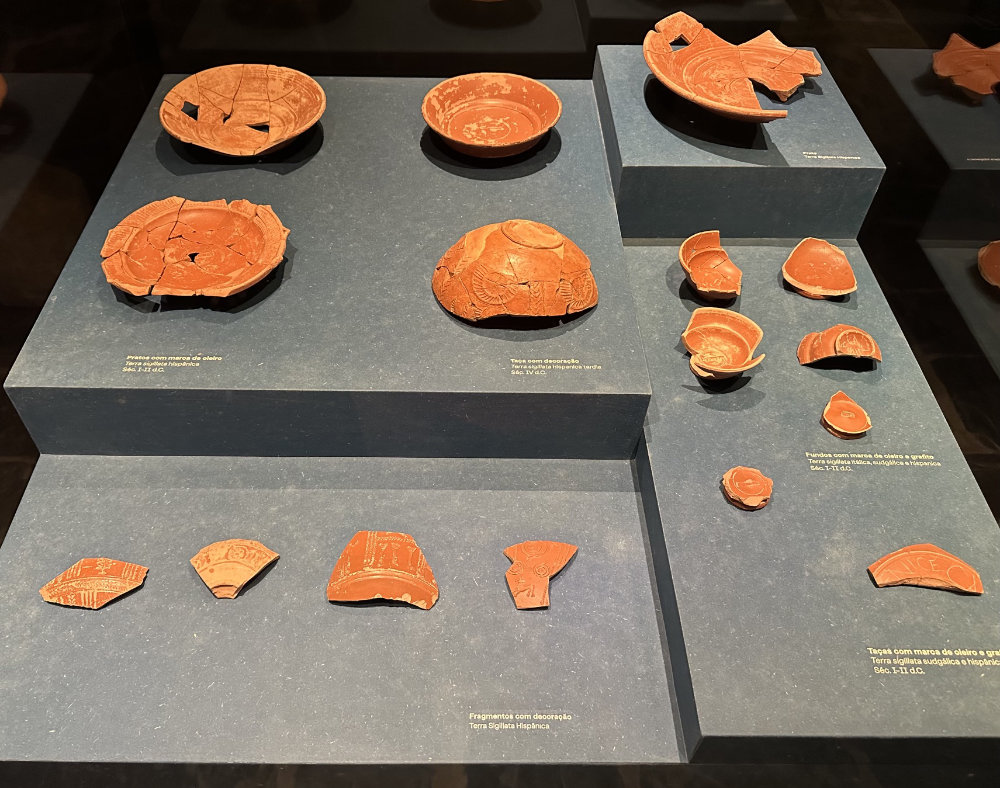
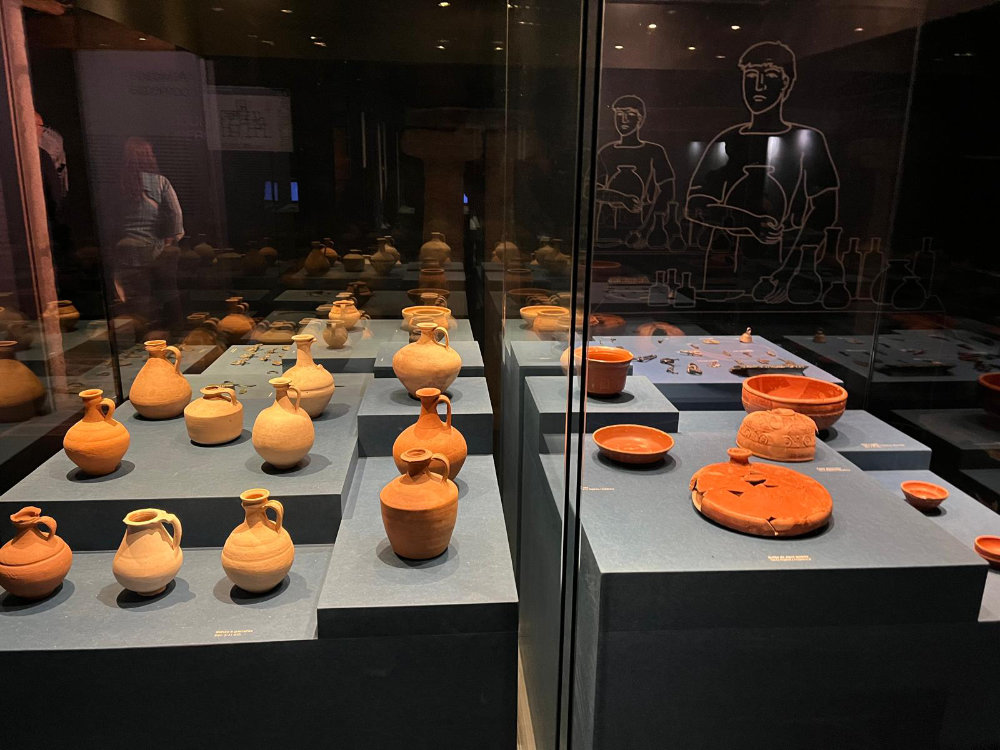
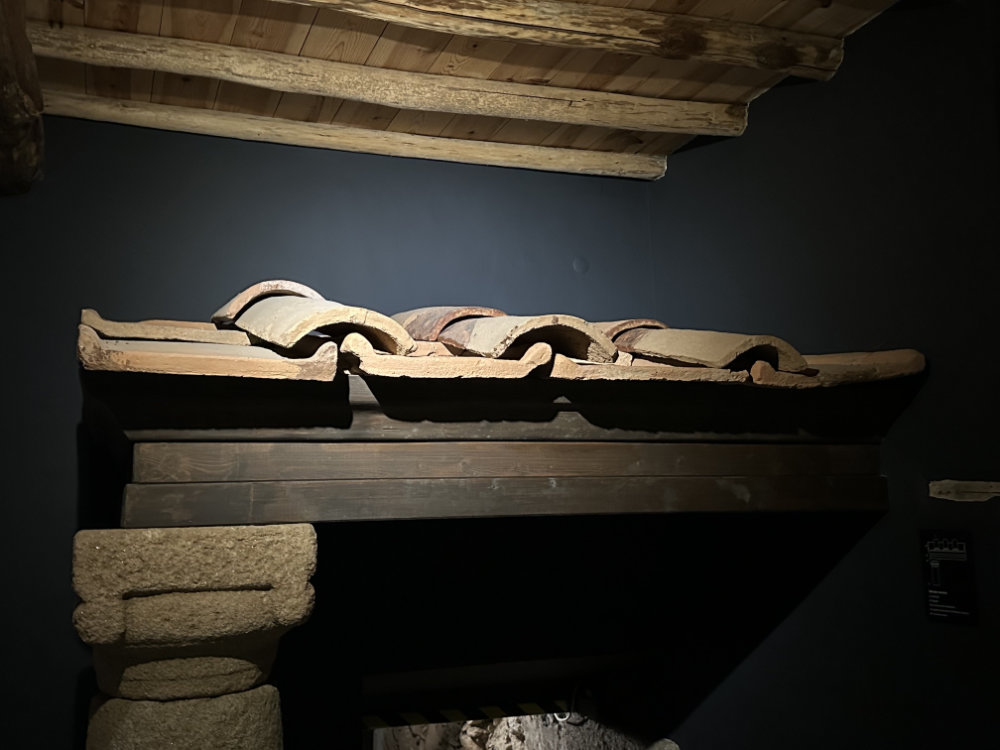
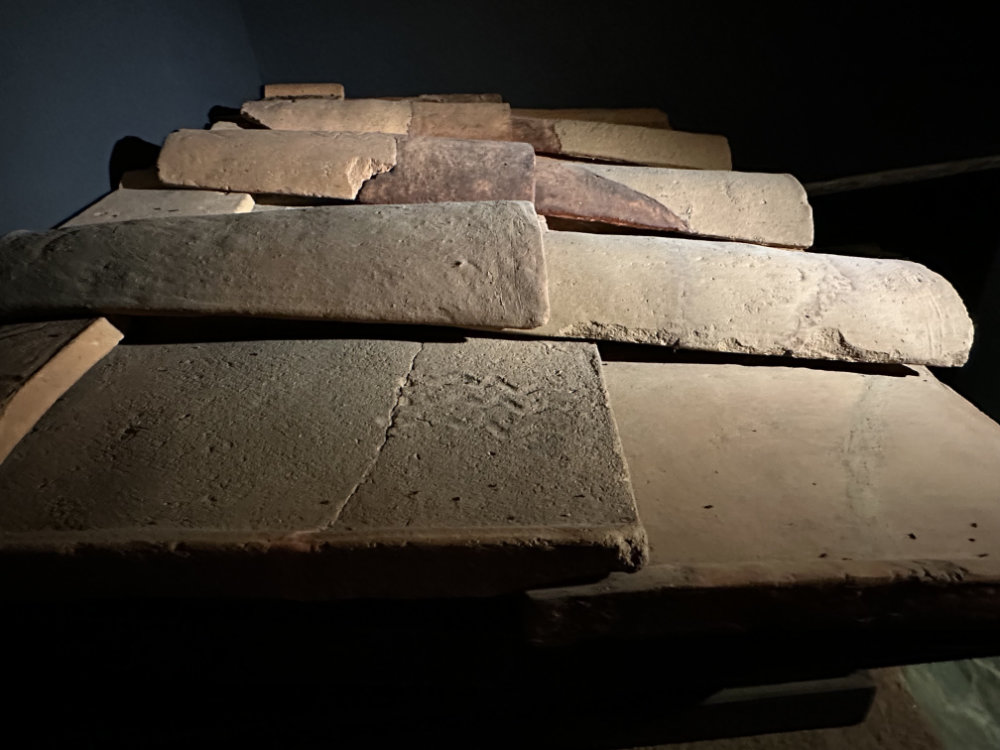
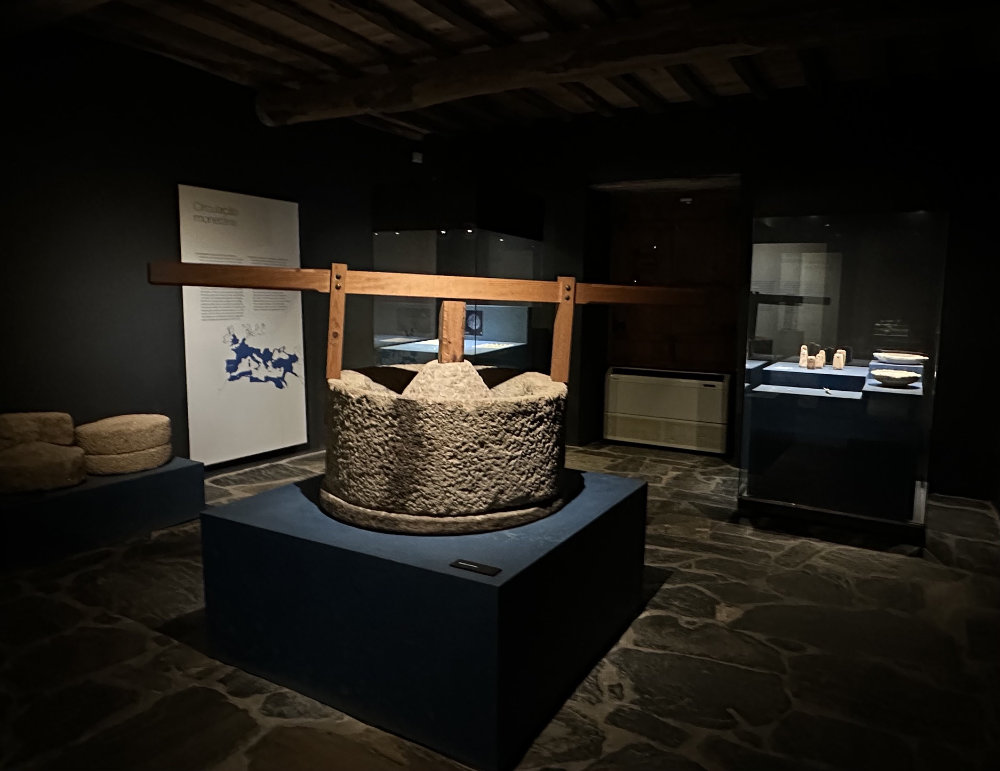
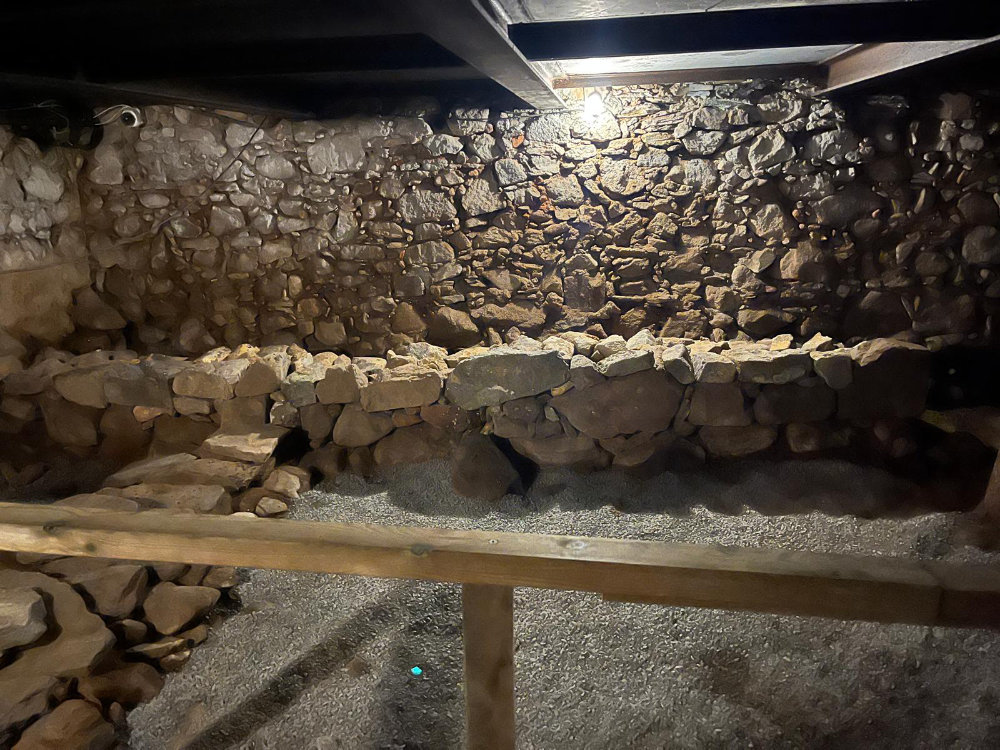
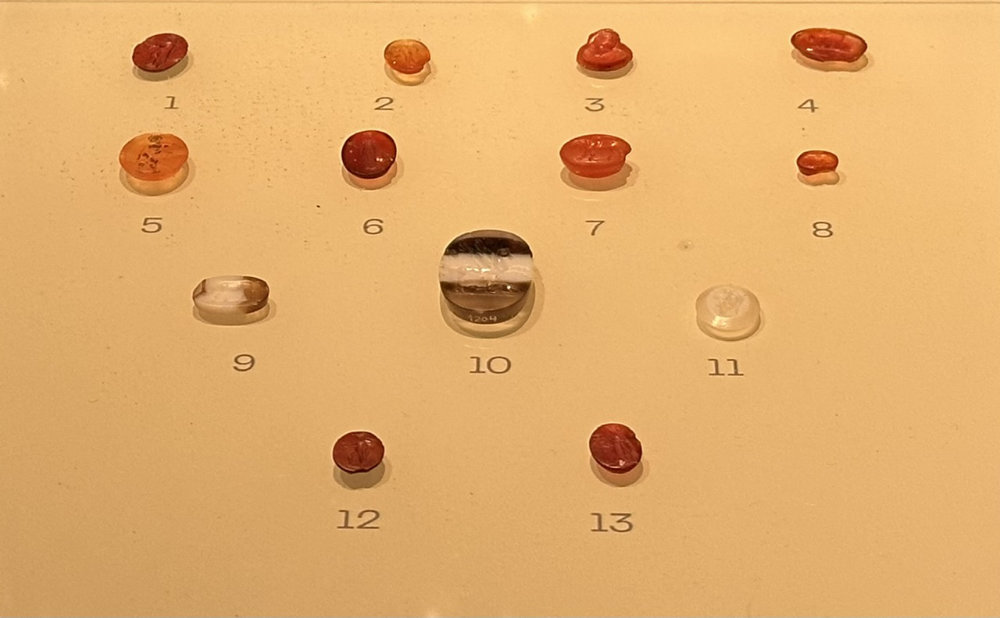
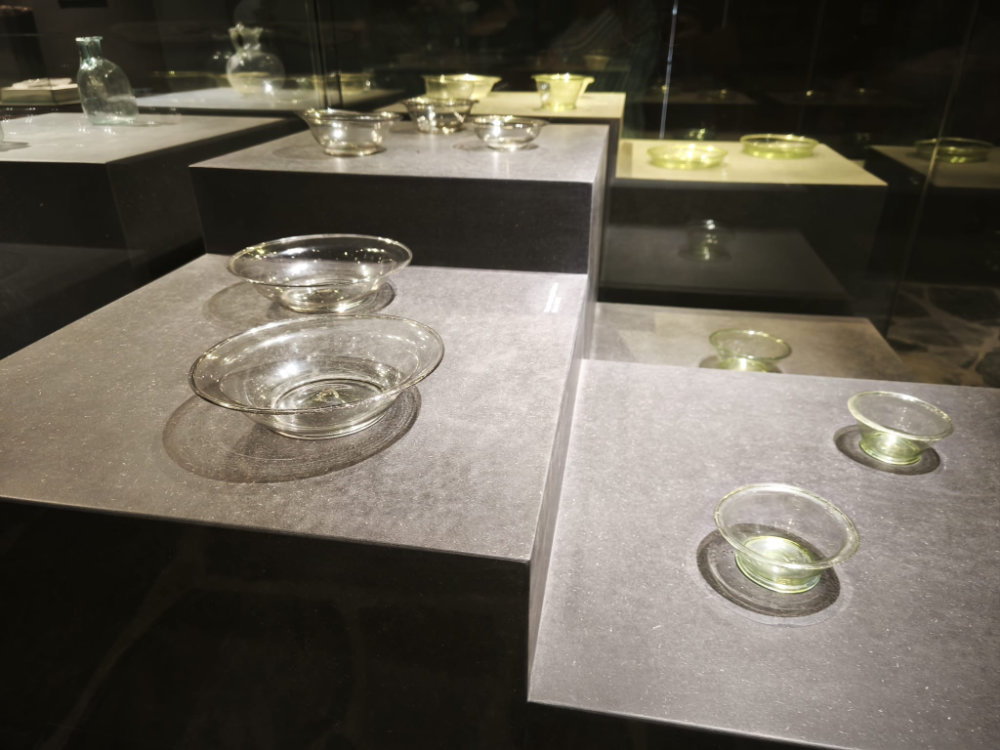
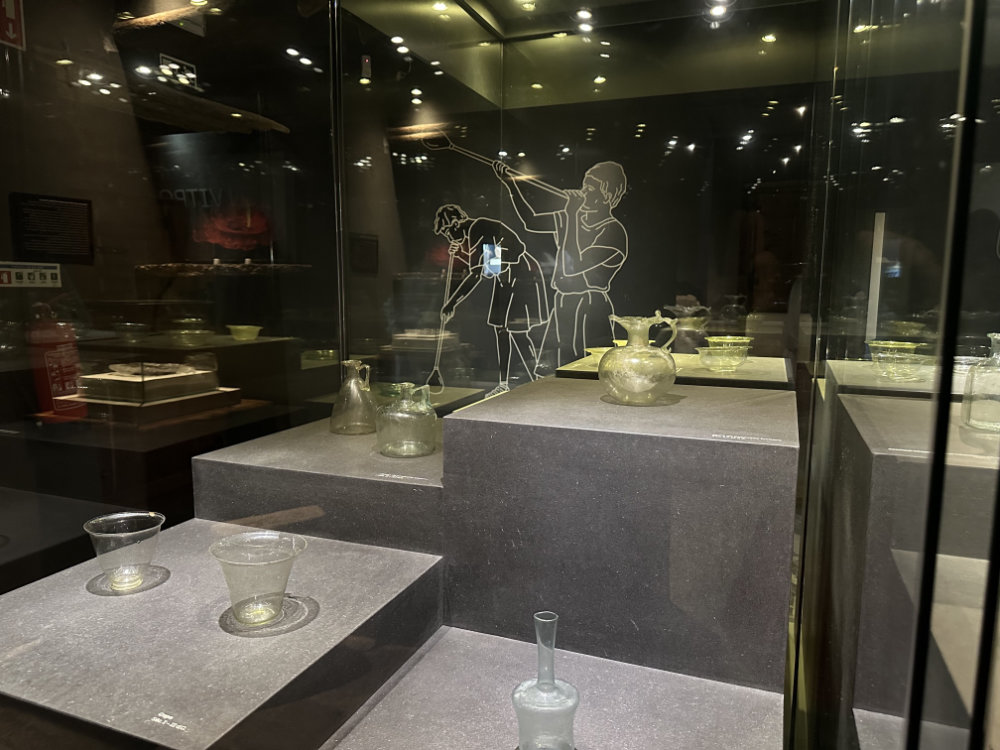
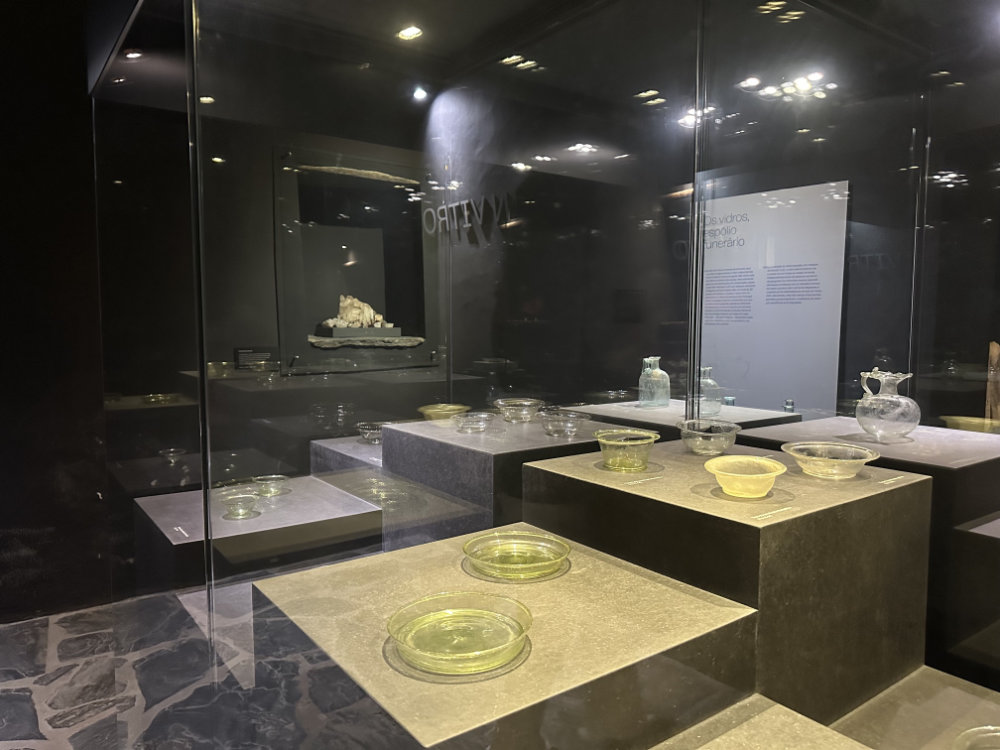
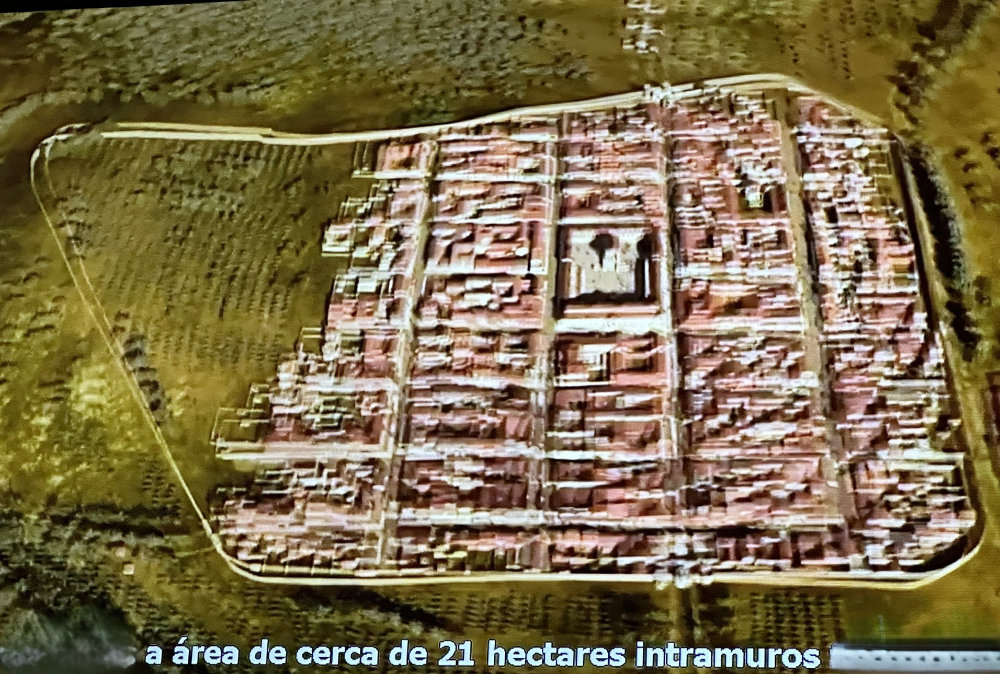
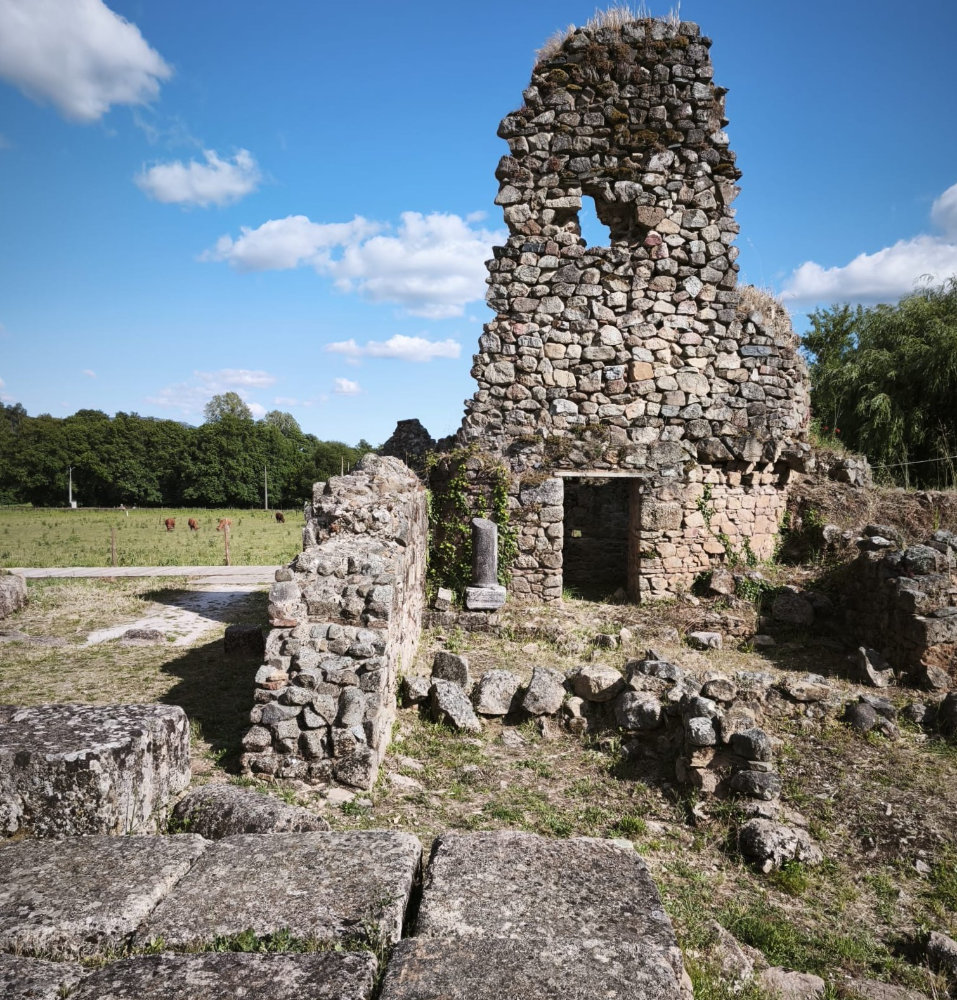
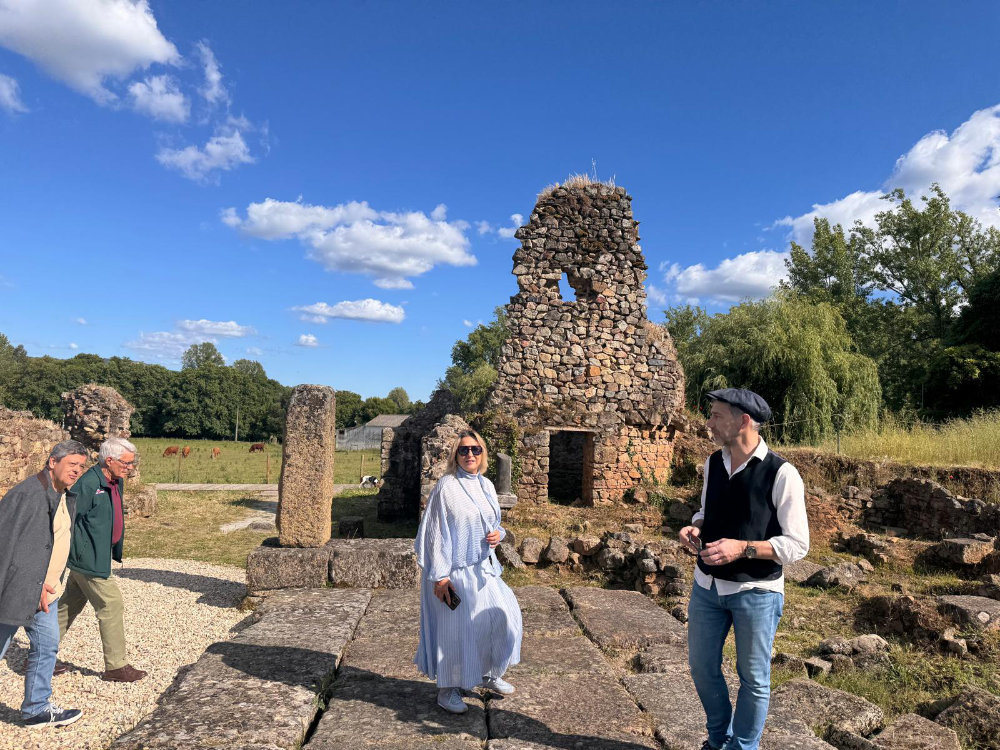
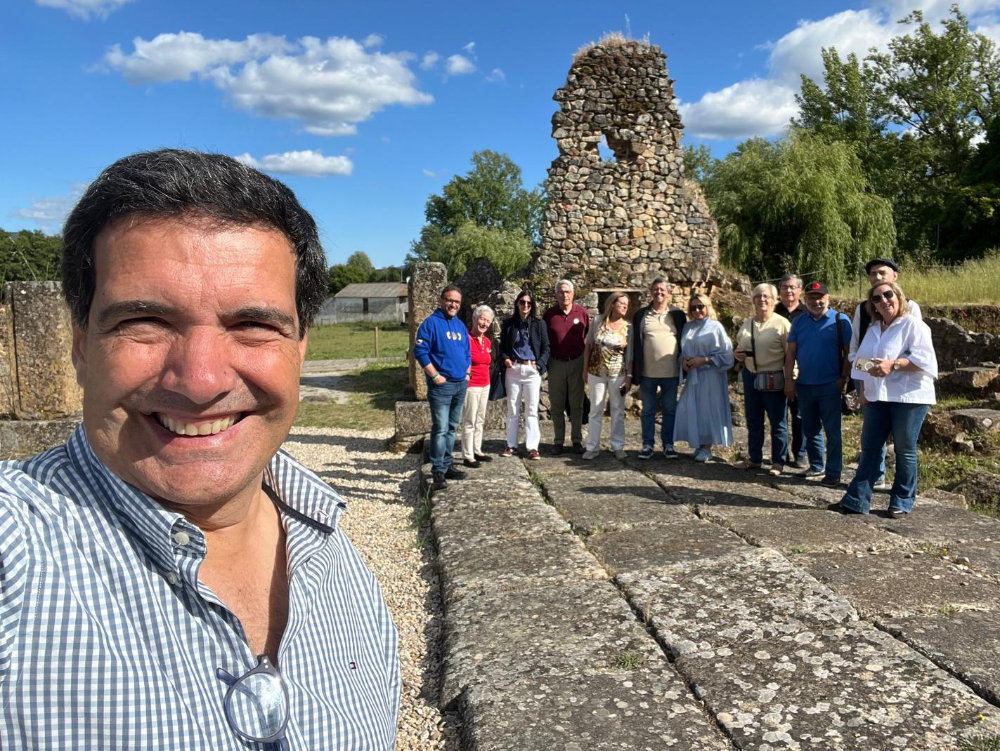
The 189th Gathering ended with a guided visit, led by Joaquim Carvalho, to the ancient Roman city of Ammaia and its museum, one of the most important Roman archaeological sites in Alto Alentejo.
Founded in the 1st century, Ammaia preserves remains of streets, public buildings, walls and infrastructures that demonstrate the importance of this settlement during Roman times.
The visit allowed participants to discover a fascinating chapter in the ancient history of the region.
Acknowledgements
This Gathering would not have been possible without the support of the following institutions and individuals, to whom MG Clube de Portugal extends its sincere thanks.
Municipality of Portalegre – Manuel Mouro Mata (Councillor and co-organiser of the 189th Gathering)
Municipality of Castelo de Vide – Nuno Calixto (Mayor)
Municipality of Portalegre – Luís Costa (Councillor)
Castelo de Vide Tourism Office – Susana Machado
Tapestry Museum – Raquel Chambel
José Régio House Museum – Maria José Maçãs and Beatriz Bochechas
GPAP – Francisco Ceia, João Calha, António Marmelo, Daniel Marmelo
Ammaia – Nuno Serra Pereira and Joaquim Carvalho
A special thank you to Tiago Silva (member 590), Vitor Pires (member 913), Sofia Costa Gomes (member 944) and her husband Francisco Marques for their collaboration in organizing the event and conducting the guided tours in Marvão.
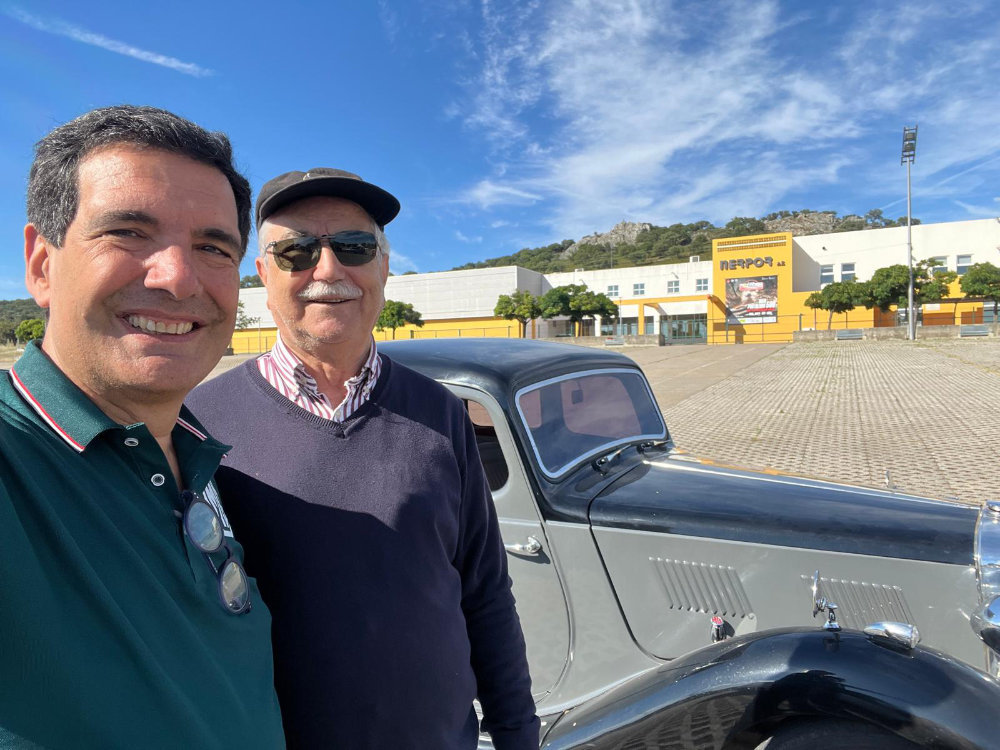
A very special thank you also to Håkan Sigemark (member 949), International contact for the MGF Register, for travelling from Alicante to take part in the Gathering and for showing such interest in getting to know MGCP and its members.